

Pristina, Kosovo – In a move aimed at stabilizing the domestic fuel market and safeguarding consumer interests, Kosovo’s Ministry of Industry, Entrepreneurship, Trade and Innovation (MINT) announced new maximum permissible prices for petroleum derivatives, effective August 6th. The decision reflects the government’s ongoing commitment to mitigating the impact of global energy fluctuations on its citizens and businesses.
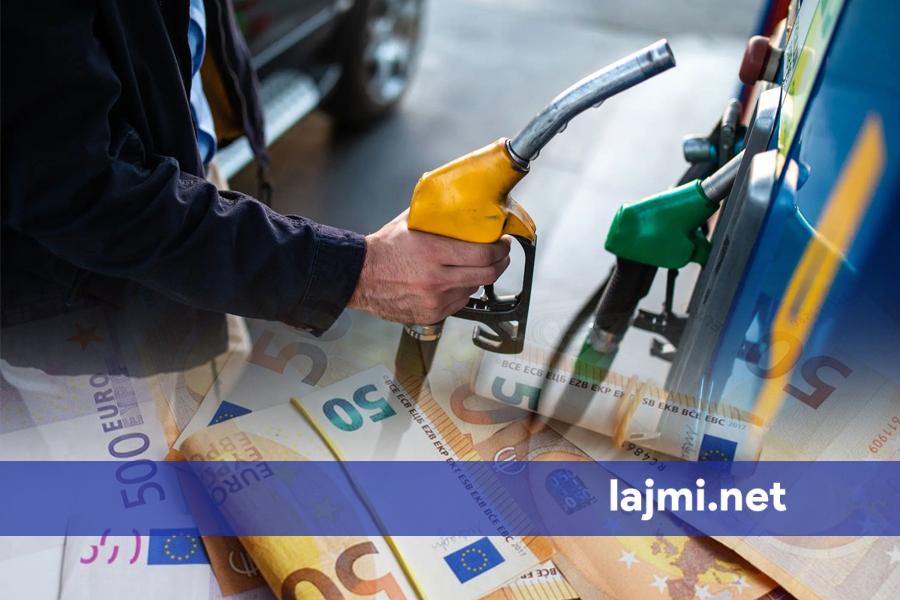
The latest directive sets the maximum price for diesel at €1.72 per liter, marking a notable reduction of 5 cents from the previous day’s rate of €1.77 per liter. Gasoline prices have been capped at €1.45 per liter, while liquefied petroleum gas (LPG) will not exceed €0.60 per liter. These prices, which came into force at 10:00 AM on August 6th, are valid for a 24-hour period, underscoring the dynamic and responsive nature of MINT’s regulatory framework. The temporary nature of these caps allows the ministry to react swiftly to changes in international oil markets and domestic supply chains.
The introduction of these price ceilings is a direct response to the persistent volatility observed in global energy markets over the past years, which has frequently translated into fluctuating costs at the pump for Kosovar consumers. By setting a daily maximum, MINT seeks to prevent speculative pricing and ensure that essential commodities remain accessible and affordable for the populace. This measure is part of a broader strategy to maintain economic stability in the face of external pressures, providing a degree of predictability for both households and businesses dependent on fuel for their daily operations.
Chronology of Price Regulations in Kosovo
Kosovo’s journey into fuel price regulation is relatively recent, largely spurred by the unprecedented global energy crisis that began to escalate in late 2021 and intensified following geopolitical events in early 2022. Prior to this period, the fuel market in Kosovo largely operated under free-market principles, with prices dictated by supply and demand dynamics, as well as international crude oil benchmarks. However, as global oil prices soared to historic highs, pushing pump prices beyond the reach of many citizens and threatening to trigger widespread inflation, the government was compelled to intervene.
The initial steps towards price regulation were taken as emergency measures. In early 2022, MINT, in coordination with other government bodies, introduced temporary administrative instructions to set maximum retail prices for petroleum derivatives. This intervention was met with a mix of relief from consumers and apprehension from fuel distributors who voiced concerns over potential impacts on their profit margins and operational viability. The primary objective at this juncture was to prevent price gouging and to cushion the blow of rampant inflation on household budgets.
Over time, these emergency measures evolved into a more formalized and systematic approach. The initial ad-hoc decisions were refined into a structured regulatory mechanism, often involving daily or weekly price reviews based on a specific formula that considers international crude oil prices (such as Brent crude), refining costs, transportation, import duties, and a reasonable profit margin for distributors. The current 24-hour validity period for the announced prices is a testament to this evolution, allowing for greater flexibility and responsiveness to the rapidly changing global market conditions. This proactive stance aims to strike a balance between market freedom and consumer protection, a delicate equilibrium that MINT continues to navigate.
The decision to implement a 5-cent reduction in diesel prices for August 6th aligns with recent trends observed in global oil markets, where supply concerns have eased slightly, and demand forecasts have been adjusted. This specific adjustment reflects MINT’s commitment to passing on any potential savings from international market movements directly to the consumer, reinforcing the transparency and fairness of the regulatory framework. The ongoing monitoring and adjustments illustrate a maturing regulatory environment designed to provide stability in an inherently volatile sector.
Supporting Data and Market Dynamics
Understanding the context of Kosovo’s fuel prices requires an examination of both global and domestic factors. Kosovo, being a landlocked country with no significant domestic oil production, is entirely dependent on imported petroleum derivatives. This inherent dependency makes its market highly susceptible to international oil price fluctuations, geopolitical tensions affecting supply routes, and the policies of major oil-producing nations like those within OPEC+.
Global Market Influence: The prices of Brent crude and West Texas Intermediate (WTI) serve as primary benchmarks for international oil prices. Fluctuations in these benchmarks, driven by factors such as global economic growth forecasts, inventory levels, production cuts or increases by OPEC+ and other major producers, and geopolitical conflicts, directly translate into changes in the cost of imported fuel for Kosovo. For instance, a decision by OPEC+ to reduce output can immediately send crude prices upwards, subsequently increasing the cost of refined products like diesel and gasoline in importing nations. The recent slight easing in global prices, which facilitated the 5-cent reduction in diesel, could be attributed to a combination of factors, including concerns over global economic slowdown impacting demand and stable supply from non-OPEC+ producers.
Regional Comparison: When benchmarked against neighboring countries in the Western Balkans, Kosovo’s fuel prices often fall within a similar range, though slight variations exist due to differing taxation policies, import logistics, and market structures. Countries like Albania, North Macedonia, and Serbia also grapple with similar challenges of import dependency and global price volatility, leading some to implement their own forms of price regulation or subsidies. Maintaining competitive prices is crucial for Kosovo, not only for its citizens but also for its transit economy, as it influences decisions made by commercial transporters passing through the region.
Domestic Economic Factors:
- Taxation: Fuel prices in Kosovo include various taxes, primarily excise duties and Value Added Tax (VAT). These government levies constitute a significant portion of the final retail price, providing revenue for the state budget but also influencing affordability. Any change in these tax rates can have a substantial impact on pump prices.
- Import and Distribution Costs: The logistical chain from international markets to local pumps involves costs for procurement, shipping, refining (if applicable, or purchasing refined products), customs duties, storage, and distribution across Kosovo. These operational costs, along with a reasonable profit margin for importers and retailers, are factored into the maximum price calculations by MINT.
- Consumer Purchasing Power: Kosovo has a developing economy, and fuel costs represent a significant expenditure for many households and businesses. High fuel prices can disproportionately affect lower-income families, farmers, and small businesses reliant on transportation. A 5-cent reduction in diesel, while seemingly small, can translate into tangible savings for heavy users. For a typical vehicle with a 50-liter tank, a 5-cent drop means a saving of €2.50 per fill-up, which can add up over multiple refuels in a month. For commercial fleets or agricultural machinery, these savings become far more substantial, directly impacting operational budgets.
- Inflationary Pressures: Fuel is a foundational input cost for almost every sector of the economy. Increases in fuel prices inevitably lead to higher transportation costs for goods, impacting supply chains and contributing to overall inflation. Conversely, stabilized or reduced fuel prices can help alleviate inflationary pressures, benefiting consumers through potentially lower prices for goods and services.
The data underscores MINT’s challenge: balancing the economic realities of a market-driven economy with the social responsibility of ensuring affordability and stability for its citizens. The daily price cap mechanism is an attempt to navigate this complex landscape, offering a flexible tool to respond to the constant flux of the global energy market.
Official Responses and Rationale
The Ministry of Industry, Entrepreneurship, Trade and Innovation (MINT) has consistently articulated its rationale behind the fuel price regulation mechanism. According to official statements from the Ministry, the primary objectives are multi-faceted:
- Consumer Protection: MINT aims to prevent price gouging by fuel retailers during periods of market uncertainty or supply chain disruptions. By setting a maximum price, the ministry ensures that consumers are not exploited and that prices remain within a reasonable and justifiable range, reflecting actual import costs and a fair profit margin. This is particularly crucial for essential commodities like fuel, which impact daily life and economic activity.
- Market Stability: The regulatory framework seeks to introduce a degree of predictability into the market. Wild fluctuations in fuel prices can create uncertainty for businesses, particularly those in logistics, agriculture, and manufacturing, making planning and budgeting difficult. A regulated cap helps to stabilize the market, fostering a more predictable economic environment.
- Transparency and Fairness: MINT emphasizes that its pricing methodology is based on a transparent formula that takes into account international market prices, exchange rates, import costs, and operational expenses, along with a reasonable profit margin for distributors. This ensures that the prices set are fair to both consumers and businesses, avoiding undue burdens on either party. The 24-hour validity of the prices is presented as a mechanism to quickly adapt to global market changes, passing on reductions to consumers as swiftly as increases might necessitate adjustments.
- Combating Inflation: By controlling a key input cost like fuel, the government seeks to mitigate inflationary pressures across the economy. Stable fuel prices contribute to stable prices for other goods and services, thereby protecting the purchasing power of citizens.
Government Stance: Beyond MINT, the broader government narrative reinforces the commitment to economic stability and social welfare. Government spokespersons have often highlighted the necessity of such interventions in times of global economic turbulence, positioning them as essential tools for national economic resilience. They argue that while market principles are valued, strategic interventions are sometimes necessary to protect vulnerable populations and critical sectors from external shocks.
Industry Reactions: The fuel distribution industry in Kosovo has expressed mixed reactions. While acknowledging the government’s aim to stabilize the market, some distributors and station owners have voiced concerns about the impact of price caps on their operational viability and profit margins. They argue that strict caps might not always adequately cover their fluctuating import costs, particularly during periods of rapid international price increases, or account for diverse operational expenses across different retail locations. Industry representatives have often called for a dialogue with MINT to ensure that the regulatory framework allows for sustainable business operations, encouraging continued investment in infrastructure and services. There is a continuous debate about the optimal balance between regulatory control and free-market competition.
Consumer Advocacy Groups: Consumer protection organizations have largely welcomed MINT’s interventions, viewing them as a crucial safeguard against exploitation. They often advocate for stricter oversight and greater transparency in price-setting mechanisms, urging the government to remain vigilant against any practices that might disadvantage consumers. These groups frequently call for the government to explore long-term strategies, such as promoting energy efficiency and alternative transportation, to reduce the overall reliance on fossil fuels and mitigate the impact of price volatility.
The official responses reflect a governmental body attempting to navigate a complex economic landscape, balancing the immediate needs of its citizens with the long-term health of its market and industry.
Implications and Future Outlook
The implementation of daily fuel price caps in Kosovo carries significant implications for various sectors of the economy and for the daily lives of its citizens, both in the short and long term.
Short-term Implications:
- Immediate Relief for Consumers: The 5-cent reduction in diesel prices, coupled with capped gasoline and LPG rates, offers immediate financial relief to individuals and households. This is particularly impactful for commuters, families planning weekend travel, and those who rely on personal vehicles for daily errands. The predictability of knowing the maximum price for 24 hours also allows for better budgeting.
- Boost for Businesses: Transportation companies, delivery services, agricultural enterprises, and small businesses heavily reliant on fuel for operations will experience a direct benefit from stable or reduced prices. Lower fuel costs can translate into reduced operational expenses, potentially allowing businesses to maintain or even lower prices for their goods and services, thereby stimulating economic activity.
- Psychological Impact: Stable fuel prices can contribute to a sense of economic security and confidence among the populace, alleviating anxieties related to the cost of living and inflation. This psychological boost can indirectly support consumer spending in other areas of the economy.
- Increased Demand: Slightly lower prices might lead to a marginal increase in fuel consumption, as the cost barrier is somewhat reduced. This could potentially put pressure on supply if not managed carefully, though the 24-hour cap mechanism allows for quick adjustments.
Long-term Implications:
- Sustainability of Price Caps: A critical question revolves around the long-term sustainability of such an interventionist model. While effective in crises, continuous price caps can, in theory, distort market signals, potentially discouraging investment in the fuel distribution sector if profit margins are consistently squeezed. It also raises questions about whether the government will need to develop more sophisticated, automated mechanisms or transition to a different approach once global market stability returns.
- Market Distortion vs. Consumer Welfare: The debate between free-market principles and government intervention is ongoing. While price caps protect consumers, some economists argue they might lead to less competitive market behavior or even black markets if official prices deviate too drastically from perceived market value or actual import costs. MINT’s challenge is to find the optimal balance that prevents exploitation without stifling healthy competition.
- Energy Security and Diversification: Kosovo’s almost complete reliance on imported fossil fuels highlights a vulnerability. The volatility of international prices underscores the urgent need for long-term strategies related to energy security, including diversification of energy sources, promotion of renewable energy (solar, wind), and investment in energy efficiency measures. Stable fuel prices, while beneficial in the short term, should not detract from the strategic imperative to reduce fossil fuel dependency.
- Transition to Green Energy: The relative affordability of fossil fuels, even with caps, might indirectly slow down the adoption of electric vehicles (EVs) or the expansion of public transportation if the economic incentive to switch is reduced. The government needs to integrate its fuel pricing policies with its broader climate change and sustainable development agenda, perhaps through targeted incentives for greener alternatives.
- Public Expectation: Consistent intervention can create a public expectation that the government will always step in to control prices. While this builds trust, it also places a significant burden on MINT to continuously monitor and adjust prices, and manage public perception during periods when prices might inevitably rise due to external factors.
- Economic Resilience: Ultimately, the success of these measures will be judged by their contribution to Kosovo’s overall economic resilience. By managing a key inflationary driver, MINT helps to create a more stable environment for investment, job creation, and sustainable growth. The mechanisms in place need to be robust enough to withstand future global shocks and adaptable enough to respond to evolving market dynamics.
The MINT’s daily fuel price announcement for August 6th is more than just a routine update; it is a critical component of Kosovo’s ongoing strategy to navigate the complexities of the global energy market. As the country moves forward, the effectiveness of these policies will depend on their adaptability, transparency, and their ability to foster both economic stability and a sustainable energy future.