As the digital marketing landscape undergoes a seismic shift driven by artificial intelligence, staying ahead of the curve is no longer an advantage—it is a necessity for survival. From Meta’s aggressive expansion into enterprise AI to Reddit’s defensive wall against data scraping, the ecosystem is evolving rapidly.
This report synthesizes the most critical industry developments, provides expert-backed strategies for ad performance, and explores the implications of the latest platform updates for your brand.
The Core Strategies: Unlocking Better ROI
Mastering the Customer-Centric Ad Process
For many marketers, the "blank page" syndrome is the greatest obstacle to effective Facebook advertising. The solution, according to industry expert Nick Theriot, lies not in guessing what your audience wants, but in mining their own words.
The Survey-to-Script Workflow:
- Survey for Pain: Instead of generic feedback, ask customers about their specific frustrations and their "before-and-after" states.
- Linguistic Extraction: Identify the exact phrases, emotional triggers, and motivations customers use to describe their struggles.
- The Reddit Hack: When internal data is exhausted, leverage the
site:reddit.comsearch operator. By searching for specific pain points or benefits, you can uncover unfiltered, relatable scenarios that serve as high-converting, authentic ad scripts.
LinkedIn: The Human-AI Hybrid Approach
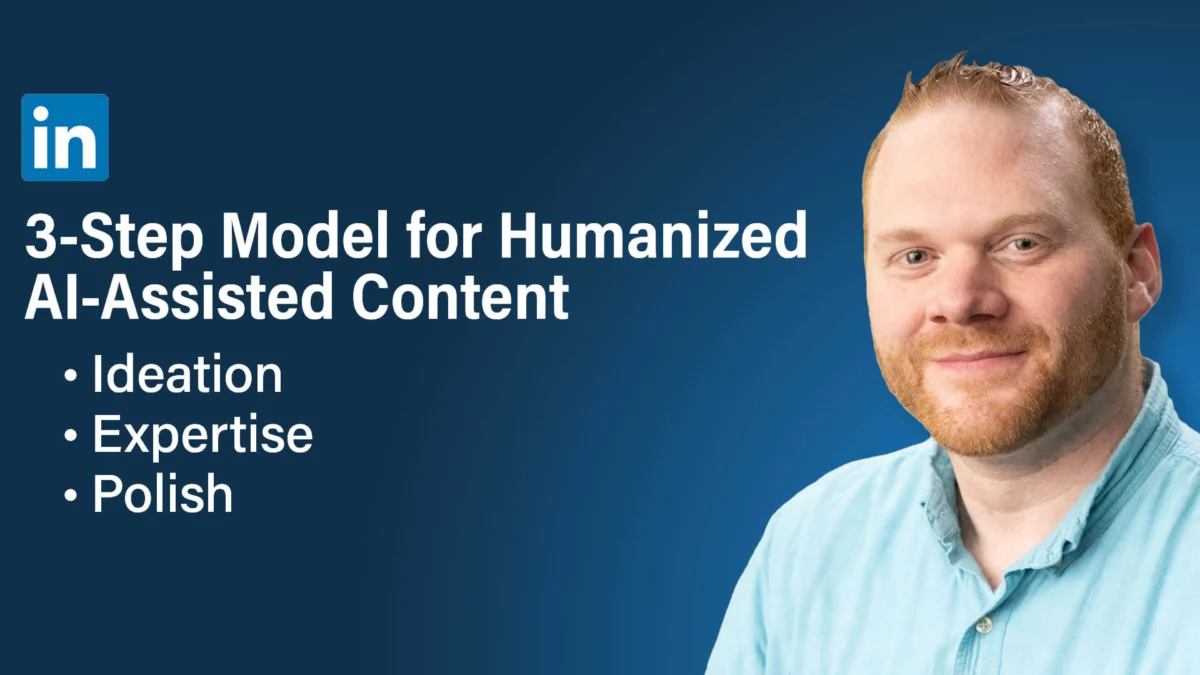
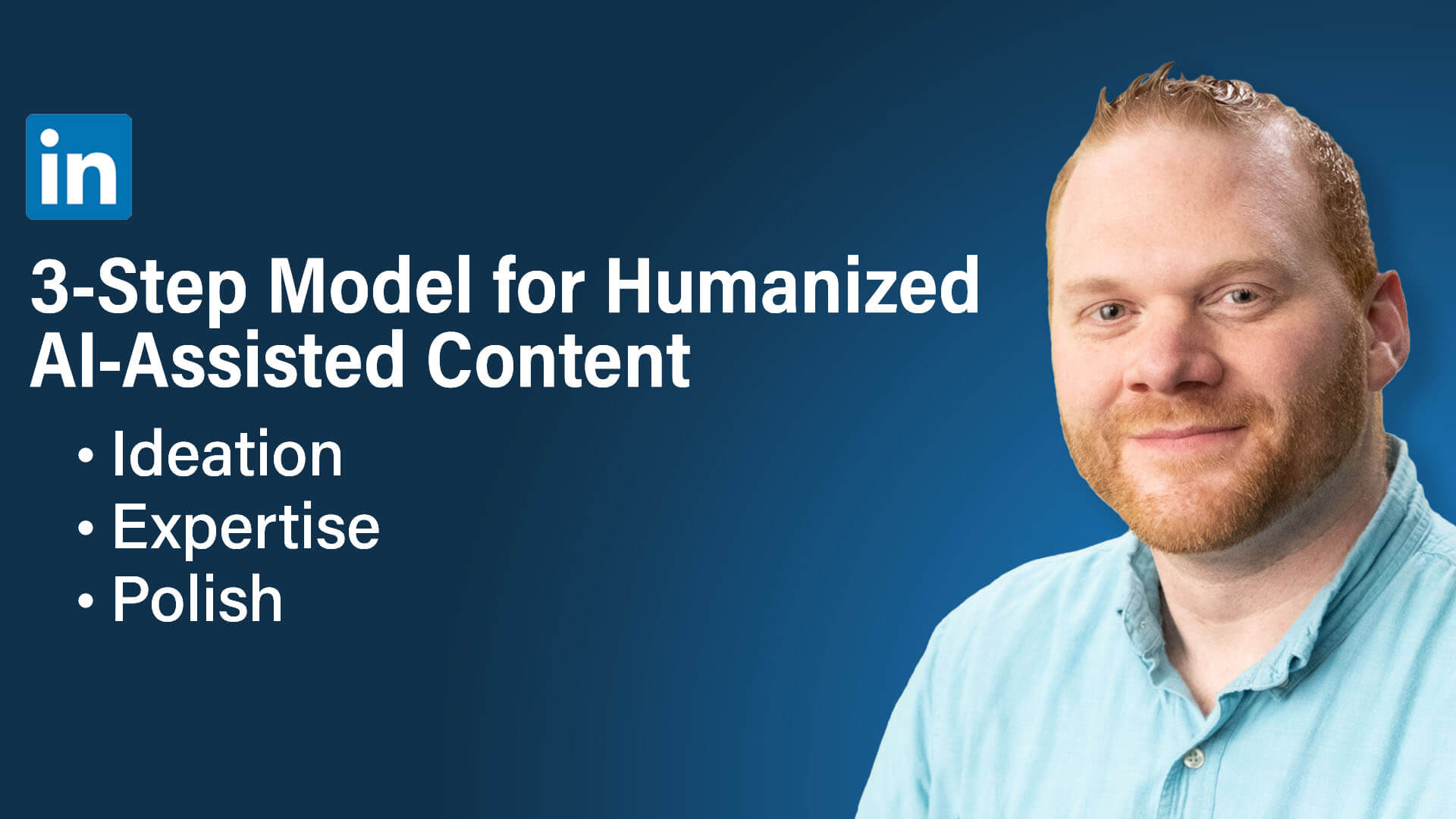
AJ Wilcox, founder of B2Linked, warns that while AI is an essential tool for scaling, over-reliance leads to "AI slop"—content that feels sterile and uninspired.
- The AI Writing Balance: Use AI to structure and draft, but never delegate the "emotional pulse" of the post. If your content sounds like a machine wrote it, your audience will disengage.
- The Comment-First Strategy: LinkedIn’s algorithm is increasingly prioritizing meaningful conversation over broadcast posts. A well-timed, thoughtful comment on a high-authority thread often yields better engagement than a standalone post.
- The Ad Creative Trap: A common mistake borrowed from Meta is flooding campaigns with too many creative variations. Wilcox advises a leaner approach, focusing on high-performing video formats that prioritize substance over sheer volume.
Chronology of Industry Updates: October 2026
The last several days have seen a flurry of activity across the major social platforms. Below is a timeline of the most significant changes affecting digital marketers.

- Meta Launches "Forum": A standalone app dedicated to Facebook Groups, signaling a move to prioritize community-based discovery over algorithmic feeds.
- Instagram Edits Rollout: The AI-powered assistant is now available to all US creators, offering personalized insights based on account metrics and platform trends.
- Boosting Live Content: Instagram now allows in-app promotion of live streams, simplifying the path from broadcast to paid reach.
- Reddit API/RSS Restrictions: Reddit announced the impending shutdown of RSS feeds (Nov 2026) and public API access (March 2027) to curtail AI-driven data harvesting.
- Threads’ Engagement Push: Introduction of "Raise Hand" features and live reactions in chats to drive real-time community interaction.
- YouTube’s Originality Focus: A major update to the Shorts recommendation engine that suppresses re-uploaded, low-effort content in favor of original creators.
Supporting Data and Technical Implications
The "Meta Enterprise" Shift
Meta is officially transitioning from a consumer-facing social company to an enterprise-grade AI provider. By launching the Meta Enterprise Platform, the company is positioning its proprietary models—such as Muse—as the backbone for corporate business operations.
For businesses, this means the tools used to create ad copy today will likely become the tools used to manage customer service, internal communications, and workflow automation tomorrow. The inclusion of the Muse API suggests a future where your CRM could automatically trigger AI-generated content based on shifting market data without human intervention.
The Death of Free Data
Reddit’s decision to sunset its public API and RSS access by March 2027 is a definitive moment in the history of the "Open Web." This move forces social listening platforms and AI research firms to either pay for access or lose their ability to analyze the largest repository of human conversation on the internet.
The Implication: Marketers who have relied on free sentiment analysis and trend-spotting tools will soon face increased costs. Data, once a commodity, is now being tightly gated behind commercial paywalls.
Official Responses and Strategic Perspectives
The "Human Touch" in the Age of AI
Michael Stelzner, founder of Social Media Examiner, highlights a critical reality: while AI can handle the "how," it cannot replicate the "why."
"You can follow all the right marketers online, but the conversation that changes how you see a problem rarely happens in a comment thread," Stelzner notes. "It happens in the hallway after a session or at a table with someone facing the same challenge."
This perspective serves as a reminder that as digital tools become more automated, physical and high-touch community events—such as Social Media Marketing World—become more valuable. AI may solve the logistical problems of a business, but human connection solves the strategic ones.
Lessons from the "Road to 3000" Experiment
Recent experiments conducted by the Social Media Examiner team offer a practical look at AI integration in business:
- Cost of Time vs. Cost of Tools: Choosing a "free" AI video editor that glitches is a false economy. The hours lost in troubleshooting often outweigh the price of a professional-grade subscription.
- Democratization of Development: Using AI to write code for personalized invitations proved that non-technical marketers can now build custom assets without a developer, provided they are willing to prompt effectively.
- The Testimonial Barrier: Customers love brands, but they rarely record testimonials. The lesson? Use AI to shorten long-form video into high-impact, vertical testimonials that can be repurposed across platforms.
Strategic Implications: How to Pivot
As we look toward the remainder of 2026, the implications for your marketing strategy are clear:

1. From "Broadcast" to "Conversation"
Platforms like Threads and Facebook Groups are emphasizing live, interactive, and community-driven content. Shift your KPIs away from simple "reach" and toward "interaction time" and "comment depth." If your content isn’t sparking a dialogue, it is effectively invisible in the new algorithmic climate.
2. Prioritize "Originality" as a Competitive Moat
With YouTube and other platforms actively penalizing re-uploads and "slop," originality is now a ranking signal. Invest in high-quality, authentic video content that features human faces and unique insights. AI can assist in the editing, but the source material must be distinctively yours.
3. Build Your Own Data House
With Reddit closing its data doors and other platforms likely to follow, relying on third-party sources for customer research is becoming a risky strategy. Develop your own customer survey processes, build your own community groups, and cultivate your own email lists. The brands that own their data will be the ones that survive the AI-induced data drought.

4. Optimize for the "Hook"
As noted in the Unpolished Reels guide, one word can determine the success of a piece of content. Whether it is "Moving" versus "Relocating," the language you choose dictates the visual story your audience constructs in their minds. As attention spans continue to fracture, your mastery of the "hook" will be the primary driver of your click-through rates.
Conclusion: The Path Forward
The convergence of AI-driven automation and platform-level gatekeeping means that the "easy days" of digital marketing are behind us. Success in the current landscape requires a two-pronged approach:
- Aggressive AI Adoption: Use AI for technical tasks, data analysis, and workflow automation to save hours of manual labor.
- Radical Humanization: Double down on the elements AI cannot do—genuine community building, authentic storytelling, and high-stakes, real-world networking.
By balancing these two forces, marketers can move from a state of reactive stress to one of proactive growth. The tools are changing, the platforms are shifting, but the fundamental principle remains: the businesses that understand their customers best will always win.