In the modern digital economy, social media platforms have evolved from mere engagement hubs into primary discovery engines. However, these platforms—most notably Instagram and TikTok—have long maintained restrictive architectures that prevent clickable links within post captions. For brands, influencers, and digital marketers, this creates a significant "conversion bottleneck."
The solution that has emerged is the "link-in-bio" tool. By centralizing disparate digital assets into a single, dynamic landing page, these tools solve the fundamental friction of social-to-web traffic. This report examines the evolution, utility, and market landscape of the industry’s top link-in-bio solutions, providing a comprehensive guide for organizations looking to optimize their conversion funnels.
The Core Problem: Navigating Platform Restrictions
Social media platforms are designed to maximize "time on site." By discouraging users from clicking away to external websites, platforms like Instagram historically limited users to a single URL in their profile bio.
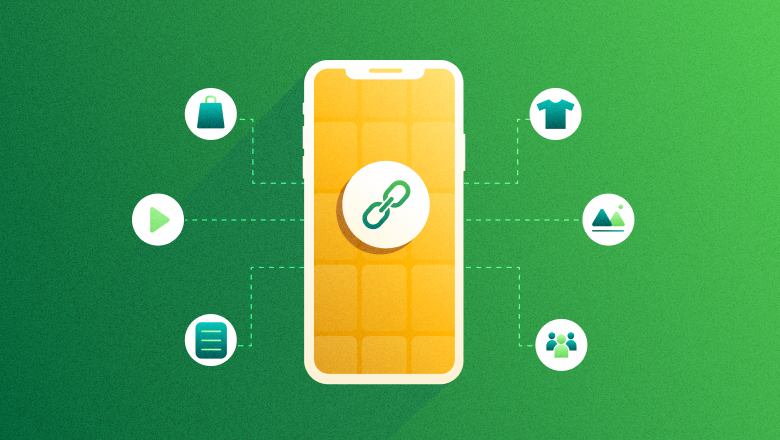
For a brand posting multiple times a day, a single static link is insufficient. If a company promotes a new product in the morning, a blog post in the afternoon, and an event signup in the evening, a static bio link forces the social media manager to manually update the URL constantly—or risk losing traffic to outdated destinations.
Link-in-bio tools mitigate this by acting as a "middleware" between social platforms and a brand’s digital ecosystem. These services offer a dynamic landing page that hosts a suite of URLs, which can be updated in real-time. This ensures that the link in the bio remains constant, while the destination menu evolves to match the most recent content.
Chronology: From Simple Redirects to Ecosystem Integration
The rise of the link-in-bio category mirrors the professionalization of the creator economy.
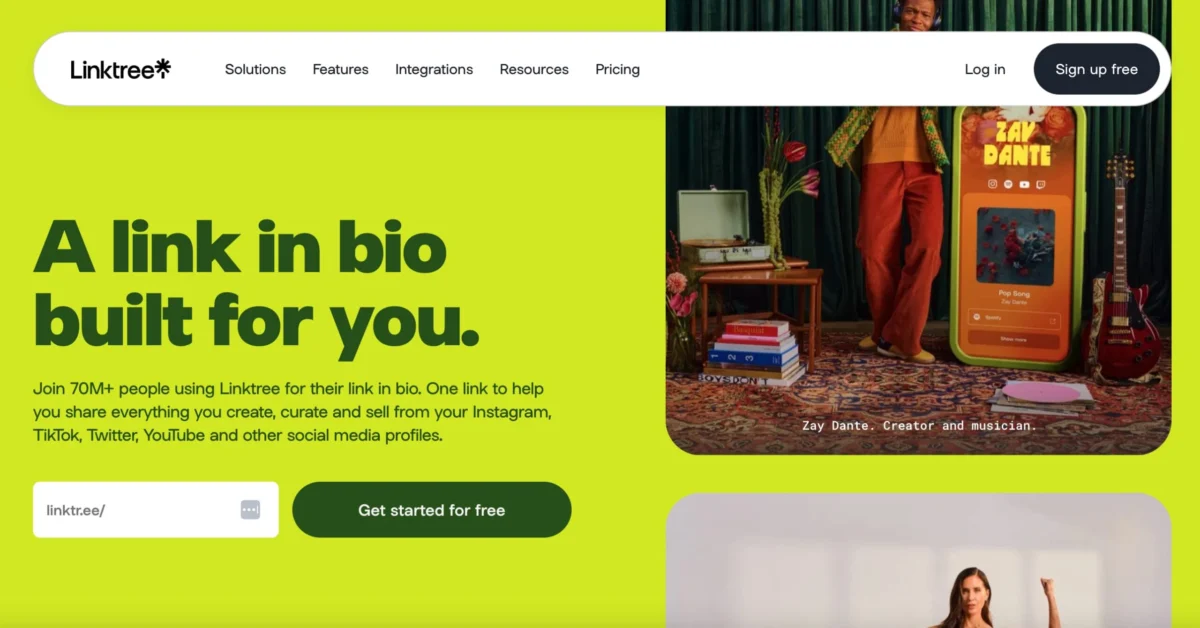
- 2016–2018 (The Emergence): Tools like Linktree pioneered the category, providing a simple, vertical list of links. The focus was purely on navigation.
- 2019–2021 (The Visual Shift): As platforms became more visual, tools like Milkshake and Lnk.Bio introduced grid-based layouts and "mini-website" aesthetics to match the look and feel of Instagram profiles.
- 2022–Present (The Monetization Phase): The current generation of tools, such as Stan Store and Beacons, have pivoted toward "creator commerce." They no longer just redirect traffic; they facilitate transactions, bookings, and data capture directly within the interface.
Market Landscape: Top Tools and Their Strategic Utility
1. Sprout Social (SproutLink)
Best for: Enterprise Workflows
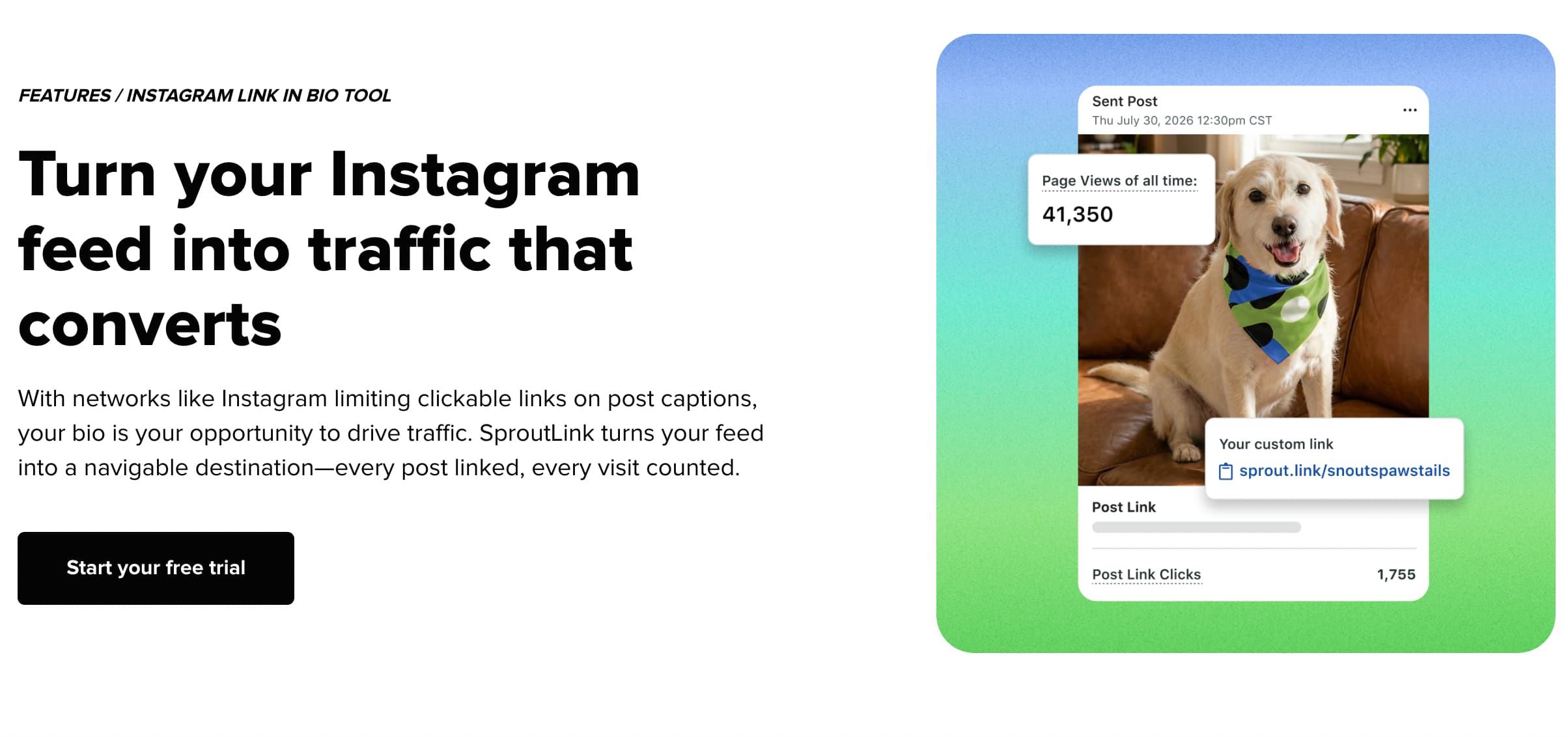
Unlike standalone link tools, SproutLink is an integrated feature within the broader Sprout Social management suite. Its primary advantage is operational efficiency. Because it is baked into the publishing workflow, social teams can attach destination URLs while scheduling posts.
- Implications: This eliminates the "double-handling" of content. Analysis by Sprout Social indicates that users of this integrated approach see an average 17% lift in profile engagement, largely because the landing page can mirror the visual grid of the Instagram feed, reducing user friction.
2. Linktree
Best for: The "Gold Standard" for Solopreneurs
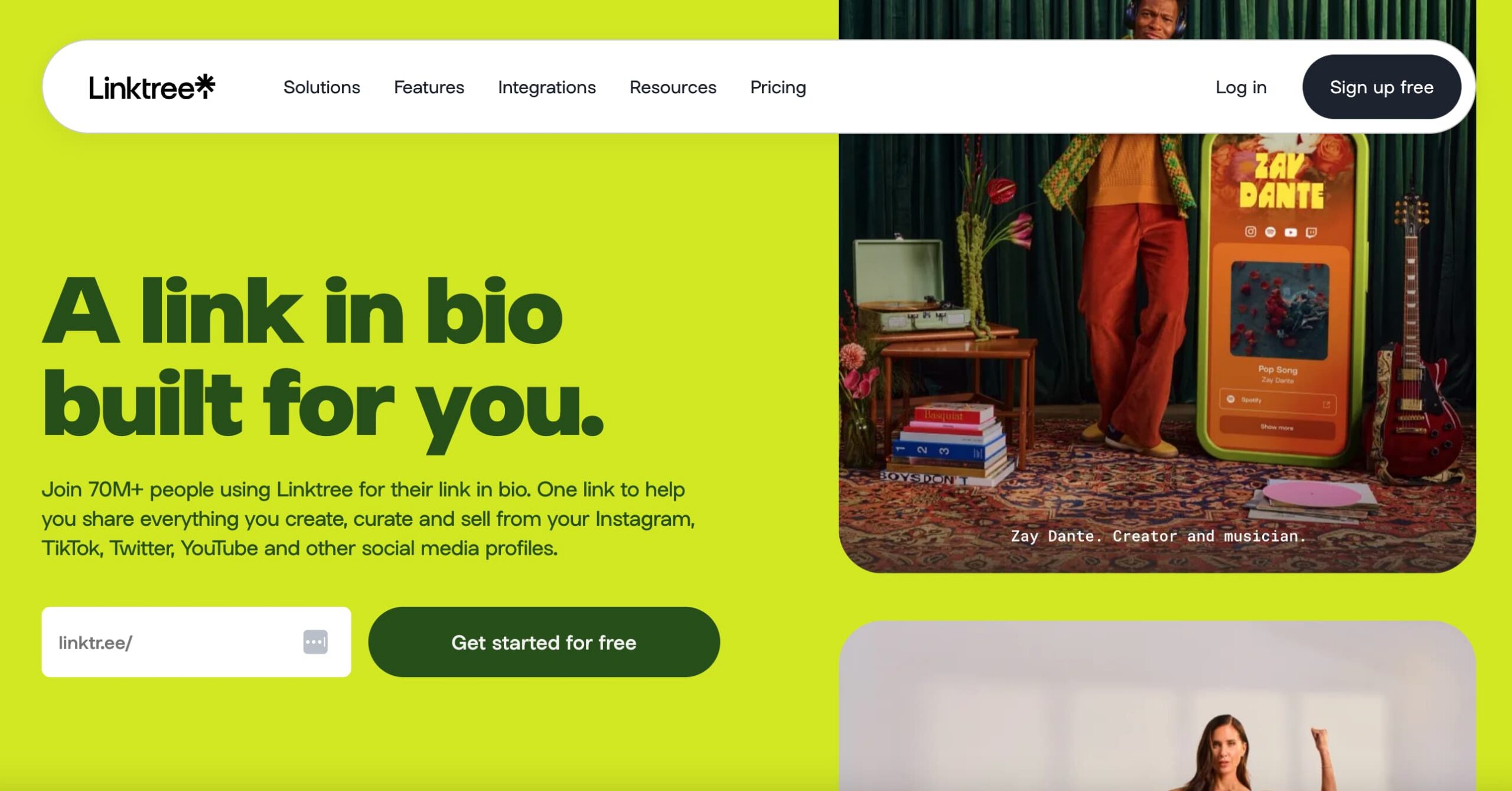
As the progenitor of the category, Linktree remains the most recognizable brand. Its strength lies in its low barrier to entry and robust, no-frills user experience. It is the ideal choice for individuals who require a fast setup without navigating complex CMS dashboards.
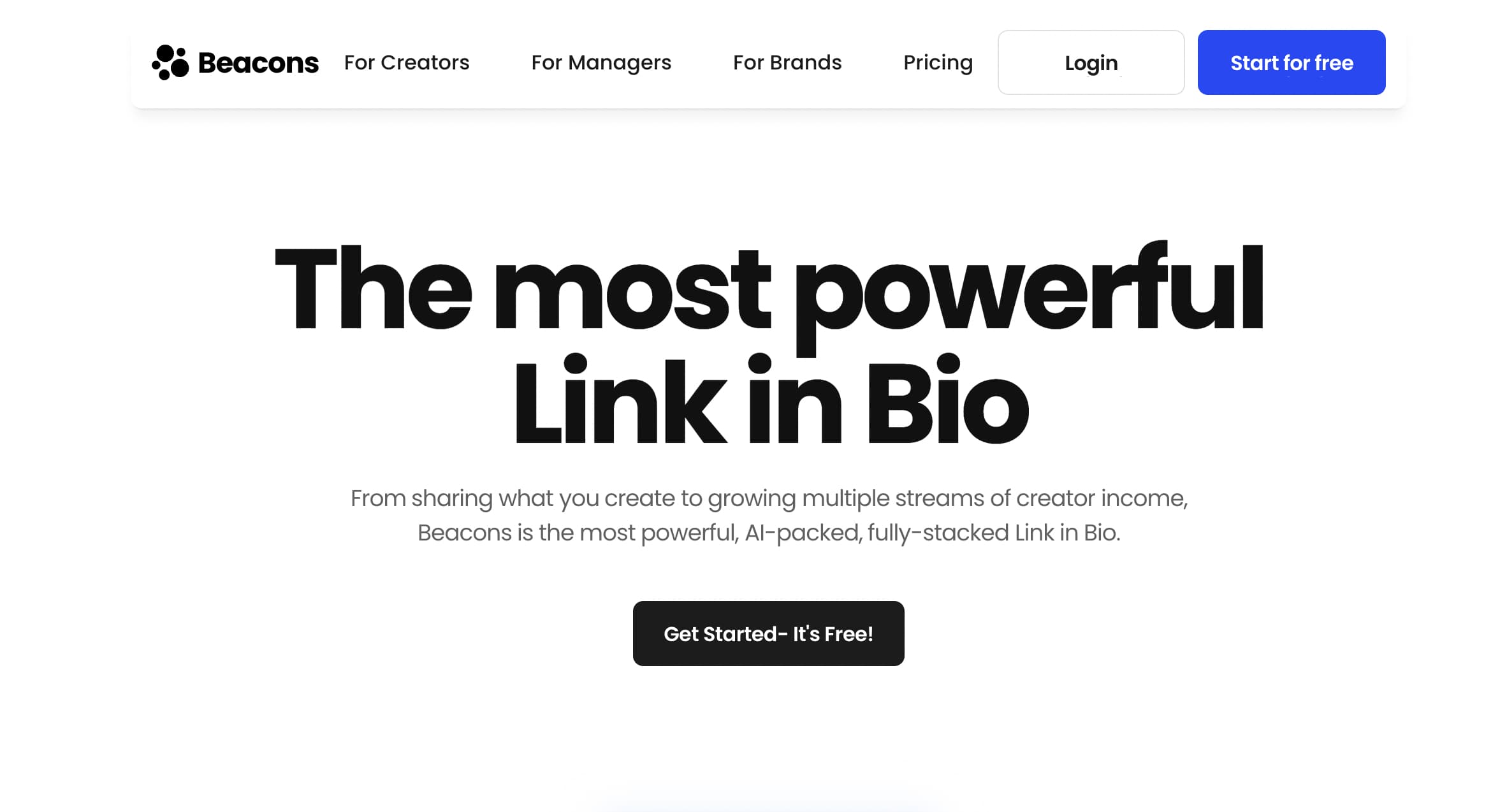
3. Beacons
Best for: Monetization-Focused Creators
Beacons functions as a "creator-commerce suite." Beyond just holding links, it allows users to embed media kits, music players, and product showcases. It is particularly useful for creators whose business model relies on direct-to-fan revenue.
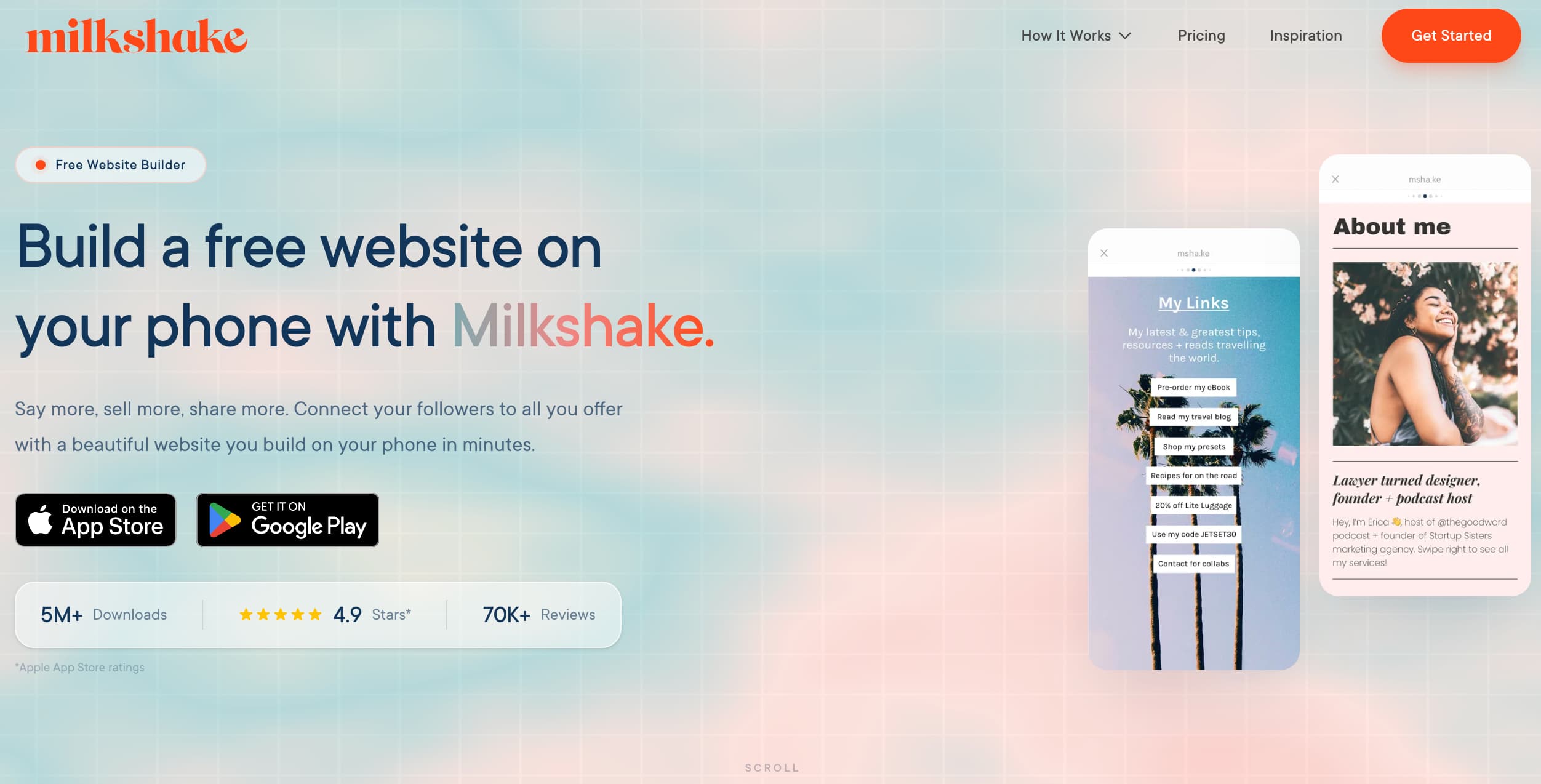
4. Milkshake
Best for: Mobile-Native Aesthetics
Milkshake differentiates itself by focusing on the "Card" metaphor. Instead of a list, it functions as a swipeable, mobile-optimized mini-app. It is highly recommended for beginners who want their bio link to look like a polished, high-end mobile experience rather than a directory.
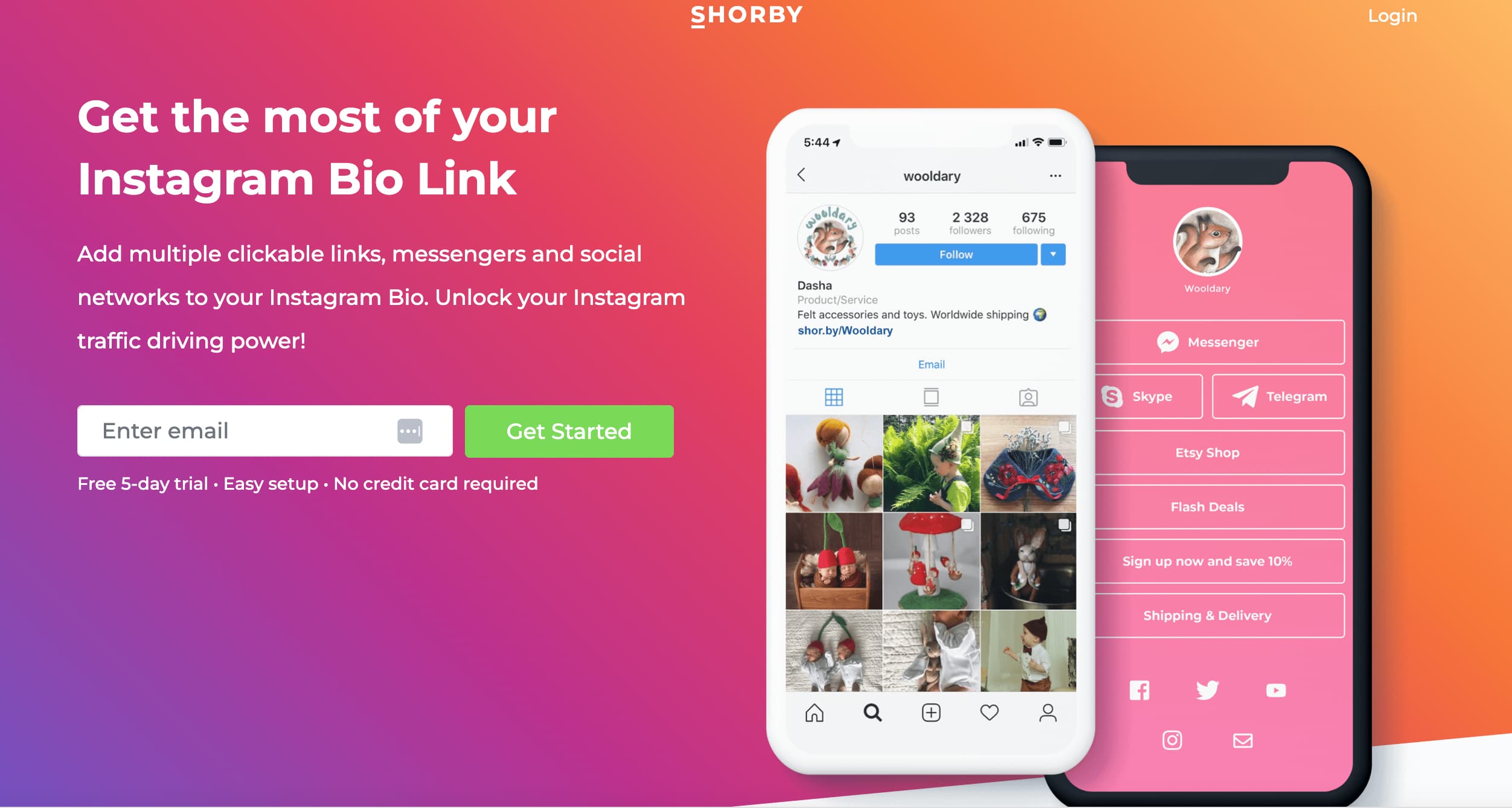
5. Shorby
Best for: Data-Driven Performance Marketers
Shorby excels in tracking. For brands running high-stakes paid campaigns, Shorby’s integration with tracking pixels (such as Meta Pixel) allows for sophisticated retargeting. If your goal is to track the exact ROI of an Instagram post, Shorby provides the granular data necessary to justify marketing spend.
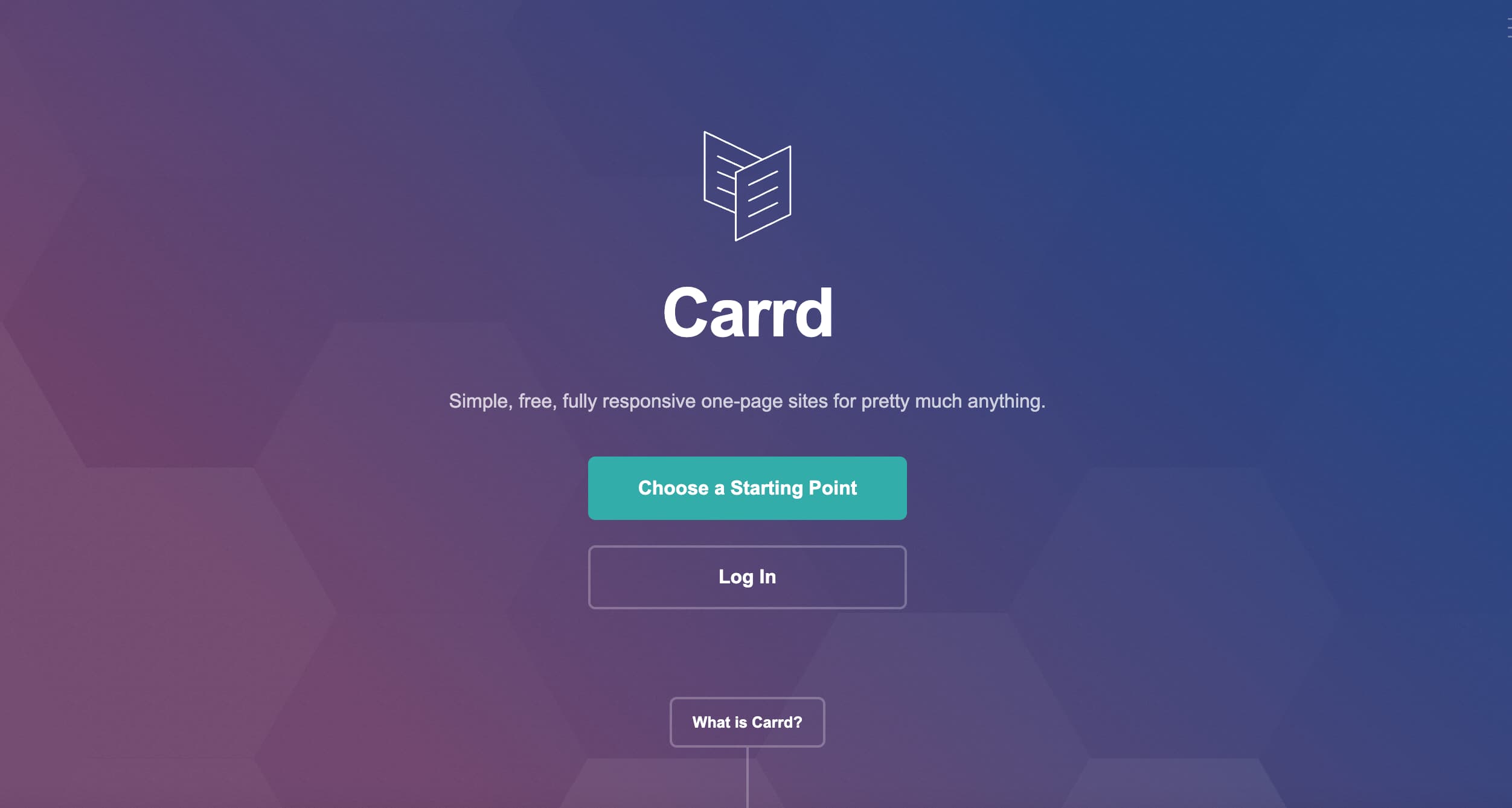
6. Carrd
Best for: Bespoke Design Control
Carrd is a one-page website builder that happens to function as a link-in-bio tool. For designers or brands that find the templates of other services too restrictive, Carrd offers the ability to build from scratch. It is the most flexible option for those with design literacy.
7. Stan Store
Best for: Direct Digital Sales
Stan Store represents the "storefront" evolution of the category. It is optimized for one-tap checkouts, making it a powerful tool for coaches, course creators, and sellers of digital goods. By removing the need for a user to visit an external website to complete a purchase, it significantly reduces cart abandonment.
8. Lnk.Bio
Best for: Simplicity and Affordability
For users who find modern, feature-rich tools bloated, Lnk.Bio remains a functional, streamlined option. It provides exactly what is advertised—a list of links—with an option for a paid upgrade to unlock grid views and UTM tracking.
Data-Driven Decision Making: How to Choose
Selecting the right tool requires an audit of your organization’s specific requirements. We categorize the selection criteria into three primary pillars:
I. Operational Objectives
If your primary goal is driving traffic to blog posts or news, a simple tool like Linktree or Lnk.Bio is sufficient. However, if you are a commercial brand where every click must correlate to a purchase, the "storefront" capabilities of Stan Store are non-negotiable.
II. Team Scalability
Larger organizations must consider the "publishing friction." A standalone link-in-bio tool requires a separate login and a manual update every time a post goes live. In contrast, SproutLink is superior for larger teams because it keeps the link-in-bio update tethered to the content calendar, ensuring that the team never forgets to update the destination URL.
III. Budget and Analytics
While "freemium" models exist across the board, they often come at the cost of data. Advanced tracking—the ability to see exactly who clicked what and when—is usually gated behind a paid subscription. For marketing departments, the cost of a paid subscription is often offset by the ability to optimize ad spend based on the superior click-through data provided by tools like Shorby.
Official Perspectives: The Future of the "Social Storefront"
Industry experts agree that the link-in-bio is not a temporary trend but a permanent fixture of social commerce. As social media platforms continue to refine their internal shopping experiences, the need for a "central hub" that the brand actually owns becomes even more critical.
"Relying solely on platform-native tools is a mistake," notes one digital strategist. "The link-in-bio page is one of the few pieces of real estate on social media that the creator controls. If a platform algorithm changes or an account is restricted, the landing page remains a reliable home for your community and your revenue streams."
Implications for Future Strategy
The data suggests that the "one-link-fits-all" approach is dead. The future of social media marketing is increasingly granular. Brands should look to implement:
- Direct Integration: Prioritize tools that connect directly to your social media management platform to reduce manual labor.
- Conversion Path Analysis: Use tools that support UTM parameters to track the customer journey from the social post to the final checkout.
- Branding Consistency: Ensure your link-in-bio landing page uses the same brand identity (fonts, colors, voice) as your main website to build user trust.
Ultimately, the link-in-bio tool serves as a bridge. Whether you are an influencer selling digital coaching or a multinational brand launching a new campaign, the tool you choose defines the efficiency of that bridge. By aligning your chosen tool with your specific commercial goals—be it traffic, sales, or data collection—you transform a social media limitation into a measurable competitive advantage.