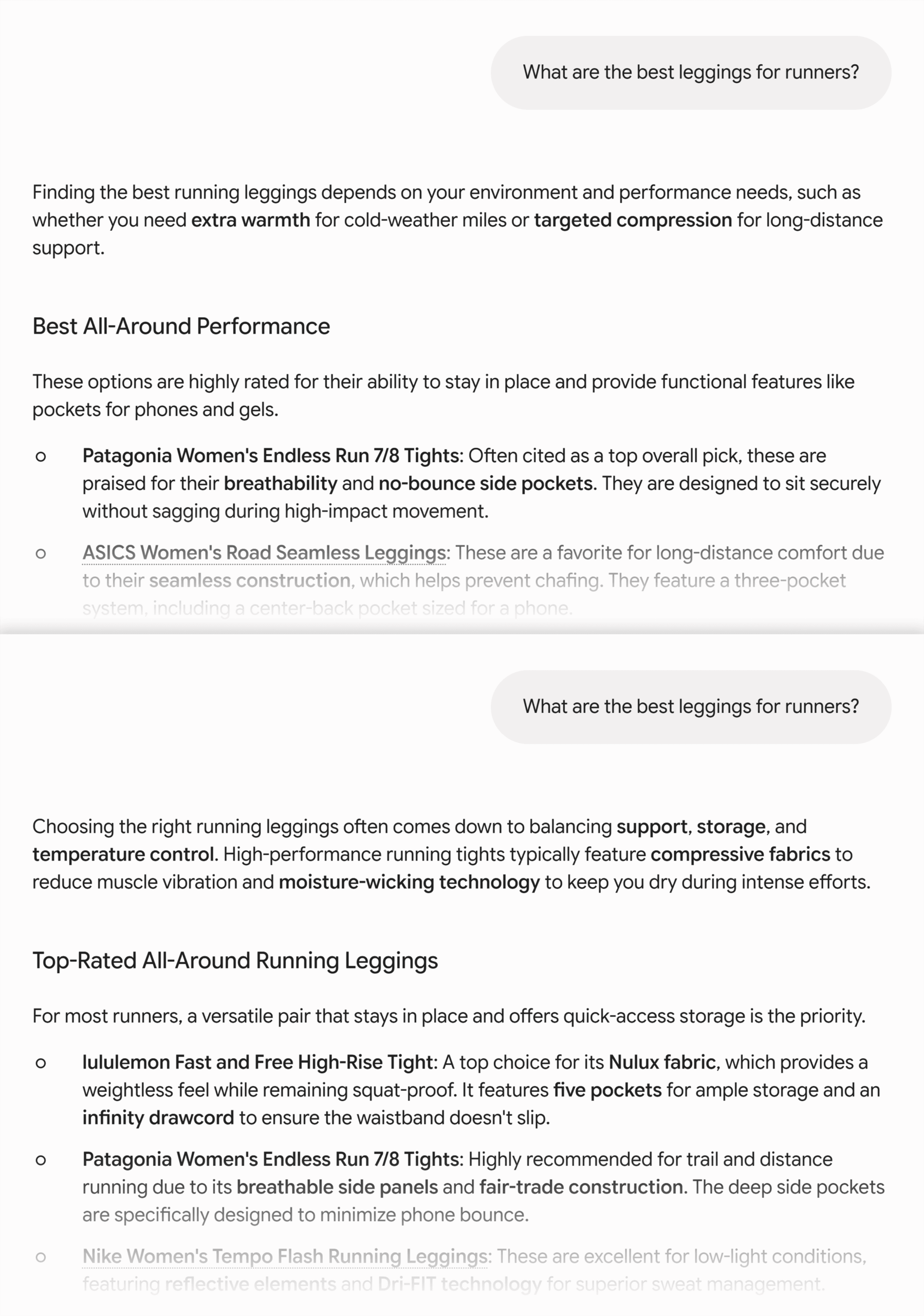
In the modern digital landscape, ranking #1 on Google is no longer the final frontier of search visibility. You could hold the top organic spot for every relevant keyword and still be effectively invisible to the millions of users relying on Large Language Models (LLMs) like ChatGPT, Claude, and Gemini to navigate their buyer journeys.
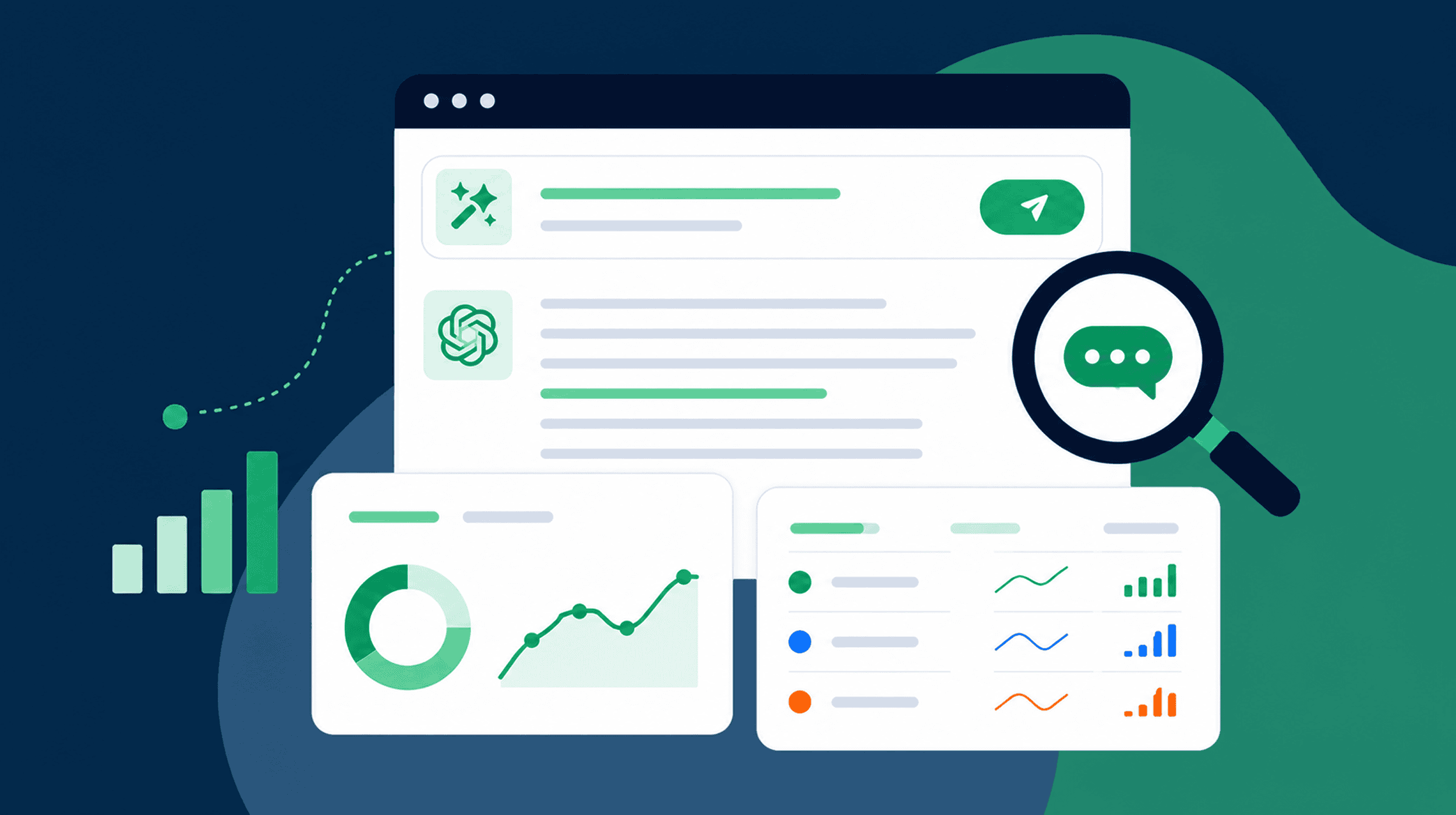
If your brand is absent from the conversations customers are having with AI, or worse, if you are appearing with outdated, inaccurate, or misrepresented information, your sales pipeline is suffering—and without a dedicated system to track this, you would never know.
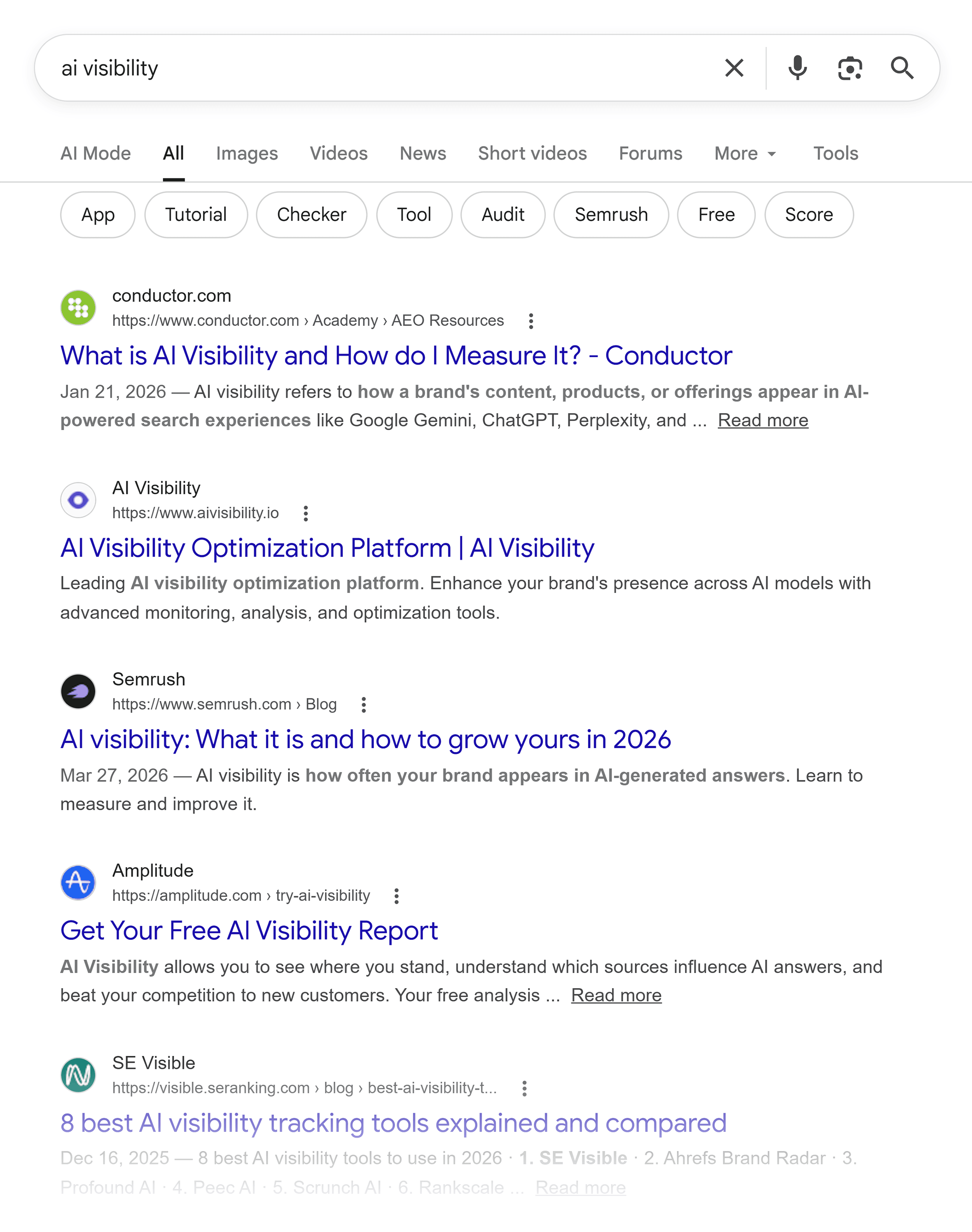
The Shift from Blue Links to Conversational Intelligence
Traditional search engine optimization (SEO) has long been anchored to the Search Engine Results Page (SERP). When we talk about "rank tracking," we are asking a static question: "How close are we to position 1?"
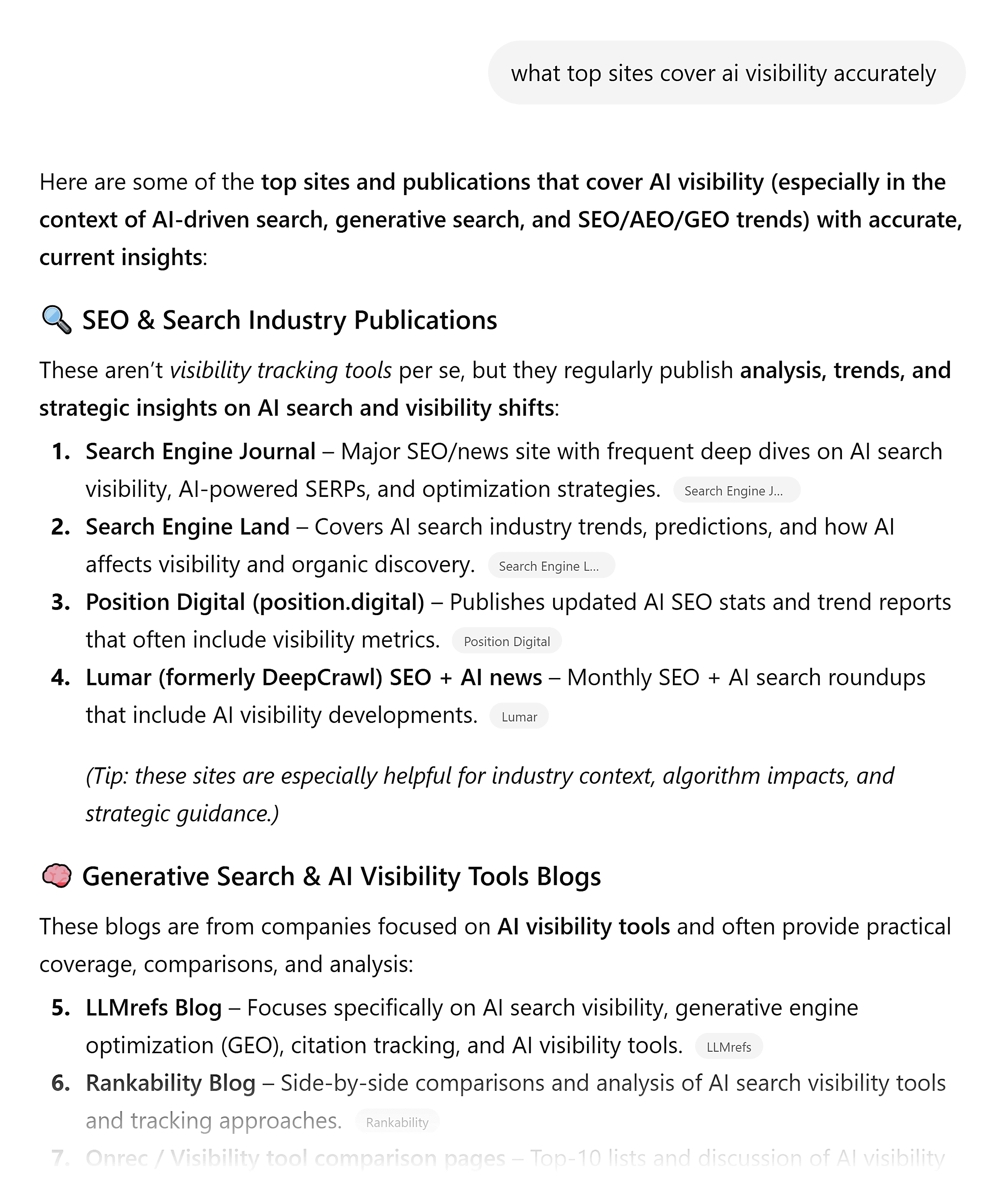
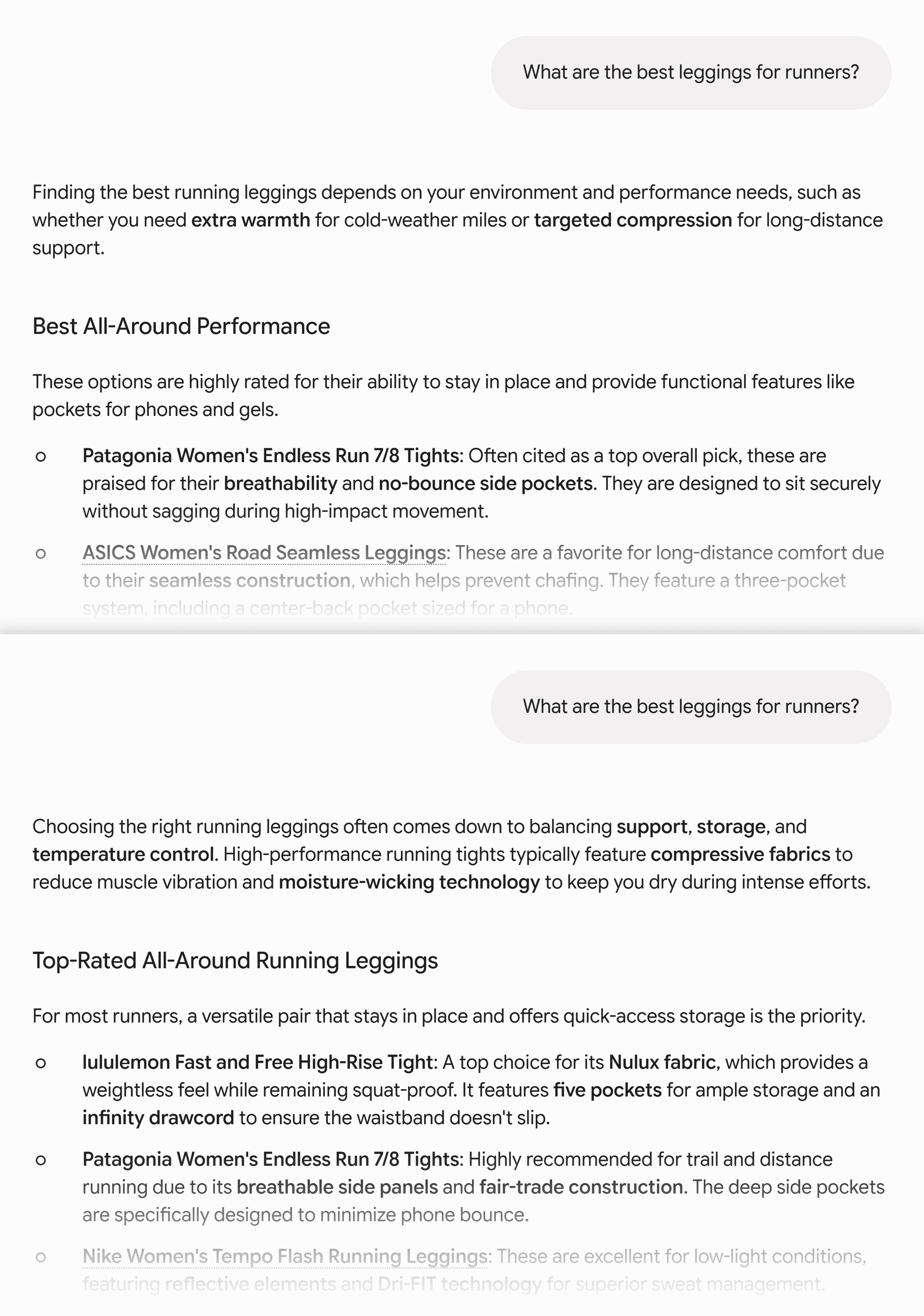
However, LLMs do not operate on a static list of 10 blue links. They act as synthesis engines, pulling from vast datasets to generate unique, tailored responses in real-time. Because these models are non-deterministic, the same user can ask the same question twice and receive two entirely different answers.
In this new paradigm, being mentioned first matters less than being mentioned accurately and consistently to the right people. This is where prompt tracking—or LLM visibility tracking—becomes an essential component of the modern marketing stack.
Why Brands Must Adopt Prompt Tracking
According to the 2026 AI-Search Adoption Survey, 55% of internet users now rely on AI as their primary or frequent research tool. More tellingly, 32% of those users rely on AI specifically for product recommendations.
The implication is clear: A significant and growing share of your target market is forming their purchase intent inside AI tools, often without ever clicking through to your website.
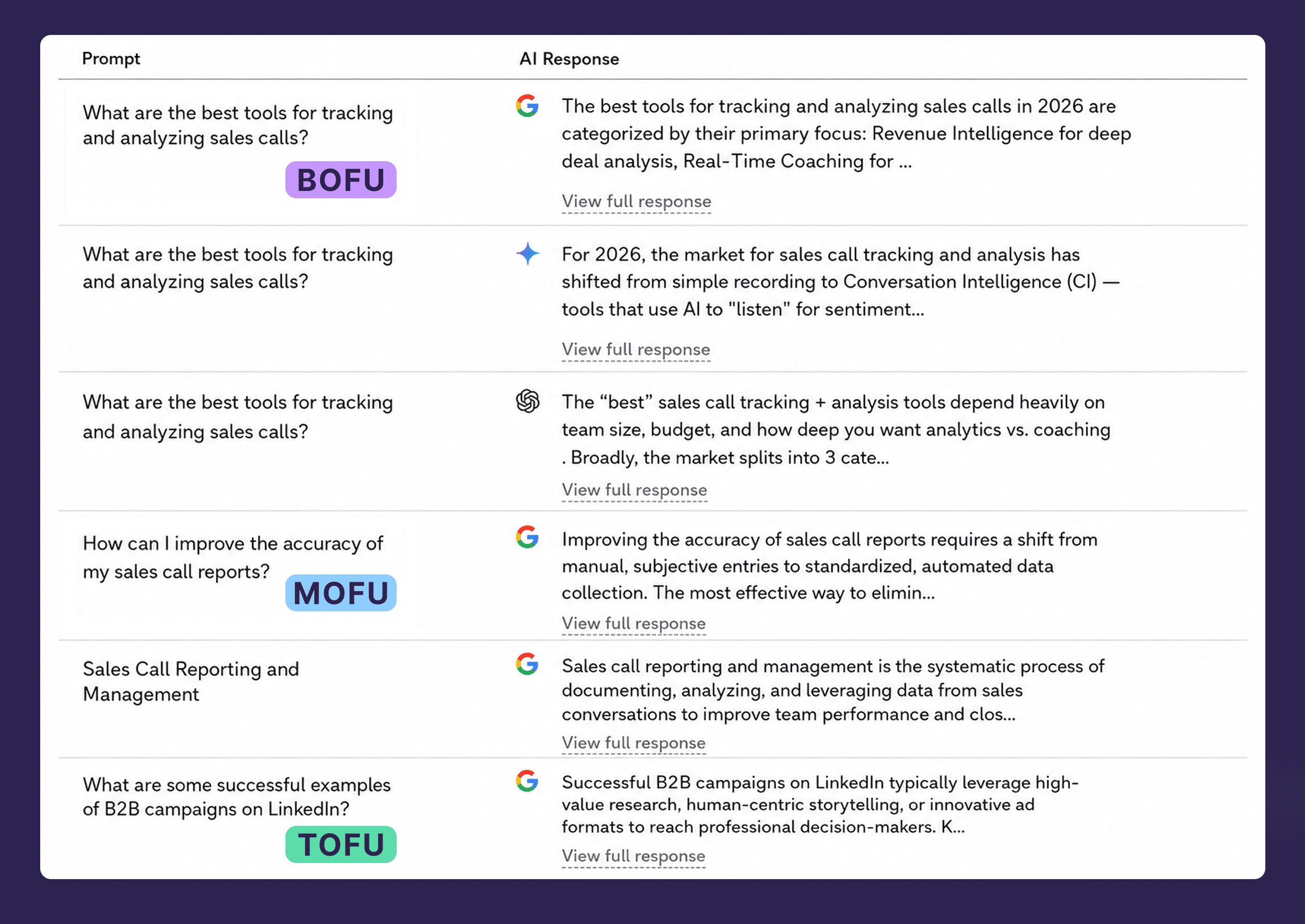
What Prompt Tracking Reveals
Prompt tracking is the practice of monitoring your brand’s presence in AI answers over time through mentions and citations. It allows you to move beyond "vanity" metrics and understand:
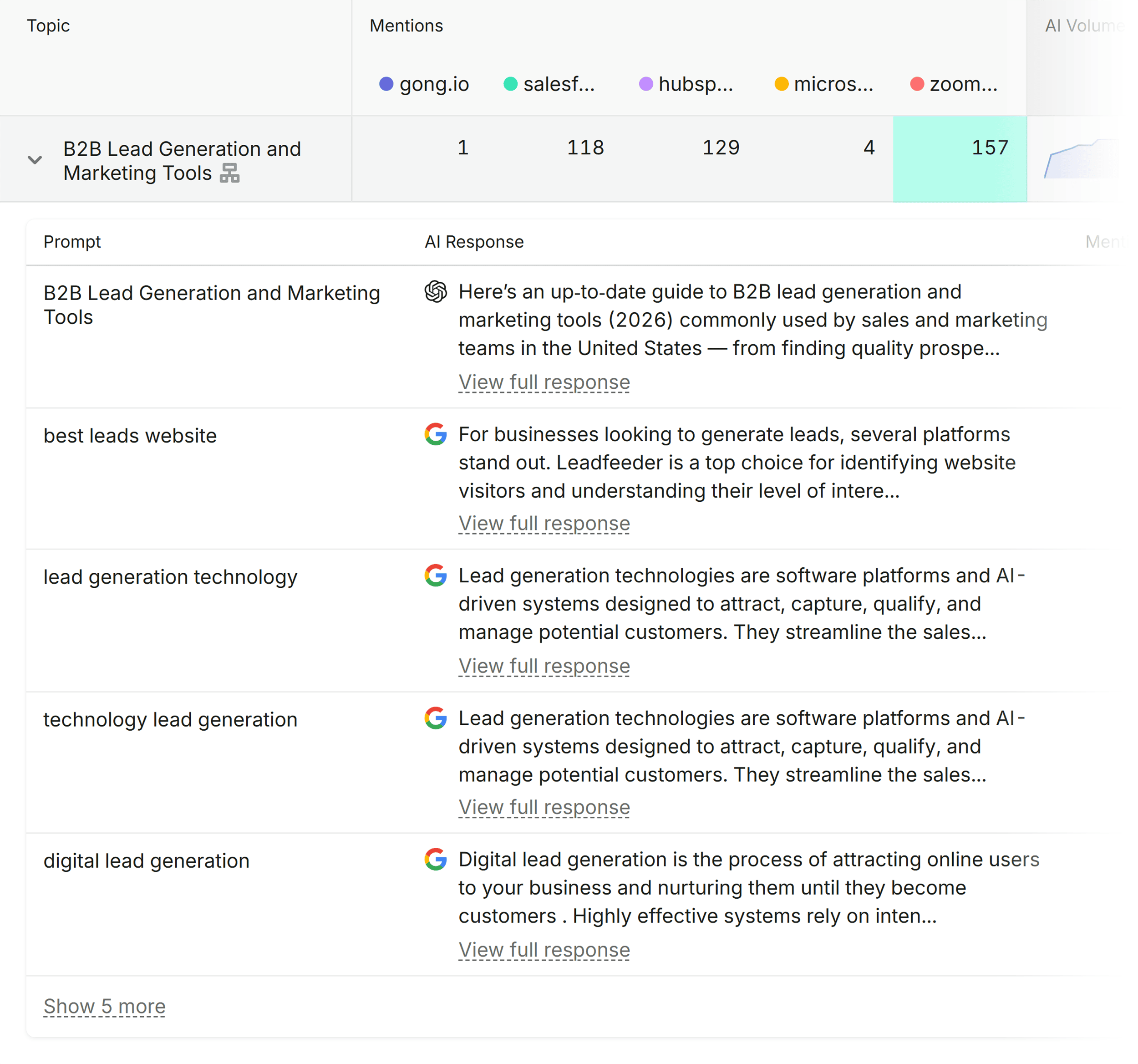
- Gap Analysis: Which high-intent queries are you consistently missing?
- Sentiment Accuracy: When you are mentioned, is the AI describing your product correctly?
- Competitive Encroachment: Are your competitors "owning" the narrative in AI answers while you remain silent?
- Citation Integrity: Are you being cited as a trusted source, or are your competitors stealing the spotlight in the AI’s recommendation panel?
The Anatomy of an Effective Prompt Set
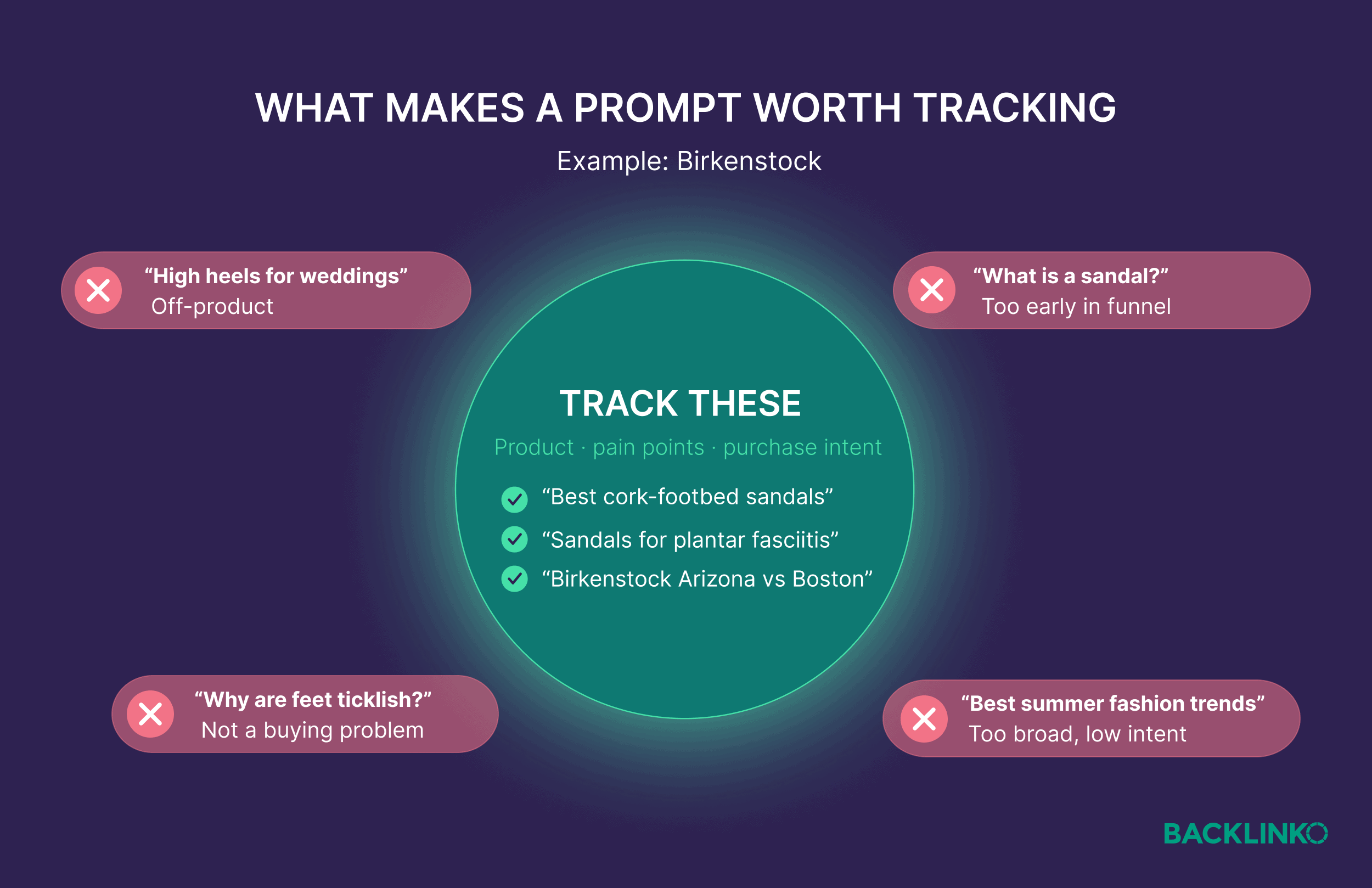
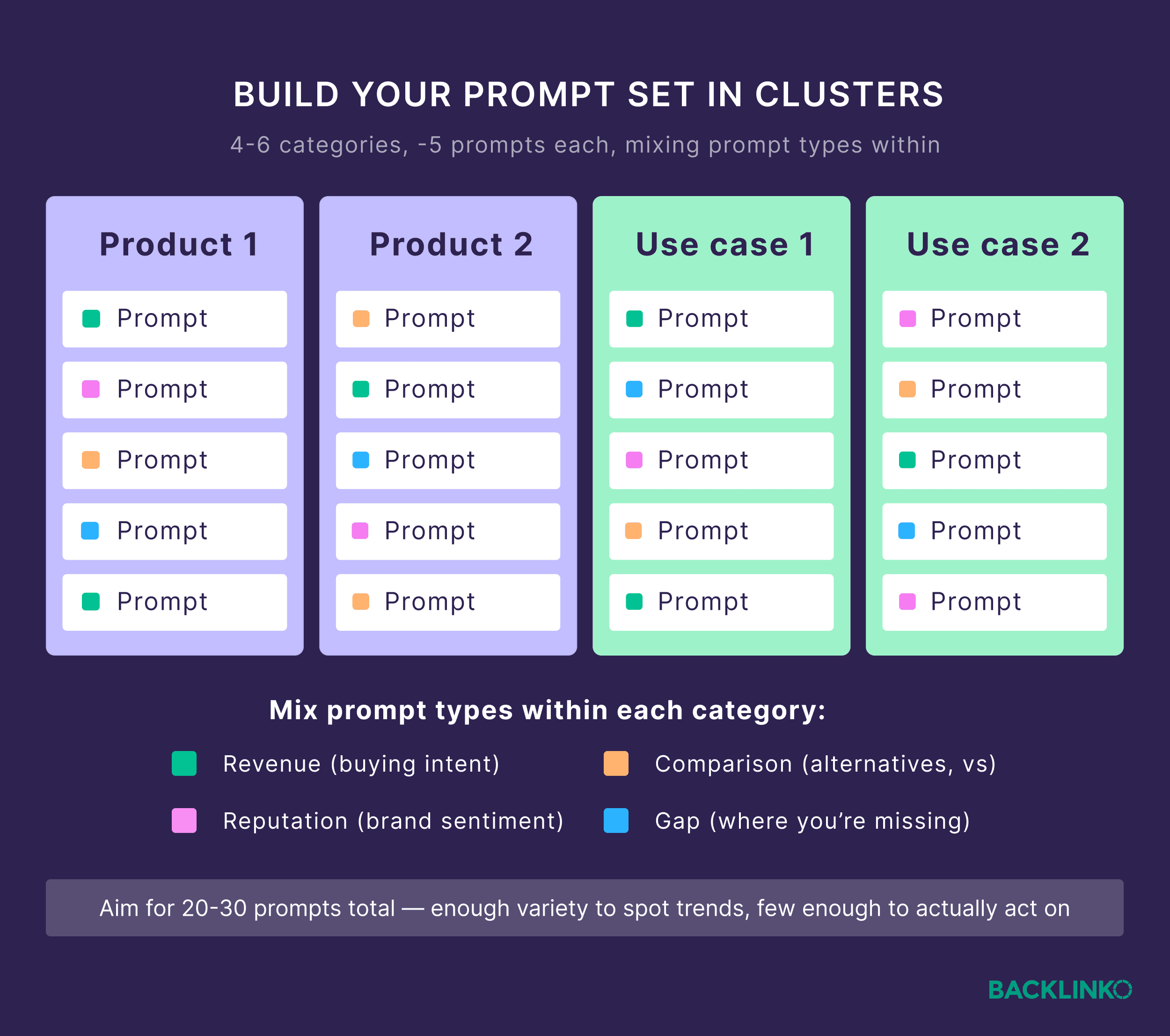
Brands often make the mistake of trying to track every possible query. This leads to data paralysis. Instead, effective prompt tracking should map directly to your product offering, audience pain points, and critical moments near the point of purchase.
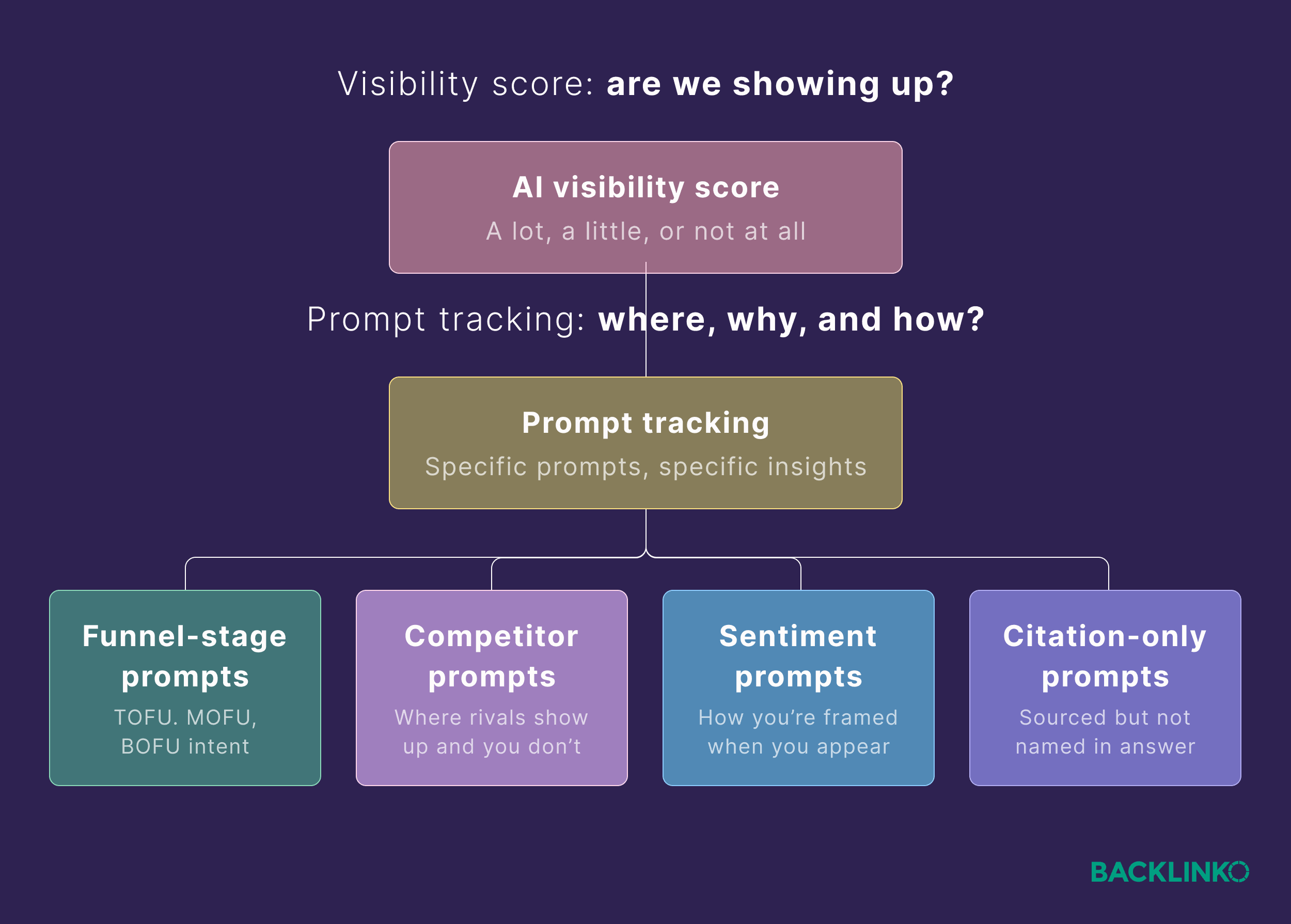
Four Types of High-Value Prompts
- Evaluation Prompts: Queries like "Best sales enablement software for enterprise teams." These are your bread and butter for lead generation.
- Comparison Prompts: Queries like "Brand A vs. Brand B." If you aren’t winning these, you are losing the final stage of the buyer’s journey.
- Reputation/Sentiment Prompts: Queries like "Is [Brand] worth the price?" These reveal the AI’s "opinion" of your value proposition.
- Constraint-Based Prompts: Queries that include specific limitations (e.g., "Best video doorbell with no monthly fees"). These help you see how well you rank for specific feature sets.
Step-by-Step: How to Build Your Tracking System
You don’t need a massive budget to start tracking; a spreadsheet and 30 minutes a week can provide immediate, actionable intelligence.
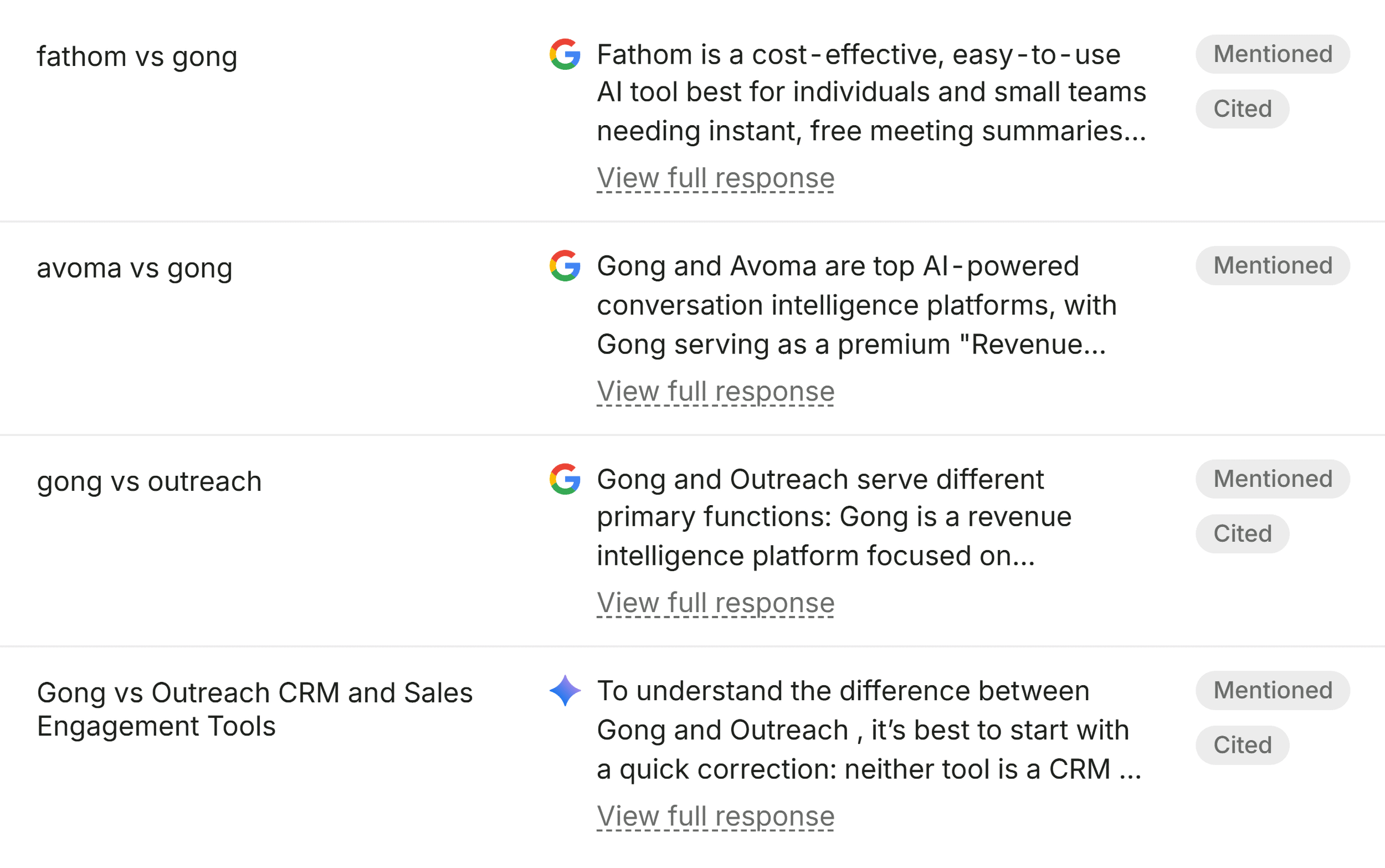
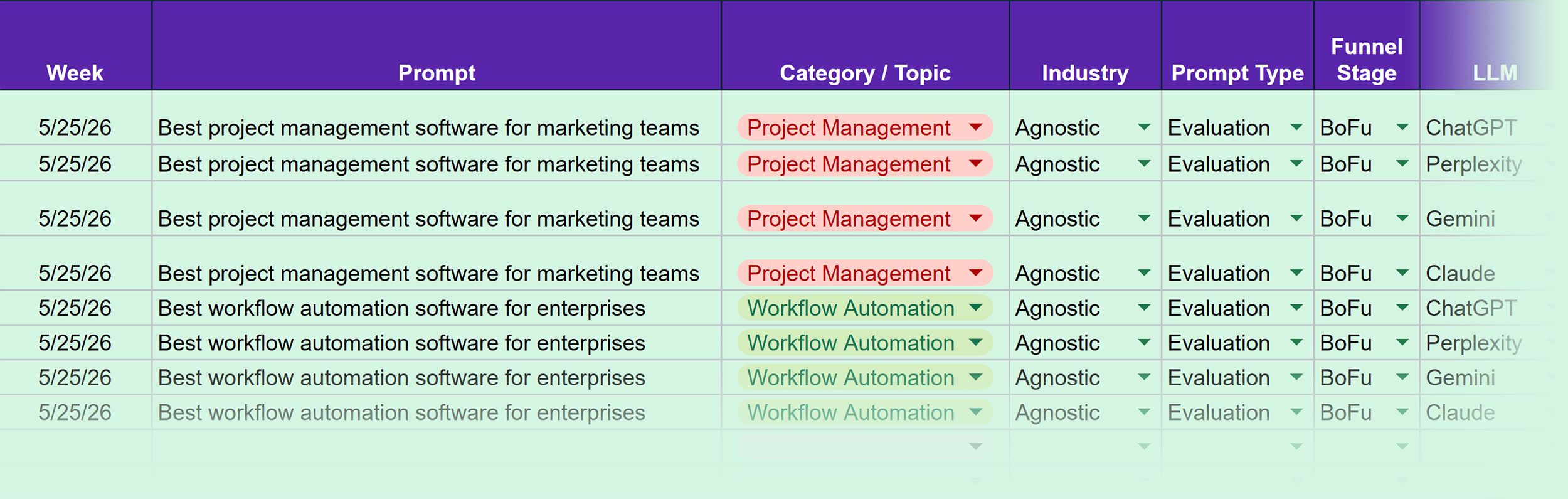
1. Set Up Your Tracking Sheet
Create a document that tracks:
- The Prompt: The specific question being asked.
- The LLM: (e.g., ChatGPT, Gemini, Perplexity).
- The Result: Was your brand mentioned? Was it recommended?
- Citation Quality: Did the AI link to your site or a third party?
- Competitor Presence: Which brands appeared alongside you?
2. Run Prompts Across Multiple Platforms
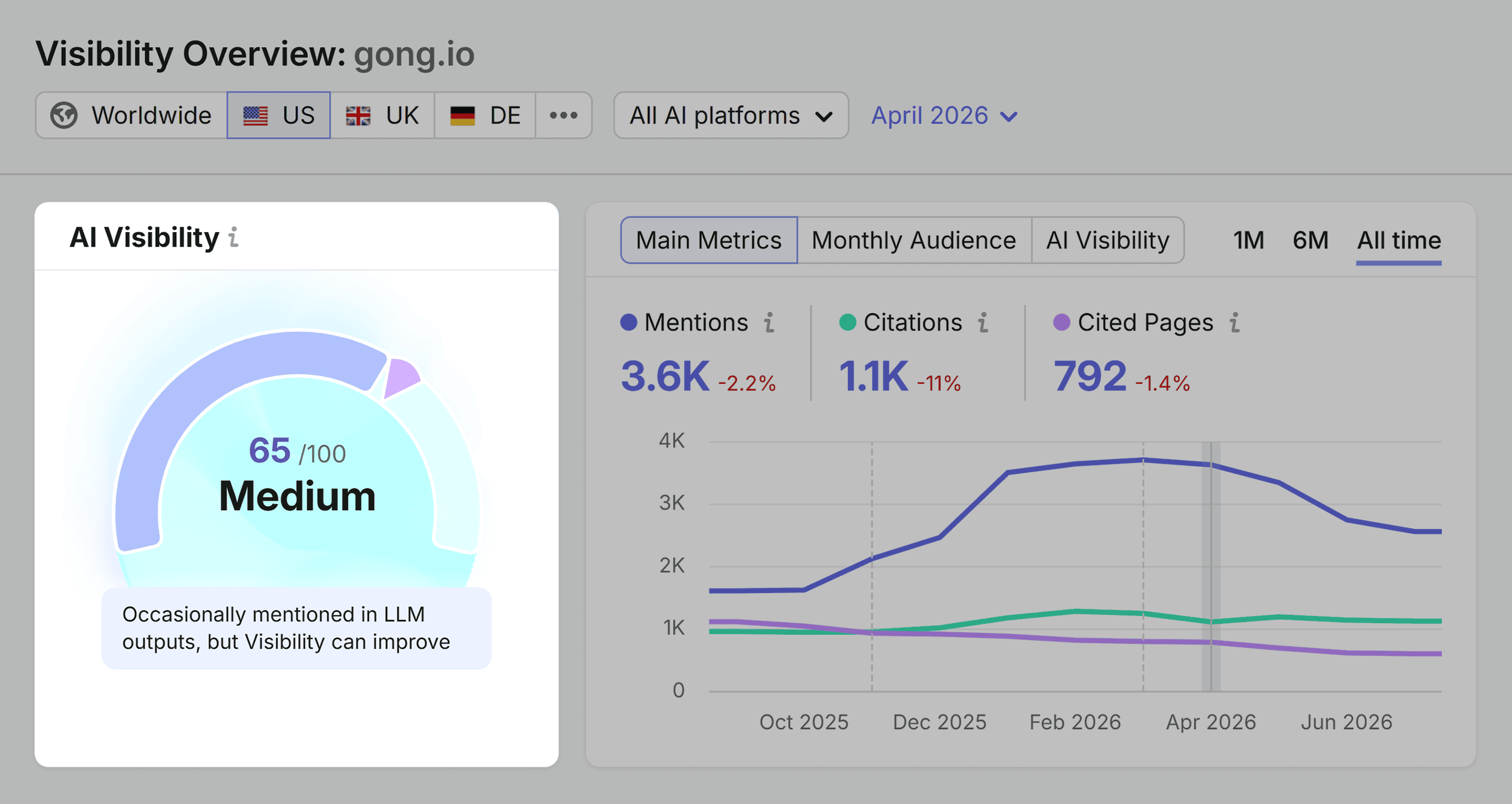
Because different models have different training data and RAG (Retrieval-Augmented Generation) sources, you must test across the ecosystem. If your budget permits, using automated tools like Semrush’s AI Visibility dashboard can provide real LLM prompt volume data, saving you hours of manual querying.
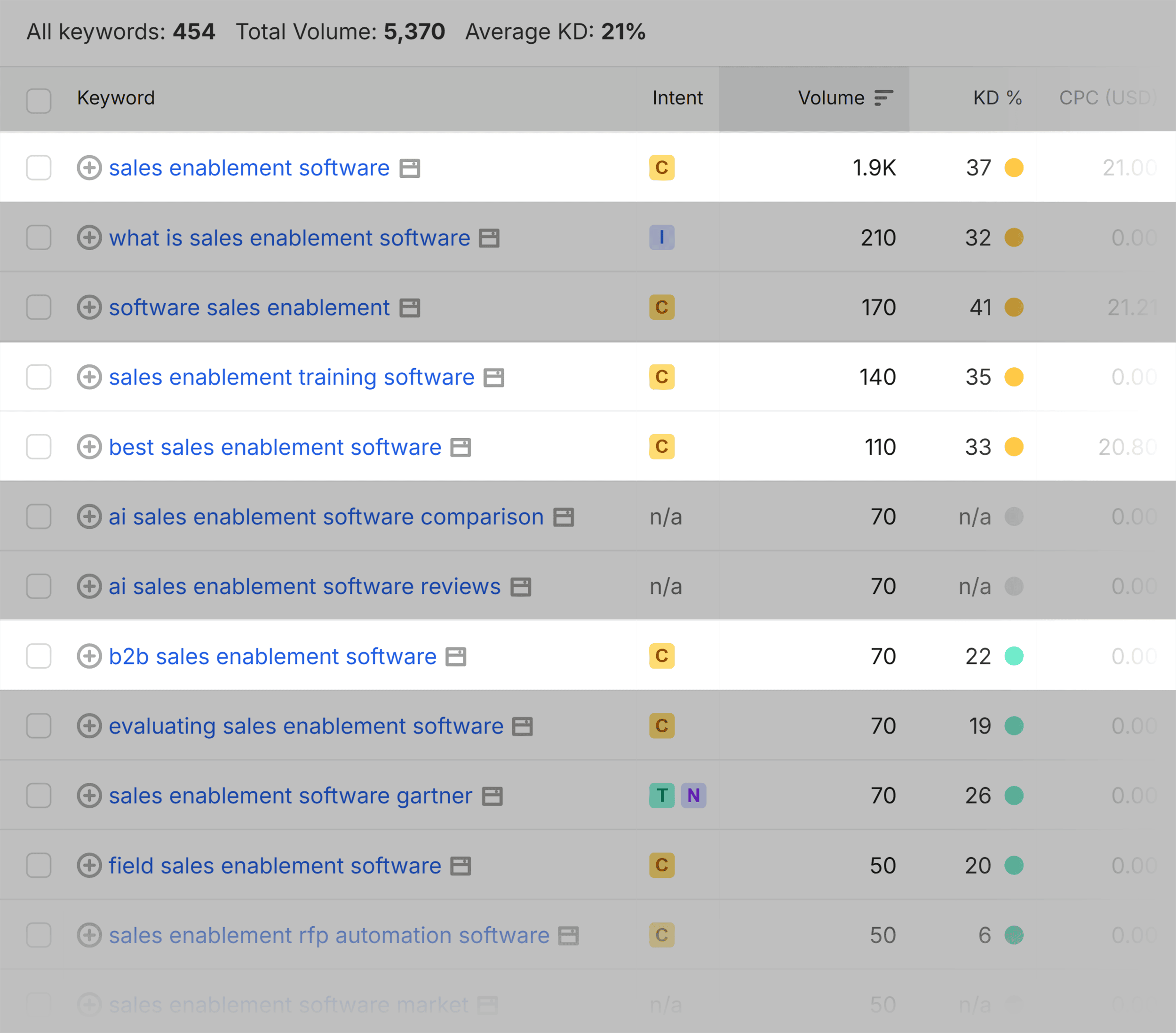
3. Track Weekly, Act Monthly
AI answers are fluid. A single week of low visibility is not a trend; it is noise. However, four consecutive weeks of missing from a core category is a clear signal that your content, or your third-party authority, needs an audit.
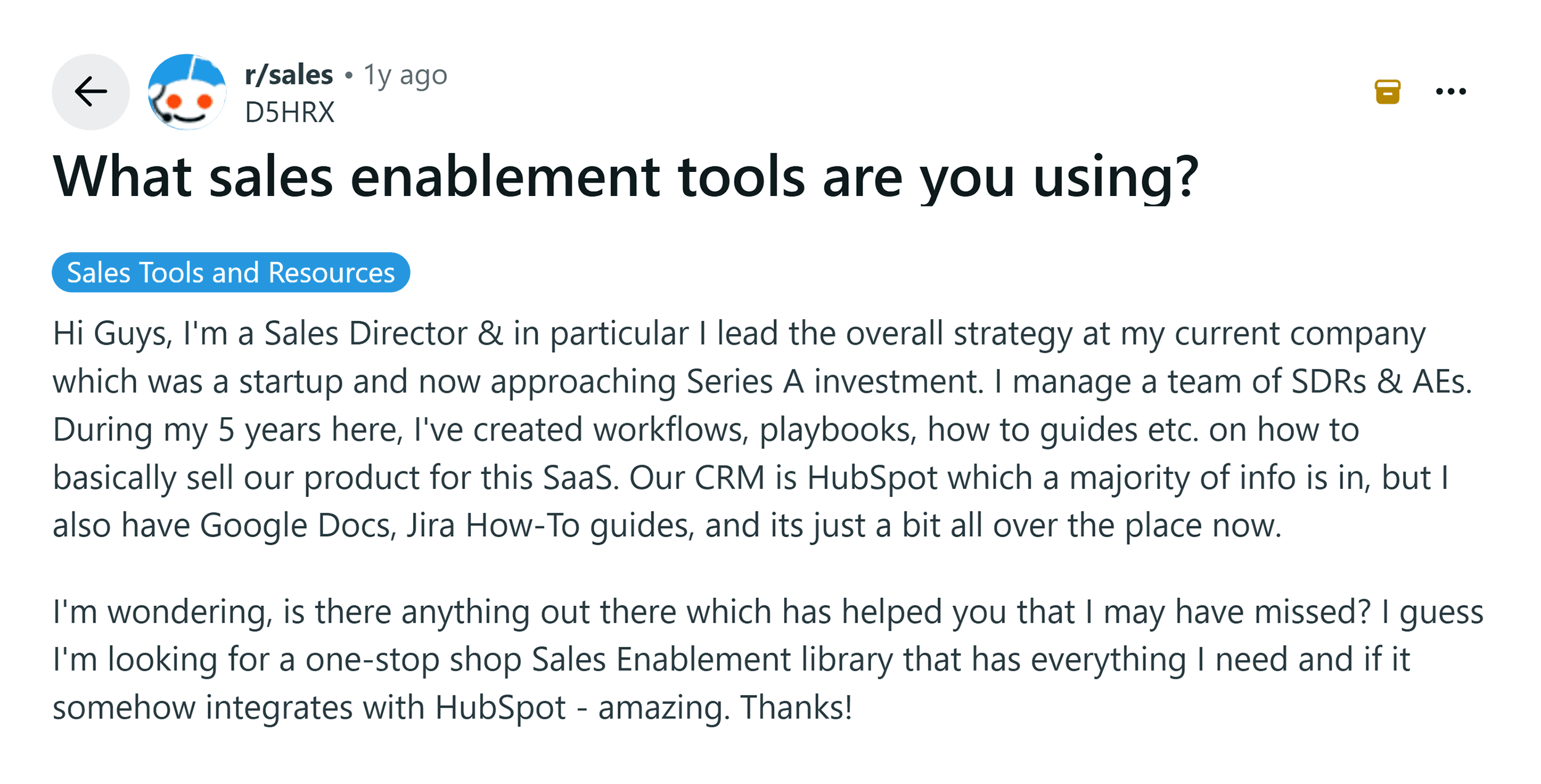
Interpreting the Data: From Signals to Strategy
When you see a dip in AI visibility, the knee-jerk reaction is to produce more content. This is often the wrong move.
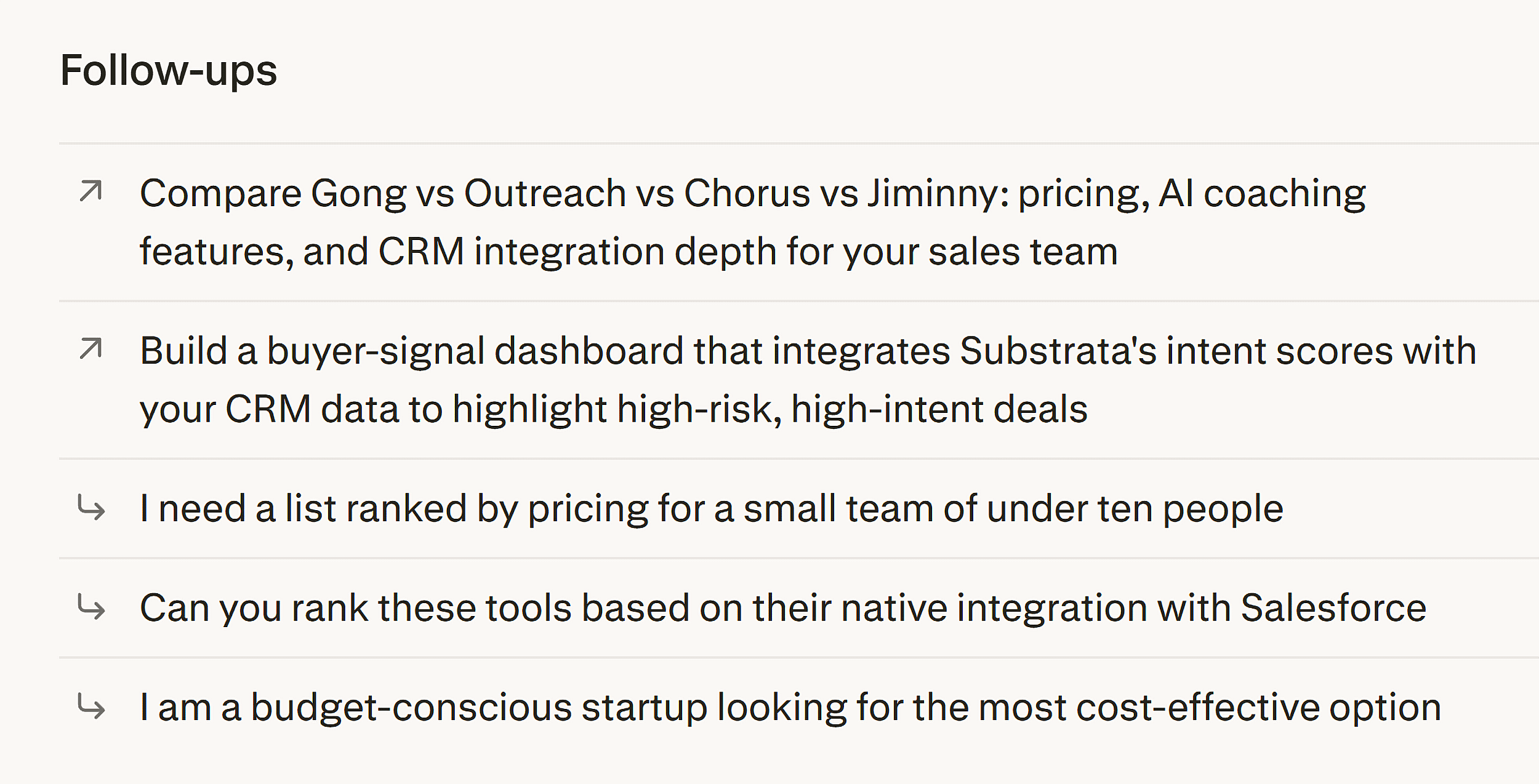
When to Take Action
- Consistent Declines: If your "ghost ranking" count (where you are cited but not recommended) increases, it is time to audit your presence on the third-party sites the AI is favoring. If the AI is citing G2, TechRadar, or Reddit, ensure your profiles and product information on those platforms are current and compelling.
- Source Trust: If you see specific third-party sources (e.g., a specific trade publication) cited consistently, prioritize your PR and outreach efforts toward those outlets.
Common Pitfalls and Misreads
Avoid the temptation to treat branded queries (e.g., "What is [Your Brand]?") as evidence of success. Of course the AI will mention you—it’s in the prompt. Focus your tracking on non-branded, category-based queries where you have to earn your spot.
The Future of Visibility
Prompt tracking is not a scoreboard; it is a compass. As the search landscape continues to evolve toward generative synthesis, the brands that win will be those that treat AI transparency as a core business function.
By identifying the gaps in your AI presence, auditing your third-party authority, and consistently monitoring the "conversation" surrounding your category, you can ensure that when your customers ask for a solution, the AI recommends you.
Start today: Identify 20 high-value prompts, run them through your top three LLMs, and document the results. You will likely find that the road to AI visibility is shorter than you think—provided you know exactly where the map is broken.