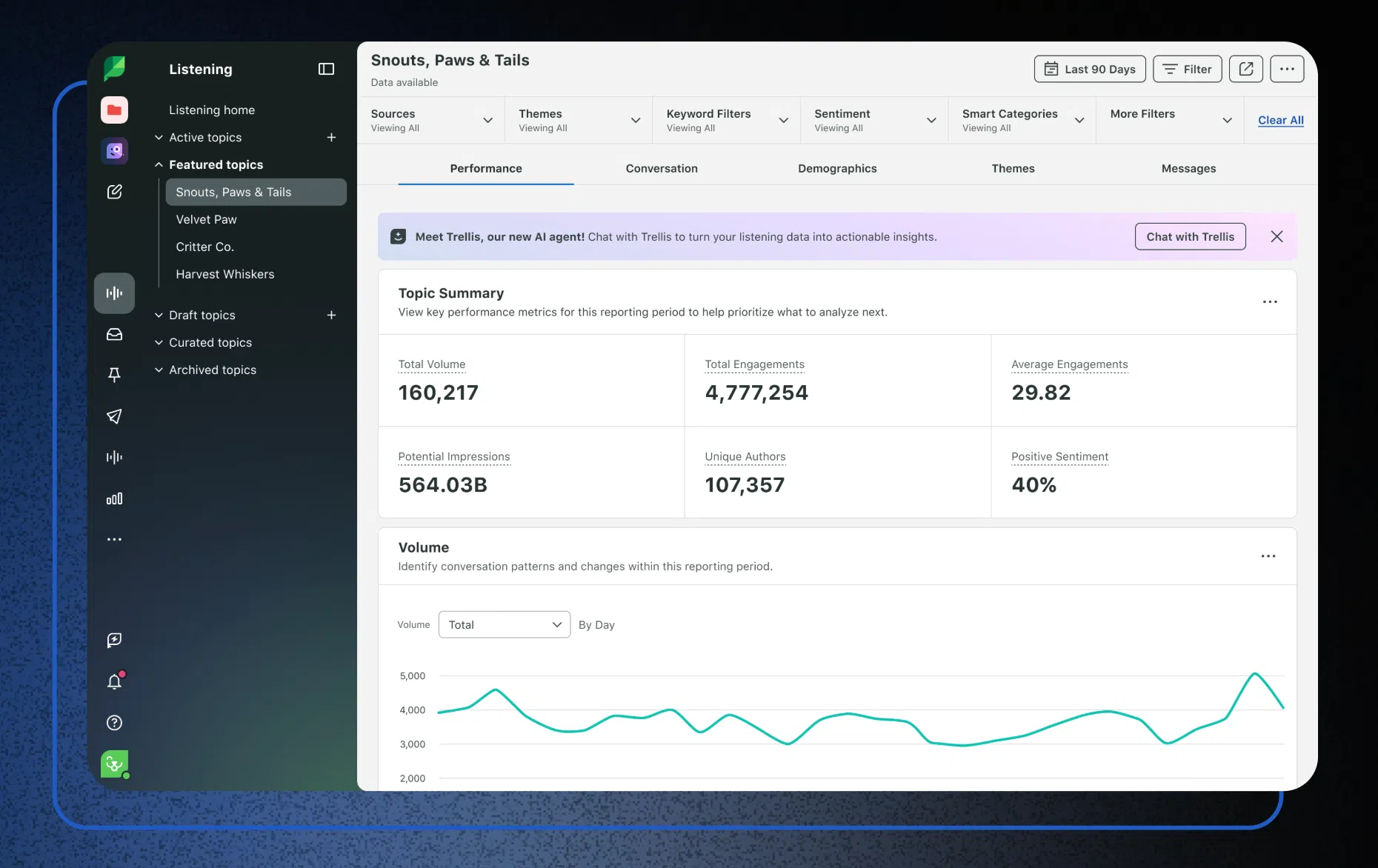
For over a decade, Brandwatch has stood as a titan in the social intelligence space, offering a depth of data that made it the go-to choice for enterprise-level market researchers. However, as the digital landscape accelerates, the requirements for social teams have shifted. Today’s marketers are no longer content with just "listening"—they demand a seamless bridge between data collection and execution.
As of 2026, a growing number of organizations are finding that while Brandwatch remains a formidable tool, its complexity and price point often create a "silo effect," separating the data analysts from the creative teams on the ground. This shift has triggered a migration toward platforms that prioritize workflow integration, AI-driven speed, and intuitive user experiences.

The Shifting Landscape of Social Intelligence
The primary friction point for many organizations is the "complexity tax." Brandwatch’s sophisticated architecture requires significant training, often demanding a dedicated team of power users to extract actionable insights. In a fast-paced market where social trends can emerge and vanish in a matter of hours, the delay between gathering data and executing a campaign can be the difference between a viral success and a missed opportunity.
Teams are increasingly moving toward solutions that integrate listening directly into their publishing and engagement workflows. The consensus among industry leaders is that listening should not be an isolated, periodic reporting exercise; it must be an "always-on" function that directly informs the next piece of content scheduled in the calendar.

Why Teams are Making the Switch
The decision to migrate away from a legacy platform is rarely impulsive. It is typically driven by four core factors:
1. The Learning Curve
Sophistication often comes at the cost of accessibility. For smaller or mid-market teams, the time investment required to become proficient in a platform like Brandwatch is significant. When team members are forced to spend more time learning the tool than actually applying the data, the ROI of the software inevitably declines.

2. Diminishing Value per Dollar
Cost structures for enterprise tools have become increasingly scrutinized in 2026. If a company pays for an enterprise-grade suite but only utilizes 20% of its deep-dive analytical features, the budget is arguably better spent on tools that offer high-impact, immediate utility.
3. The Need for "Actionable" Insights
Data is only as valuable as the action it prompts. Many users report that legacy platforms provide exhaustive reports but leave the team struggling with the "so what?"—the transition from a data point to a concrete content strategy or crisis response.
4. Integration and AI Connectivity
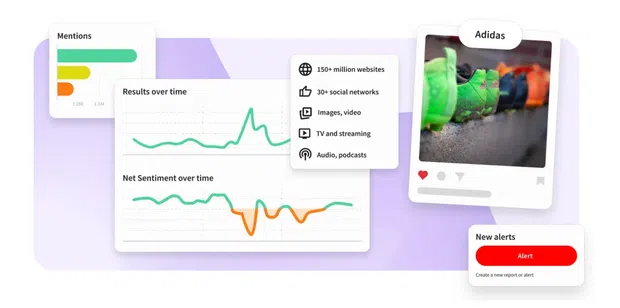
With the integration of AI agents and Large Language Models (LLMs), the modern social tech stack must be "open." Teams want to pipe social data directly into tools like Claude, ChatGPT, or Gemini via API or MCP (Model Context Protocol) servers. This allows for real-time interrogation of data without the need for manual exporting or clunky third-party connectors.
Evaluating the Top Brandwatch Alternatives
As we look at the current market, several platforms have distinguished themselves by addressing the specific pain points of modern social teams.
Hootsuite: The Unified Powerhouse
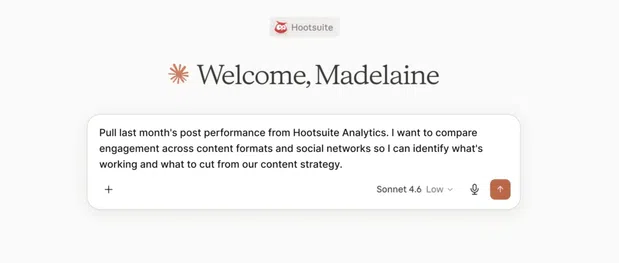
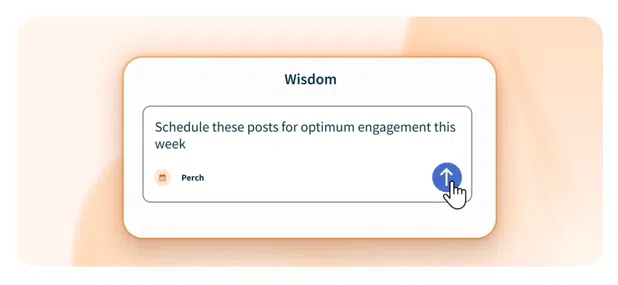
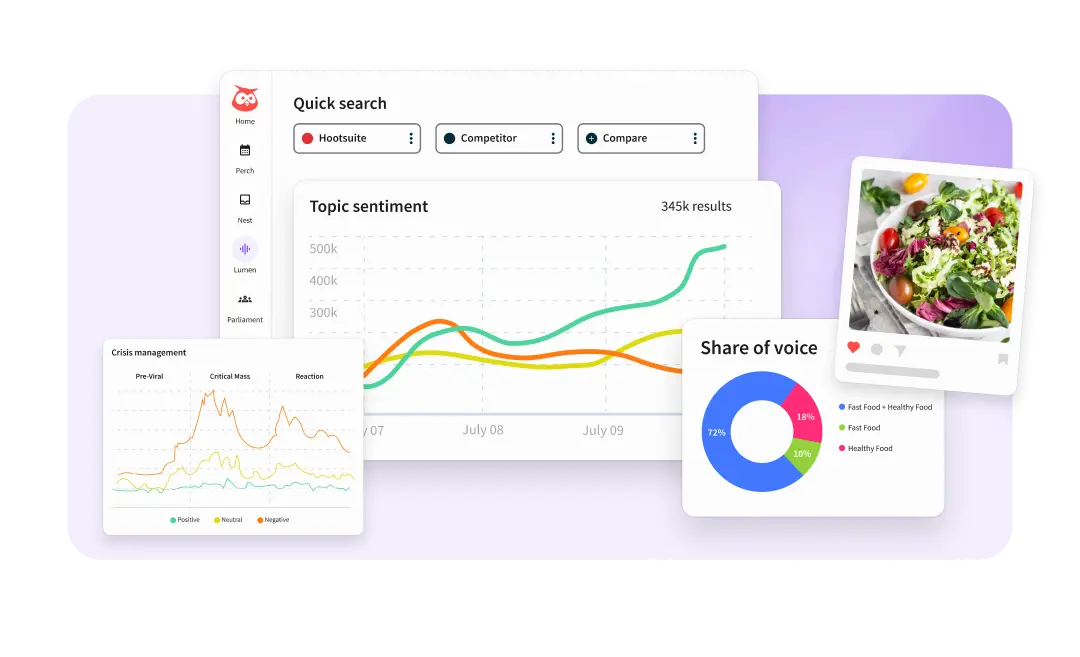
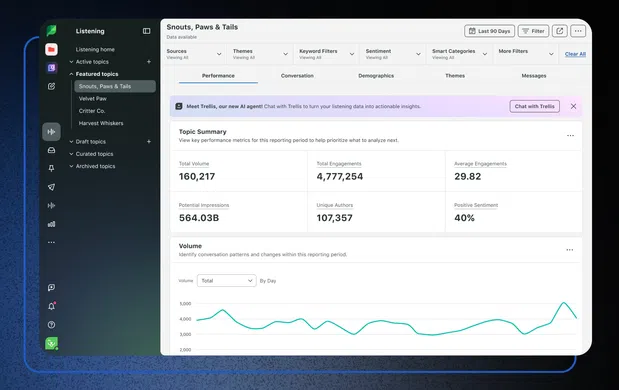
Hootsuite has evolved significantly, positioning itself as the leader for teams that want to collapse the distance between insight and action. By housing Lumen (listening) alongside Perch (publishing) and Nest (customer service), Hootsuite ensures that when a trend is identified, it can be acted upon within the same tab.
- Key Advantage: It is a "social-first" platform. It treats listening as a fundamental part of the creative process rather than a standalone research project.
- AI Integration: Through its support for MCP servers, Hootsuite allows teams to pull real-time sentiment data directly into their AI workflows, enabling automated, data-backed content creation.
Sprout Social: The Balanced Choice
Sprout Social remains the gold standard for teams that view listening as a supplementary need rather than their primary function. It provides robust, clean analytics and a highly intuitive interface. It is the ideal candidate for teams that need to maintain a professional social presence while occasionally dipping into the "listening" well to validate a campaign strategy.
Meltwater: The PR and Media Authority
For organizations where social media is a subset of a broader communications and PR strategy, Meltwater is the logical choice. It excels at tracking the ripple effects of a story as it moves from social platforms to traditional news outlets, podcasts, and print media. It is built for crisis management and reputation monitoring at a global, enterprise scale.
Brand24: The Agile Contender
For teams that prioritize speed and budget, Brand24 offers a streamlined approach. It ignores the fluff and focuses on the core metric: what are people saying about us right now? It is highly effective for brand tracking and sentiment monitoring without the steep price tag associated with enterprise-wide research suites.
YouScan: The Visual Specialist
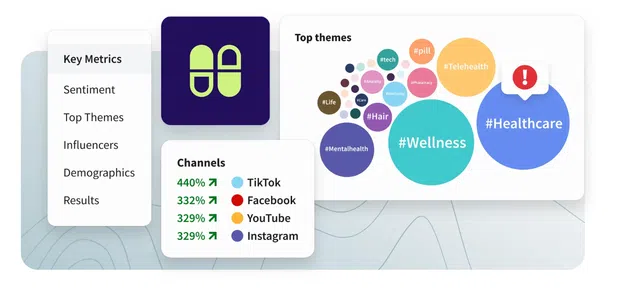
In an age where social media is increasingly video-first, YouScan has carved out a niche in "visual listening." Its ability to detect logos, specific objects, and even emotions within user-generated images provides a layer of intelligence that text-based sentiment analysis often misses.
Audiense: The Audience Architect
If your team’s primary goal is not just monitoring, but audience segmentation, Audiense is the standout. It provides deep behavioral and psychological insights, helping marketers understand who is speaking, which is often as important as what is being said.
Comparative Overview: 2026 Market Analysis
| Tool | Primary Focus | Best For | Publishing Included? |
|---|---|---|---|
| Hootsuite | Unified Workflow | Growth & Strategy Teams | Yes |
| Sprout Social | Social Management | Balanced Teams | Yes |
| Meltwater | PR & Media | Enterprise Comm Teams | Via Add-on |
| Brand24 | Brand Monitoring | Cost-Conscious Teams | No |
| YouScan | Visual Intelligence | Consumer Brands | No |
| Audiense | Audience Analysis | Research-Focused Teams | No |
The Role of AI in Transforming Social Listening
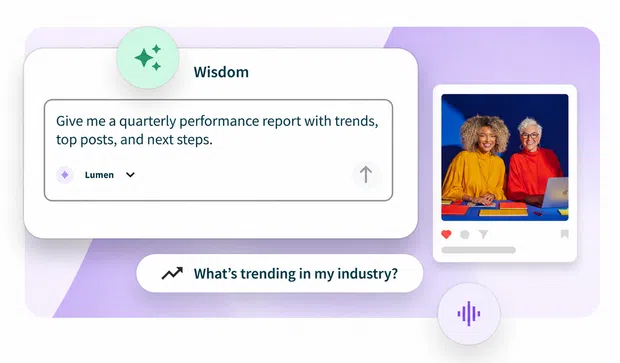
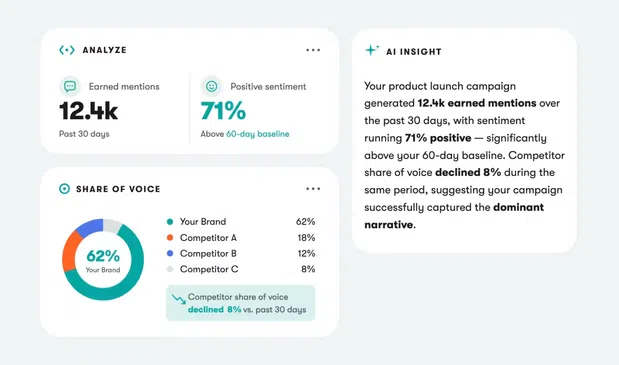
The most significant change in 2026 is the role of AI in moving from reactive to predictive listening. Tools like Hootsuite’s Wisdom AI are fundamentally changing the workflow. Instead of a human researcher spending hours manually aggregating sentiment, Wisdom can be queried: "Why is our sentiment score trending downward in the electronics category this week?"
The AI synthesizes the data, identifies the root cause (e.g., a specific customer service complaint or a competitor’s product launch), and suggests the next three logical steps for the social team. This shift from "dashboard-gazing" to "conversational analysis" is the new benchmark for excellence.
Choosing the Right Partner for Your Team
When choosing an alternative, the decision should be dictated by your "Job to be Done." Ask your team these four questions:
- What is the primary question we need answered? If you are tracking a reputation, you need broad coverage (Meltwater). If you are looking to inform your content calendar, you need integrated publishing (Hootsuite).
- Who will be using the tool daily? If it’s a creative team, prioritize UI/UX. If it’s a data science team, prioritize API access and raw data granularity.
- Does it integrate with our existing stack? Your listening tool should be able to "talk" to your CRM, your AI agents, and your project management software.
- Can we turn an insight into a task in under two minutes? If the answer is no, you are likely looking at a tool that will eventually become a shelf-ware expense.
Implications for the Future
The era of the "all-in-one" platform that is master of none is ending. We are moving toward a modular future where companies pick the best-in-class listening engine (like Lumen) and ensure it communicates flawlessly with their publishing and CRM tools.
As companies continue to integrate AI into their operational backbone, the ability to extract data from social listening tools and feed it directly into internal AI models will become the primary differentiator between market leaders and those playing catch-up.
For those currently feeling the "Brandwatch pinch," the market has never been more vibrant. Whether you require the visual depth of YouScan, the PR reach of Meltwater, or the unified, action-oriented approach of Hootsuite, the path forward is clear: choose the tool that reduces the friction between knowing what your customers are saying and doing something about it.
Erin Rodrigue is a veteran content strategist and marketing technologist specializing in the intersection of AI, social media, and digital architecture. She focuses on helping modern teams move beyond vanity metrics to achieve measurable business outcomes.