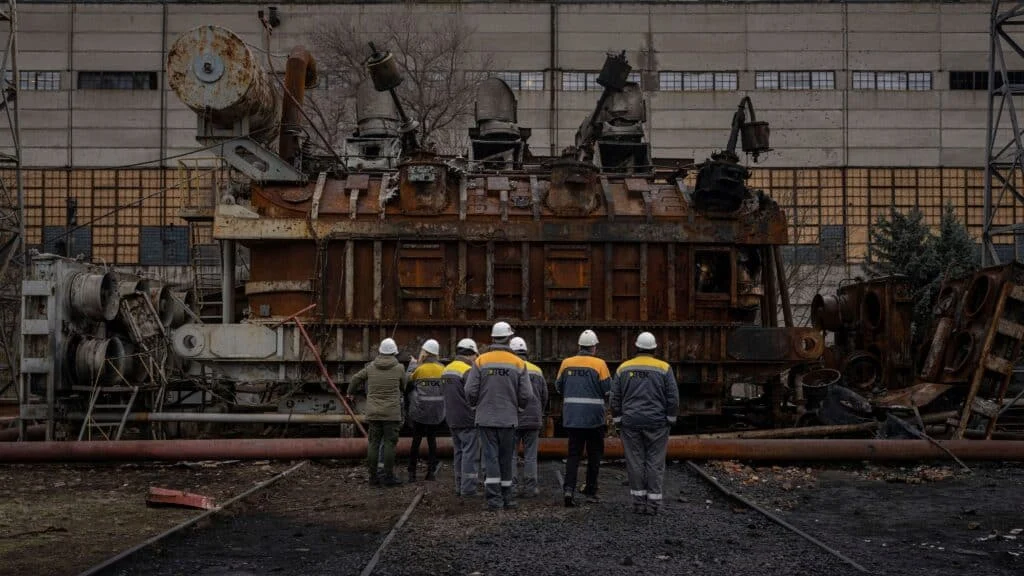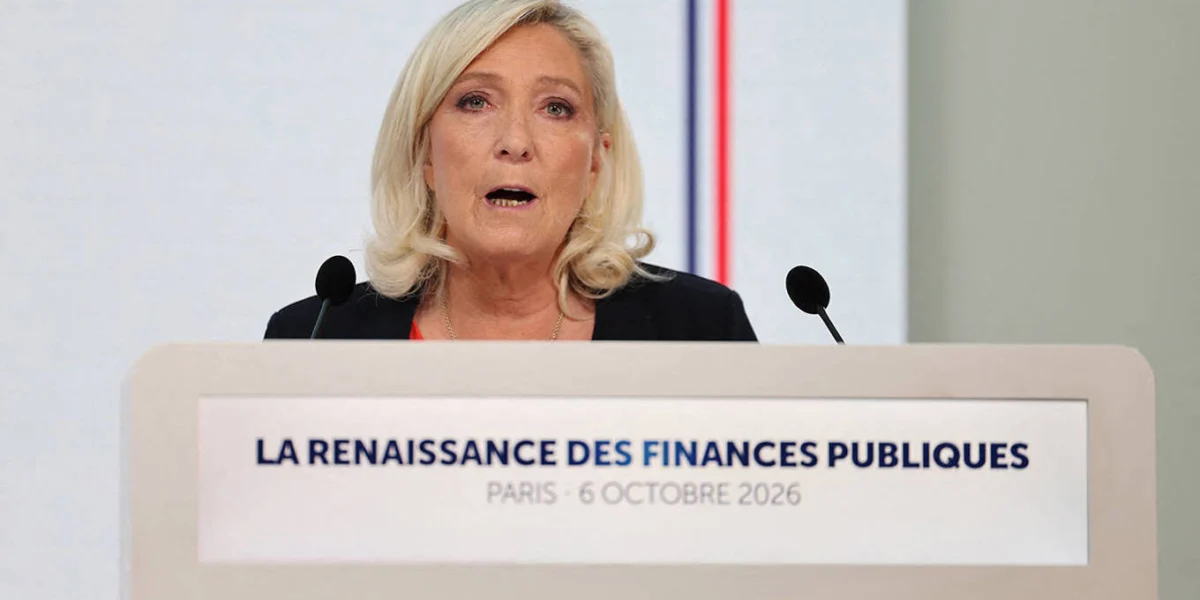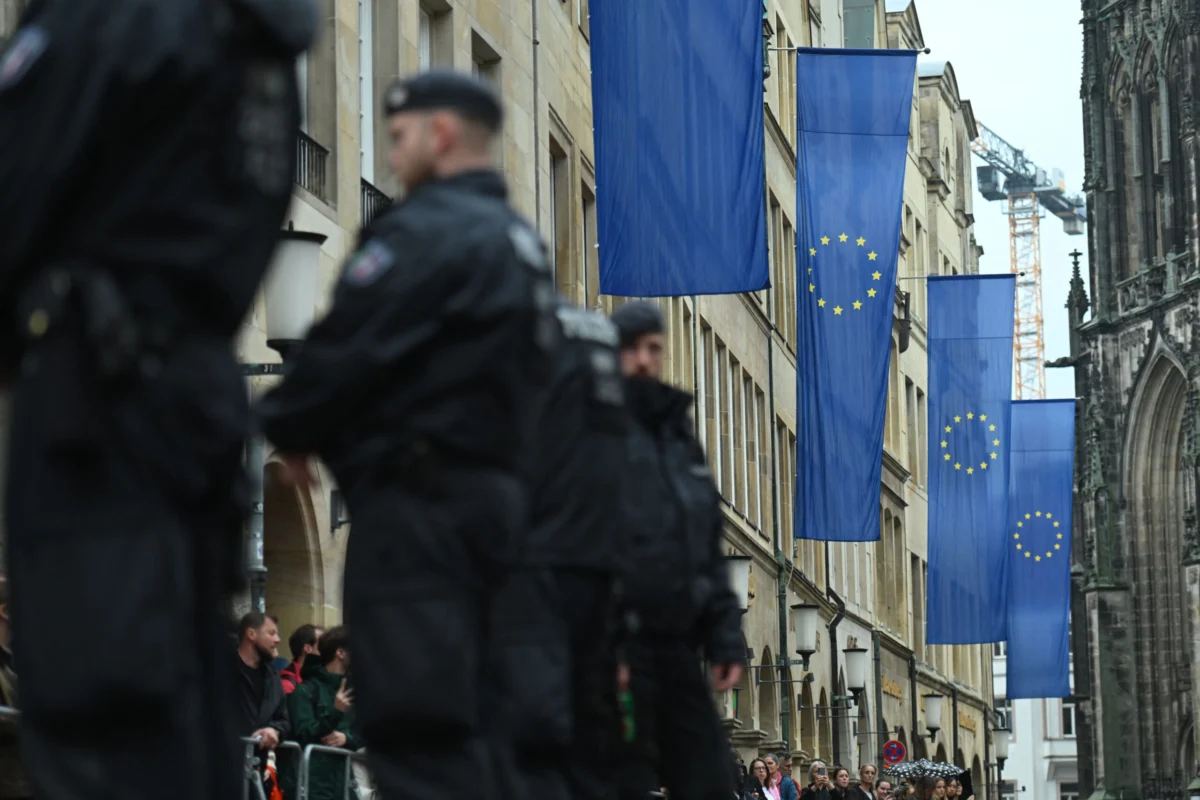
From the logistics hubs of Leipzig Airport to the strategic waters of the Black Sea, a clandestine campaign of Russian aggression is tearing through the fabric of European stability. In recent months, the Kremlin has escalated its activities to a degree that is rapidly rendering the term "hybrid warfare" an understatement. What began as isolated incidents of cyber espionage has evolved into a persistent, multi-front assault that deliberately blurs the lines between peace and war. As Moscow tests the limits of Western resolve, European leaders find themselves at a crossroads: continue to rely on rhetoric, or fundamentally overhaul their collective defense to counter an enemy that has already crossed the threshold of provocation.
The Anatomy of Gray Zone Aggression
"Hybrid warfare" is a clinical term for a brutal reality. It refers to actions taken by hostile states that exist below the threshold of declared armed conflict—acts that are significant enough to cause damage but calibrated carefully to avoid triggering a full-scale NATO military response.
Recent intelligence reports suggest Russia has moved past mere testing; they are now actively engaging in sabotage. Whether it is arson attacks on warehouses, the intimidation of critical logistics infrastructure, or the persistent jamming of GPS signals across the Baltic region, the Kremlin is conducting a "boiling the frog" strategy. As Camille Grand, former NATO Assistant Secretary-General, recently noted, "What we found shocking yesterday becomes the norm tomorrow, and so on until you find yourself in a much more intense situation."
A Chronology of Escalation
The current trajectory of Russian aggression can be mapped through a series of increasingly brazen actions:
- 2022–2023: The Cyber Foundation: Russia focused primarily on digital disruption, targeting Ukrainian government servers and European energy sector monitoring systems to gauge the resilience of Western digital infrastructure.
- Early 2024: The Sabotage Shift: Reports emerged of arson attacks on commercial properties in the UK and Germany. These were not merely criminal acts but coordinated efforts to disrupt the supply chains fueling Ukraine’s war effort.
- Mid-2024: Instrumentalized Migration: Russia began utilizing migration as a weapon, pressuring the borders of Finland, Poland, and the Baltic states, forcing these nations to divert resources to secure their frontiers.
- Late 2024–Present: The "Disposable Agents" Phase: Recruitment of non-state actors via encrypted messaging platforms to carry out acts of vandalism and infrastructure damage has become standard practice. These "disposable agents" provide Moscow with plausible deniability, complicating the attribution process for Western security services.
The Intelligence Consensus: A Looming Threshold
The concern among Western intelligence agencies is no longer a matter of "if" but "when." Danish military intelligence, in a chillingly detailed threat assessment, has warned that Vladimir Putin may be emboldened to launch a limited incursion into NATO territory within the next few years. This assessment is echoed by high-level analysts in Washington and London, who note that the Kremlin is no longer hiding its intent to discredit the alliance’s Article 5 commitment.
The Kremlin’s objective is twofold: first, to fuel internal European insecurity, thereby paralyzing decision-making; and second, to signal to the Global South and domestic Russian audiences that NATO is a "paper tiger." By exploiting political divisions within member states—particularly through the amplification of populist, pro-Russian political factions—Moscow hopes to fracture the consensus required for sustained support of Kyiv.
Data and Vulnerabilities: Where Europe Stands
The vulnerability of European critical infrastructure remains the most significant leverage point for the Kremlin. Unlike the Cold War era, where threats were primarily military, the modern battlefield is digital, logistical, and societal.
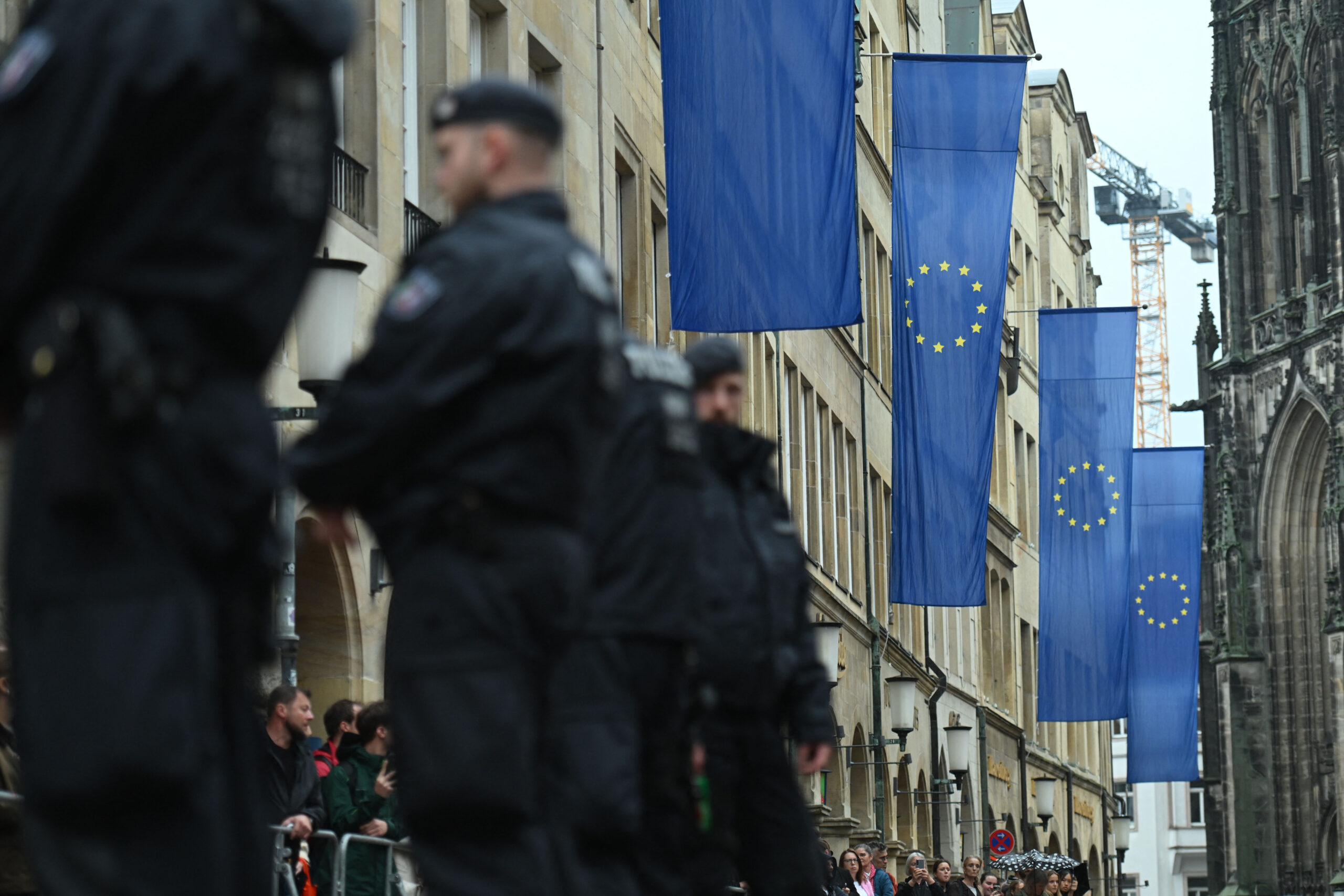
- Critical Infrastructure: European transportation hubs, energy pipelines, and subsea cables are highly susceptible to "disposable agent" attacks. The lack of standardized, cross-border security protocols makes it easy for operatives to move between jurisdictions.
- Disinformation Networks: Moscow spends billions annually on the "influence ecosystem." Data shows a direct correlation between the rise of anti-Ukraine rhetoric in European populist media and the deployment of coordinated bot farms originating from the Russian Internet Research Agency’s successors.
- Societal Polarization: The Kremlin’s focus on upcoming national elections across Europe is designed to install leaders who are either sympathetic to the Kremlin or isolationist in their foreign policy, effectively neutralizing the EU from within.
Official Responses and the Policy Vacuum
To date, the response from Brussels and other European capitals has been characterized by strong diplomatic rhetoric but a distinct lack of "cost-imposition." While leaders have publicly condemned Russian aggression, there has been a reluctance to implement the type of targeted sanctions or kinetic deterrence measures that would force a change in Putin’s calculus.
The primary obstacle is the fear of escalation. Many European nations remain tethered to the belief that a "hard" response might trigger a wider, conventional conflict. However, critics argue that this very restraint is the primary driver of Russian emboldenment. If the cost of sabotage is zero, the incentive to sabotage remains absolute.
The Proposed Path Forward: The European Security Council
There is a glimmer of strategic progress. European Commission President Ursula von der Leyen’s proposal for a European Security Council marks a potential turning point. By bringing together EU member states with strategic partners like the United Kingdom, Norway, Canada, and Ukraine, this body could serve as a centralized hub for intelligence sharing and unified policy implementation. It would provide the necessary political infrastructure to move beyond empty rhetoric and toward a synchronized, multi-national defensive posture.
Lessons from the Frontline: Why Ukraine is the Key
Europe need not reinvent the wheel to counter Russian hybrid warfare. Ukraine has been living in a laboratory of Russian aggression for over a decade. Since 2014, Kyiv has developed sophisticated mechanisms for countering:
- Disinformation: Ukraine’s ability to debunk propaganda in real-time and expose state-sponsored disinformation networks is world-leading. Integrating these "lessons learned" into European media monitoring units would significantly blunt the impact of Russian influence operations.
- Infrastructure Resilience: Ukraine’s survival against constant bombardment of its energy grid has necessitated a culture of rapid-response infrastructure hardening. European countries are now starting to import these protocols, but the integration must be accelerated.
- Counter-Intelligence: The experience of Ukrainian security services in identifying and neutralizing "disposable agents" provides a blueprint for European law enforcement. By sharing metadata on recruitment networks and digital footprints, European agencies could disrupt the Kremlin’s human intelligence operations before they result in kinetic damage.
Implications for the Future of the Alliance
The era of post-Cold War complacency is over. The "shadow war" currently being waged is not a precursor to a conventional conflict; it is a permanent state of affairs designed to erode the Western order from within.
If Europe continues to treat these acts as isolated criminal incidents rather than a systemic, state-led offensive, the erosion will continue. The goal of the Kremlin is to force Europe into a position where it must choose between its values and its survival. By embracing a more integrated security architecture, fostering closer ties with Ukraine’s intelligence apparatus, and imposing real, tangible costs on Russian aggression, Europe can shift the burden of risk back onto Moscow.
The fundamental truth remains: Putin respects strength and exploits weakness. As long as the "boiling the frog" strategy continues without consequence, the temperature will keep rising. The time for diplomatic euphemisms has passed; the time for a unified, assertive, and resilient defense of European sovereignty has arrived. Whether through the creation of a new Security Council or the formal integration of Ukrainian defensive expertise, the path to deterrence lies in demonstrating that the costs of aggression now far outweigh the benefits.