Main Facts: A Coordinated Assault on Ukrainian Infrastructure
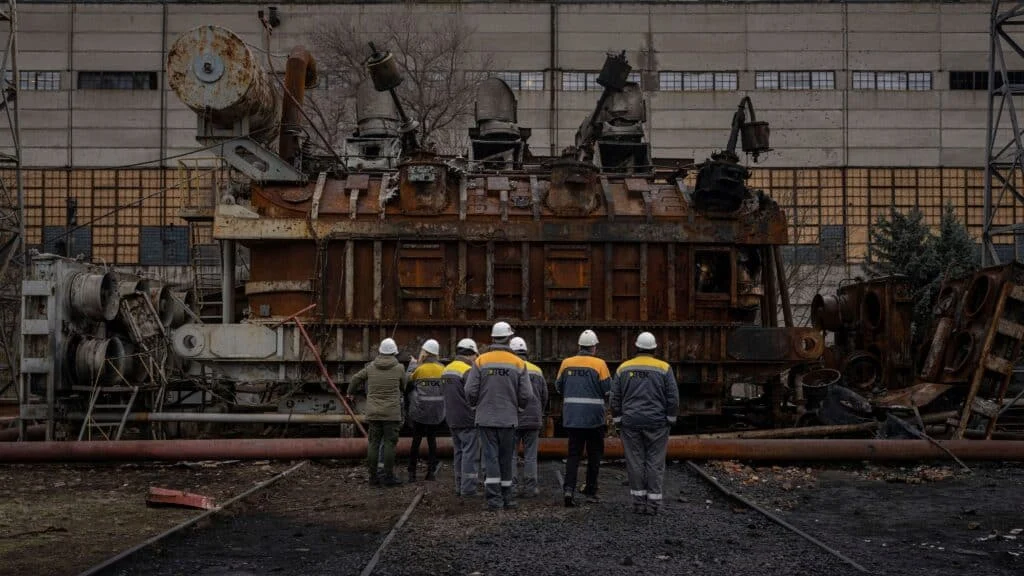
In a devastating display of military aggression, Russia launched a massive, coordinated overnight barrage of drone and missile strikes across Ukraine, resulting in a significant escalation of the ongoing conflict. According to Ukrainian President Volodymyr Zelenskyy, the strikes claimed the lives of seven civilians and left at least 24 others wounded. The primary focus of the aerial assault was Ukraine’s already fragile energy infrastructure, triggering widespread power outages across the capital, Kyiv, and its surrounding regions.
The attack represents a grim departure from previous tactical patterns. Ukrainian officials have reported that in just the first few days of this week, Russia has deployed a greater number of Iranian-designed Shahed drones than it did throughout the entirety of August. This surge has forced the nation into a state of "almost uninterrupted air raid alerts," paralyzing daily life and keeping the population in a constant state of uncertainty as the specter of a freezing winter looms.
Chronology of the Escalation
The recent strikes did not occur in a vacuum; they represent the culmination of a deliberate, phased campaign by Russian forces to compromise Ukraine’s capacity for resilience as temperatures begin to drop.
- Early September 2025: Intelligence reports indicated a significant buildup of Russian aerial assets near the border, signaling a shift in operational tempo.
- The Weekend Preceding the Attack: Air raid sirens became a near-constant soundtrack in major cities, as Russia utilized smaller, probing drone sorties to map and fatigue Ukrainian air defense systems.
- The Overnight Barrage: Under the cover of darkness, Moscow launched a multi-wave strike. The first phase involved swarms of loitering munitions designed to overwhelm interceptor batteries. The second phase involved cruise missiles aimed at critical substations and power-generation facilities.
- The Aftermath: By dawn, utility crews across Kyiv were reporting critical damage to distribution networks. Power outages spread across multiple districts, affecting hospitals, residential heating systems, and water pumps.
- The Ongoing Alert: As of Wednesday, air raid warnings remain active in several regions, with defense forces working to neutralize lingering threats while emergency responders navigate the wreckage of damaged civilian infrastructure.
Supporting Data: The Scale of the Threat
The sheer volume of munitions utilized in this latest offensive underscores a strategic pivot in the Kremlin’s war effort. By firing more drones in a 72-hour window than in the entire preceding month, Russia is attempting to deplete Ukraine’s supply of surface-to-air missiles.
Analytical Metrics of the Assault:
- Volume: The frequency of strikes has increased by approximately 300% compared to the late summer lull.
- Human Toll: 31 confirmed casualties (7 dead, 24 injured). This figure is expected to rise as search-and-rescue operations continue in debris-heavy urban areas.
- Infrastructure Impact: Preliminary assessments by the Ukrainian Ministry of Energy suggest that several regional hubs are operating at reduced capacity. The "dual-use" nature of these targets means that the damage extends far beyond the grid, impacting the supply chains for civilian medical services and industrial production.
- Winter Readiness: Prior to this week’s strikes, international observers noted that Ukraine’s energy sector was already running at 60% of its pre-war capacity. This latest barrage threatens to push the system below the critical threshold required for basic heating during the sub-zero months of January and February.
Official Responses and Diplomatic Friction
The international and domestic response to the barrage has been swift, characterized by both condemnation and a rigorous debate over the legalities of warfare.
The Kremlin’s Justification
Moscow has maintained a consistent narrative, framing the energy grid as a "legitimate military target." The Kremlin argues that because Ukraine’s energy sector is inextricably linked to the production and maintenance of military equipment, it qualifies as "dual use." From the perspective of Russian military planners, disabling these facilities is a surgical measure intended to cripple the Ukrainian war machine.
The Ukrainian and International Rebuttal
President Zelenskyy and his administration have decried these actions as a "war crime" and a desperate attempt to "weaponize winter." Ukrainian officials argue that the primary victims of these strikes are not military installations, but civilians who rely on the grid for basic survival.
In a poignant analysis published in the World Politics Review in March 2025, Charli Carpenter addressed the fallacy of the "dual-use" argument. Carpenter emphasized that even when an infrastructure target possesses military utility, it remains strictly governed by the principle of proportionality. Under international law, the harm inflicted upon the civilian population must be weighed against the military necessity of the strike. Given the widespread, systematic suffering caused by these power outages—which endanger the elderly, the sick, and children—legal scholars like Carpenter argue that Moscow’s justification fails to meet the threshold of international humanitarian norms.
Implications: Weaponizing the Climate
The implications of this escalation are profound, reaching deep into the socio-political fabric of Ukraine and the strategic calculations of the West.
The Strategy of Attrition
Russia appears to be banking on a strategy of societal exhaustion. By targeting the power grid, the Kremlin aims to fracture the Ukrainian public’s resolve, creating a humanitarian crisis that forces the government to divert resources from the front lines to domestic relief efforts. If the grid fails entirely, the subsequent humanitarian exodus of refugees could place unprecedented pressure on neighboring European nations.
The "Dual-Use" Legal Trap
The debate over "dual-use" targets sets a dangerous precedent. If the international community allows the destruction of civilian power grids under the guise of "military necessity," it effectively rewrites the rules of engagement for modern urban warfare. This legal gray area is being exploited by Moscow to normalize the destruction of civilian life-support systems, a tactic that could have lasting consequences for global standards of conduct in future conflicts.
The Winter Outlook
As the shadows lengthen and the temperature drops, the coming months will test the limits of Ukraine’s resilience. The success of Russia’s campaign depends on whether Ukraine can effectively repair damaged infrastructure faster than Russia can destroy it. Western partners are currently under renewed pressure to bolster Ukraine’s air defense capabilities, specifically by providing more advanced Patriot batteries and electronic warfare systems to jam the guidance signals of incoming drones.
Conclusion
The latest wave of attacks serves as a grim reminder that the war in Ukraine has entered a new, more desperate phase. While the Kremlin continues to hide behind the thin veil of "military necessity," the reality on the ground—seven lives lost, dozens wounded, and a nation forced to endure the dark—speaks to a calculated strategy of misery. The international community now faces a critical juncture: either allow the weaponization of winter to proceed unchecked, or provide the necessary defensive support to ensure that the light—and the warmth—does not die out in Ukraine. The coming months will not only determine the outcome on the battlefield but will serve as a definitive test of the world’s commitment to the principles of humanitarian law in the face of absolute aggression.