
For several years, corporate America navigated a complex, often treacherous landscape where taking a stand on socially and politically charged issues was considered "par for the course." Following the global upheaval of the COVID-19 pandemic, a series of profound social reckonings, and increasingly frequent natural disasters, the expectations placed upon brands shifted dramatically. Consumers began to demand that the companies they patronized move beyond profit-seeking and evolve into active participants in social progress.
In a rapid shift, many brands pivoted from a "stay out of it" mentality to placing themselves at the epicenter of social media activism. However, this period of rapid-fire corporate statements soon met a reality check. Consumers began to perceive many brand campaigns as performative—often tied more to self-promotion and product marketing than to genuine societal impact. Fearing backlash from both consumers and stakeholders, many brands retreated into silence, opting for neutrality to avoid the "cancel culture" crosshairs.
Today, however, the pendulum is swinging once again. According to Sprout Social’s Q1 2026 Pulse Survey, 67% of social media users believe that brands should respond to political and social issues at least some of the time. We are entering a new phase of "intentional activism," where the demand is not for more noise, but for more substance.
A Chronology of Corporate Stance-Taking
The "All-In" Phase (2020–2022)
The period following 2020 saw an unprecedented surge in corporate social activism. Brands felt immense pressure to issue statements on everything from racial justice to climate policy. The strategy was often reactive: monitor social media trends, draft a public statement, and align the logo with the cause of the month. While this solidified some brand loyalties, it also birthed the phenomenon of "performative activism," where the lack of long-term investment in these causes became glaringly apparent to the public.
The "Great Silence" (2023–2025)
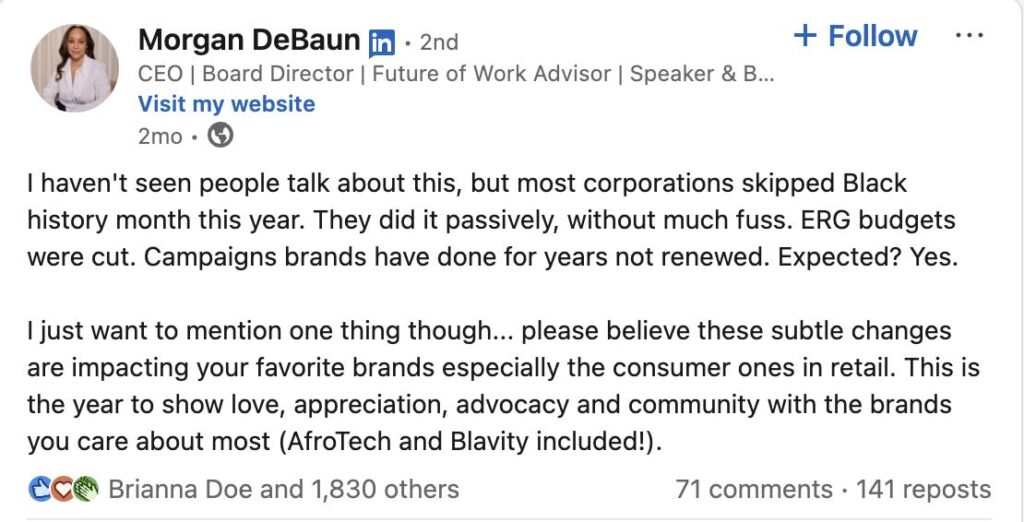
As scrutiny intensified, the cost of a misstep became clear. Brands that were perceived as "virtue signaling" faced severe economic consequences and intense social media scrutiny. Consequently, many organizations adopted a "wait and see" approach, leading to a noticeable decline in brand participation for major milestones like Pride Month, Black History Month, and Women’s History Month. Industry leaders and influencers began to note this retreat, arguing that silence could be just as damaging to brand perception as an ill-informed statement.
The Renaissance of Intentionality (2026–Present)
We are currently in a transition toward a more nuanced model. Consumers are no longer asking for brands to comment on every global crisis. Instead, they are looking for "intentional activism"—a strategic approach where a brand’s advocacy is deeply rooted in its core mission and industry expertise.
Supporting Data: What Consumers Really Want
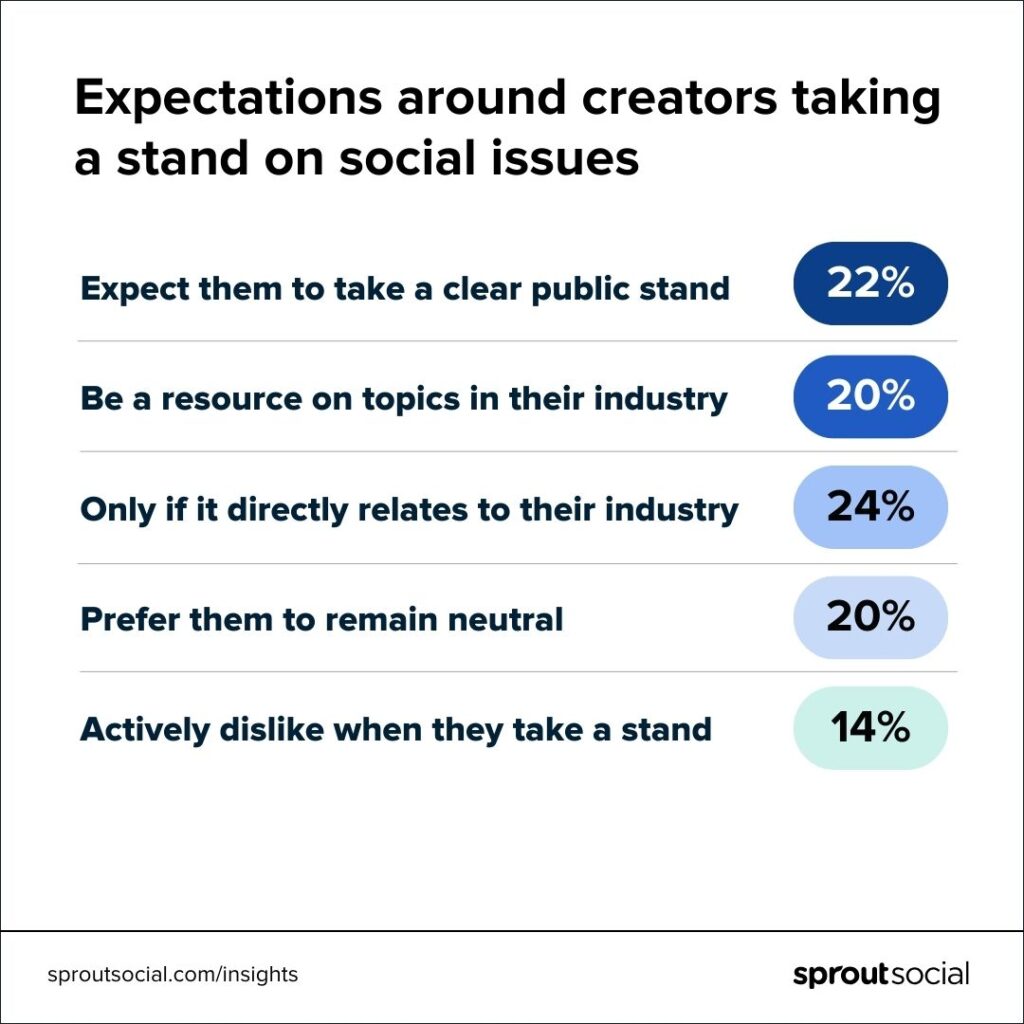
The landscape of consumer sentiment is diverse and increasingly polarized. Data from Sprout Social reveals that the "one-size-fits-all" approach to activism is officially obsolete.
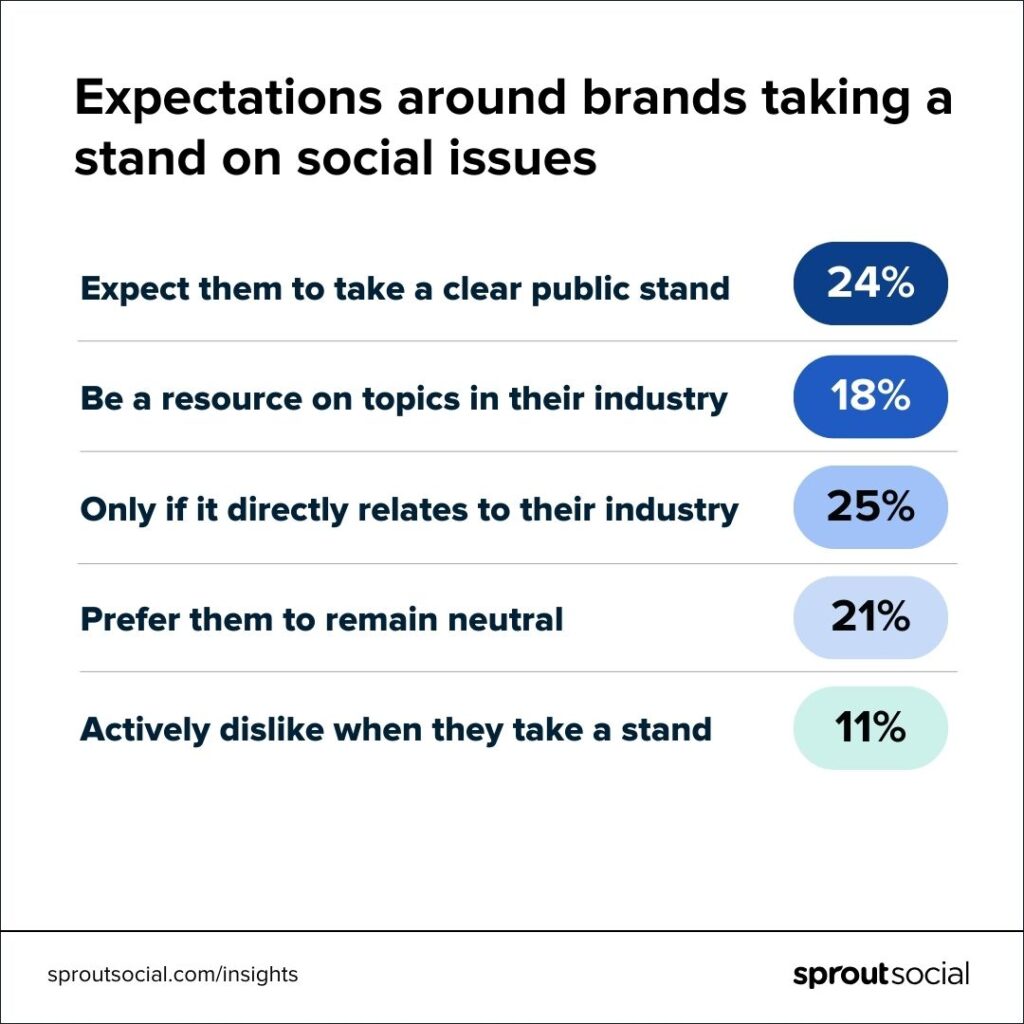
- The Shift in Urgency: In 2019, 70% of consumers believed it was important for brands to take a stand on social and political issues. By Q1 2026, that figure had dropped to 24%, reflecting a "fatigue" regarding constant corporate commentary.
- The Industry-First Mandate: A significant segment of the audience prefers a specialized approach. About 18% of consumers expect brands to act as resources for social issues specifically within their industry vertical, while 25% believe they should only speak out if the issue directly impacts their industry.
- The Call for Neutrality: Approximately 21% of consumers prefer brands to remain completely neutral, and 11% harbor a fundamental dislike for corporate activism in any form.
- Generational and Political Divides: Gen Z continues to place the highest value on corporate alignment, with their purchasing habits heavily influenced by brand values. Similarly, liberal-leaning consumers are statistically more likely to demand that brands vocalize their stances compared to their conservative counterparts.
Official Perspectives: Expert Guidance
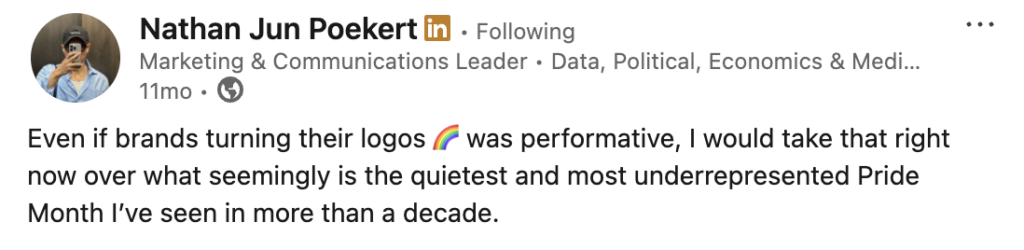
The consensus among consultants and brand strategists is clear: silence is not necessarily the enemy, but incompetence is. Nathan Jun Poekert, a prominent CMO advisor, notes, "Unless you can directly address the source of the problem, it doesn’t benefit your brand to put out a statement. I advise most brands that they shouldn’t actively be part of the narrative surrounding global events unless they have a seat at the table."
Poekert emphasizes that the risk of social media backlash is often underestimated. "Many brands who have inserted themselves into culturally or politically charged issues have found themselves in social media takedowns. You will risk receiving magnitudes of social media backlash. Can your business survive that?"
The Framework: Deciding When to Take a Stand
To avoid the pitfalls of performative activism, organizations should adopt a rigorous framework before releasing any public statement or launching a campaign.
1. Assess Industry Alignment
Ask: Does this issue directly relate to our business model, supply chain, or customer base? For example, a tech company might appropriately speak out on data privacy legislation, while a retail brand might struggle to justify a comment on foreign policy.
2. Leverage Social Intelligence
Utilize social listening tools to move beyond assumptions. Use sentiment analysis to determine how your specific audience is discussing the topic. Understanding the nuance of the conversation allows a brand to enter the space with data-backed empathy rather than a generic, reactive statement.

3. Center the Human Element
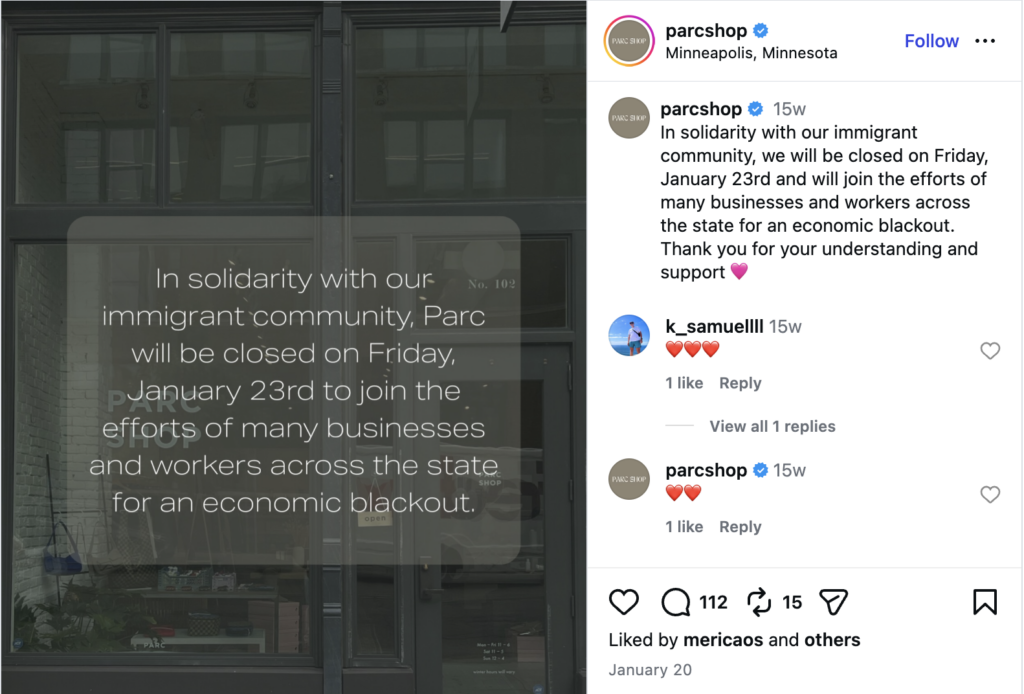
When an issue is unavoidable—such as a disaster affecting your employees or a legislative shift impacting your core community—the focus must remain on the people, not the politics. Support the humans affected by the situation. By avoiding partisan rhetoric and focusing on the human impact, brands can maintain integrity even in high-tension environments.
Case Studies in Authenticity
Patagonia: Mission-Driven Consistency
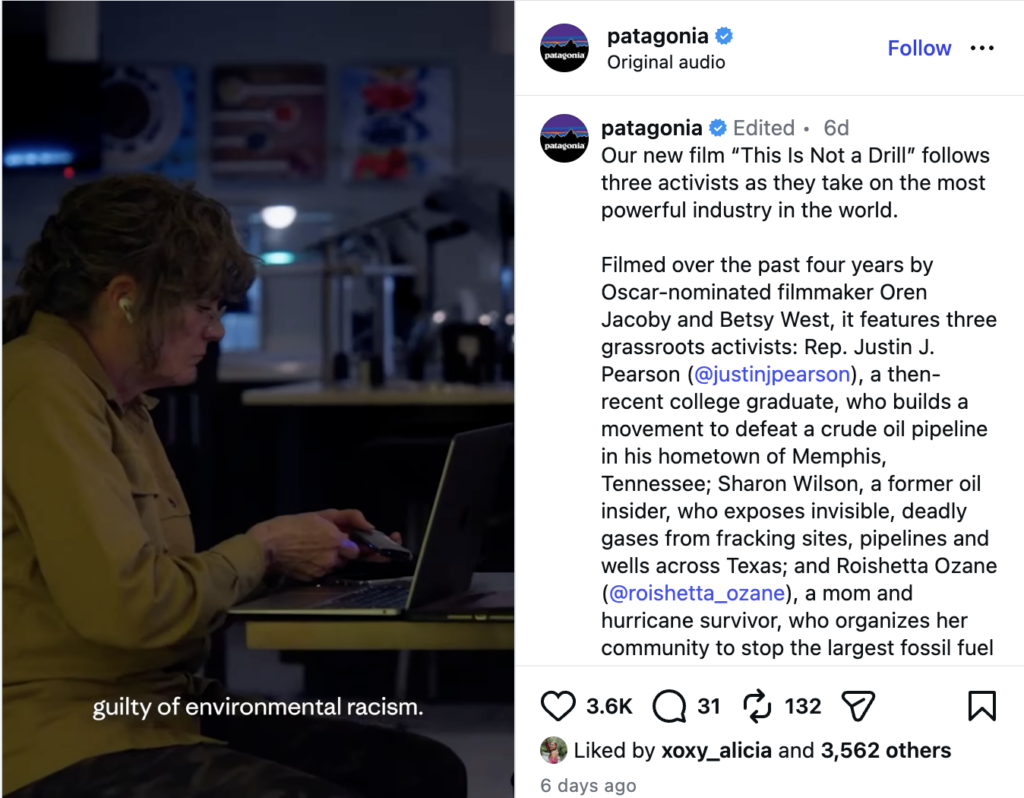
Patagonia remains the gold standard for long-term activism. Their mantra, "We are in the business to save our home planet," is not a marketing tagline; it is an operational directive. Because their activism is built on decades of investment in environmental legislation, land conservation, and conscious consumption, their public stances are never viewed as "performative."
Dove: The Power of Long-Term Commitment
Dove’s "Real Beauty" campaign, now over two decades old, demonstrates that true impact requires consistency. By refusing to retouch images and, more recently, taking a definitive stance against AI-generated beauty standards, Dove has maintained relevance by evolving with the times while staying true to their original promise. They didn’t just write a script; they invested in global school curricula and policy advocacy that impacted over 35 million lives.
The Innocence Project: Leveraging Influence for Good
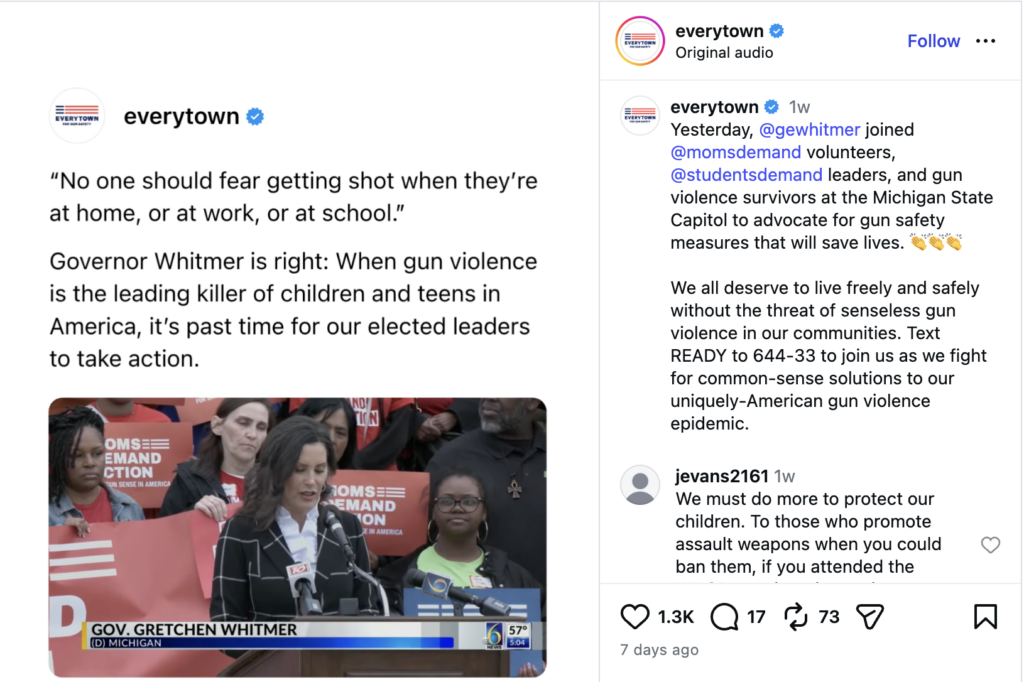
As a nonprofit, The Innocence Project serves as a model for how to use social media as a genuine tool for change. By using hard facts, transparent storytelling, and direct calls to action, they mobilize their community to achieve specific, measurable outcomes—such as the exoneration of wrongfully incarcerated individuals. Their work proves that when the stakes are high, social media can be a powerful engine for justice.
Implications for the Future
The era of brands acting as "everywhere, everything, all at once" commentators is drawing to a close. The future of corporate responsibility lies in intentionality.
For brands looking to navigate this, the path forward is clear:
- Invest in Social Intelligence: Use data to understand your audience before you ever draft a press release.
- Prepare for Crisis: A robust crisis communication plan is not just about damage control; it is about having a defined, pre-approved framework for when your brand must speak out.
- Prioritize Action Over Words: If you cannot back your statement with funding, policy change, or employee support, stay silent.
As the market continues to demand more from companies, the winners will be those who resist the urge to jump on every trend and instead focus on the causes where they can effect genuine, lasting change. Authenticity is the new currency of corporate activism, and in a skeptical digital economy, it is the only asset that truly appreciates.