

In the fast-paced, visual-first ecosystem of Instagram, it is a common misconception that the creative asset—the high-resolution photo, the polished graphic, or the trending Reel—does all the heavy lifting. While visual appeal is undoubtedly the "hook" that stops a user from scrolling past your content, the caption is the "anchor." Unlike platforms such as Facebook, Twitter, or LinkedIn, where text can exist in a vacuum, Instagram mandates a visual component. However, for brands and creators, the caption is the indispensable partner to that visual, serving as the bridge between a fleeting impression and a lasting relationship.
As social media algorithms continue to prioritize meaningful interactions, the role of the caption has evolved from a simple descriptor to a sophisticated marketing tool. Whether your objective is to amplify brand awareness, cultivate a loyal community, or drive measurable conversions, a strategic approach to caption writing is no longer optional—it is a competitive necessity.

The Anatomy of an Instagram Caption: Essential Facts
At its core, an Instagram caption is the text-based metadata that accompanies your visual posts and Reels. It provides context, flavor, and directive intent to the imagery displayed above it.
Technical Specifications
- Character Limit: Instagram permits up to 2,200 characters per caption. While this provides ample room for long-form storytelling, the "fold"—the point at which Instagram truncates text—usually occurs after the first two lines, making the opening hook critical.
- Media Inclusions: Captions can be populated with text, emojis, and hashtags.
- The Link Limitation: A vital constraint to remember is that clickable links cannot be embedded directly within a caption. This necessitates the use of "Link in Bio" strategies or, in the case of Stories, the use of link stickers to drive traffic off-platform.
Chronology of Content Evolution
The perception of the Instagram caption has shifted significantly since the platform’s inception in 2010.

- 2010–2015: The "Minimalist" Era: In the early days, captions were often one-word descriptors or simple emoji strings. The focus was purely on the aesthetic of the feed.
- 2016–2019: The "Hashtag Spam" Era: Following the introduction of the algorithm, users pivoted to stuffing 30 hashtags into the caption to maximize reach, often sacrificing readability for discoverability.
- 2020–Present: The "Storytelling" Era: With the rise of Reels and the saturation of the platform, audiences began to crave authenticity. Today, the most successful captions are those that provide value, ask questions, or tell a story, effectively turning the caption into a micro-blog.
Supporting Data: Why Length and Substance Matter
Data gathered from industry research suggests that the "short and sweet" mantra may be outdated for brands looking to maximize reach. An extensive study by Hootsuite revealed a compelling correlation between caption length and engagement rates.
The experiment demonstrated that captions ranging between 400 and 705 characters—roughly the length of a short paragraph—tended to outperform "ultra-short" captions (under 65 characters). This suggests that users are willing to consume substantive content if it is formatted correctly. Providing context, sharing behind-the-scenes insights, or offering a personal anecdote keeps users on the post longer, which in turn signals to the algorithm that the content is high-quality, subsequently boosting its visibility in the feed.

Strategic Pillars for Crafting the Perfect Caption
When drafting your own content, consider these four pillars to ensure your captions are not just filler, but drivers of engagement.
1. The "Thumb-Stopping" Hook
Because Instagram truncates text, your first sentence must act as a headline. Your value proposition should be front-loaded. If you are sharing a recipe, start with the benefit (e.g., "The simplest 15-minute dinner for busy weeknights"). If you are announcing a product, start with the transformation or solution it offers.
2. Leveraging Pop Culture and Relatability
Content that taps into current trends, seasonal shifts, or universal experiences feels "fresh." References to popular songs, movies, or even the "vibe" of a specific month (e.g., "Sweater Weather") foster an immediate sense of familiarity. When users see their own feelings reflected in your copy, they are far more likely to engage.
3. The Power of Hashtag Strategy
Hashtags remain the discovery engine of Instagram. A balanced strategy includes:
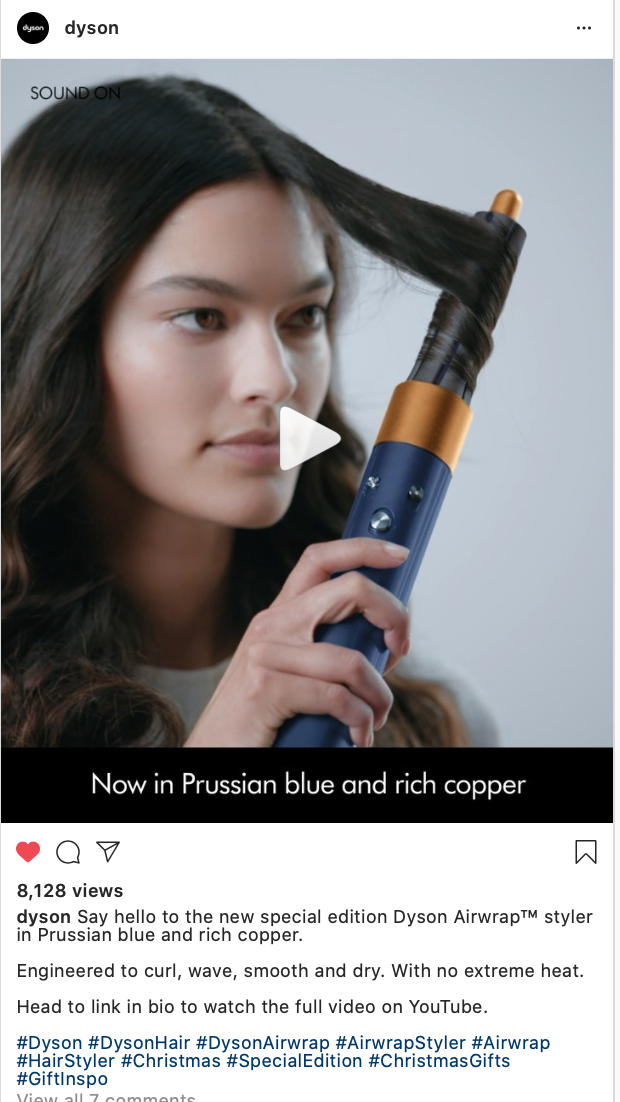
- Branded Hashtags: Unique to your business (e.g., #DysonHair).
- Seasonal/Trending Hashtags: Capitalizing on current events (e.g., #GiftInspo).
- Interest-Based Hashtags: Niche descriptors that help the algorithm categorize your content for the right audience.
- Note: While the limit is 30, it is often better to use 5–10 highly relevant tags than 30 generic ones that dilute your reach.
4. Directing Traffic with CTAs
A Call to Action (CTA) is the most important element for brands. Without a clear directive, even a highly engaged audience will simply scroll past. CTAs should be:
- Clear: Tell them exactly what to do (e.g., "Click the link in our bio to shop").
- Specific: Don’t just say "check it out"; say "Download our guide."
- Low Friction: Ensure the requested action is easy to complete.
Expert Perspectives on Engagement
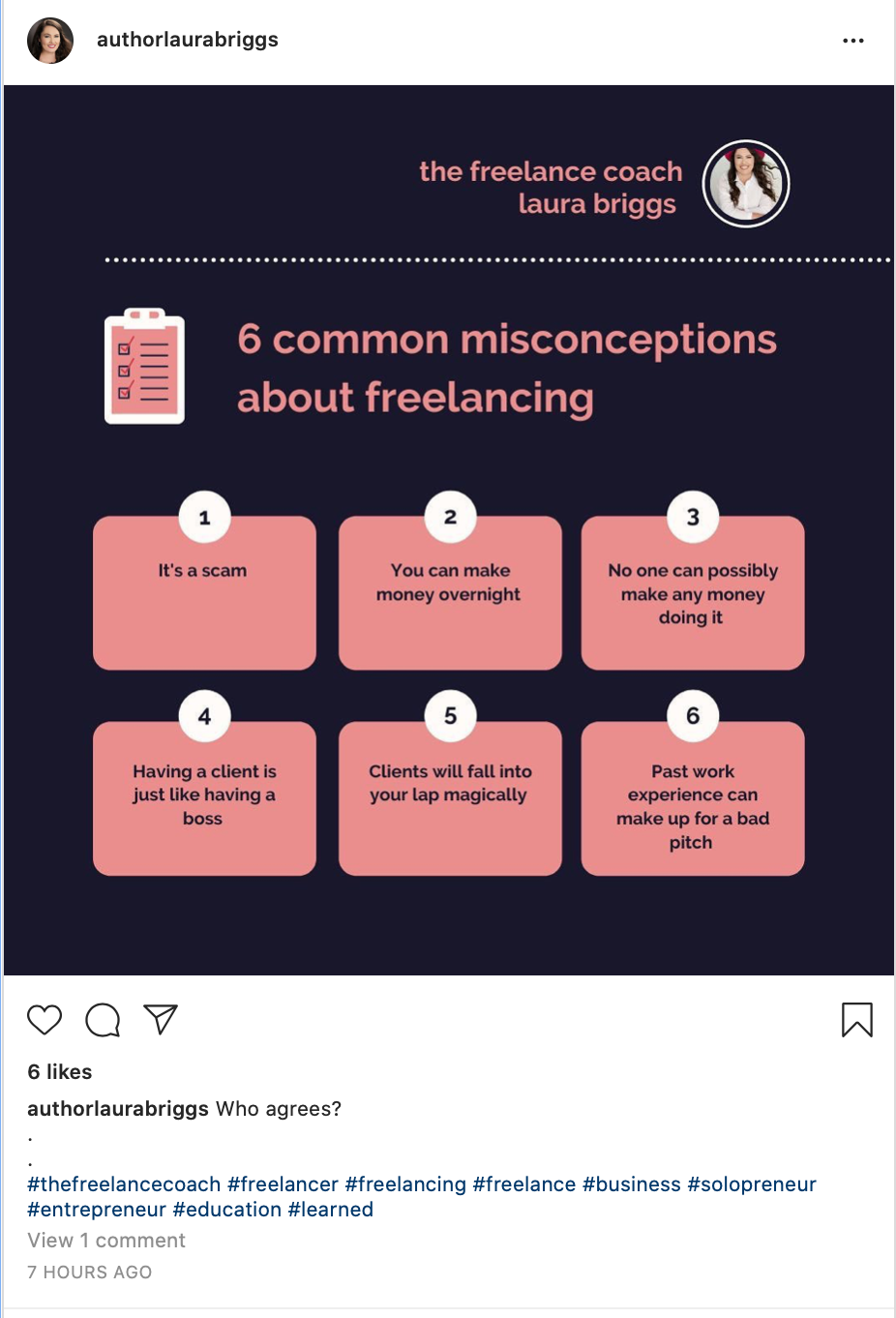
Industry experts emphasize that engagement is a two-way street. Asking a question—even a simple one like "Who agrees?"—can act as a catalyst for comments.
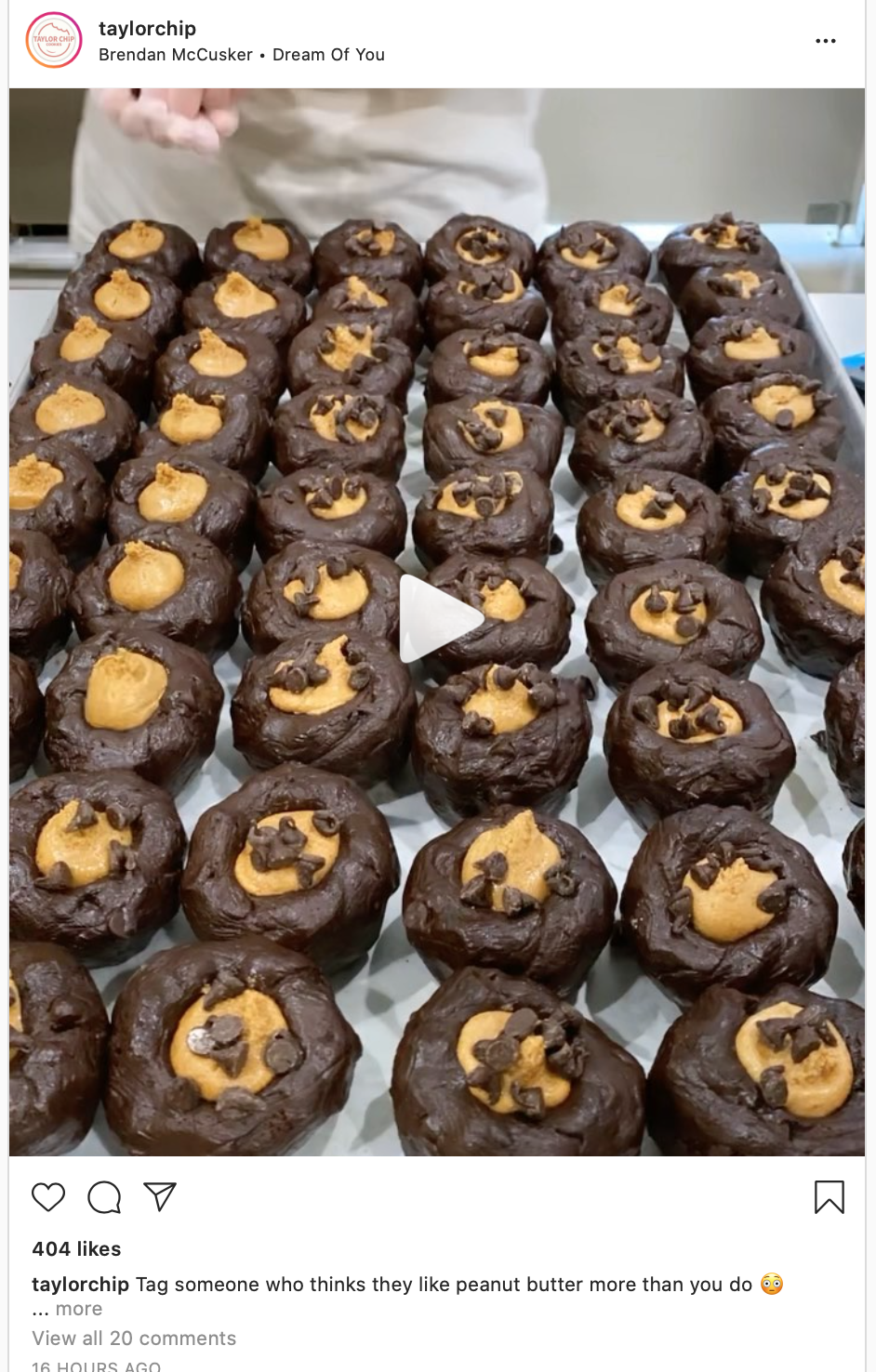
"Tag-a-friend" campaigns are another proven, albeit sensitive, tactic. When a brand invites users to tag someone who "loves coffee as much as you do," it initiates a conversation and introduces your brand to the tagged user’s network. However, experts warn against overusing this, as "tagging fatigue" can occur if the audience feels the brand is only trying to artificially inflate its numbers. Moderation and relevance are key.
Technical Formatting Tips for Clean Copy
A wall of text is the fastest way to lose a reader’s attention. To ensure your captions look professional:

- Use Line Breaks: Use the "Return" key to create space between paragraphs. If your mobile app is finicky with spacing, draft your caption in a notes app and paste it into Instagram.
- Visual Separators: Using bullets, dots, or even emojis to separate thoughts creates a "scannable" experience.
- Editing Post-Publish: Don’t fear the edit. If a typo slips through or you realize your CTA could be stronger, use the "three-dot" menu on your post to update the caption instantly.
- Typography: For a unique flair, use third-party tools like IGFonts.io to generate different Unicode font styles. Use these sparingly for headers to maintain accessibility for screen readers.
Implications for Future Growth
The shift toward "social search"—where younger generations are using Instagram as a search engine rather than Google—means that your captions are increasingly important for SEO (Search Engine Optimization). By including keywords naturally within your captions, you improve the chances of your content appearing when users search for specific topics.
In conclusion, while the visual is what gets the attention, the caption is what builds the relationship. By combining strong hooks, strategic hashtags, clear CTAs, and readable formatting, brands can transform their Instagram presence from a static gallery into a dynamic, conversion-driving community. The future of Instagram marketing is not just in how we look, but in how we speak to our audience. Start refining your voice today, and you will see the impact on your engagement metrics tomorrow.


