
The digital landscape is undergoing a tectonic shift. YouTube, once the undisputed king of mobile, on-the-go video consumption, has successfully transitioned into the primary entertainment hub of the modern living room. For marketers, this is no longer a peripheral trend; it is a mandate. As viewers swap their smartphone scrolls for 65-inch television screens, the strategies that once drove engagement on mobile are failing to land.
Understanding the "YouTube on TV" ecosystem—and how to optimize for it—is now the defining challenge for brand growth in the digital age.
The New Frontier: Why YouTube on TV Changes Everything
YouTube’s aggressive push into connected TVs (CTVs) is not accidental; it is a calculated response to shifting consumer behavior. Data indicates that for a growing number of channels, the television screen has overtaken mobile as the primary traffic source. This transition fundamentally alters the psychology of the viewer.
The "Netflix Mindset"
When a user engages with content on a mobile device during a commute, their expectations for production value are flexible. They are often in a state of rapid, fragmented attention. However, when that same user finishes a high-production documentary on Netflix and switches to YouTube, their expectations do not reset. They are now in a "lean-back" mindset. They are subconsciously comparing the YouTube creator’s output to the professional studio standards of streaming giants.
Liron Segev, a digital strategy expert, notes that while this transition requires higher quality, it does not mandate Hollywood-level perfection. Authenticity remains the bedrock of the YouTube experience. In an era where AI-generated content can create flawless visuals, the human element—the "imperfections" that signal reality—is becoming a competitive advantage. The key for marketers is to stop viewing the TV screen as a billboard and start viewing it as a communal hearth.
Chronology of the Shift: From Mobile-First to TV-Centric
To navigate this change, marketers must understand how the platform has evolved to meet this new viewing environment:
- The Rise of the "Lean-Back" Viewer: As internet-connected smart TVs became ubiquitous, YouTube optimized its interface to mimic traditional broadcast television, making it easier for users to binge-watch series rather than hop between unrelated clips.
- Infrastructure Upgrades: YouTube responded by enabling 4K resolution and high-bitrate uploads, moving away from the compressed, low-bandwidth standards that dominated the mobile era.
- The AI Integration Era: The recent deployment of "Ask YouTube" (a Gemini-powered search tool) and "Buy with Google Pay" functionality transformed the TV from a passive consumption device into a transactional, interactive portal.
Supporting Data: By the Numbers
The shift to TV is not just a qualitative change in atmosphere; it is a quantitative shift in engagement.
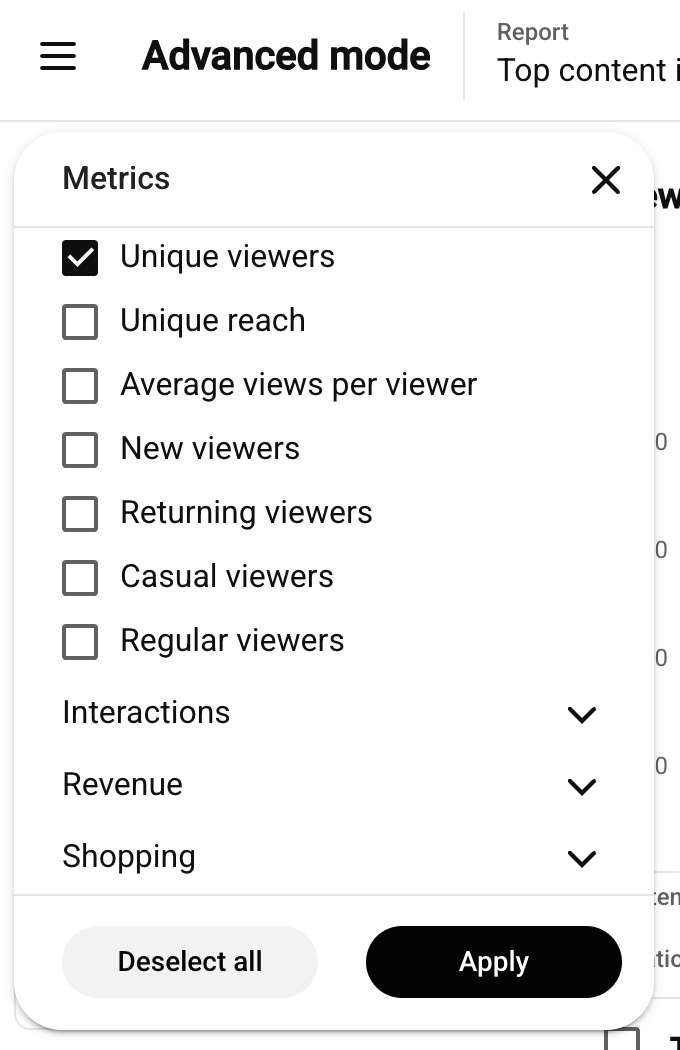
- Unique Reach Metrics: YouTube’s new "Unique Reach" metric is designed to account for "co-viewing." Unlike traditional "unique viewer" counts, which track individual logins, this metric estimates how many people are physically present in the room. This allows marketers to demonstrate the true scale of their reach, which is vital for securing sponsorships and justifying advertising spend.
- Search and Discovery: With over 35 billion hours of shopping-related content watched on the platform, the transition toward a transactional environment is supported by massive historical data.
- The 100-Word Rule: AI-driven search models now place significant weight on the first 100 words of a transcript. Content that delivers immediate value within this window is significantly more likely to be surfaced by AI-powered search tools, which are increasingly replacing traditional search bars on smart TV interfaces.
Implications for Marketers
Adapting to the big screen requires a complete overhaul of creative and technical workflows.

Optimize Your "Free Real Estate"
The most overlooked element of channel branding is the YouTube banner. On a mobile device, much of the banner is cropped; on a 65-inch television, the entire canvas is visible. Marketers should utilize this expanded space to include secondary messaging, value propositions, or social proof.
The Thumbnail Standard
Higher resolution does not equal a better thumbnail. As YouTube increases the file size limit to 50MB, the temptation to cram more detail into the image is strong. This is a mistake. On a large screen, cluttered designs become unreadable. A "less is more" approach—bold colors, minimal text, and high-contrast imagery—remains the gold standard for stopping the scroll.
Episodic Content vs. One-Offs
The "couch audience" craves immersion. While the 10-minute video was once considered the "long-form" gold standard, TV-optimized content is moving toward deeper, episodic formats. By creating content with a persistent narrative arc, marketers can encourage subscribers to return to their channel not just for a specific solution, but for the ongoing experience.
Official Responses and Strategic Adjustments
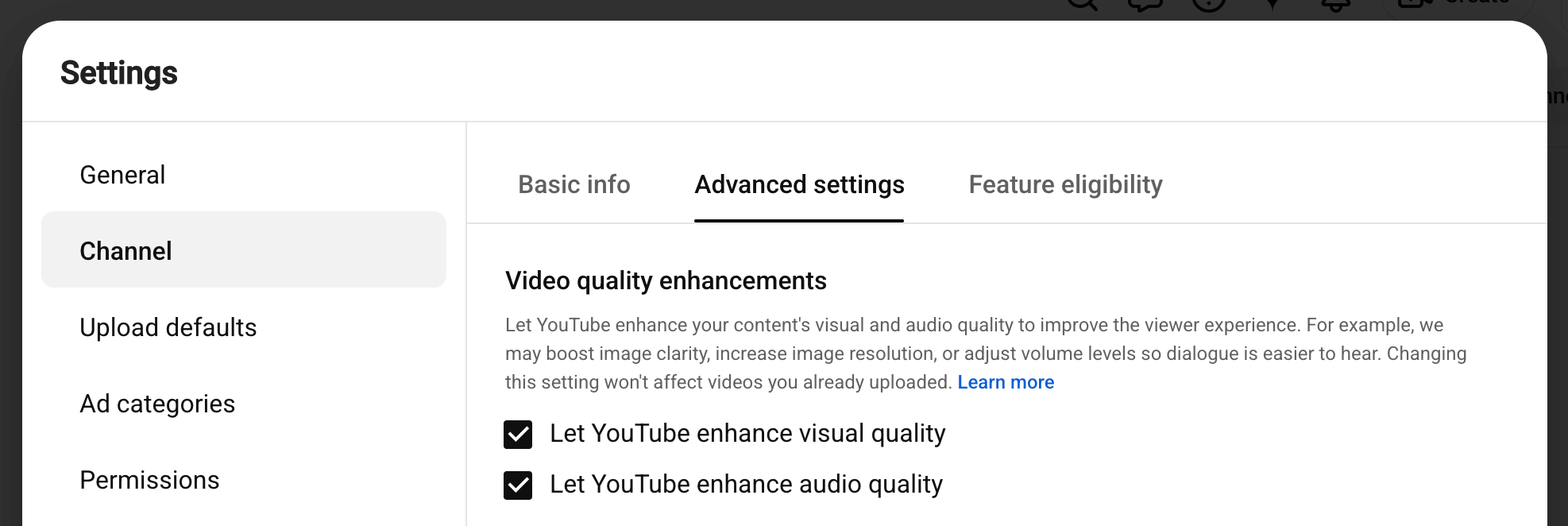
YouTube’s official updates have consistently pushed creators toward "TV-ready" content. The integration of AI-powered upscaling for videos below 1080p is a clear indicator that the platform is committed to standardizing quality across the board.
Navigating "Ask YouTube" and AI Discovery
The introduction of Gemini-powered AI search on TVs changes the SEO game entirely. When a user asks their TV, "How do I fix my leaky faucet?", they expect a direct answer, not a 15-minute preamble.
Strategic takeaways for the AI era:
- Front-load the value: Answer the prompt immediately in the first 100 words of the script.
- Visual cues matter: Because Gemini is a multimodal model, it can "see" on-screen text. Including URLs, social handles, and key takeaways as on-screen graphics provides the AI with metadata it can use to answer user queries accurately.
- Voice-friendly titles: Move away from keyword-stuffed titles. Adopt natural language. Instead of "Top 5 Tips," use a question that a real person would ask: "What is the best way to…?"
The Future: Commerce and Connection
The final frontier of the YouTube-on-TV strategy is direct commerce. The implementation of "Buy with Google Pay" via the TV remote creates a frictionless path to purchase. For brands selling merchandise or digital products, this eliminates the need for the "link in the description"—which is notoriously difficult to access on a TV.
The Shift to Communal Viewing
Marketers should lean into the fact that the living room is a shared space. Scripting content that invites interaction—such as "get your team/family together for this"—transforms the viewer from a passive observer into a participant.

As we look toward the future of digital marketing, the message is clear: The "YouTube channel" is no longer just a digital destination. It is a television network. Those who treat their content with the production standards of a network, while maintaining the intimate, human-centric authenticity of a creator, will be the ones to dominate the living room.
Conclusion: A Call to Action for Content Creators
If you have not sat on your own couch and watched your content on a large screen, you are missing the most critical quality control test in the industry. As the line between television and digital content continues to blur, the brands that win will be those that provide value, clarity, and a human connection, all tailored for the largest screen in the home.
The era of "mobile-only" marketing is over. Welcome to the era of the connected living room.