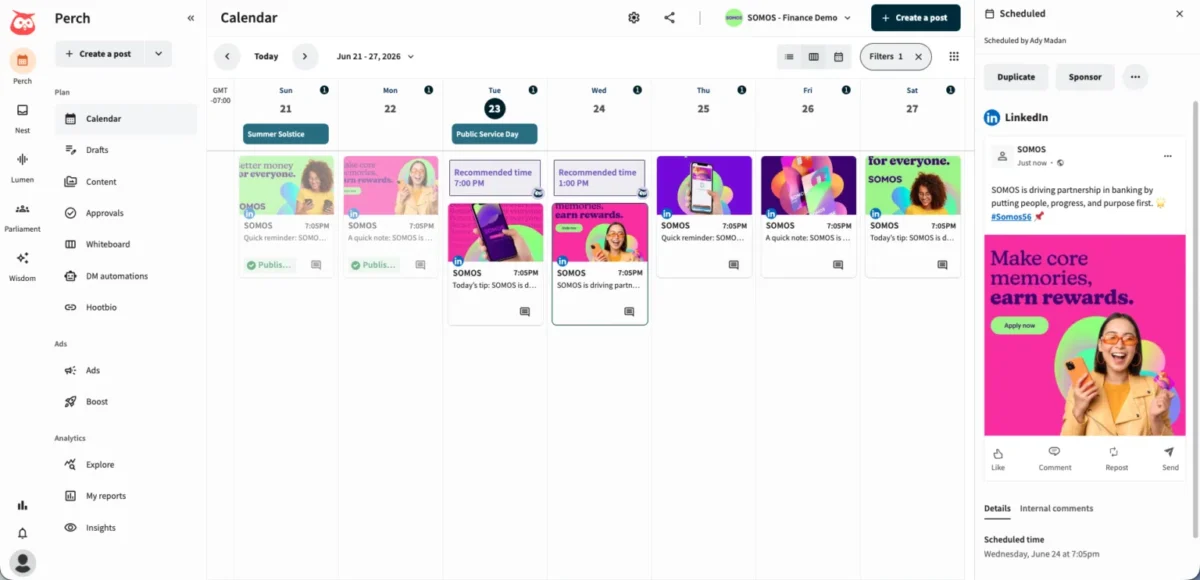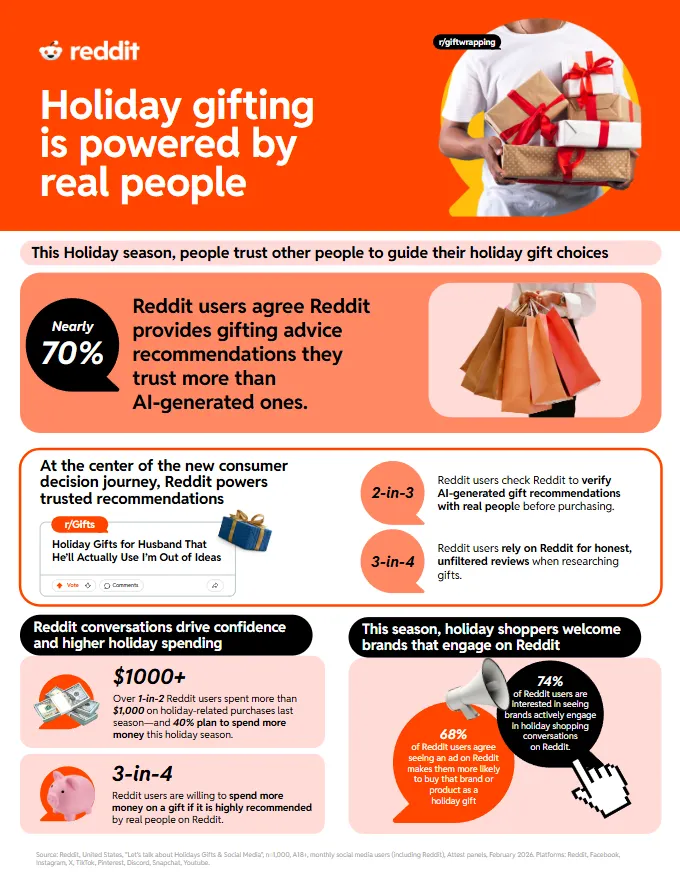
The era of the "midnight doorbuster" line—where shoppers braved sub-zero temperatures to secure a discounted television—has largely vanished. In its place, a new, digital-first shopping landscape has emerged. Today’s holiday consumer is not waiting at the mall gates; they are scrolling through TikTok, browsing Instagram Shops, and engaging with brands in real-time through social media platforms.
As the Q3 2026 Sprout Social Pulse Survey reveals, social media has officially become the primary hub for product discovery and customer service. With 86% of consumers intending to use social media for support as much or more than they did in 2025, the stakes for brands have never been higher. This transition marks a fundamental shift in the retail lifecycle: social media is no longer just a marketing channel; it is the heartbeat of the modern customer experience.

The Evolution of the Holiday Shopping Journey
The shift in consumer behavior is not merely a preference; it is a necessity driven by convenience and connectivity. For the modern shopper, social media functions as a virtual, 24/7 shopping mall.
Key Findings from the 2026 Consumer Landscape
According to recent data, social media is now tied with brick-and-mortar retail stores as the #1 resource for gift discovery. Among younger demographics, the reliance is even more pronounced: 85% of Millennials and a staggering 88% of Gen Z consumers plan to use social media for holiday gift research this year.

This behavior is underpinned by the "TikTok made me buy it" phenomenon, where content discovery leads directly to conversion. With over half (57%) of consumers planning to make purchases directly within social apps this season—via platforms like TikTok Shop, Instagram Checkout, and Facebook Marketplace—the traditional website checkout is increasingly being bypassed. When the purchase happens on social, the customer service expectation naturally follows.
Chronology of the Holiday Surge: A Strategic Roadmap
The holiday season is not a singular event but a series of high-pressure milestones. To navigate this, brands must treat their customer care strategy as a dynamic, evolving process.

Phase 1: Pre-Season Planning (Now through November)
Preparation is the primary defense against operational chaos. Organizations must align their social care strategy with key retail dates, such as Black Friday, Cyber Monday, and "last shipping" deadlines. During this phase, teams should:
- Audit Internal Workflows: Ensure that social media management platforms are integrated with existing CRM systems (e.g., Salesforce).
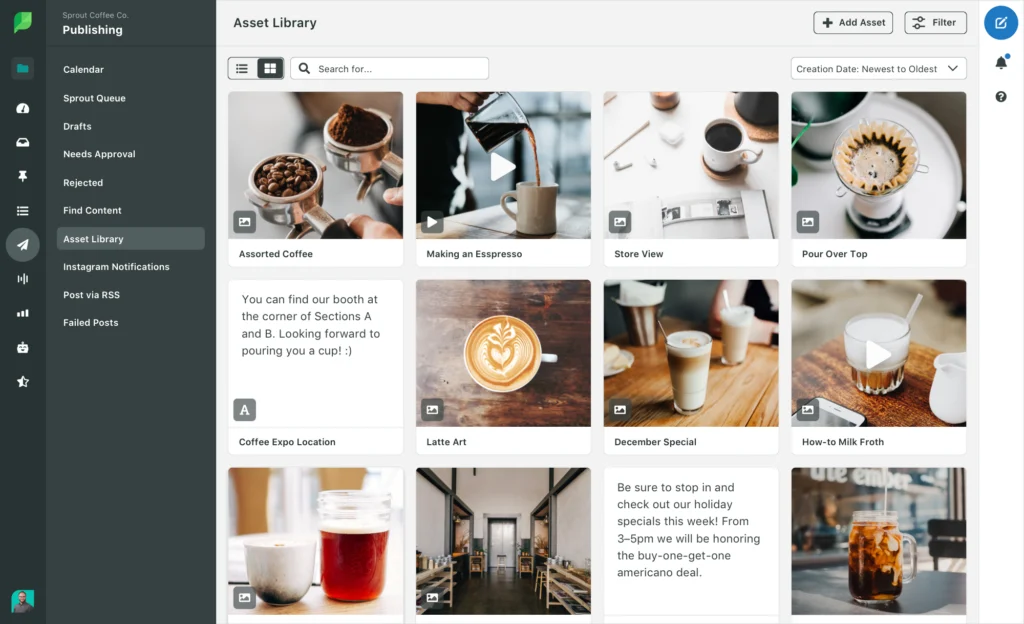
- Establish "Single Source of Truth" Assets: Use tools like the Sprout Social Asset Library to standardize pre-written, on-brand responses for common inquiries.
- Train and Onboard: If hiring seasonal staff, training should be completed before the Black Friday surge.
Phase 2: The Peak Intensity Period (Late November – December)
During the height of the shopping rush, speed is the currency of satisfaction. Data shows that 32% of users expect a same-day response, while 14% demand a resolution within minutes. During this period, teams should transition into a "triage" mindset, utilizing AI-powered sentiment analysis to prioritize high-risk or urgent messages over general inquiries.

Phase 3: Post-Holiday Evaluation (January)
The work does not stop when the gifts are opened. Post-holiday returns and post-purchase inquiries represent the final touchpoint of the year. Capturing performance metrics—such as average handle time and Customer Satisfaction Scores (CSAT)—is vital for identifying bottlenecks and refining the strategy for the following year.
Supporting Data: Why Social Care is Non-Negotiable
The data from the 2026 pulse survey paints a clear picture: failure to respond on social media is effectively a failure to serve the customer.
- Channel Preference: Direct Messaging (DM) remains the undisputed king of customer service, with 55% of consumers preferring it for brand interaction.
- The Public-to-Private Shift: One-third of consumers expect a public acknowledgement (a comment or mention) followed by a transition to a private conversation.
- The AI Acceptance Threshold: Contrary to the fear of "robotic" service, 70% of consumers express some level of comfort with AI-driven chatbots, provided the response is accurate and timely. This high level of acceptance is a green light for brands to implement automated triage systems.
Official Industry Perspectives: The Human-AI Hybrid
Leading brands are increasingly relying on a "Human-AI Hybrid" model. By leveraging generative AI for tone adjustment and response efficiency, customer care agents can focus on complex, high-empathy interactions that require a human touch.
For organizations like Educational Testing Service (ETS), the impact of data-driven care has been transformative. By analyzing recurring themes in their support queues, they were able to build a proactive FAQ strategy that reduced corporate response times by 33%, dropping from two hours to just 80 minutes. This is a testament to the fact that the best customer service is often the kind that prevents the customer from needing to contact you in the first place.

Strategic Implications: Security, Speed, and Scale
As brands lean further into social commerce, the implications for security and internal collaboration are profound.
Protecting the Customer
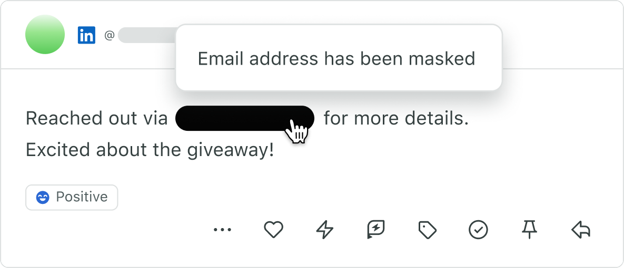
The holiday season is a high-risk environment for cybercrime. With the Internet Crime Complaint Center (IC3) reporting massive losses related to non-delivery and non-payment scams, brands have a moral and legal duty to protect user data. Never request sensitive information like credit card numbers in public comments. Instead, use secure, PCI-compliant platforms like Guardian by Sprout Social, which can automatically mask sensitive data or provide secure, encrypted forms for transaction verification.

Scaling Collaboration
For large teams, the biggest challenge is "siloing." If the marketing team is running a campaign while the support team is in the dark, frustration follows. Using collaborative tools like shared inboxes and automated case routing ensures that every message is accounted for. As Sean Rebero, Senior Manager of Customer Care at Discount Tire, notes, the integration of social data into enterprise platforms like Salesforce has been a "game changer," allowing agents to see the full context of a customer’s journey without switching tabs.
The Role of Predictive Monitoring
Finally, brands must monitor the "macro" environment. Using tools like NewsWhip, companies can track social conversations around their brand to detect potential PR crises before they spiral. Whether it’s a localized weather delay affecting shipments or a viral post about a product defect, early detection allows for a controlled, empathetic response that can actually strengthen brand loyalty during a crisis.
Conclusion: The Long-Term Value of Service
The holiday season is a litmus test for brand loyalty. A customer who receives a swift, helpful, and empathetic response on social media during a stressful shopping moment is significantly more likely to return.
By prioritizing social media as a primary pillar of the customer care strategy, brands can transform the inevitable holiday surge from a logistical headache into a competitive advantage. The tools for success are already available—from AI-assisted drafting to sophisticated case management systems—but the willingness to embrace a digital-first culture must come from within the leadership of the organization. As the festive lights go up, the focus should be on creating a seamless, efficient, and human-centric experience that resonates long after the new year begins.