The traditional blueprint for influencer marketing—a strategy once defined by the sheer scale of a creator’s reach—is officially obsolete. For years, the industry standard was simple: identify an account with the highest follower count your budget allowed, hand them a pre-written script, and wait for the impressions to roll in.
That model is no longer effective. In the evolving landscape of 2026, algorithmic social feeds have fundamentally altered how content is distributed. Today, audience attention is a distinct metric, entirely decoupled from an account’s total follower base. As a result, the "follower count" has been relegated to a vanity metric, failing to serve as a reliable predictor of campaign success or meaningful conversion.
The Shift in Consumer Sentiment: A Data-Driven Reality
Modern consumers have developed a sophisticated "BS detector." According to Sprout Social’s Q2 2026 Pulse Survey, a mere 17% of social users consider an influencer’s follower count when deciding whether to hit the "follow" button.
Instead, the modern audience prioritizes substance over scale. The data highlights a clear shift in consumer priorities:
- Topic Specificity (47%): Users are looking for depth in specific subjects rather than generic lifestyle updates.
- Brand Alignment (29%): Consumers are increasingly scrutinizing the companies a creator chooses to partner with.
- Content Quality (29%): The aesthetic and informational value of recent posts carries more weight than the influencer’s historical reach.
This transition marks a departure from the "celebrity-as-a-billboard" era toward a more nuanced, community-centric model. For brands, the challenge is no longer about finding the loudest voice in the room; it is about finding the most relevant one.
Defining the New Spectrum: Mainstream vs. Niche
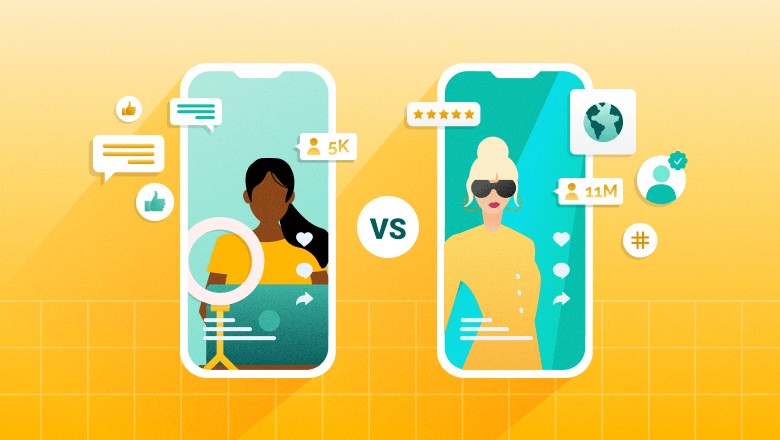
To build a sustainable influencer strategy in the current climate, brands must move beyond the binary of "big" vs. "small." Instead, they must categorize creators by their psychological and functional relationship with their audience.
Mainstream Influencers: The Modern Broadcast Network
Mainstream influencers operate as the digital equivalent of prime-time television. They possess massive, generalized audiences that span broad demographics. Their primary utility is reach and cultural visibility. When a brand needs to launch a global product or generate massive awareness around a specific event, these creators are the optimal choice.
However, the nature of their content—often polished, aspirational, and distant—means their followers view them more as media entities than peers. Our survey indicates that 59% of users follow these high-profile accounts primarily for entertainment. For Gen Z and Millennials, these influencers serve as a form of digital escapism, not necessarily as a source for reliable, everyday product advice.
Niche Creators: The Architects of Trust
Niche influencers (frequently categorized as micro or nano-influencers) operate on a different plane. Their authority is derived from expertise within a specific subculture, whether that is mechanical keyboard building, vintage horology, or plant-based culinary arts.
These creators do not broadcast; they engage. They are viewed as trusted experts within their specific circles, and their recommendations carry the weight of peer-to-peer advice. By fostering an environment of active, conversational content, they achieve high engagement rates that mainstream influencers simply cannot replicate.
Chronology of a Campaign: Comparing the Strategies
To understand the practical application of these two models, one must look at how they perform in the wild.
The Broad Awareness Model: Airbnb and Fabrizio Romano
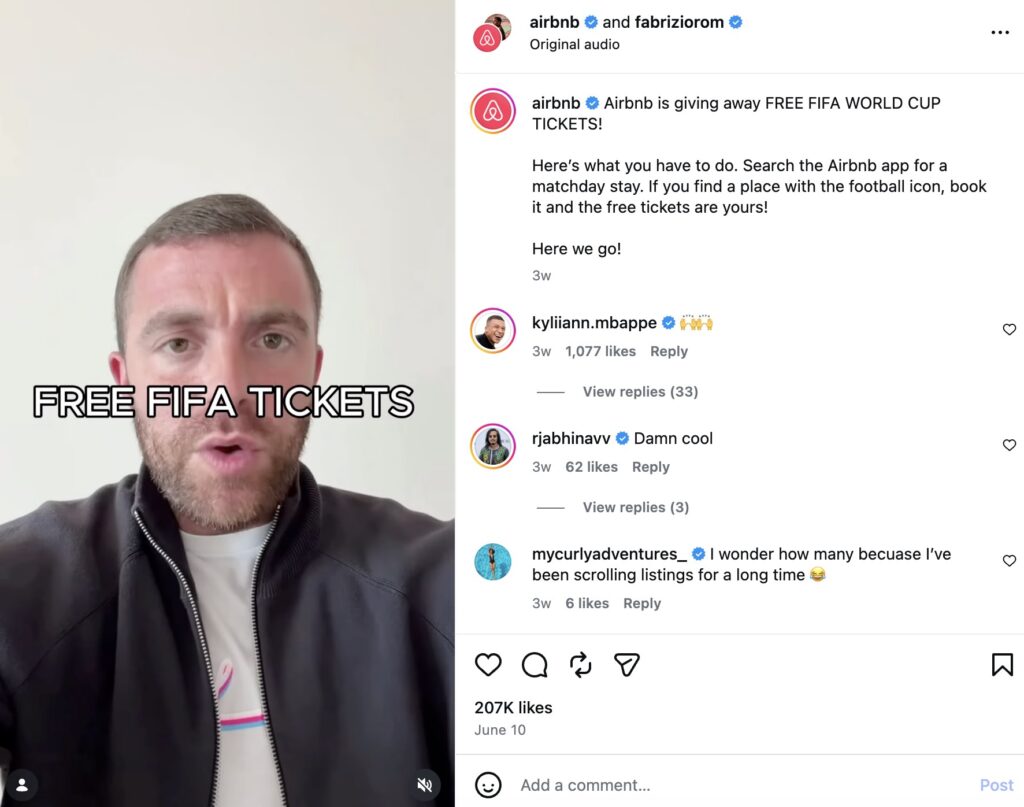
In 2026, Airbnb demonstrated the power of the "Mainstream" model by partnering with Fabrizio Romano—a titan in sports media—to announce a giveaway for World Cup tickets.
- The Context: The World Cup is a global, high-attention event.
- The Execution: By leveraging Romano’s massive reach, Airbnb tapped into an audience already primed for football-related content.
- The Result: The campaign generated over 200,000 engagements, proving that when the goal is pure, high-volume awareness, the "media brand" approach remains unmatched.
The Community Conversion Model: Kim Garcia and Maruchan
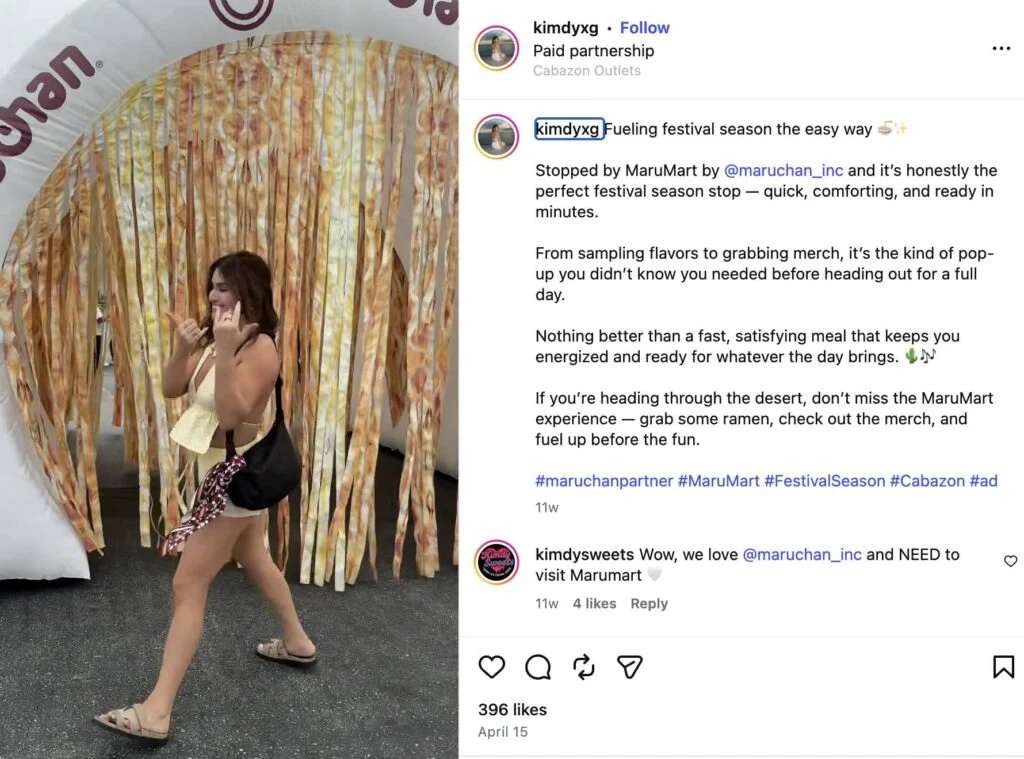
Conversely, consider the strategy used by creator Kim Garcia during a trip to Coachella.
- The Context: Garcia, a niche creator with an audience of 4,000, shared a sponsored post for a Maruchan ramen pop-up.
- The Execution: This wasn’t a random placement. Garcia had previously discussed the noodles as a travel essential, integrating the brand into her authentic lifestyle narrative.
- The Result: The post garnered 400 likes—an impressive 10% engagement rate. Because the recommendation felt like a natural extension of her content rather than a paid intrusion, it drove meaningful, high-intent interest.
Why Niche Dominates in Education and Trust
The data from our Q2 2026 report is unequivocal: audiences lean on niche creators for functional utility. When asked why they follow niche influencers, respondents cited:
- Educational Value (38%): Learning a specific skill or hobby.
- Product Discovery (36%): Seeking reliable, unbiased reviews.
- Community Belonging (31%): Feeling part of a like-minded group.
This depth of expertise translates directly into purchase intent. When presented with a choice, 21% of consumers prefer product recommendations from niche influencers compared to only 15% for large influencers. Among Gen Z, this gap widens further (29% vs. 18%). This indicates that trust is now the primary currency of the creator economy.
Strategic Implications: How Brands Should Navigate the Future
As the industry moves away from vanity metrics, brand managers must adopt a more rigorous, objective-based approach to partnerships. The following strategies are essential for navigating the current landscape:
1. Match the Objective to the Creator
If the goal is top-of-funnel awareness, lean into mainstream influencers who can provide mass exposure. If the goal is mid-to-bottom-funnel conversion, trust, or community building, prioritize niche creators.
2. Prioritize Topical Alignment Over Reach
Algorithms are no longer rewarding "reach" in the traditional sense; they are rewarding "relevance." If a creator’s content does not align with your brand’s niche, the algorithm will likely suppress the message, regardless of how many followers the creator has. Search for partners based on the conversations they are already having.
3. Build Long-Term Relationships
The "one-off" sponsored post is increasingly viewed as noise. To drive sustainable, compounding returns, brands must move toward long-term partnerships. When a creator embeds your brand into their ongoing narrative, the authenticity of the endorsement grows, which in turn elevates the trust their audience places in your product.
Conclusion: Mastering the Full Spectrum
The future of influencer marketing is not about choosing between "big" or "small"—it is about mastering the entire spectrum. By treating influencers as strategic partners rather than mere distribution channels, brands can cut through the noise of a saturated digital market.
As we look toward the remainder of 2026, the brands that succeed will be those that prioritize community, embrace topical depth, and recognize that the most powerful marketing happens when a brand becomes a genuine part of a creator’s life. Authenticity is the only long-term strategy that pays dividends; it is time to build your playbook around it.
For a deeper dive into these trends and actionable tactics for your next campaign, download the 2026 Influencer Marketing Report.