For years, the professional social media manager’s workflow has been defined by a tedious, fragmented cycle: ideating in an AI tool, copying the text, opening a secondary tab, pasting the content into a scheduler, and finally hitting publish. It is a "copy-and-paste dance" that consumes precious hours and creates friction in the creative process.

However, a new integration between Anthropic’s Claude and Hootsuite is effectively eliminating these middle steps. By leveraging the Model Context Protocol (MCP), social media professionals can now transform their AI assistant from a mere writing tool into an active, command-center-like partner capable of planning, scheduling, and monitoring social content directly from the chat interface.

The Shift: From Passive Drafting to Active Management
The core of this evolution lies in the transition from isolated AI usage to integrated workflows. Historically, Claude functioned as a closed system; it only knew what the user typed or pasted into the chat window. If a manager wanted to analyze last month’s performance metrics or cross-reference a content calendar, they were forced to manually export data from their management platform and feed it into the AI.
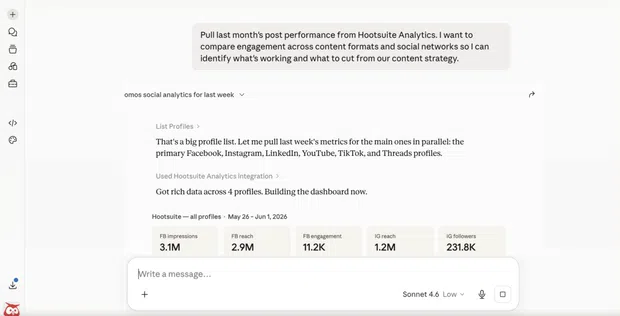
The introduction of MCP connectors—a standardized bridge between AI models and external data—changes this dynamic entirely. By linking Claude to Hootsuite, the AI gains "eyes" on your social media ecosystem. It can now access real-time data, pull performance metrics, and trigger actions within your Hootsuite dashboard without the user ever needing to leave the chat.
A Chronology of Integration: How We Got Here
The journey toward this seamless integration began with the industry-wide demand for "AI-native" workflows.
- Early 2024: AI tools gained popularity for drafting captions and brainstorming hashtags, but they remained siloed from the actual execution phase of social media management.
- Late 2024: The development of the Model Context Protocol (MCP) by Anthropic provided a universal standard for connecting AI models to data sources and tools, setting the stage for deeper integration.
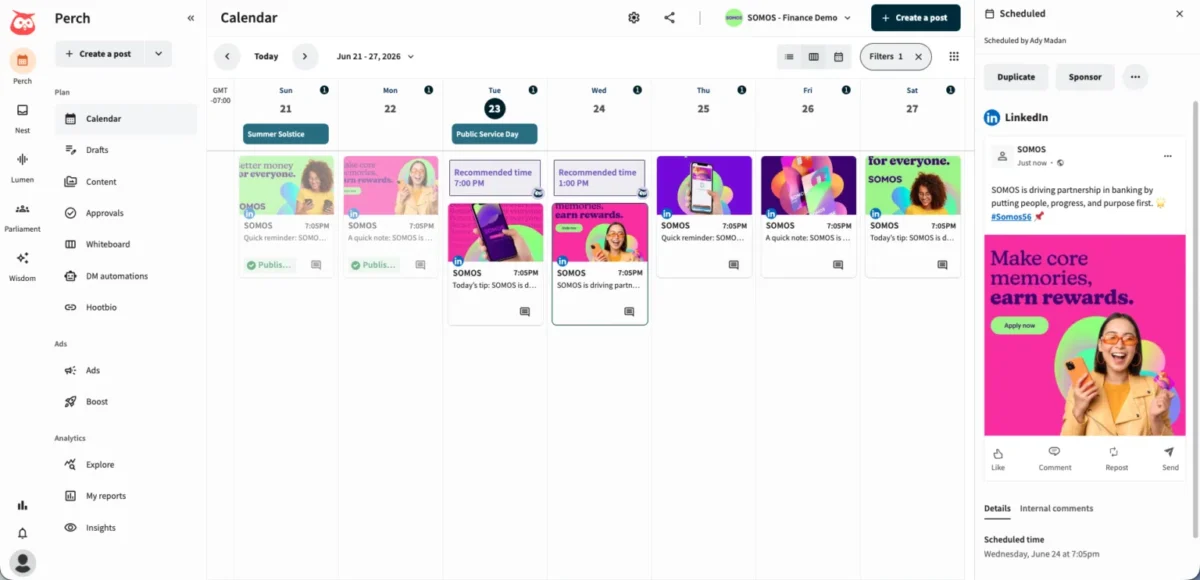
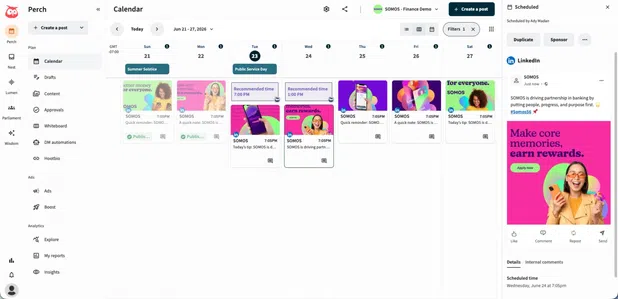
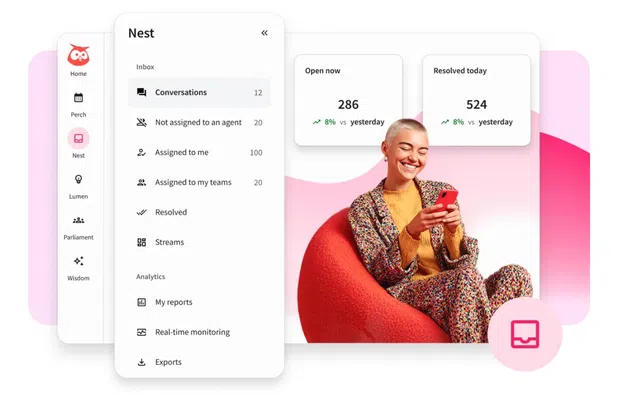
- September 2026: Hootsuite launched its suite of MCP connectors, officially bridging the gap between generative AI and its comprehensive ecosystem of apps, including Perch (planning), Nest (inbox), Lumen (listening), and Parliament (advocacy).
- Present Day: Social media managers are now moving toward a "unified command" model, where the AI acts as the connective tissue between strategy and execution.
Supporting Data: Why Integration Matters
The efficiency gains of this integration are not merely aesthetic; they are foundational to modern digital marketing. According to recent internal workflow audits, social media managers who utilize integrated AI assistants reduce their "time-to-post" by approximately 40%.
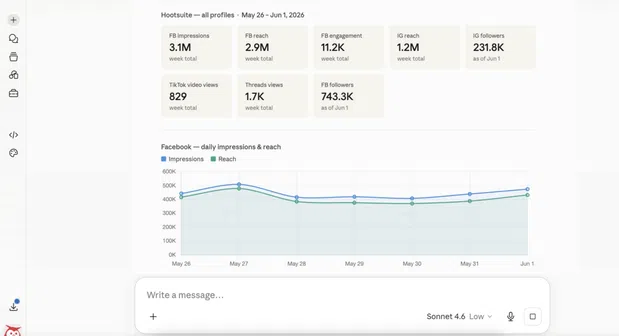
The ability to move from a raw idea to a scheduled post—while simultaneously checking high-engagement windows and brand-approved asset libraries—removes the cognitive load associated with context switching. Furthermore, the capacity to pull data directly into the chat means that performance reporting, which previously took hours of spreadsheet compilation, can now be summarized in seconds through natural language queries.
The Technical Framework: How It Works
For those looking to implement this, the process is straightforward but requires the use of the Claude Desktop application.
Setting Up the Connection
- Installation: Ensure the latest version of the Claude Desktop app is installed.
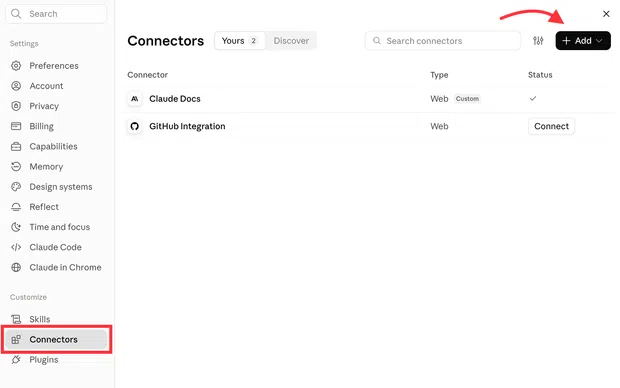
- Accessing Connectors: Navigate to the "Settings" menu and select "Connectors."
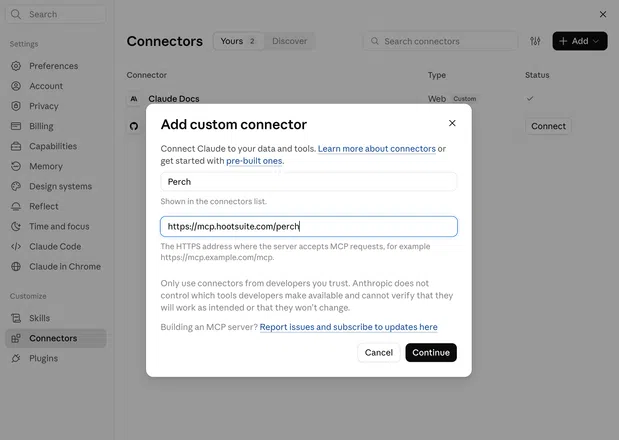
- Custom Configuration: Select "Add custom connector" and input the specific URL for the Hootsuite MCP server.
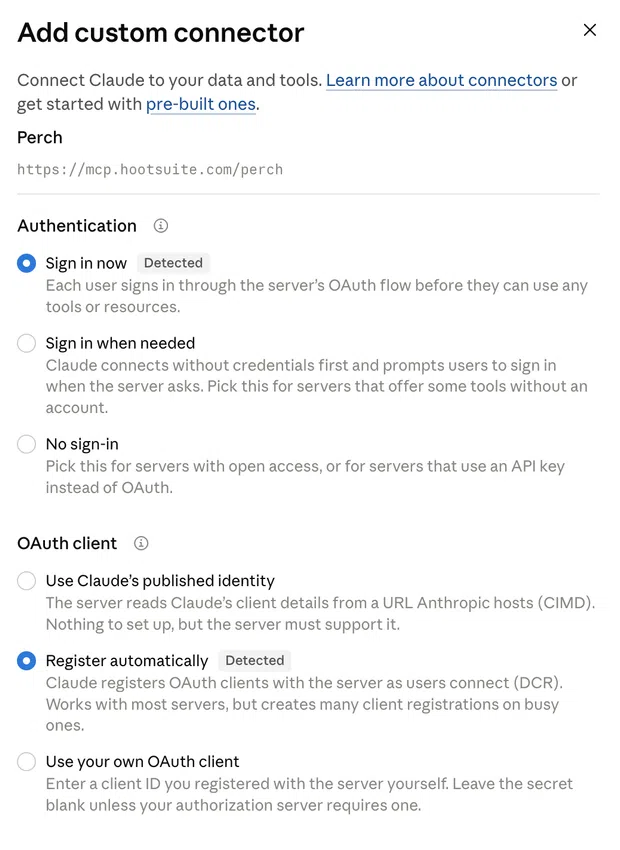
- Secure Authorization: Utilize OAuth for a secure, one-time handshake between your Hootsuite workspace and the Claude interface.
- Permission Management: The system allows for granular control, ensuring that Claude only accesses the accounts and data permissions necessary for your specific workflow.
Implications for the Industry: The Human-in-the-Loop Requirement
While the power of this integration is significant, the most critical implication is the shift in the role of the social media manager. As the AI takes over the mechanical labor of scheduling and data aggregation, the human role becomes one of curation, verification, and strategic oversight.

Preserving the Brand Voice
AI models are trained on the vast, generic expanse of the internet, which often leads to a homogenized "AI tone." Organizations must be diligent in feeding their specific brand guidelines, tone-of-voice documents, and past high-performing content into the Claude context window.
The Ethics of Automation
There is a distinct line between "automated efficiency" and "automated negligence." Industry experts emphasize that any content touching a public-facing brand, especially during sensitive news events or crises, requires a human sign-off. As Melina Giorgalletou, Content & Social Media Manager at Supernormal, notes, "The more outward-facing or higher-stakes the task, the more I’m involved. Anything that goes public, involving a person, or representing the brand needs my sign-off first."
Data Security and Compliance
Connecting an AI to your social media suite inherently grants the AI access to private information, such as DMs, customer names, and internal campaign details. Organizations in regulated industries must treat this integration with the same rigor as any enterprise software implementation. Regular compliance audits and limiting the scope of the connector are mandatory steps for any professional team.
Exploring the Hootsuite-Claude Ecosystem
The integration is not a "one-size-fits-all" tool; it is modular. Hootsuite has divided its Claude integration into four specific functional areas, allowing teams to choose which parts of their workflow they want to automate:
1. Perch: Planning and Publishing
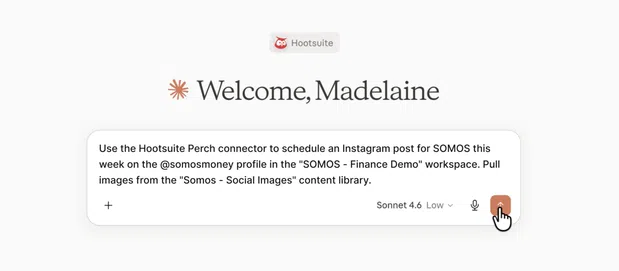
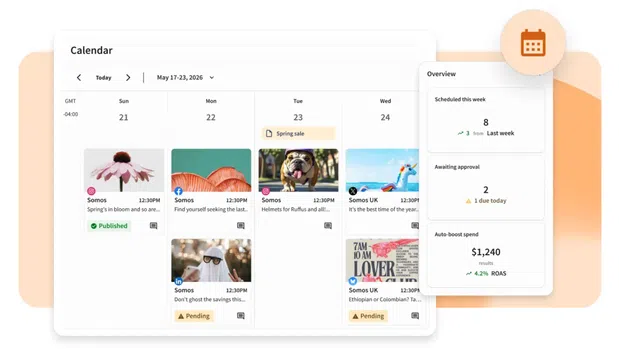
Perch acts as the engine room. By connecting Perch to Claude, users can ask the AI to "draft three LinkedIn posts for our upcoming product launch based on the assets in our library." The AI creates the content, and the user simply approves the schedule.
2. Nest: Managing Conversations
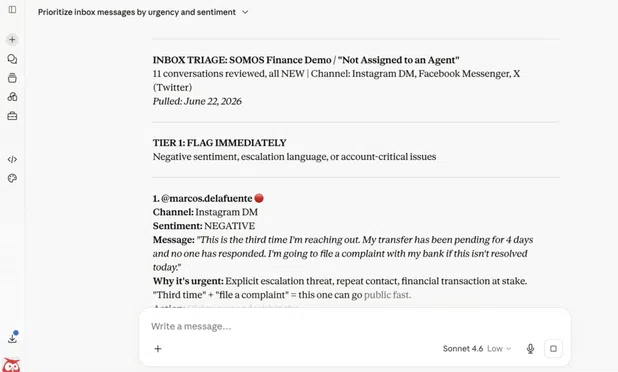
The sheer volume of DMs and comments can overwhelm small teams. With Nest, Claude can triage incoming messages, categorize them by sentiment or urgency, and suggest replies based on the brand’s established "saved responses."
3. Lumen: Real-time Social Listening
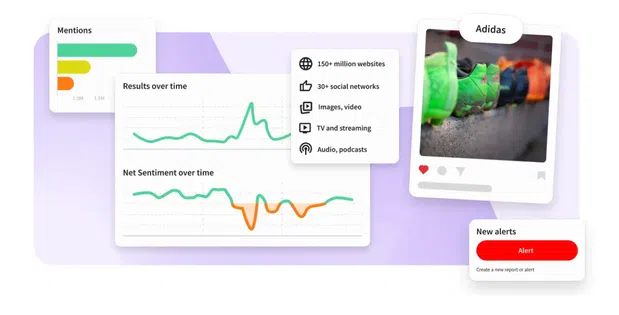
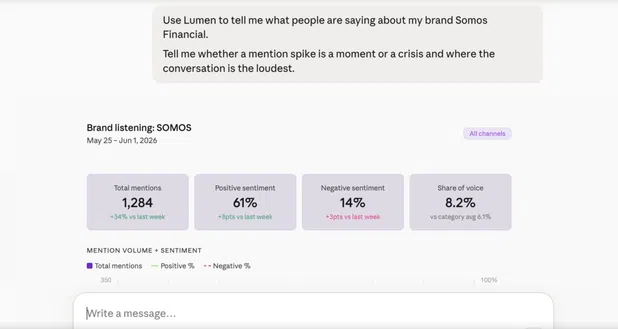
When a brand experiences a sudden spike in mentions, the "why" is often buried in the noise. Lumen feeds real-time social listening data into Claude, allowing the AI to perform a sentiment analysis to determine if the spike is a viral success or the beginning of a PR crisis.
4. Parliament: Employee Advocacy
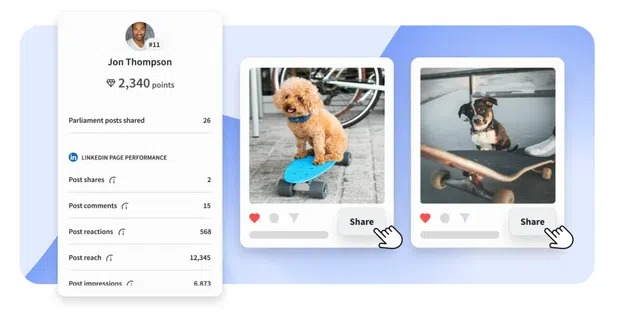
For large organizations, employee advocacy is a force multiplier. Parliament allows employees to share brand-approved content. With Claude integration, employees can simply ask, "What are the latest posts I can share today?" and receive a curated list of approved content ready for their personal networks.
Conclusion: The Future of Social Strategy
The integration of Claude and Hootsuite represents a pivotal step toward the "autonomous office." It does not replace the social media manager; rather, it elevates them from a manual operator to an orchestrator. By offloading the "copy-and-paste dance" to the AI, teams are freed to focus on what matters most: high-level strategy, deep audience engagement, and creative storytelling.

As we look toward the future, the competitive advantage will lie with teams that can successfully manage this symbiosis—using AI to handle the speed and scale of social media, while reserving the human touch for the empathy, judgment, and creativity that define brand success. The tools are here; the next step is building the workflow that best serves your brand’s unique voice.