

In the modern digital landscape, the function of the social media team has undergone a seismic shift. No longer relegated to the periphery as simple "content broadcasters" or community moderators, social media teams have become the eyes and ears of the modern corporation. They occupy a dual mandate: representing the brand’s voice to the public while simultaneously acting as the primary sensors for the organization, capturing real-time market sentiment, consumer pain points, and emerging industry trends.
Today’s most successful enterprises are those that have dismantled the silos between social media management and high-level business strategy. By leveraging the vast, unfiltered streams of data available on social platforms, forward-thinking brands are reshaping their R&D, customer support models, and crisis management frameworks.
The Evolution of the Social Mandate: A Chronology of Change
The journey of social media from a mere promotional tool to a core business intelligence engine did not happen overnight.

- The Broadcast Era (2005–2012): Social media was largely treated as a digital billboard. Brands focused on reach, vanity metrics, and one-way communication.
- The Engagement Era (2013–2018): Recognition grew that social media required interaction. Brands began building "community teams" focused on replying to comments and fostering brand loyalty through conversation.
- The Intelligence Era (2019–Present): With the explosion of AI-driven analytics and social listening tools, social data became a critical asset for product development, crisis mitigation, and predictive business intelligence. The "social-first" organization now prioritizes listening as much as speaking.
Data-Driven Insights: Why Social Intelligence Matters
The shift toward treating social media as a strategic business pillar is supported by clear, quantifiable data. According to The 2025 Sprout Social Index, 93% of consumers demand that brands stay current with online culture. However, this expectation is nuanced; consumers do not want brands to blindly chase every fleeting viral trend. Instead, they seek brands that demonstrate a deep, authentic understanding of their specific niche interests.
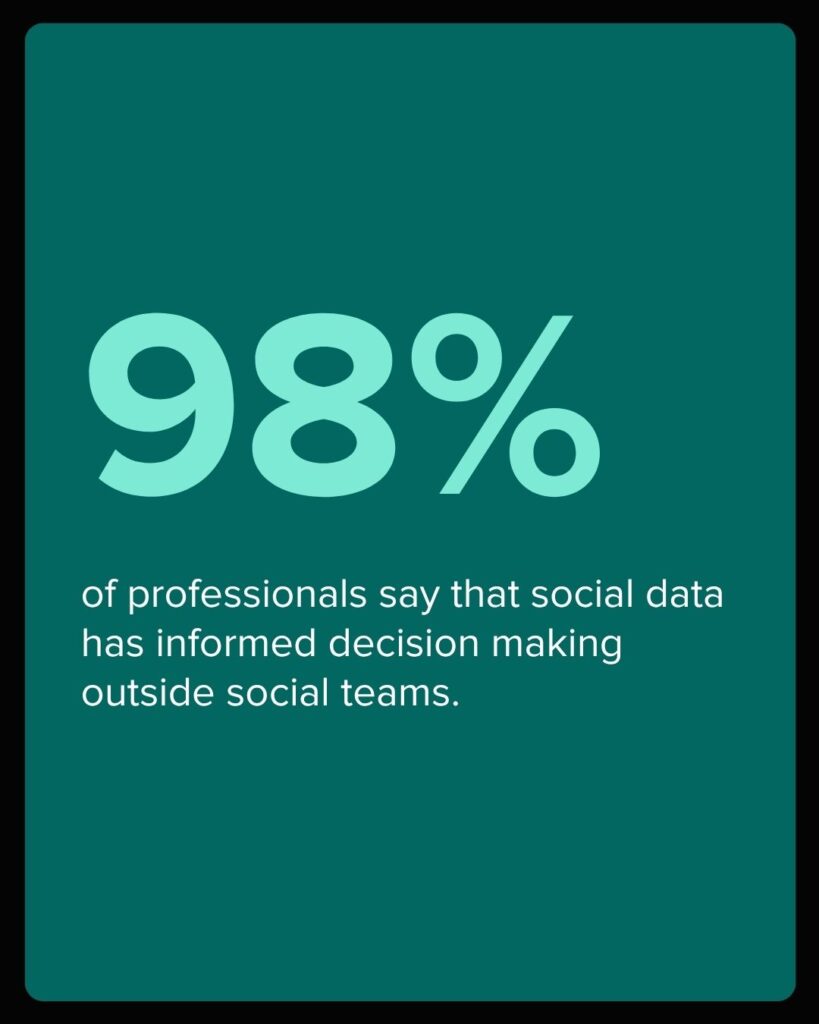
Furthermore, a staggering 98% of industry professionals confirm that data captured by social teams has informed high-level decision-making outside the marketing department. This cross-functional utility is the hallmark of the modern enterprise.
1. Building Community Through Cultural Fluency
Community building is the ultimate buffer against algorithmic volatility. As the internet becomes increasingly fragmented, consumers are retreating into niche, interest-based pockets. Brands that prioritize community over mere reach find that their audience seeks them out habitually. By engaging in two-way conversations, brands create a feedback loop that informs content strategy, making it more resonant and less like a disruptive advertisement.

2. Accelerating Decision-Making Across the Enterprise
Social media managers are the first to identify shifts in sentiment. When a product feature is failing or a competitor’s messaging is landing better than your own, the social team is the first to know. By formalizing the flow of this information into R&D and product roadmaps, organizations can pivot in days rather than weeks, effectively closing the gap between consumer feedback and product iteration.
3. The Rise of SOSEO and AEO
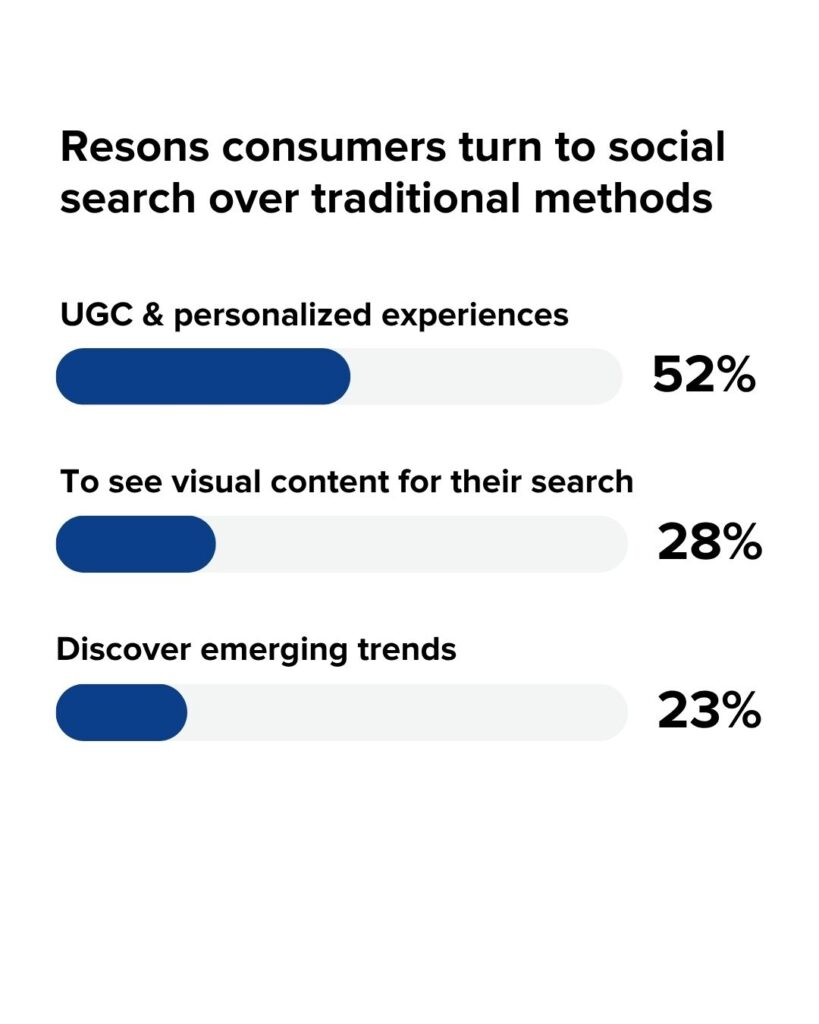
The discovery journey has fundamentally changed. Social media platforms are now acting as primary search engines, leading to the rise of Social Media Search Engine Optimization (SOSEO). Furthermore, AI chatbots—like those powering ChatGPT or Perplexity—rely on authentic, community-driven data from platforms like Reddit and TikTok to formulate answers for users. By optimizing social content, brands ensure they are the authoritative sources that AI tools pull from, effectively "future-proofing" their brand visibility in an AI-dominated search landscape.
Crisis Management: The Proactive Defense
In an age of instant, global scrutiny, a minor lapse in judgment or a service failure can escalate into a full-scale reputation crisis within hours. The most effective risk management strategy is, paradoxically, a proactive social-first approach. By utilizing social listening tools to identify early-warning signals—such as a spike in negative sentiment or a specific pattern of complaints—brands can address issues before they gain mainstream traction. With 93% of consumers expecting brands to do more to combat misinformation, the ability to act as a source of truth during a crisis is a key differentiator.
The ROI of Customer-Centricity
Customer engagement is no longer just about sentiment; it is a direct contributor to revenue. The latest research indicates that 45% of professionals have successfully boosted customer retention by engaging with users proactively.
The Social Commerce Pipeline
Social commerce has effectively removed the "friction of distance" in the sales cycle. For B2C brands, the integration of in-app purchasing—such as TikTok Shop—has streamlined the path to conversion. For B2B companies, the cycle is longer, but social media remains vital for building the trust and authority required to land high-ticket sales. Success in B2B is measured by high-value engagement, such as educational content saves, long-form content reads, and direct inquiries.
Case Studies: Real-World Implementation
The practical application of these strategies is best seen in organizations that have fully integrated social intelligence into their operations.
Honda: Innovation Through Two-Way Dialogue
American Honda transformed its social media team from a support function into a strategic engine for R&D. By utilizing automation and listening tools, the team reclaimed 40 hours of manual labor per month, redirecting that capacity toward high-level data analysis. This allowed the team to provide the R&D department with real-time feedback on electric vehicle sentiment, ensuring that product innovation is directly backed by consumer reality.
Lemonade: Trust-Based Customer Care
The insurance provider Lemonade utilizes a social-first care model to build brand trust. By centralizing all customer interactions within a single inbox, they have eliminated the silos between marketing and support. This allows them to handle policy questions and claims with the same level of empathy and accuracy that they use in their advertising, ensuring a consistent brand voice across all touchpoints.
Casey’s: Bridging the Gap with Salesforce
Casey’s represents the pinnacle of cross-departmental integration. By linking their social media management platform with Salesforce, they enabled a seamless flow of data between their social team and their Guest Relations department. This integration reduced response times by 90%, moving from a three-day delay to a three-to-five-hour window. This is not just a marketing success; it is a fundamental improvement in organizational efficiency and customer satisfaction.

Implications for Future Growth
The role of the social media manager has evolved into that of a "strategic translator." They interpret the nuanced, often chaotic data of the global internet and translate it into actionable business intelligence.
As we look toward the future, the divide between "the brand" and "the community" will continue to blur. Companies that view social media as a broadcast channel are destined to become irrelevant. Conversely, those that invest in social intelligence—listening as loudly as they speak—will find themselves with a competitive edge that is nearly impossible for legacy competitors to replicate.
The message for leadership is clear: The most valuable business insights are not buried in a boardroom presentation; they are being shared in real-time on the social feeds of your customers. The only question remains: Is your organization listening?