In the rapidly evolving landscape of digital marketing, the debate between using "boosted posts" and "dedicated social advertisements" remains one of the most common points of confusion for brand managers and entrepreneurs alike. As we move further into 2026, where organic reach continues to face headwinds across platforms like Meta, LinkedIn, and TikTok, understanding the nuance of your paid spend is no longer optional—it is a competitive necessity.
While both formats involve exchanging currency for visibility, they are fundamentally different tools designed for different stages of the customer journey. Choosing the wrong one can lead to "budget leakage," where funds are spent on vanity metrics rather than driving tangible business growth.

The Main Facts: Defining the Two Pillars of Paid Social
At its core, the distinction lies in the intent and the infrastructure.
What is a Boosted Post?
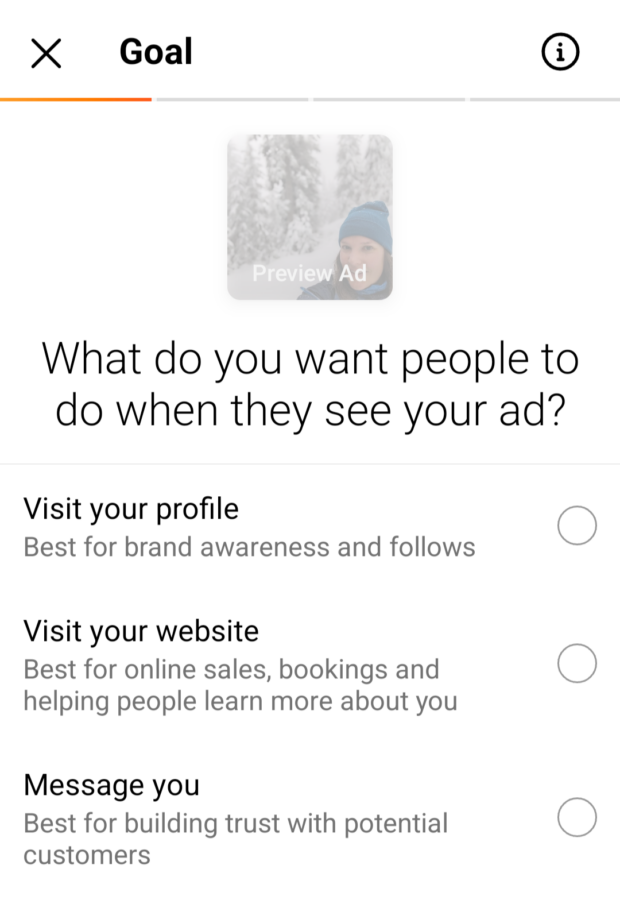
A boosted post is the "quick-start" version of social advertising. It takes an existing piece of organic content—a post that is already living on your feed—and applies a budget to it to ensure it reaches a wider or more targeted audience. It is a simplified process: you click a button, select a basic demographic, set a budget, and the platform does the rest. It is designed for speed, ease of use, and quick engagement.

What is a Social Ad?
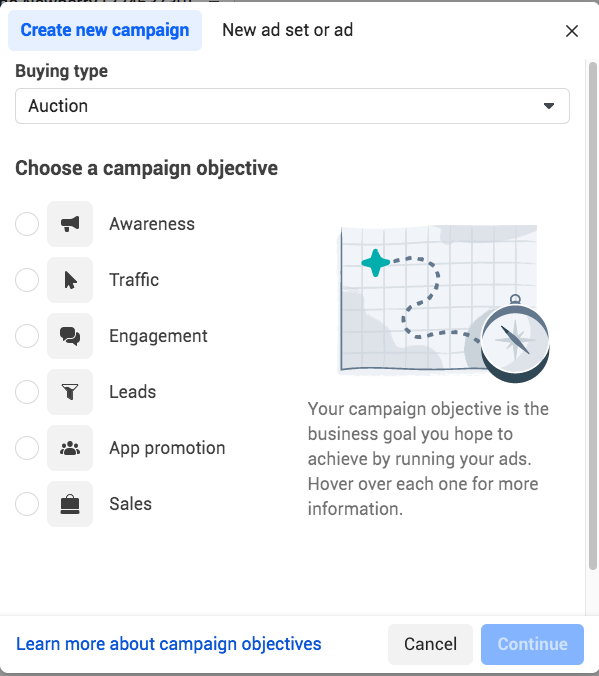
A social ad is a strategic, purpose-built asset created within a professional management interface, such as Meta Ads Manager or LinkedIn Campaign Manager. Unlike a boosted post, which is an afterthought, a social ad is "born" in the ad manager. It allows for complex campaign objectives (like conversion-focused sales or app installs), granular audience targeting, and multi-variant creative testing.
Chronology of Development: From Simple Feeds to Complex Ecosystems
To understand why we have these two formats, one must look at the evolution of social platforms:

- Early 2010s (The Era of Organic): Social platforms were primarily chronological. Brands posted content, and followers saw it.
- Mid-2010s (The "Pay-to-Play" Pivot): As algorithms became more sophisticated, organic reach began to decline. Platforms introduced "Boost" buttons as a user-friendly way for small businesses to combat decreasing visibility without needing a marketing degree.
- 2018–2022 (The Rise of Advanced Attribution): As privacy regulations (like iOS 14.5) tightened, platforms forced brands toward more robust ad management tools to track pixels and conversions effectively.
- 2025–2026 (The AI-Driven Era): Today, we see a convergence. While boosting remains a staple for small-scale engagement, the industry is shifting toward AI-optimized, full-funnel ad campaigns that utilize predictive modeling to find customers, rendering the "set-it-and-forget-it" model of the past less effective.
Supporting Data: Why the Distinction Matters
According to recent industry forecasts, social network ad spending in the U.S. is expected to account for roughly 32% of all digital ad dollars by the end of 2025. With nearly $100 billion in Meta ad revenue annually, the efficiency of your spend determines your survival.
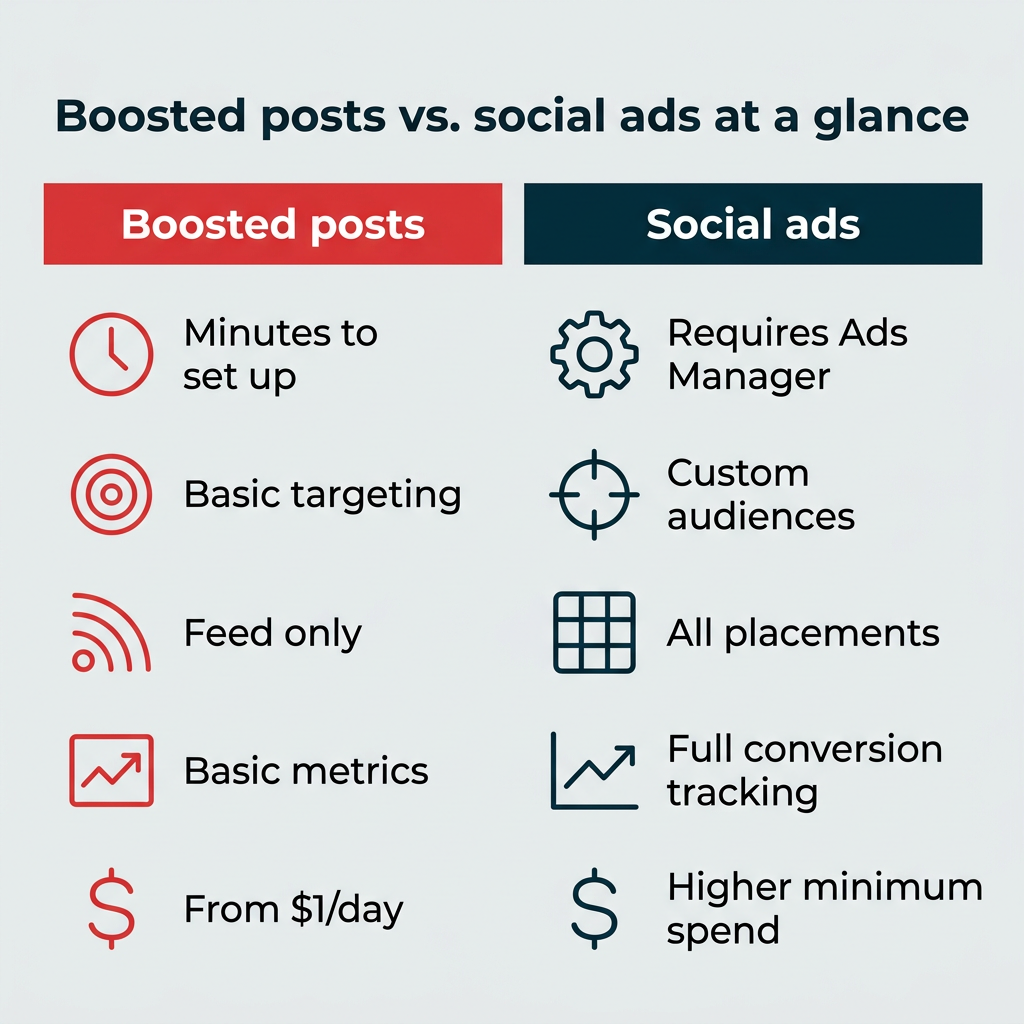
| Feature | Boosted Post | Social Ad |
|---|---|---|
| Primary Goal | Engagement/Reach | Conversion/Sales |
| Setup Time | < 5 Minutes | 30+ Minutes |
| Targeting | Basic (Age/Interest) | Advanced (Custom/Lookalike) |
| Creative Control | Limited (Original format) | Full (Dynamic/Carousel/Lead form) |
| ROI Tracking | Surface-level | Pixel-based/Attribution |
Key Insight: Data consistently shows that while boosted posts are superior for "social proof" (maintaining the likes and comments of an organic post), they fail to compete with dedicated ads in terms of ROAS (Return on Ad Spend) for e-commerce and lead-generation campaigns.
Official Perspectives: Platform-Specific Nuances
Major platforms have adopted specific stances on how these tools should be utilized.
Meta (Facebook & Instagram): Meta emphasizes that while boosted posts are excellent for awareness, they are not designed for bottom-of-the-funnel conversions. They have recently introduced "Advantage+" tools to bridge the gap, yet they still maintain a firm boundary between the "Boost" experience and the sophisticated controls of Ads Manager.
LinkedIn: LinkedIn has been more aggressive in pushing their "Boost" feature as a thought-leadership tool. They explicitly recommend boosting posts that feature company culture, events, or executive insights, while reserving their Campaign Manager for ABM (Account-Based Marketing) and high-intent lead generation.
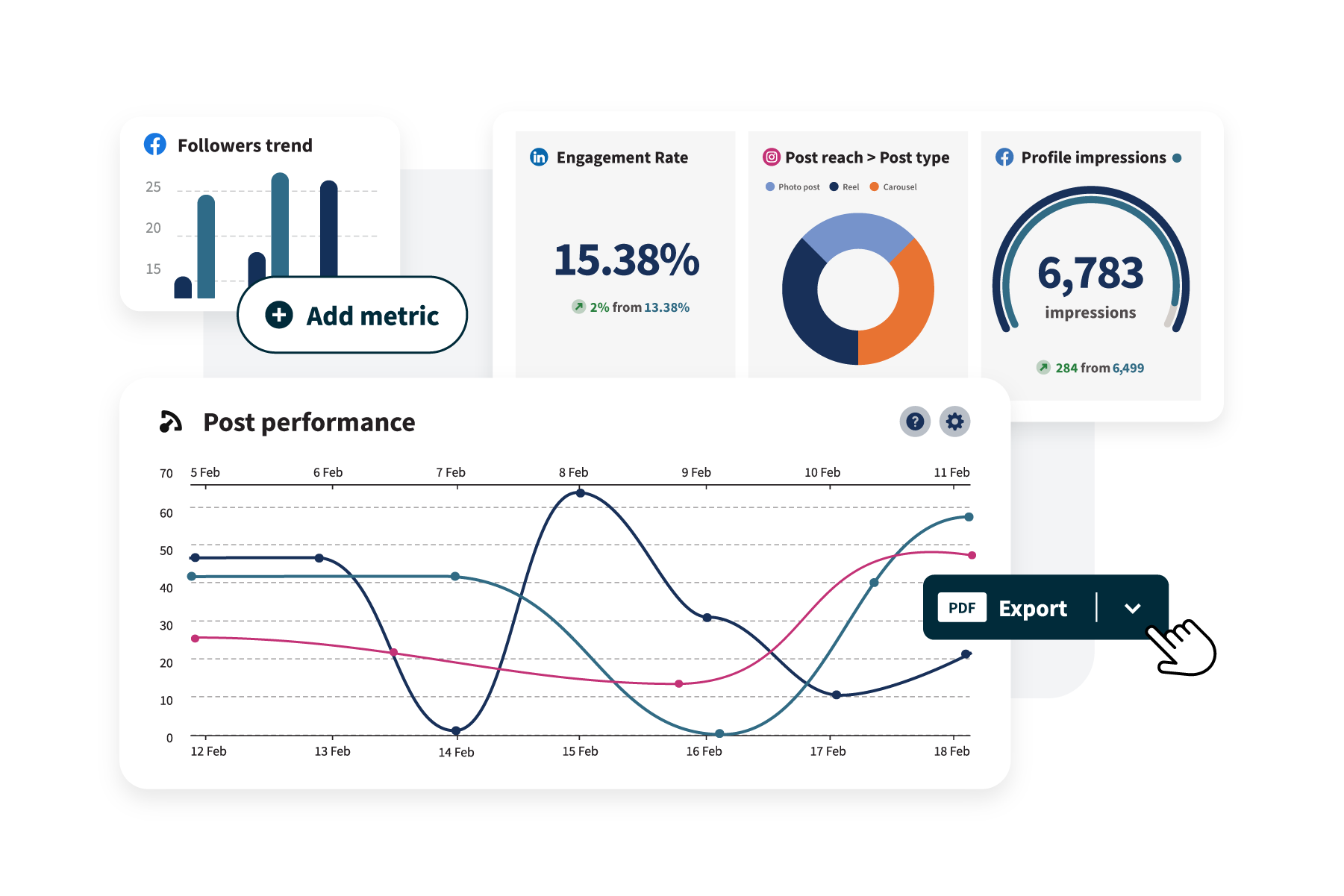
The "Apple Tax" Factor: A critical administrative reality in 2026 is the 30% service fee levied by Apple on payments processed through their iOS apps. Savvy brands are bypassing this by managing all ad spend through desktop-based platforms or unified third-party dashboards like Hootsuite.
Strategic Implications: How to Build Your 2026 Framework
The most successful marketing teams do not choose between these options; they integrate them into a Unified Paid Strategy.
Phase 1: The "Test and Learn" (Boosted Posts)
Use boosted posts as your "R&D department." When you post organic content, let it run for 24–48 hours. If one post receives a higher-than-average engagement rate, allocate a small budget ($10–$20/day) to boost it. This acts as a litmus test to see which messages resonate with your audience without wasting significant budget on untested creative.
Phase 2: The "Scale and Convert" (Social Ads)
Once a boosted post has proven that its creative angle works, transition that insight into a full ad campaign. Use the exact same visual assets and copy, but move them into an Ad Manager campaign. Now, apply sophisticated targeting, such as "Lookalike Audiences" (finding people who mirror your current customers) or "Retargeting" (showing ads to those who already visited your website).
Phase 3: Optimization and Reporting
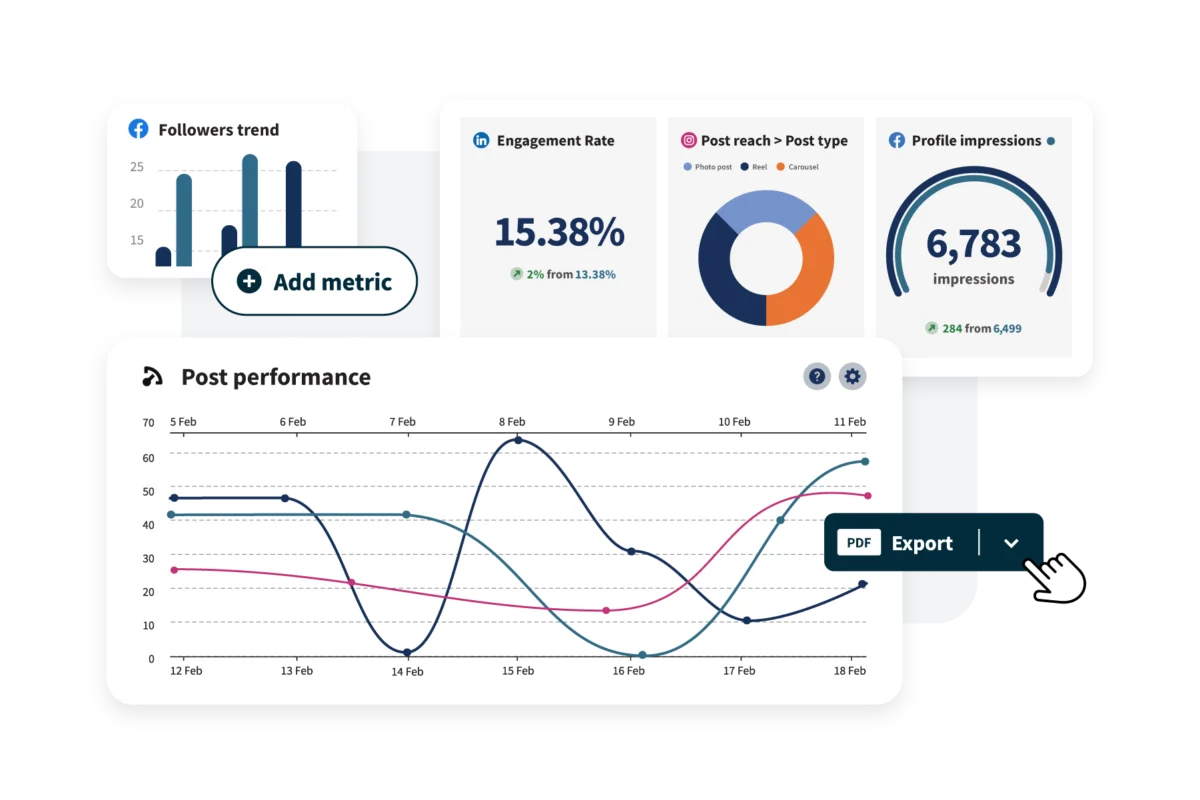
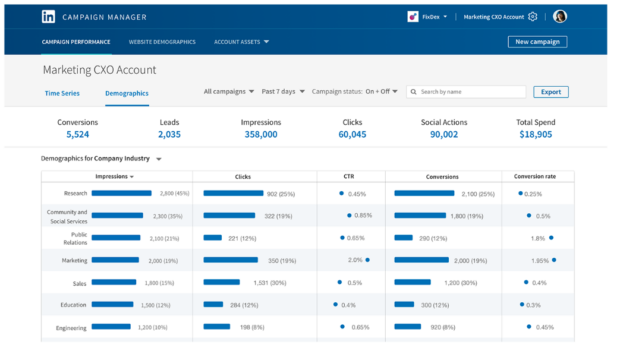
Social ads provide the deep-dive analytics necessary for leadership reporting. You can track exactly how many clicks led to a sale, what the Customer Acquisition Cost (CAC) was, and which demographic segments are the most profitable.
The Verdict: Which One Is Right for You?
Use a Boosted Post if:
- You are a small business with limited time and technical resources.
- Your goal is purely to increase brand awareness or follower growth.
- You want to amplify a post that is already performing well organically.
- You have a limited budget and need to keep things simple.
Use a Social Ad if:
- Your primary goal is driving website conversions, app installs, or high-quality leads.
- You have a sophisticated sales funnel that requires retargeting users who have interacted with your brand.
- You need to run A/B tests on headlines, imagery, and CTAs to optimize performance.
- You are managing a large-scale campaign where efficiency and ROI are tracked at the granular level.
Conclusion: The Path Forward
The "Boosted Post vs. Ad" debate is ultimately a question of maturity. While boosted posts serve as a vital entry point for social media advertising, they are not a substitute for the precision, control, and ROI-focused power of full-scale ad campaigns.
As the digital ecosystem grows more competitive in 2026, the brands that win will be those that treat their social media advertising as a cohesive, data-driven ecosystem. By using boosted posts to validate your content and social ads to drive your business outcomes, you create a cycle of continuous improvement.

For those looking to streamline this process, utilizing a unified dashboard—such as Hootsuite’s social advertising suite—allows for the management of both formats under one roof. This not only avoids unnecessary fees like the Apple service surcharge but also provides the holistic view of performance needed to scale effectively in the coming year.
Final Tip: Do not let the complexity of Ads Manager deter you. Start by running your first campaign today, monitor the data, and remember: in social advertising, what gets measured is what gets managed. Turn your social presence into a predictable growth engine by mastering the distinction between boosting and building.