In an era where a cheaper, faster alternative is consistently just one click away, the traditional concept of brand loyalty is undergoing a radical transformation. For decades, companies relied on habit and limited choice to retain customers. Today, the landscape is defined by hyper-choice, global competition, and a consumer base that demands more than just a functional product—they demand an alignment of values.
As we look toward 2026, building lasting relationships with consumers has become the primary differentiator between market leaders and those destined for obsolescence.

Defining the Loyalty Paradigm: Emotion vs. Transaction
To effectively cultivate loyalty, businesses must first distinguish between two often-confused concepts: Brand Loyalty and Customer Loyalty.
While they are frequently used interchangeably, they operate on different psychological planes. Customer loyalty is primarily transactional. It is fueled by external incentives such as reward points, aggressive discounts, and sheer convenience. A customer who shops at a specific retailer because they have a coupon or a membership card is exhibiting customer loyalty; however, the moment a competitor offers a better deal, that customer will likely defect.

Brand loyalty, by contrast, is rooted in identity and emotional connection. It is the intangible bond that compels a consumer to wait in line for an Apple product launch or stick with a specific athletic brand despite the availability of more affordable generic alternatives. Brand-loyal customers view their purchases as an extension of their personal values. They are significantly less price-sensitive and far more resilient to the "race to the bottom" pricing wars that characterize modern e-commerce.
The Evolution of the Brand Loyalty Pyramid
In the 1990s, David Aaker, the seminal figure in modern branding, introduced the "Brand Loyalty Pyramid" to map the journey from indifference to advocacy. This framework remains highly relevant in the digital age, illustrating five distinct stages:

- The Switcher: The consumer has no brand preference and is entirely driven by price or availability.
- The Habitual Buyer: The consumer buys out of routine. They are satisfied, but not emotionally attached.
- The Satisfied Buyer: The consumer is happy with the product and considers the cost of switching to be too high.
- The Likers: The consumer has a genuine affinity for the brand, often based on positive past experiences.
- The Committed Buyer: The consumer has developed a sense of pride and identity associated with the brand, often becoming an active advocate.
Why Loyalty is the Ultimate Growth Strategy
In a volatile economic climate, brand loyalty serves as a strategic hedge. The business case for prioritizing loyalty is twofold: it drastically reduces the soaring costs of customer acquisition (CAC) and stabilizes revenue through increased Customer Lifetime Value (CLV).
Acquiring a new customer is significantly more expensive than retaining an existing one. Furthermore, loyal customers act as an unpaid, highly effective marketing department. Through word-of-mouth recommendations and social media advocacy, they drive the most credible form of discovery for new prospects. According to recent industry data, shared social content—the digital evolution of word-of-mouth—is a primary catalyst for moving potential buyers into the "consideration" phase of the sales funnel.

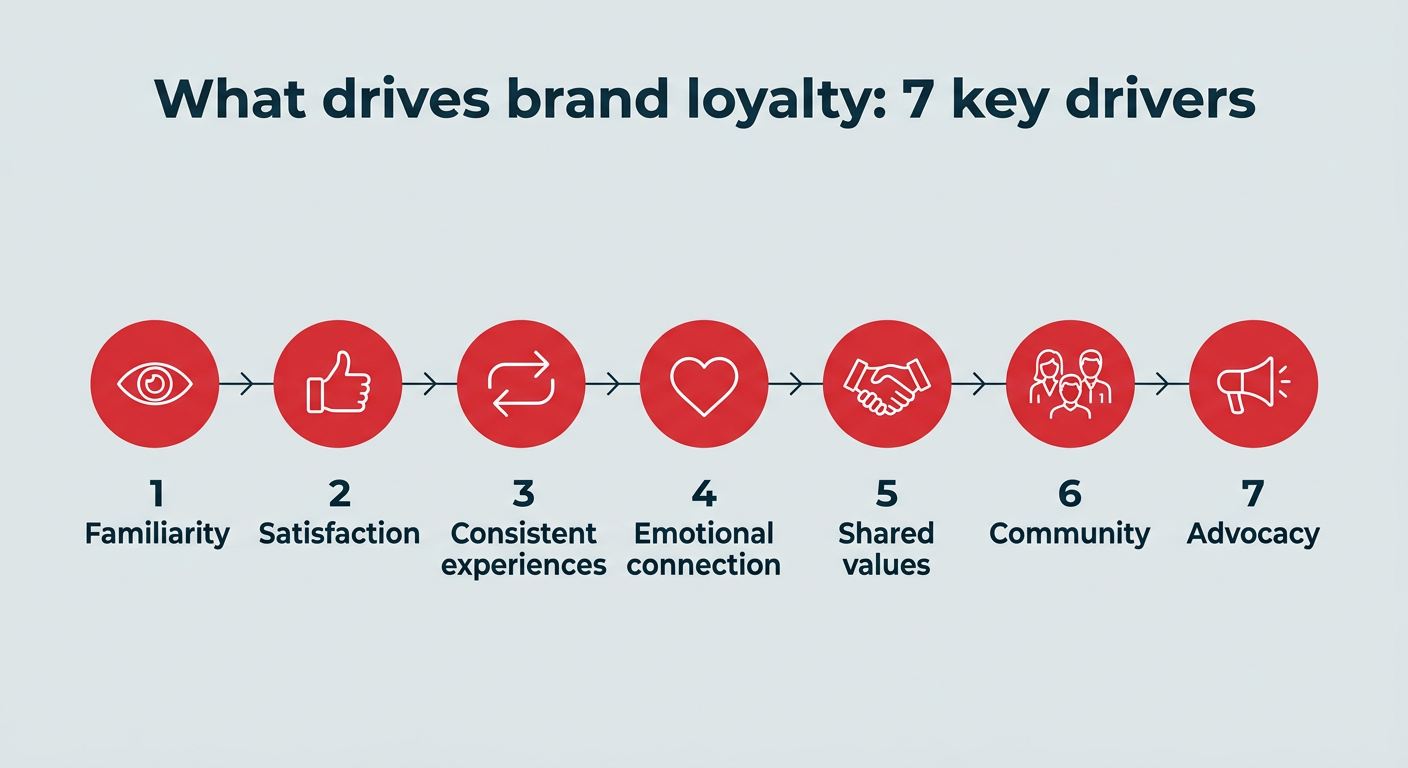
7 Strategic Pillars for 2026
To build a brand that resonates in the coming year, companies must transition from static marketing to dynamic, relationship-based engagement.
1. Radical Customer Understanding
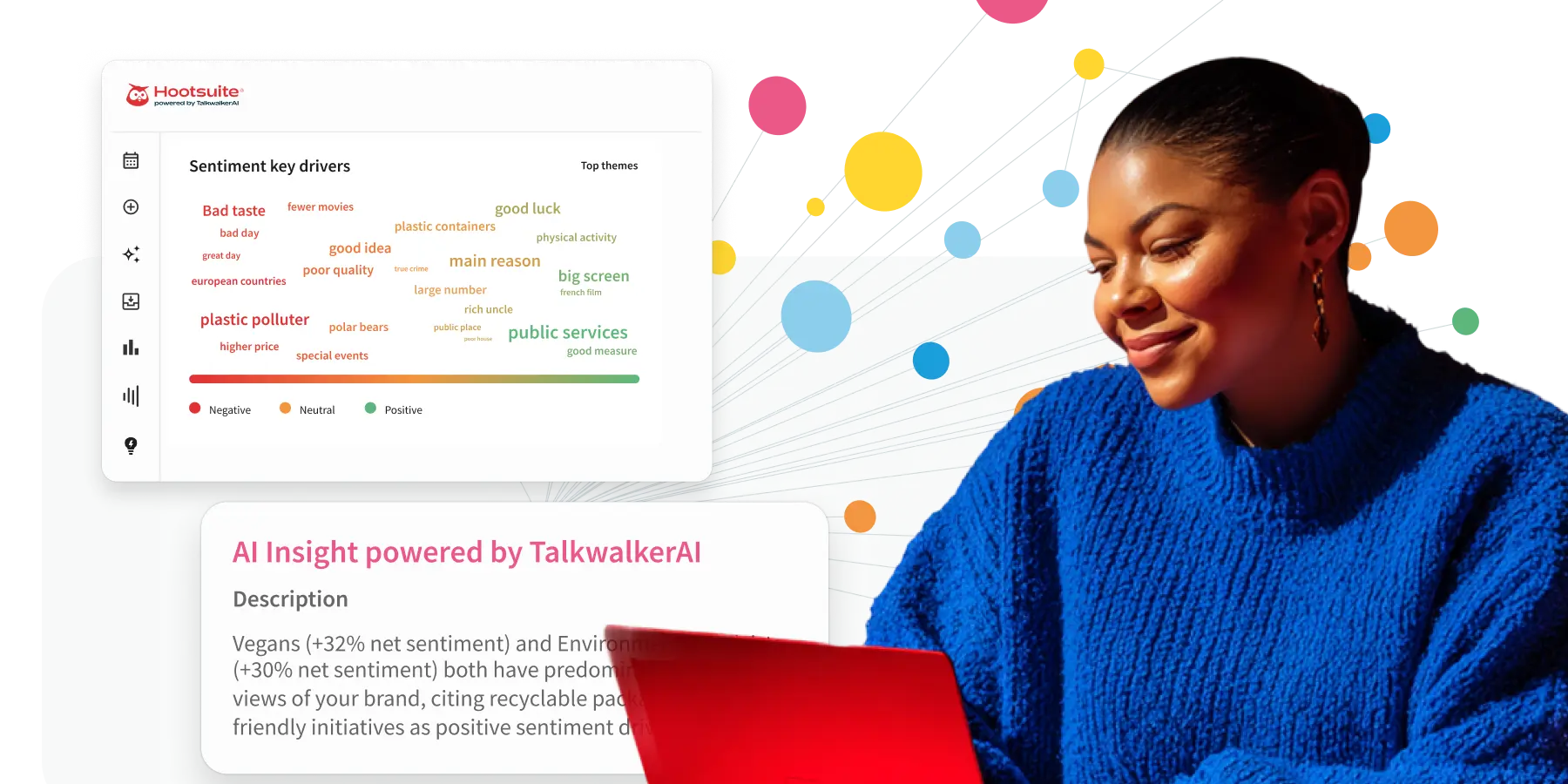
Data-driven insights are no longer optional. Using sophisticated social analytics, brands can now move beyond basic demographics to understand the "why" behind consumer behavior. By leveraging social listening tools, companies can capture unprompted conversations, revealing pain points and preferences that traditional surveys often miss.
2. User-Generated Content (UGC) as Social Proof
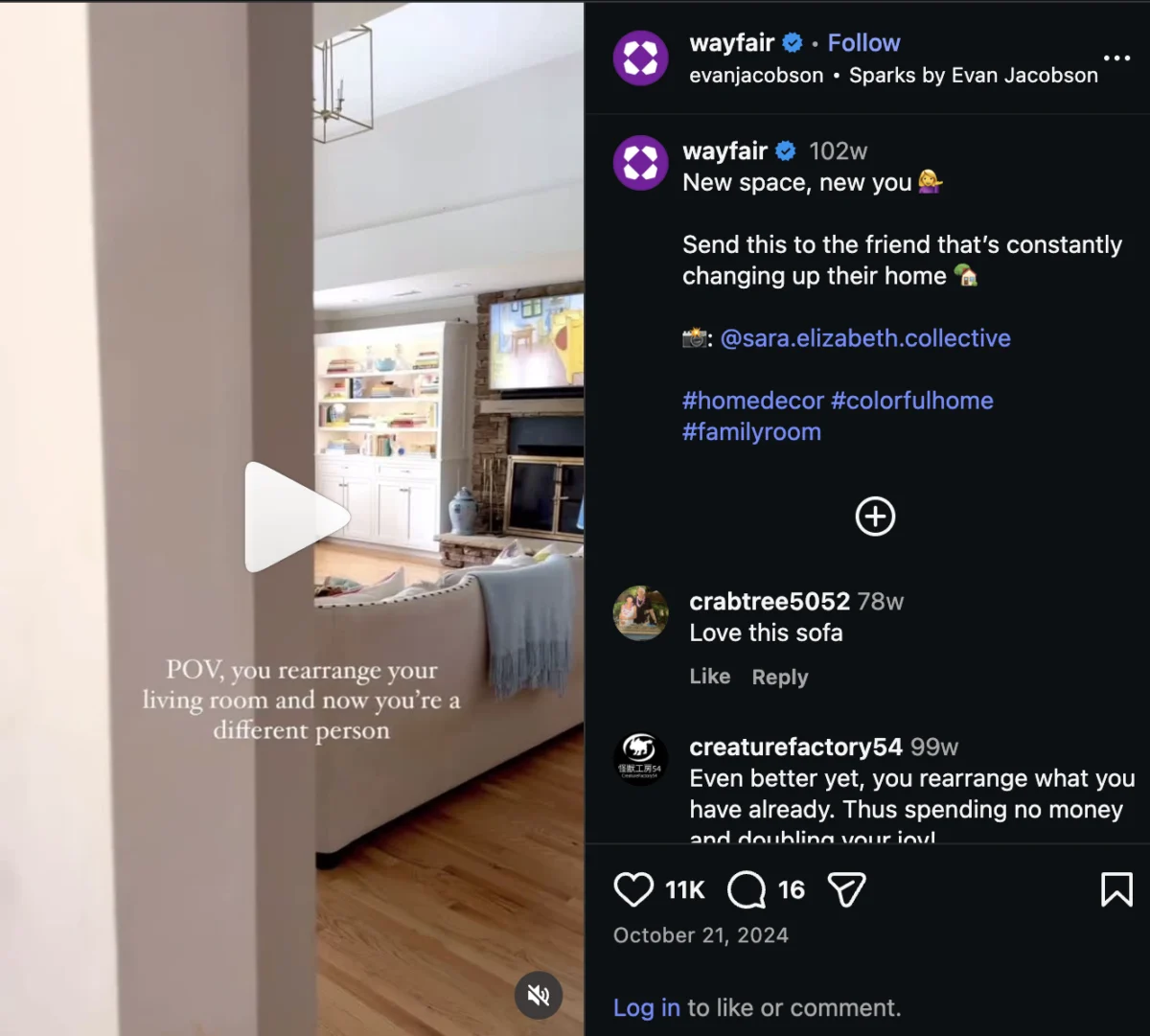
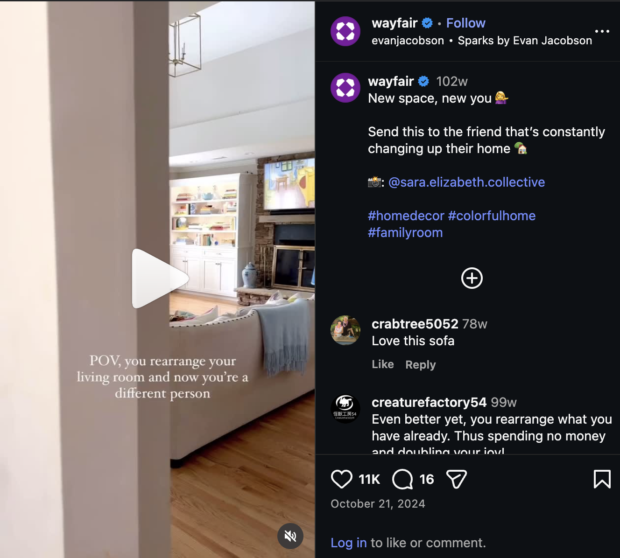
UGC acts as a bridge between a brand and its community. When a company shares authentic content created by its followers, it humanizes the brand. This practice fosters an emotional connection that is far more potent than any high-production advertisement.
3. Hyper-Personalization
Gartner research suggests that personalized experiences can triple the likelihood of customer satisfaction. By utilizing segmented lists and targeted advertising, brands can ensure that the right message reaches the right audience at the right time. AI-powered content tools now allow for the rapid creation of personalized messaging, provided that a human touch is maintained to preserve the brand’s unique voice.
4. Rewarding the Advocates
Once a customer reaches the "committed" stage of the pyramid, the marketing strategy must shift from persuasion to appreciation. This involves exclusive rewards, VIP access, and collaborative opportunities, such as affiliate programs or influencer partnerships with top-tier fans.
5. Human-Centric Customer Care
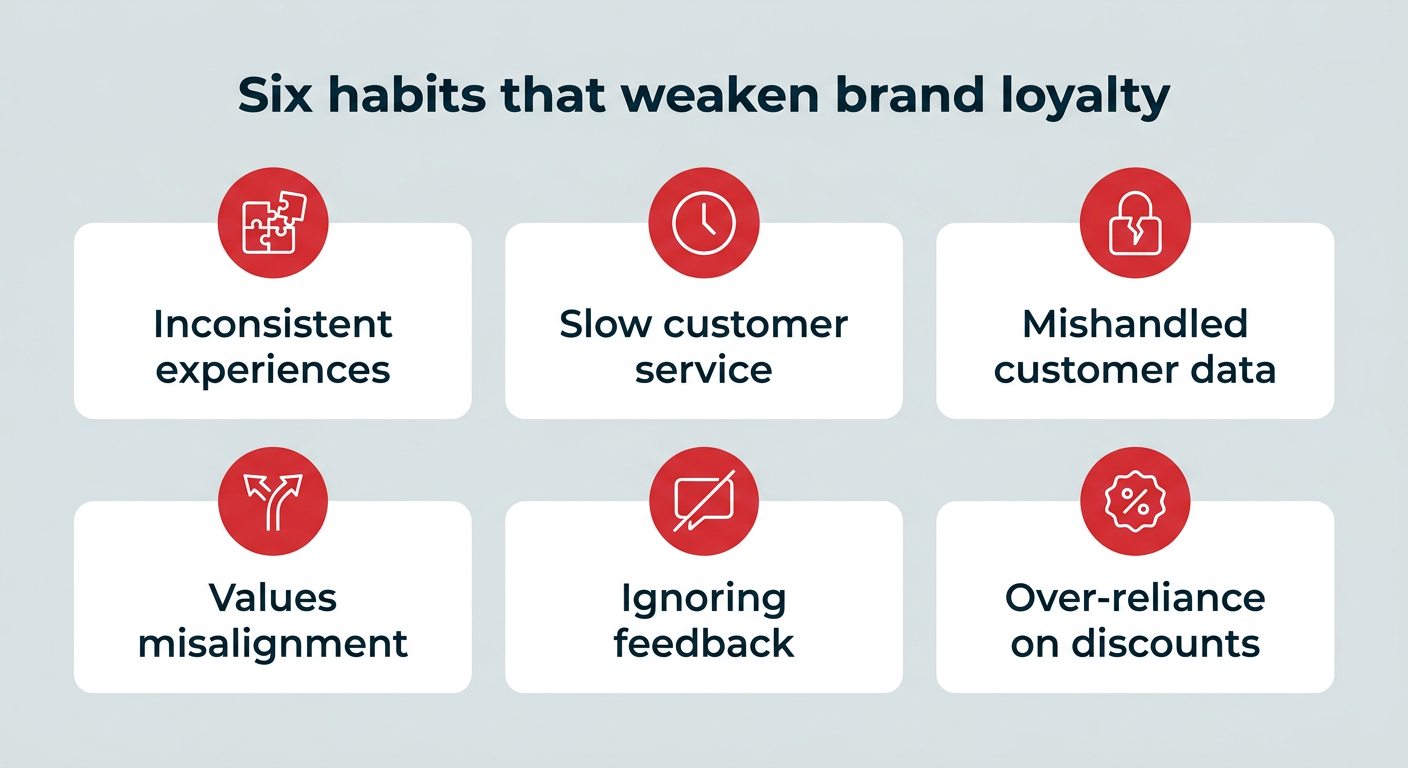
The most critical make-or-break moments often occur in a direct message or a comment thread. Empowering customer support teams to engage in empathetic, human-centered dialogue is essential. A fast, authentic response can turn a potential detractor into a loyalist, while a canned, robotic response can permanently alienate them.
6. Authenticity and Values Alignment
Modern consumers are highly sensitive to "brand sins." Inconsistency between public messaging and internal practices, as well as the unethical use of consumer data, can erode trust overnight. Brands must prioritize transparency and maintain a firm commitment to their core values.
7. Predictive AI Integration
The 2026 advantage belongs to brands that use AI to anticipate needs before they become complaints. By identifying patterns in massive datasets, companies can proactively address issues, optimize product offerings, and personalize interactions, ensuring the customer feels "seen" rather than just "targeted."

Measuring the Intangible: Key Metrics for 2026
Since brand loyalty is a complex psychological state, it cannot be measured by a single metric. A holistic approach requires tracking:
- Engagement Rate: How often the audience interacts with brand content.
- Sentiment Analysis: Utilizing AI to gauge the emotional tone of brand mentions across millions of sources.
- Share of Voice: Measuring the brand’s visibility within the broader industry conversation compared to competitors.
- Net Promoter Score (NPS): A foundational metric measuring the likelihood of a customer recommending the brand to others.
- Customer Lifetime Value (CLV): The total projected revenue from a single customer over the duration of the relationship.
Real-World Implications: Case Studies
The effectiveness of these strategies is best seen in practice. Warby Parker has set a high bar for customer service by treating every interaction as an opportunity to build trust, often going above and beyond to solve individual problems. Starbucks has demonstrated the power of listening by taking seasonal favorites and turning them into permanent menu items based on vocal social media demand. Meanwhile, GoPro continues to master the art of UGC, turning their customers into content creators and giving them a global platform, which deepens the emotional bond between the user and the hardware.
Conclusion: The Path Forward
The landscape of 2026 will be defined by a shift away from transactional marketing toward relationship-based, community-focused brand building. While technology provides the tools—the analytics, the AI, the listening platforms—the foundation remains human.
Brand loyalty is not a byproduct of a clever ad campaign; it is the accumulation of thousands of small, reliable, and authentic interactions. Companies that commit to these principles will not only survive the volatility of the digital marketplace—they will thrive, creating a loyal, vocal, and enduring customer base that no competitor can easily disrupt.