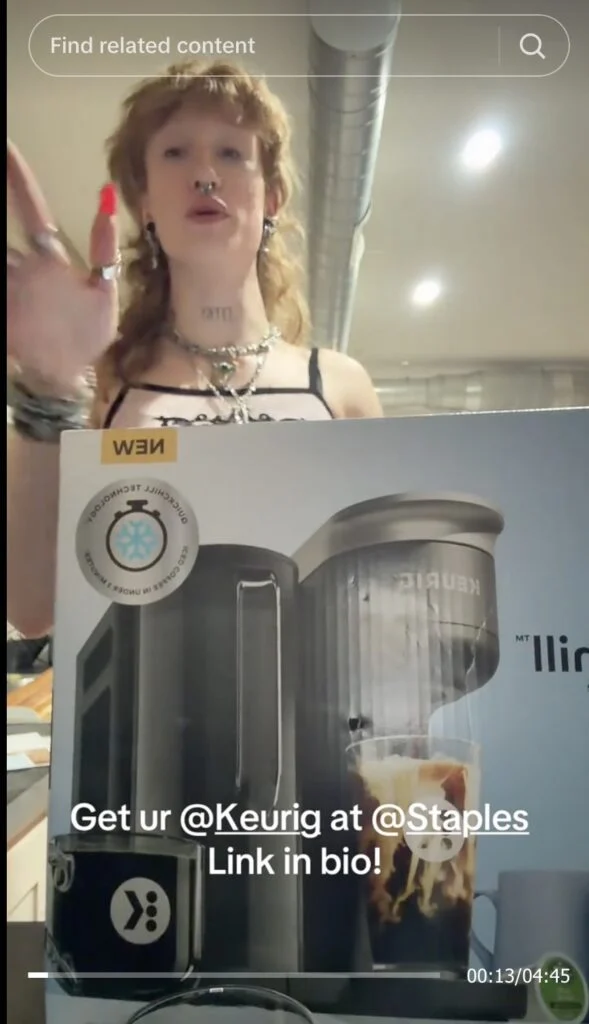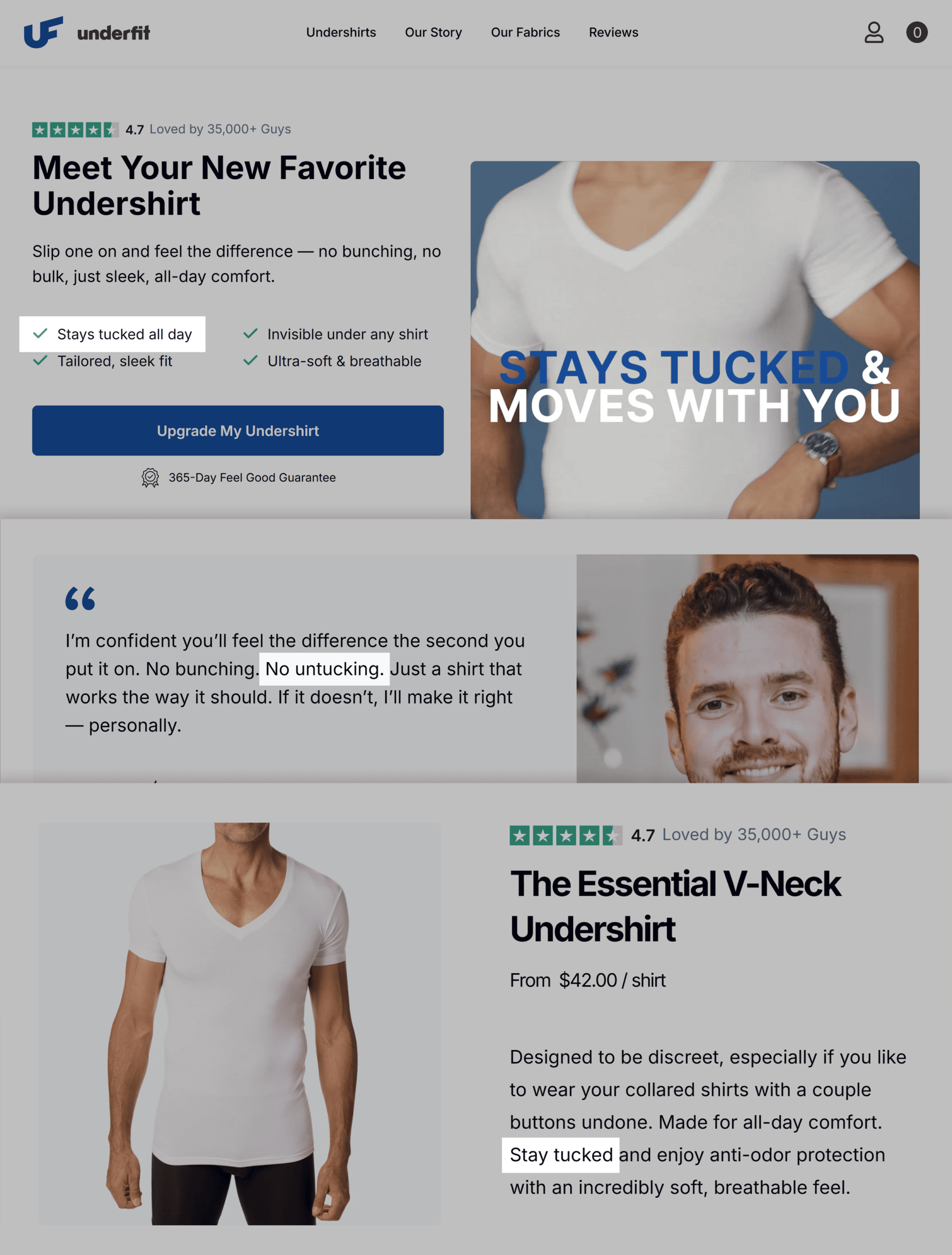
The era of “build it and they will come” is officially over. In 2026, the digital landscape has shifted from a destination-based model—where the website was the beginning, middle, and end of the customer journey—to a distributed ecosystem. Marketing today is no longer about just attracting visitors to your URL; it is about establishing a pervasive, credible presence across the entire web before a potential customer even types your domain into their browser.

The Shift: Why Your Website Is No Longer the Starting Line
Traditionally, marketers viewed their website as the primary hub for all brand activity. You created content, optimized it for search engines, and expected users to find you there. Today, that model is fragmented.
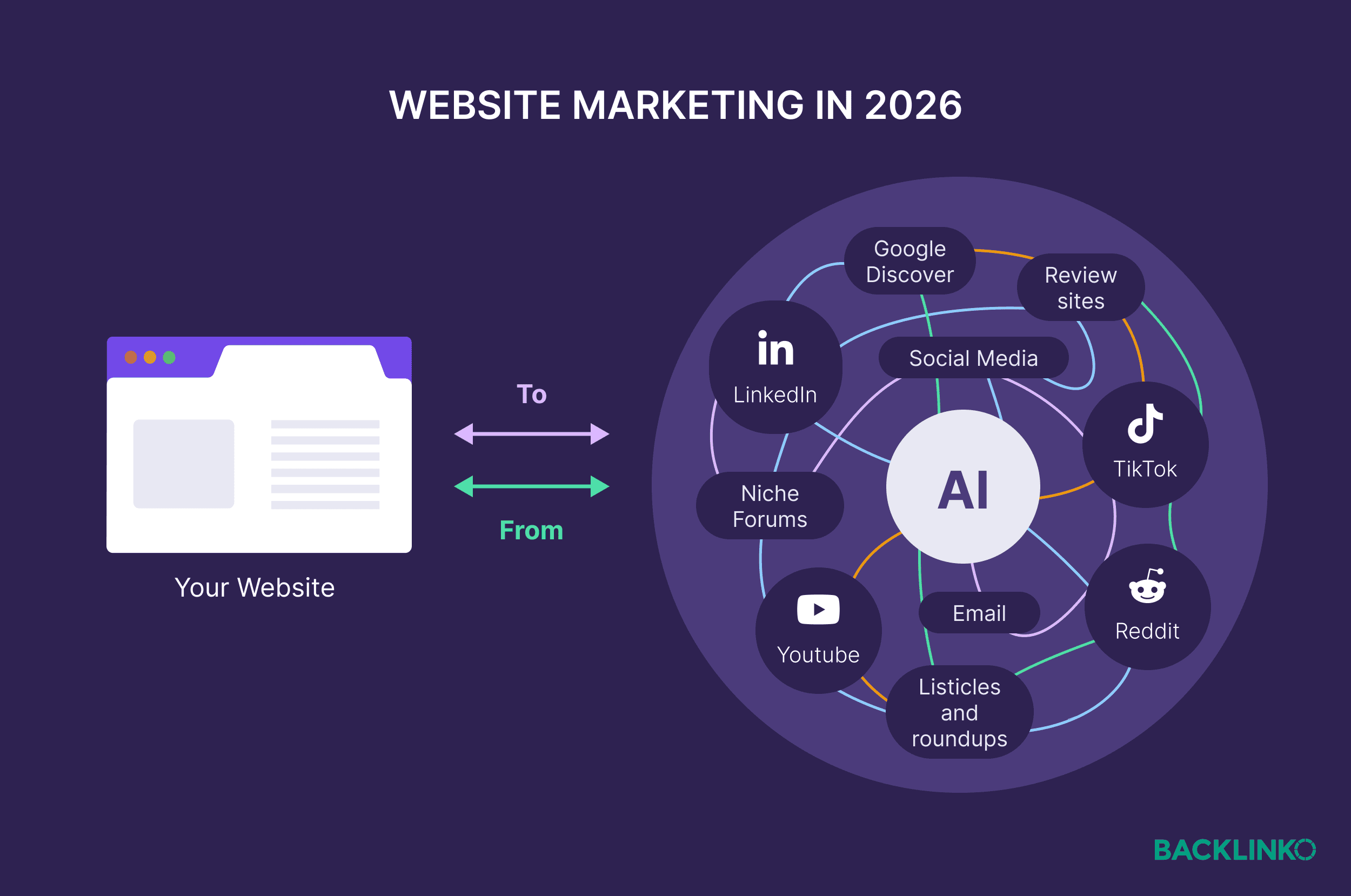
Current data from the Clutch Research report indicates that over 65% of modern buyers now utilize AI tools, specialized chatbots, and community-driven platforms like Reddit and Discord to conduct their initial research. By the time a user arrives at your website, they have likely already consumed summaries generated by an LLM, read peer-to-peer reviews, and engaged with social media discourse surrounding your product.
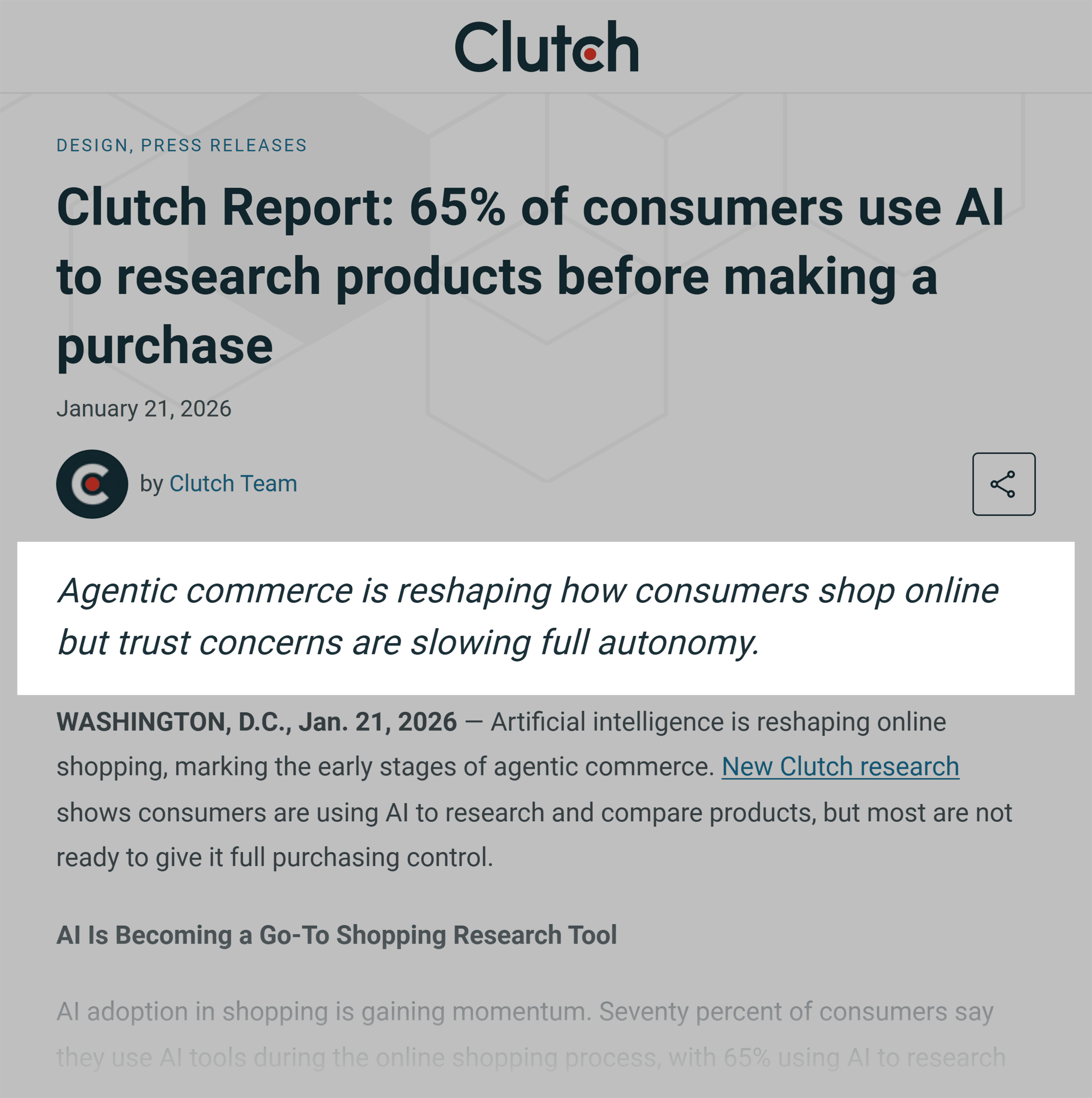
This means that if you are not visible and—more importantly—credible in those third-party spaces, the battle is often lost before the visitor ever reaches your site. The goal for 2026 is to influence the "pre-journey," ensuring that when a prospect finally clicks through to your site, they arrive with pre-existing trust and high purchase intent.
1. Engineering Brand Perception: AI and Human Discovery
You do not have to leave your online reputation to the whims of algorithms. You can actively influence how the internet talks about your brand.
The Power of Documented Messaging
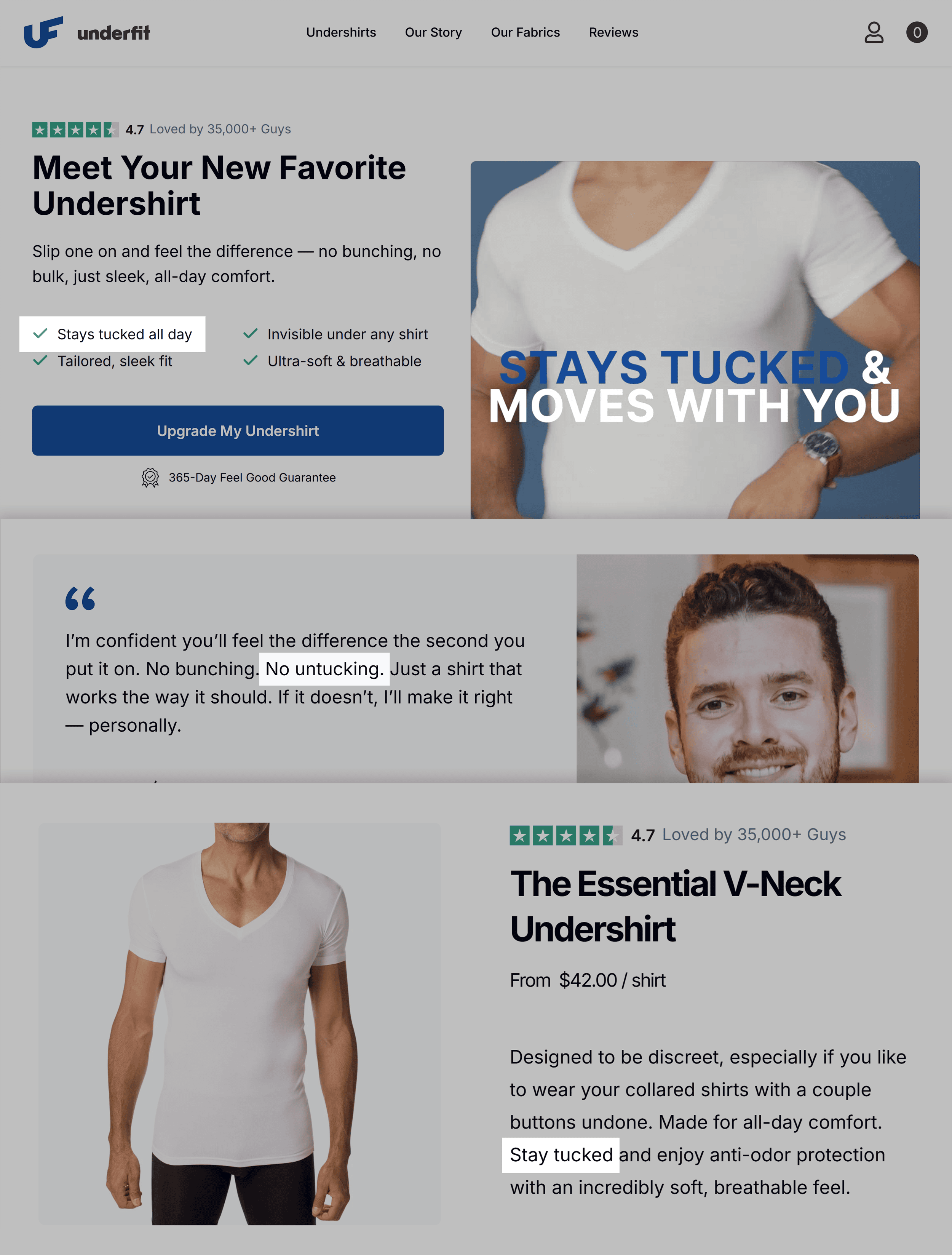
Success in 2026 starts with a rigid brand messaging strategy. This is not just a marketing fluff document; it is a tactical manual that defines the language, claims, and value propositions you want associated with your business. When you ensure that every touchpoint—from social media posts to PR releases—uses the same terminology, you create a "shared language" that humans and search engines recognize.
Action Plan:
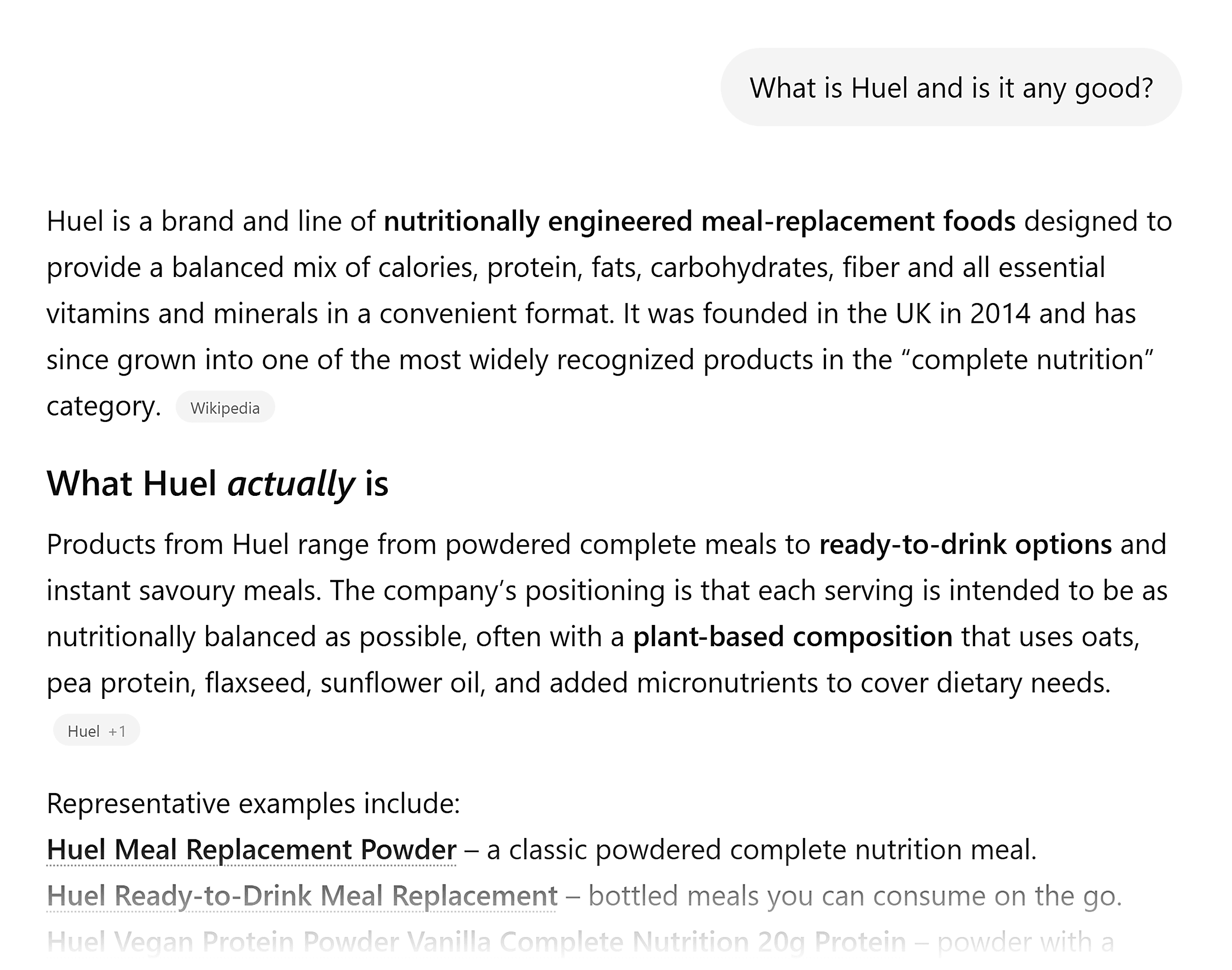
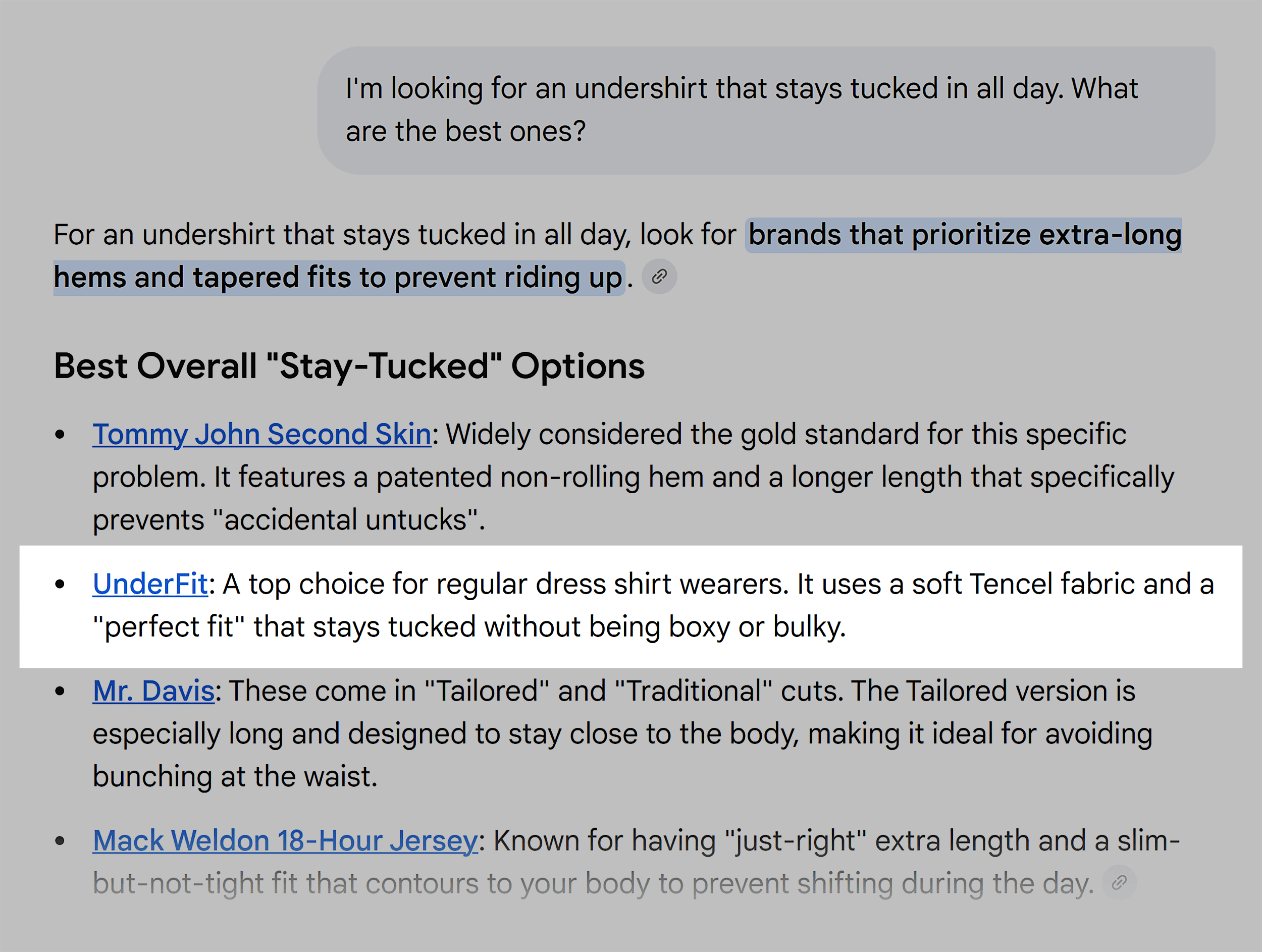
- Audit the AI Narrative: Go to ChatGPT, Claude, or Perplexity. Ask, "What are the core benefits of [Your Brand]?" and "How does [Your Brand] compare to [Competitor]?"
- Identify Discrepancies: If the AI output doesn’t align with your goals, update your public-facing documentation and press assets to reinforce the specific benefits you want highlighted.
- Achieve Consistency: Ensure that your internal teams—sales, leadership, and marketing—all have access to a centralized messaging guide to ensure that every outward-facing communication reinforces the same core identity.
2. Structural Integrity: Designing for Humans and LLMs
Showing up across the web is only half the battle. Your website must be structurally sound enough for both human users and AI crawlers to interpret it correctly.
Semantic Architecture
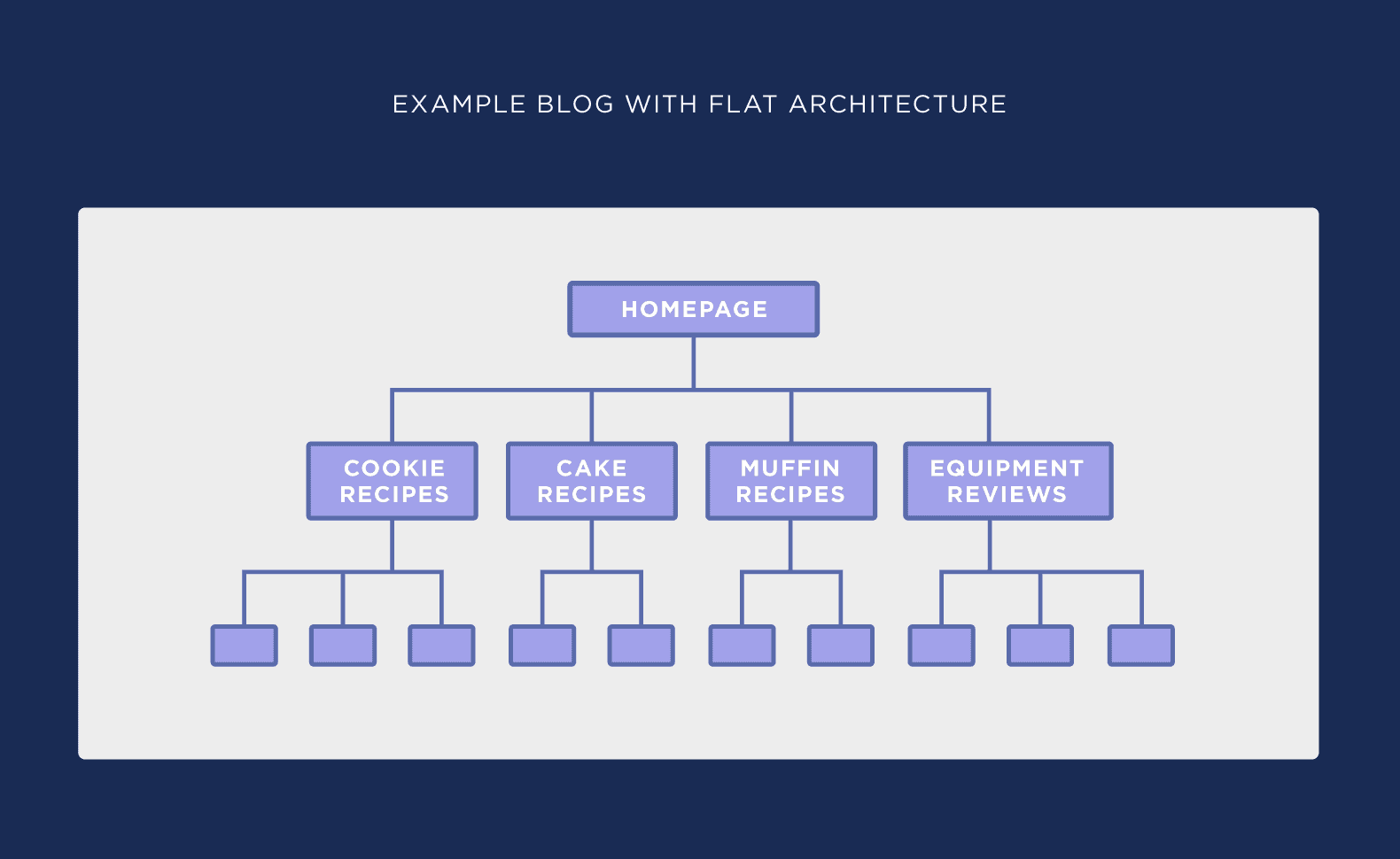
Search engines and LLMs prioritize sites that are easy to parse. This requires solid, flat architecture—meaning your most important pages should be no more than three clicks away from the homepage.
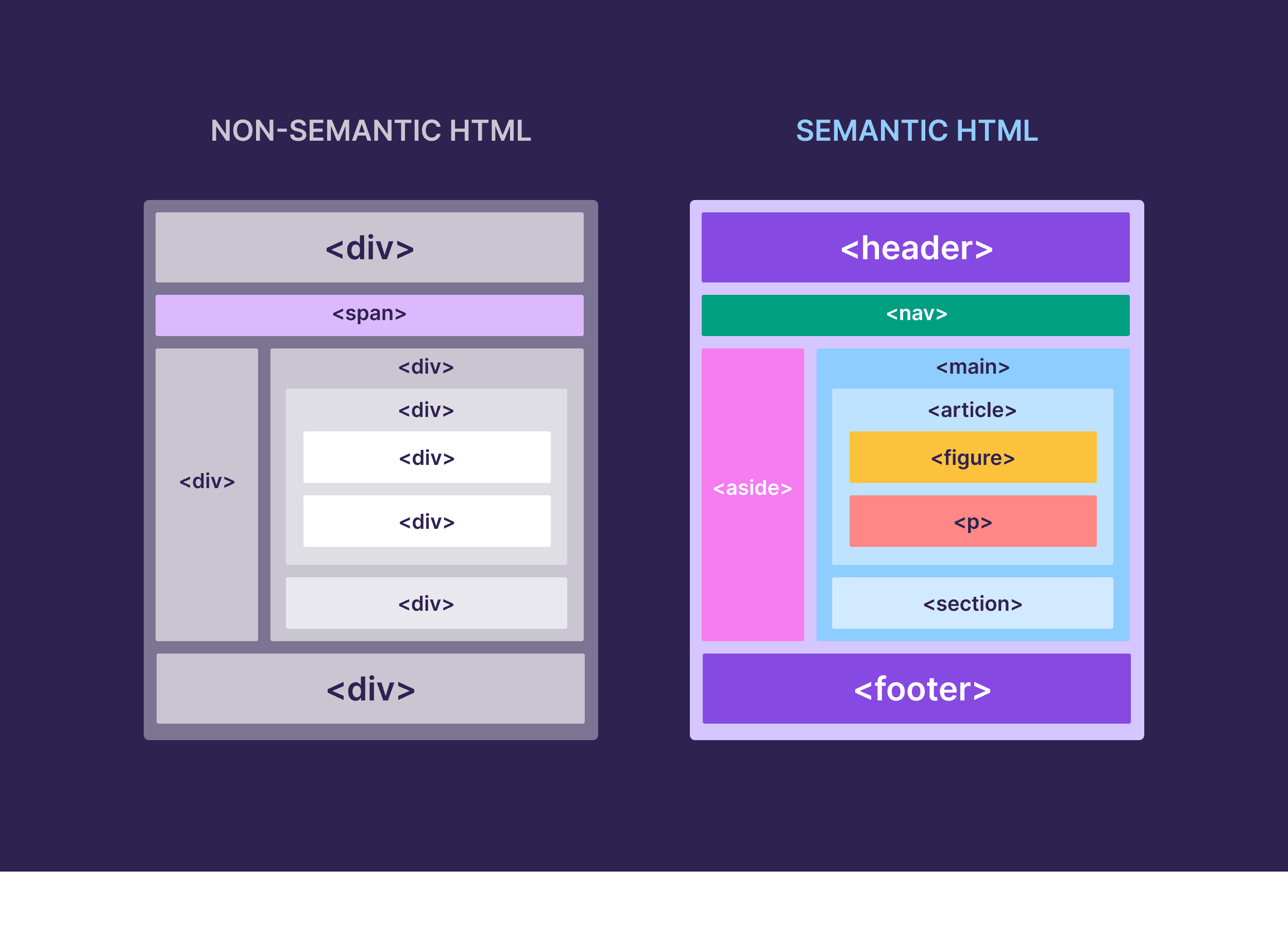
At the code level, use semantic HTML. By using proper <header>, <article>, <section>, and <nav> tags, you signal the hierarchy of your content. When an AI agent scans your page, it shouldn’t have to guess what the H1 is or which section constitutes the main body of the article.
Action Steps:
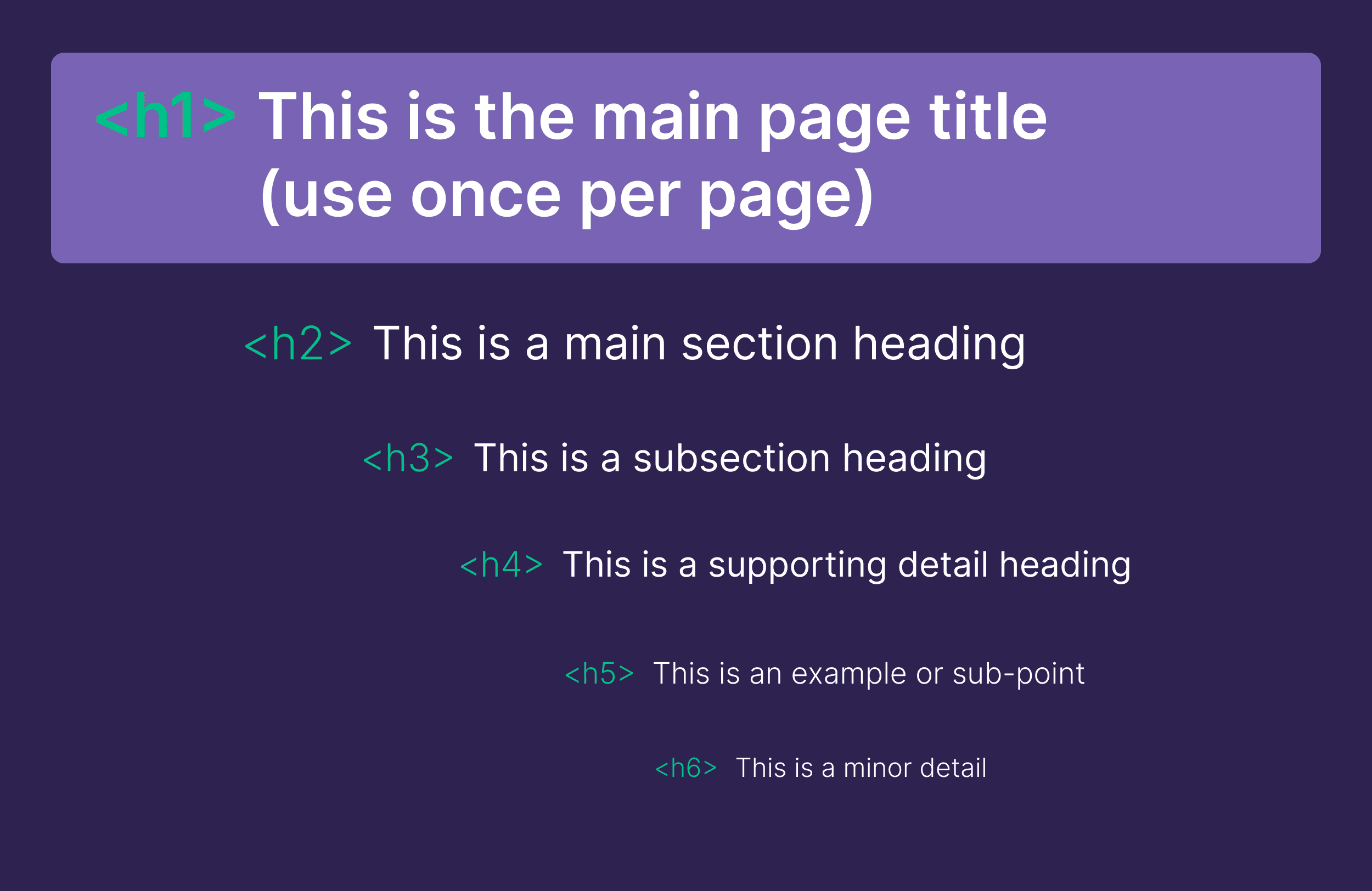
- Audit Your Hierarchy: Ensure your pages follow a logical heading structure (H1, H2, H3).
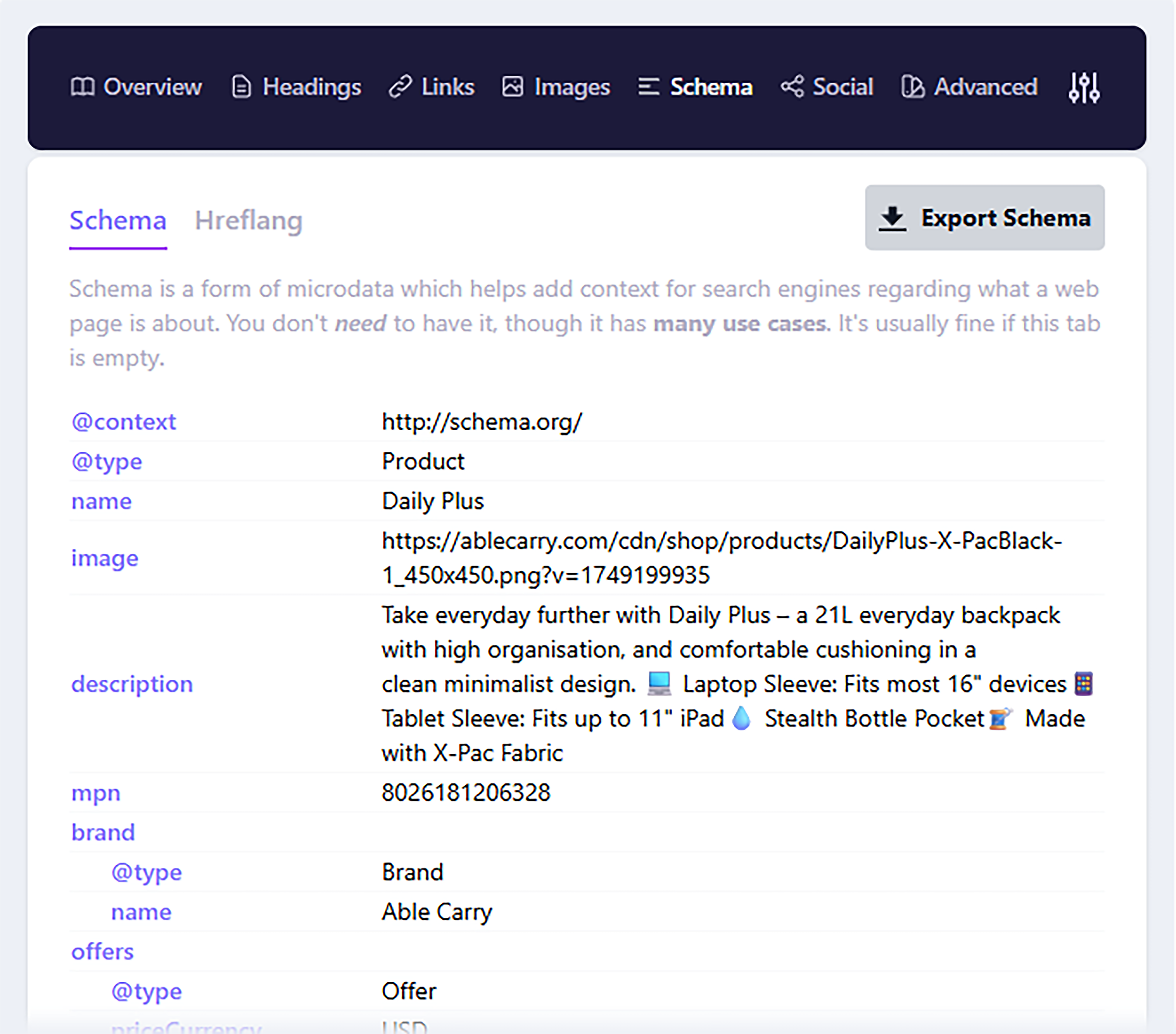
- Implement Schema Markup: Use structured data to explicitly tell search engines what your content is about. Whether it’s product reviews, FAQ sections, or corporate events, schema provides the "metadata" that helps AI systems categorize your site more accurately.
3. The Evidence Economy: Publishing Proof Assets
"Proof assets" are the tangible evidence that backs up your marketing claims. In 2026, the difference between a high-converting site and a bounce-heavy site is the depth of your evidence.
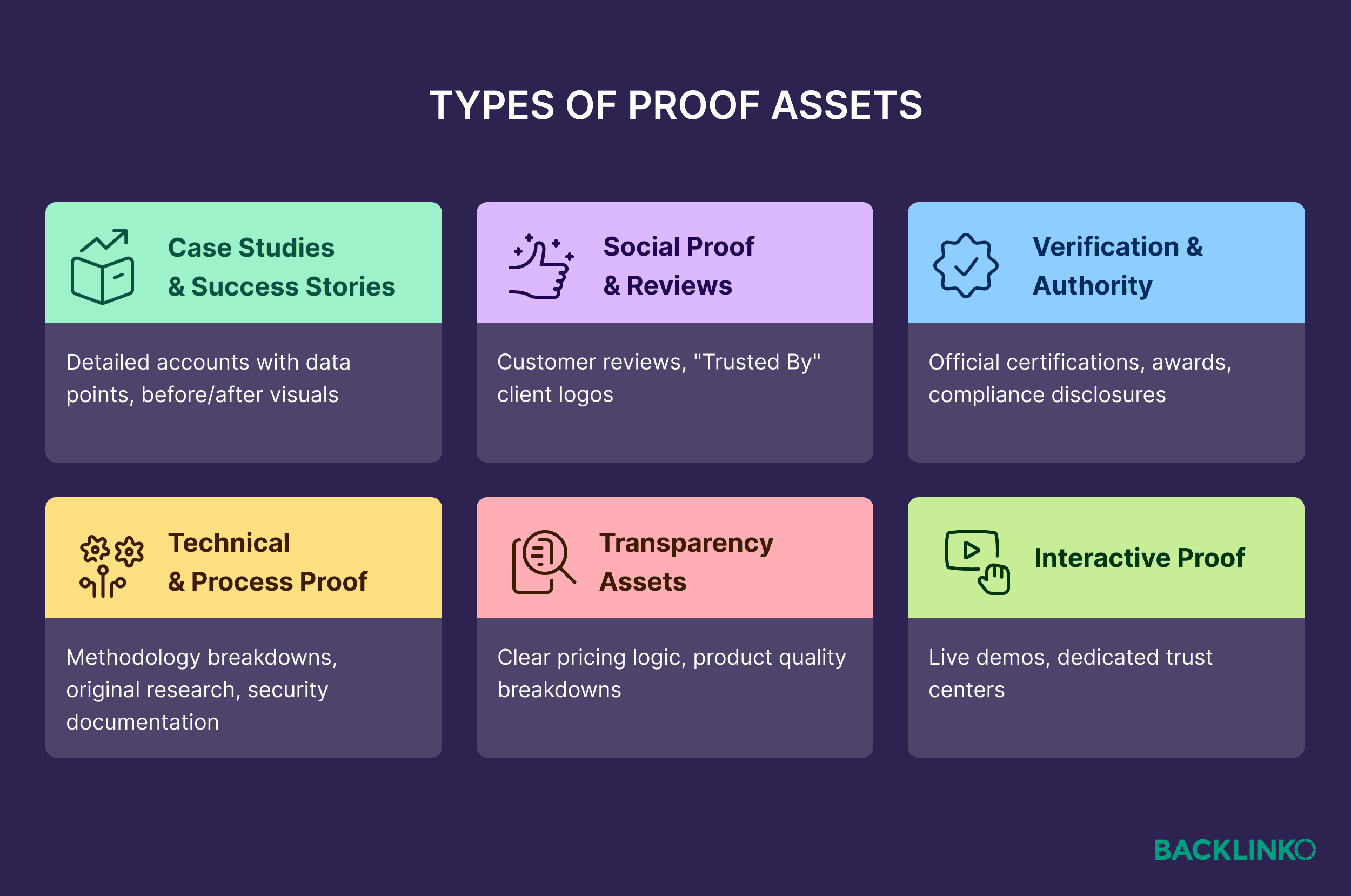
Types of Proof Assets:
- Measurable Case Studies: Real data from real clients.
- Security Documentation: Compliance badges and uptime statistics.
- Video Testimonials: Unedited, authentic feedback.
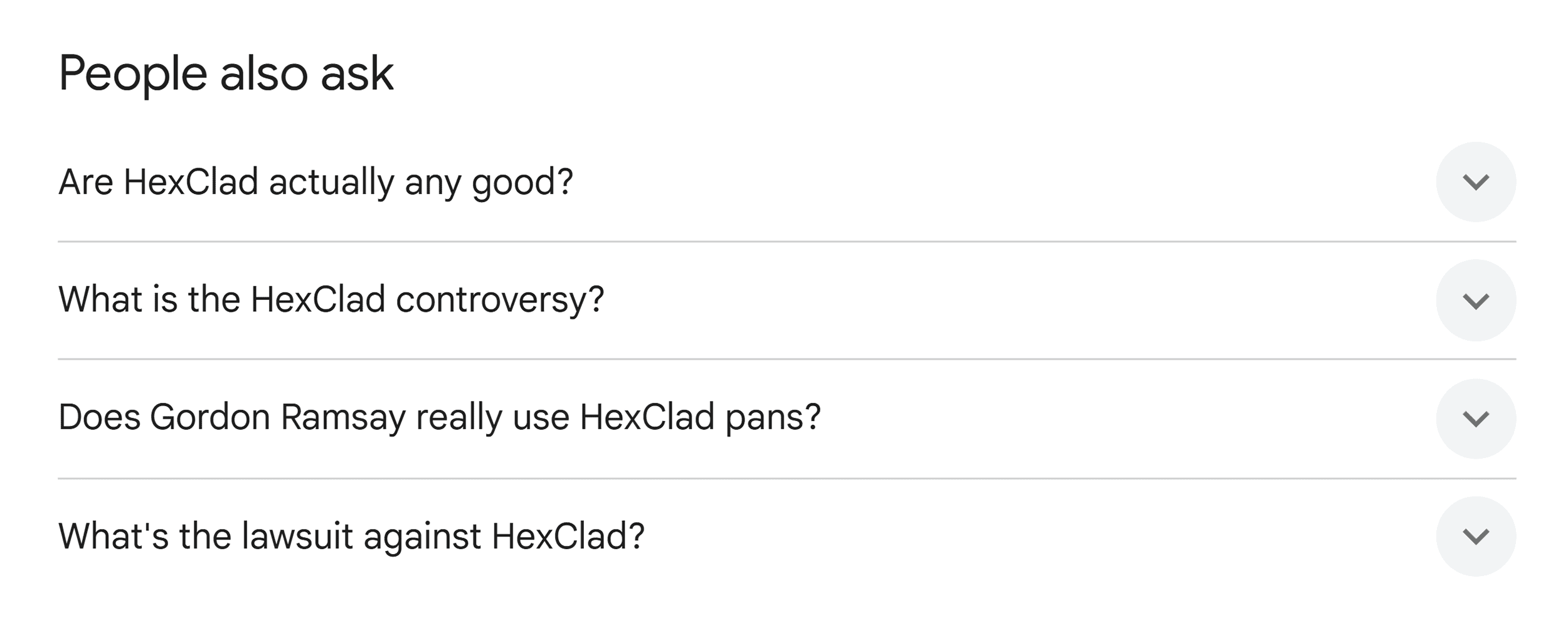
Strategy: Search your brand on Google and pay close attention to the "People Also Ask" section. These questions are the direct concerns of your potential customers. If your site doesn’t answer these questions with clear, documented proof, you are losing conversions.
4. Video as the Foundation of Trust
Text is often viewed with skepticism in the age of AI. Video, however, creates a sense of intimacy and familiarity that is much harder to fake.
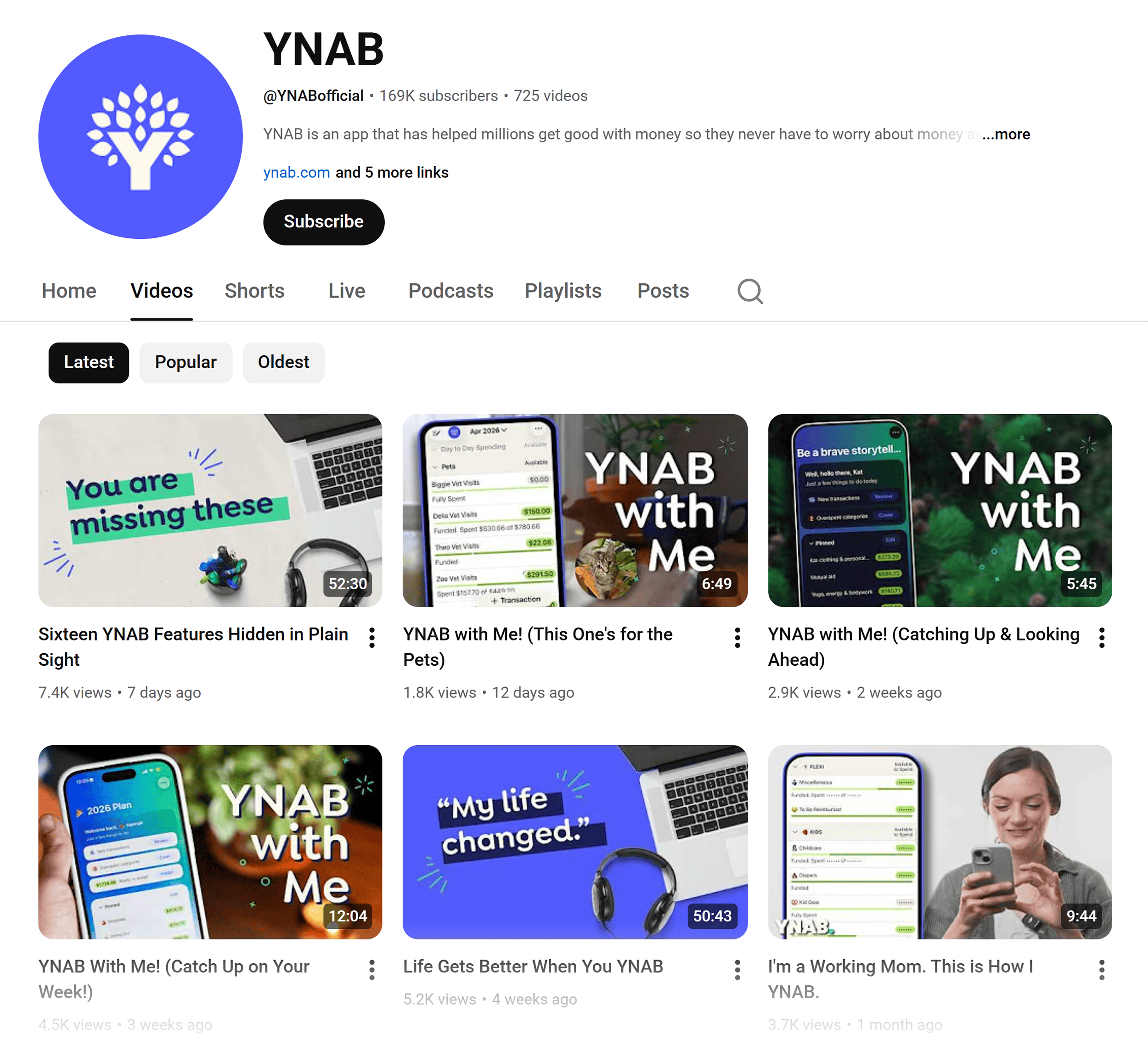
Long-Form Authority vs. Short-Form Familiarity
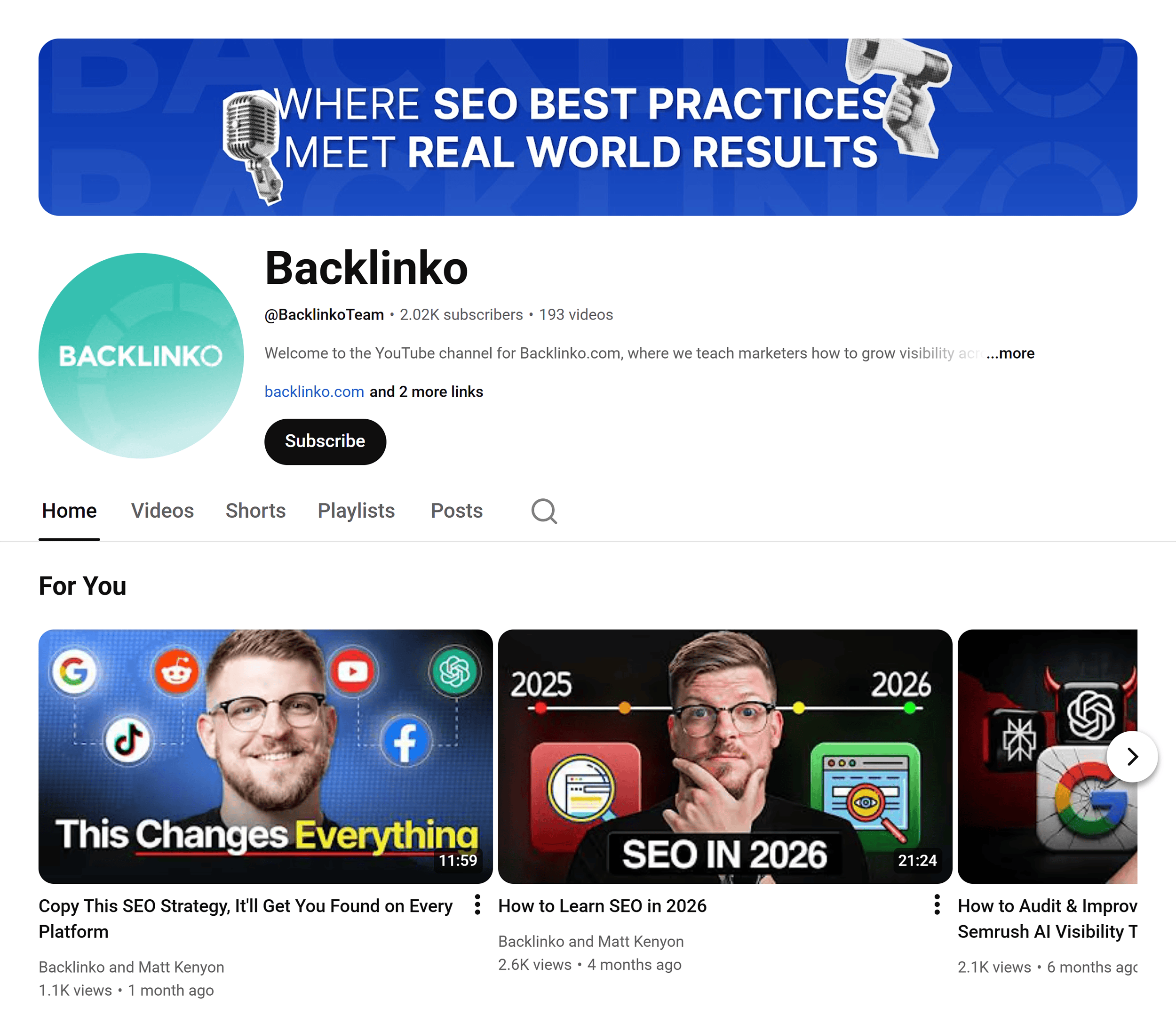
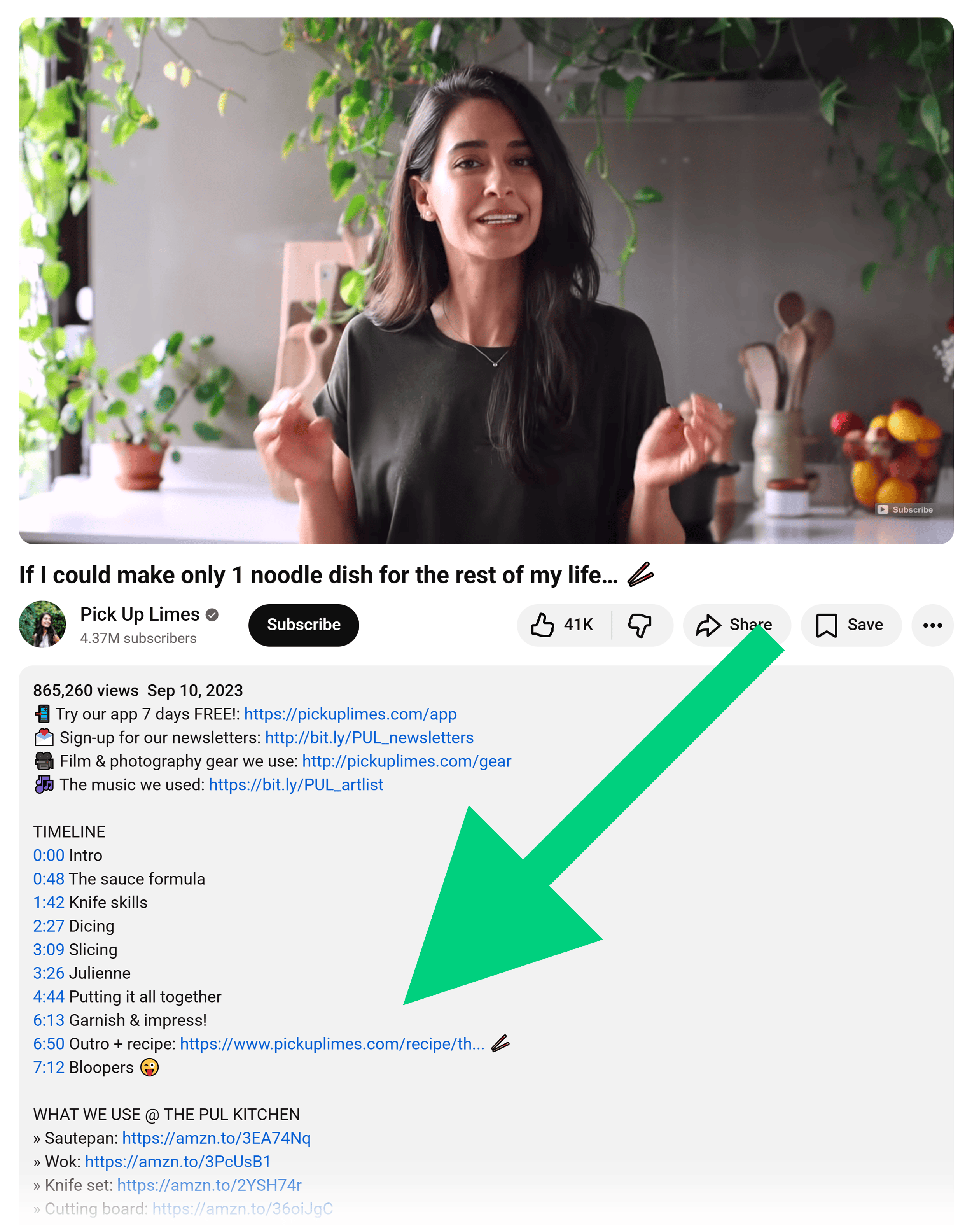
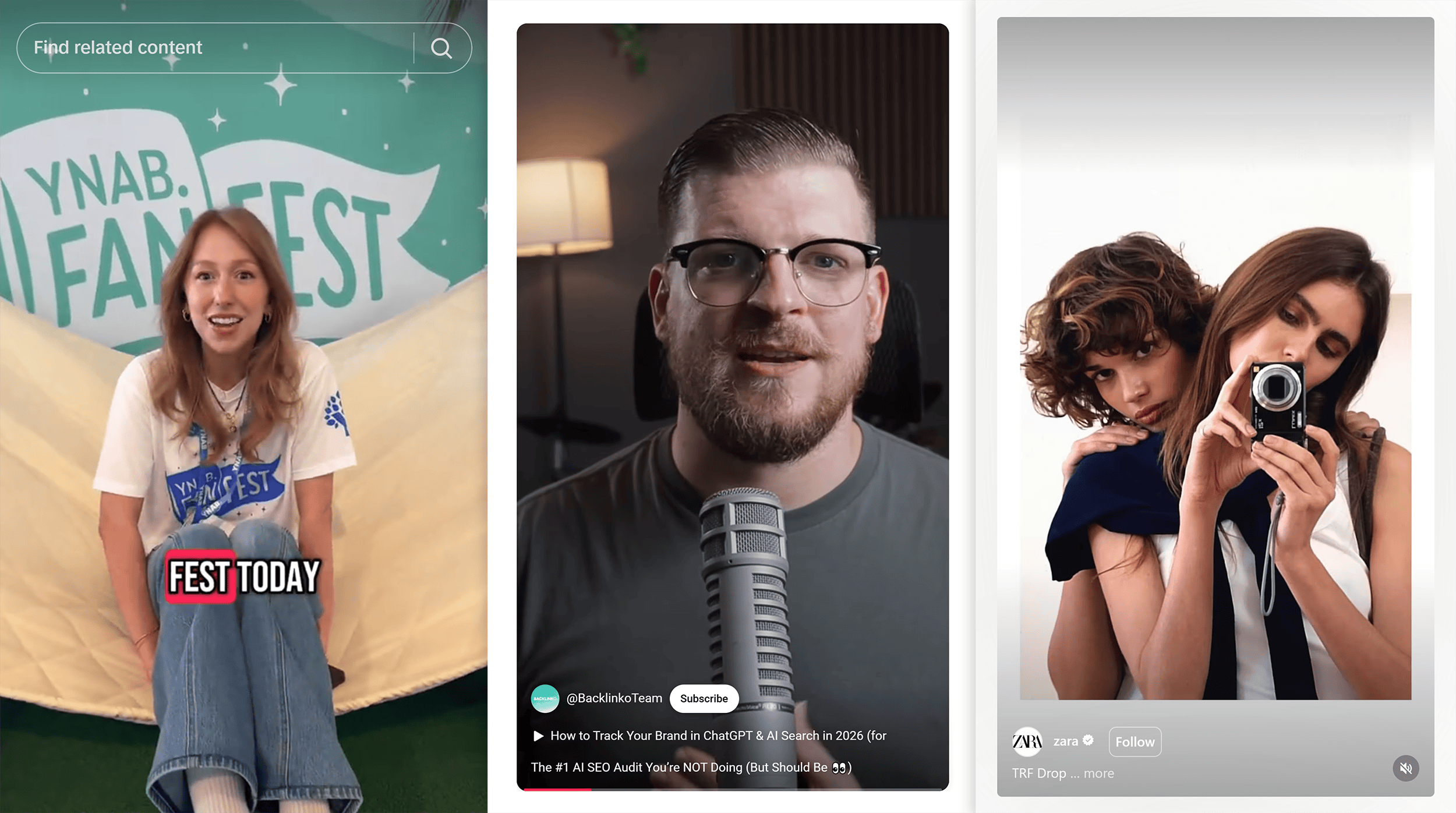
YouTube remains the premier destination for long-form educational content. By creating tutorials, "how-to" guides, or deep-dive product explainers, you demonstrate expertise.
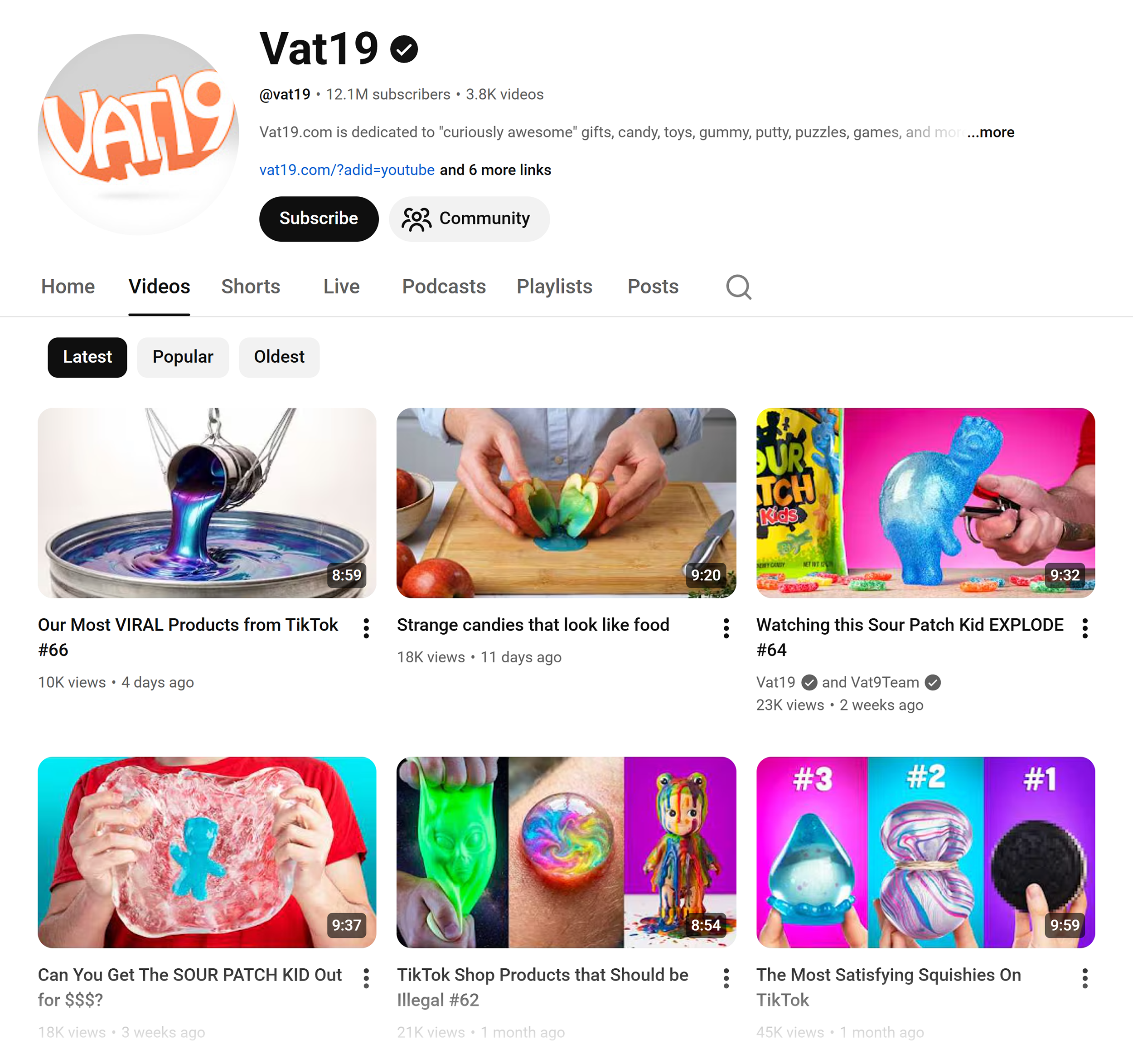
Conversely, short-form content (TikTok, Reels, YouTube Shorts) is your primary engine for brand familiarity. Through daily, brief interactions, you stay top-of-mind. The key here is not high-production value, but rather consistency and utility.
Actionable Workflow:
- The Seven-Day Audit: For one week, document every question asked of your sales or support teams.
- Create Content: Turn each of those questions into a 60-second vertical video. This ensures that you are creating content that is guaranteed to solve a real user problem.
5. Capturing the Google Discover Feed
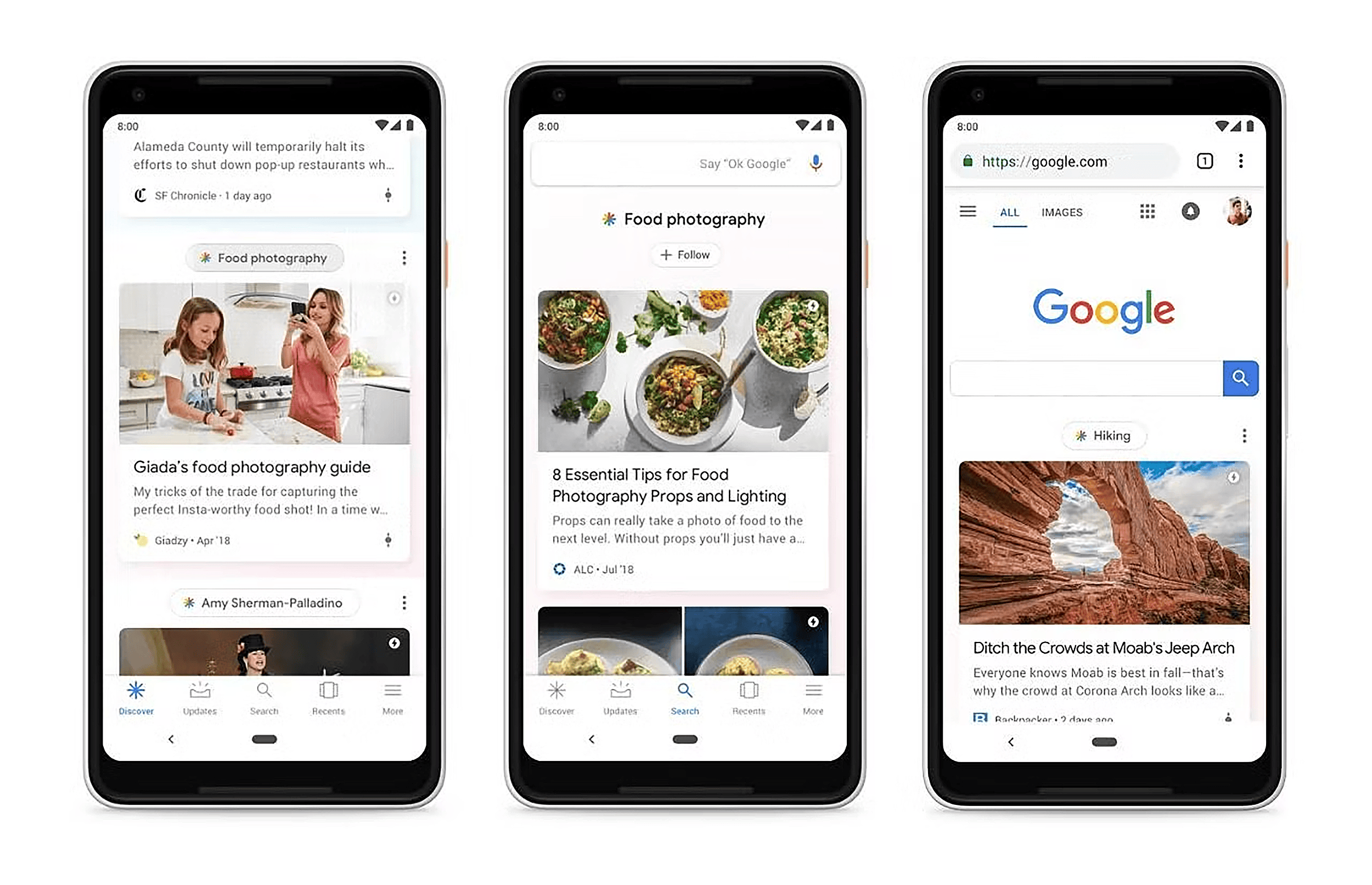
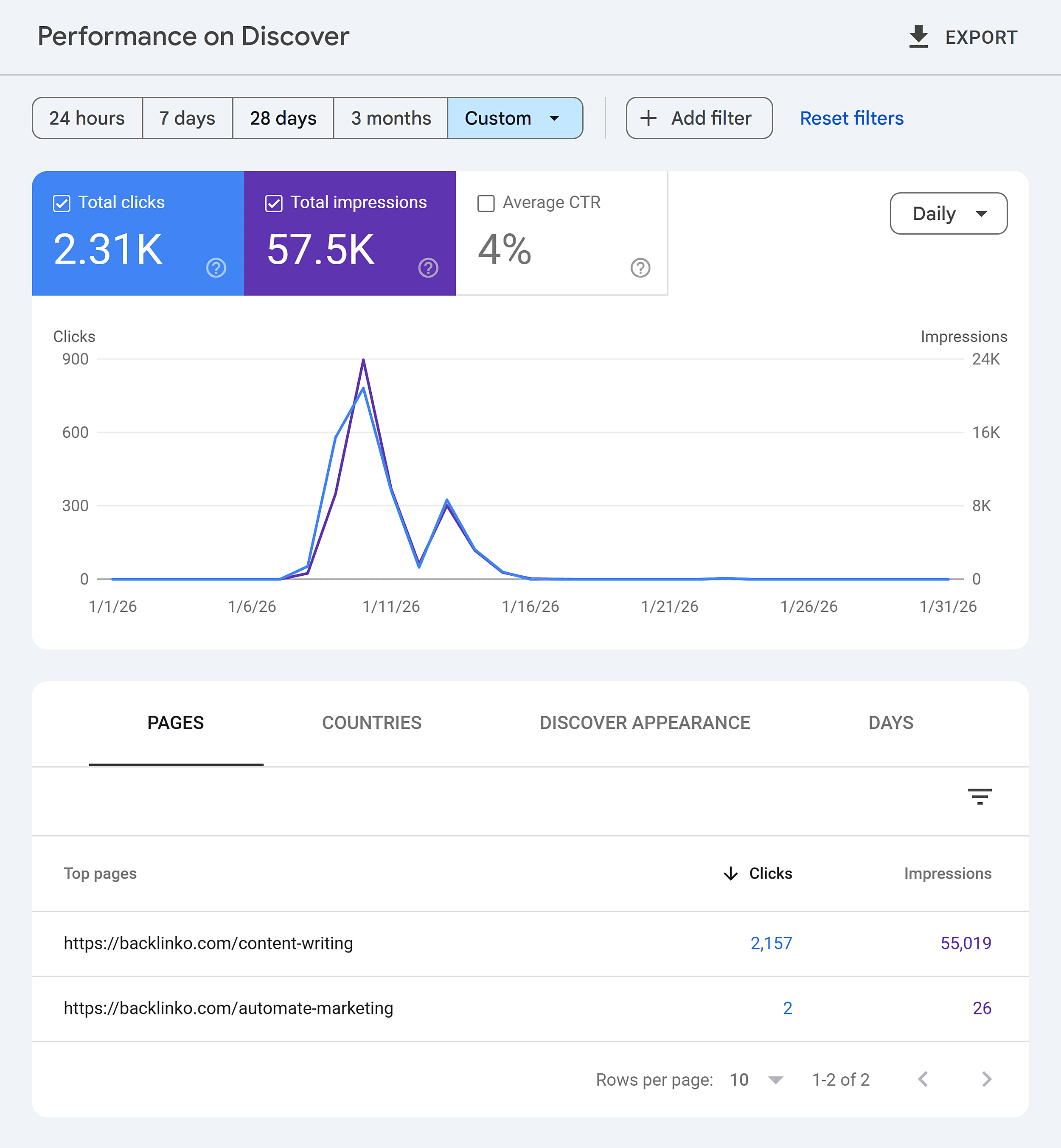
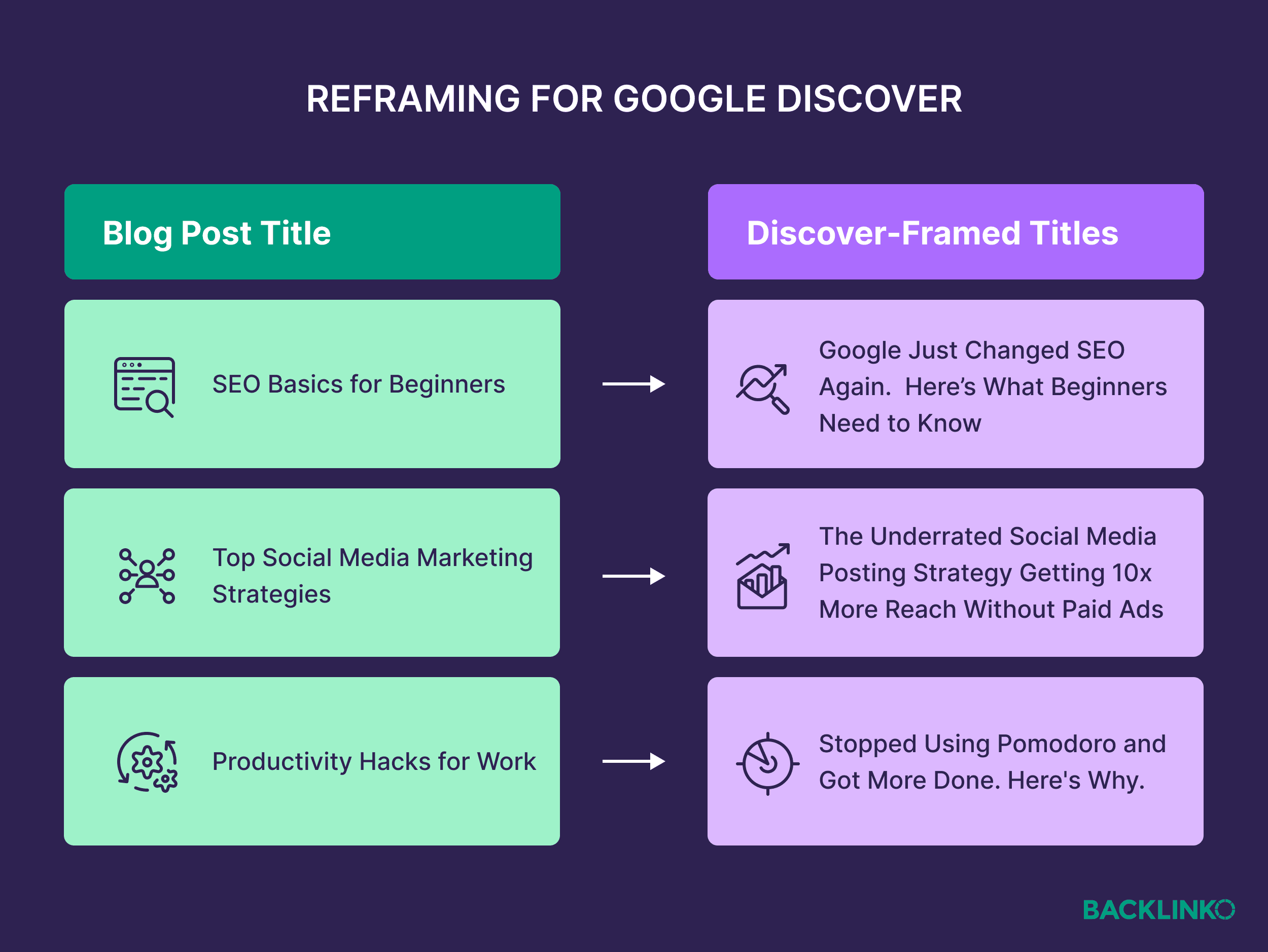
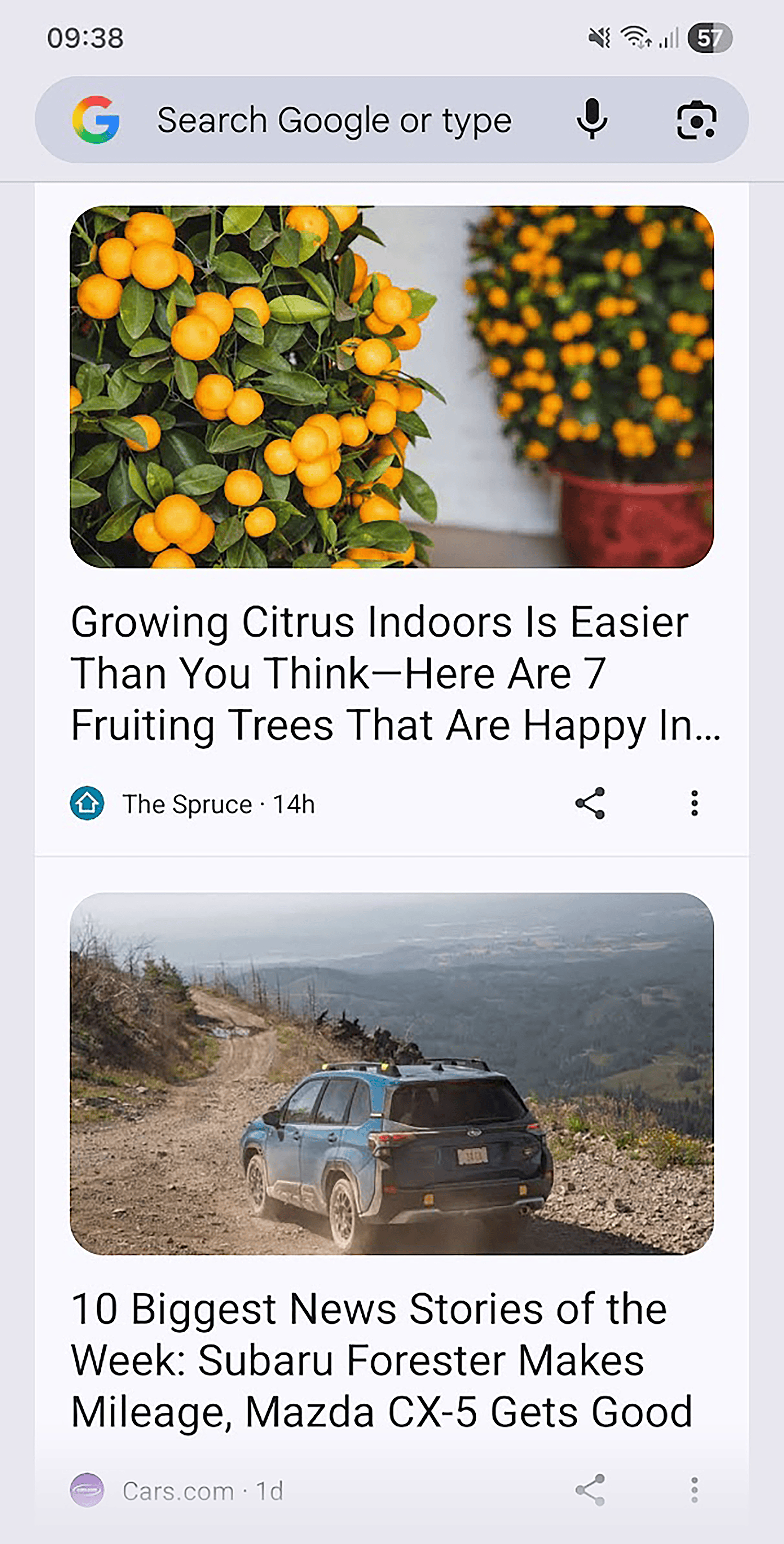
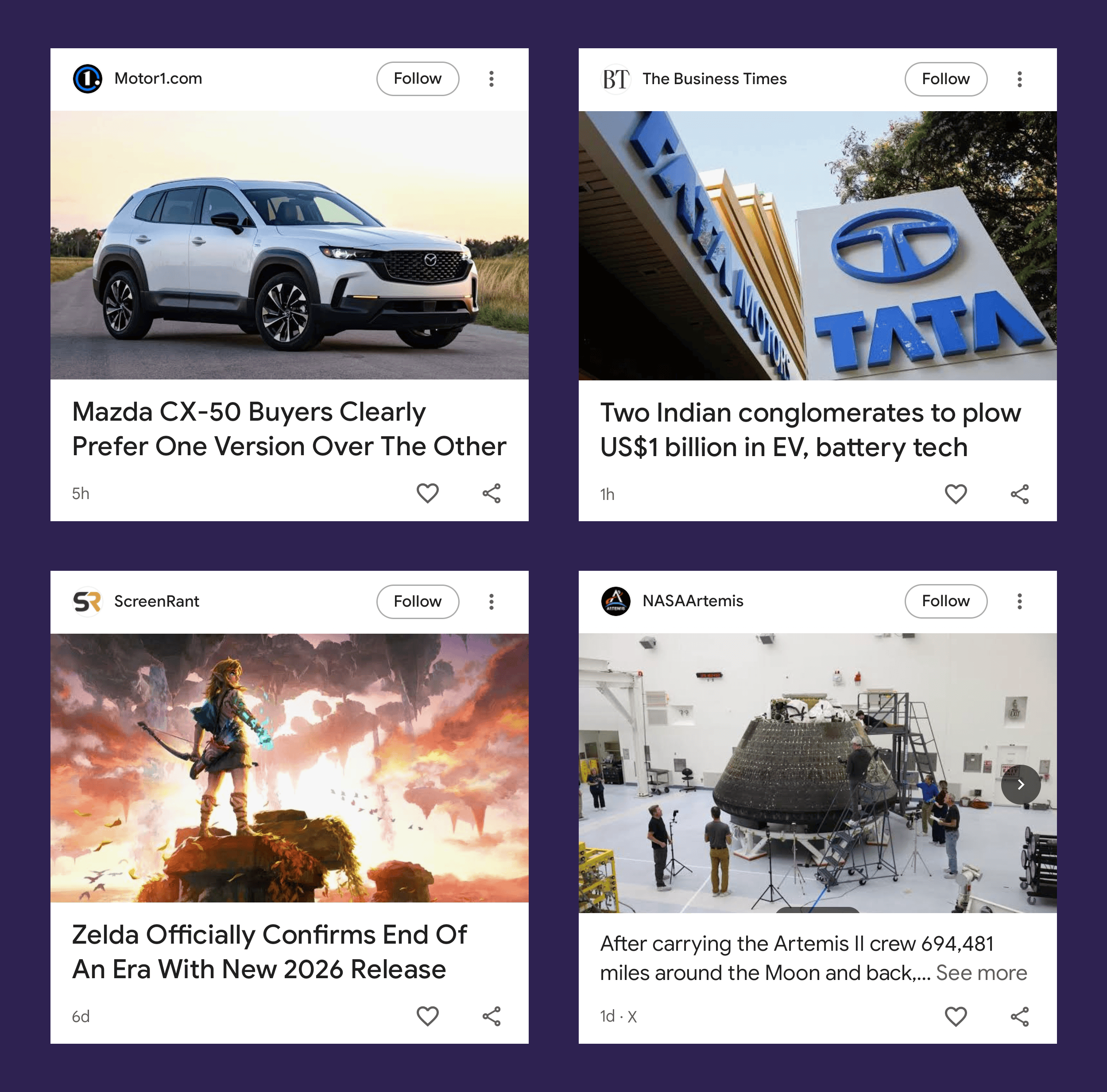
Google Discover is one of the most powerful sources of traffic today. Unlike traditional search, which is intent-driven, Discover is interest-driven.
The "Discover Lane"
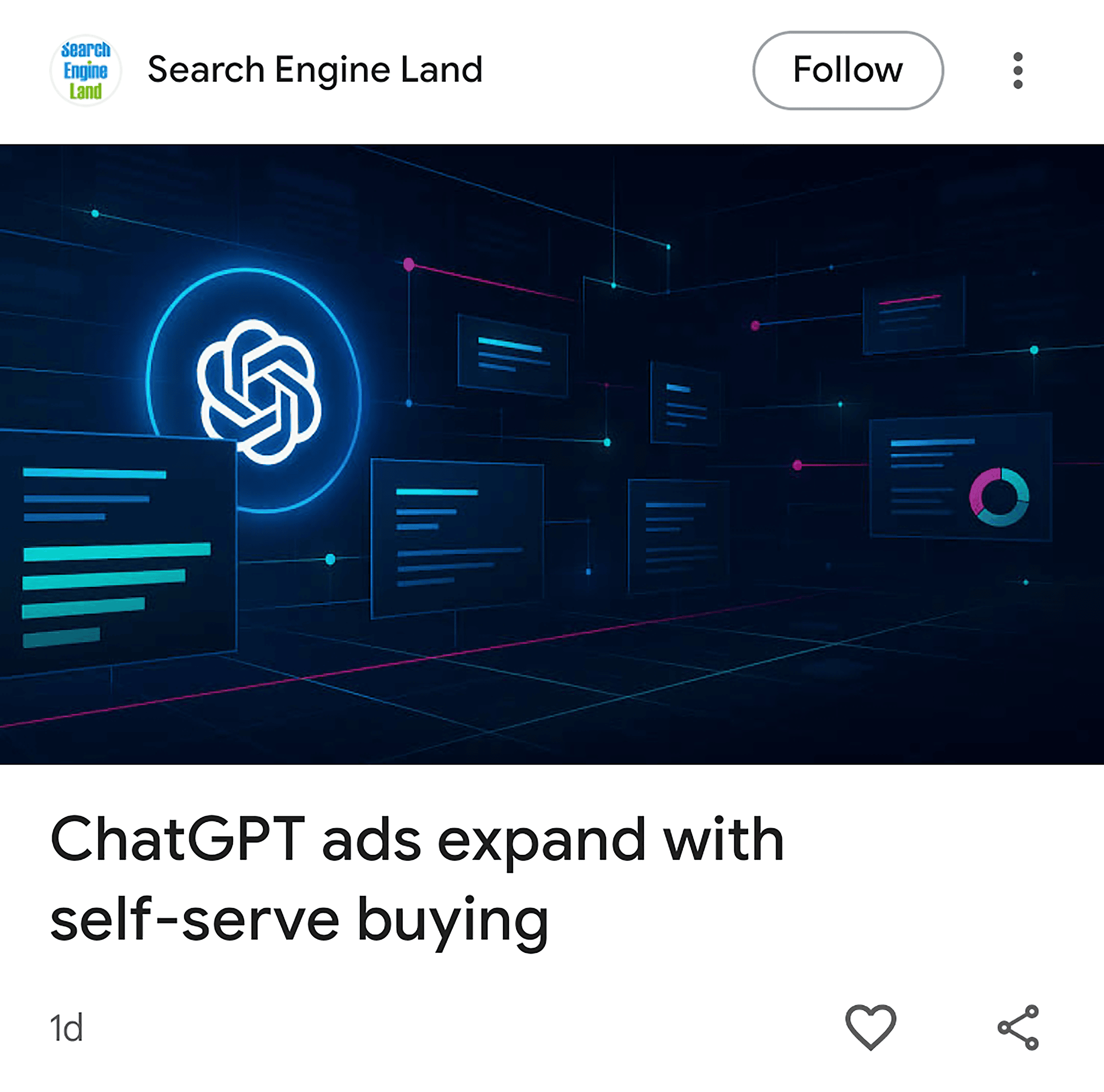
To succeed here, you need to create content that feels timely and relevant. Your Discover-targeted content should answer the "Why now?" question. It needs a strong angle, clear stakes, and a visual identity that stops the scroll.
Discover Checklist:
- Headlines: Do they trigger tension or urgency?
- Imagery: Do you have a 1200px+ featured image that acts as a focal point?
- Skimmability: Is the content broken into short paragraphs and subheads that are readable on a mobile screen?
6. Conversion in a Zero-Click World
As LLMs provide direct answers to queries, the number of "zero-click" searches will continue to rise. This forces a change in your conversion strategy: you must maximize the revenue per visitor.
Because the visitors who do reach your site are more educated and further along in their journey, they should not have to navigate a maze to reach a checkout or demo page.

Optimization Tips:
- Reduce Friction: Eliminate unnecessary form fields, slow load times, and broken navigation.
- Reduce Anxiety: If you are in a high-stakes industry (finance, legal, B2B software), emphasize security, certifications, and clear refund/cancellation policies.
- Behavioral Email: Use your email provider to trigger messages based on site behavior. If a user visits your pricing page but doesn’t sign up, trigger an automated email with a relevant case study or a discount offer to "nudge" them back into the funnel.
7. The Human Premium: Scaling Personality
In an age of synthetic content, the most valuable commodity is human presence. Putting a face and a voice behind your brand is the ultimate hedge against AI saturation.
Thought Leadership as a Differentiator
Thought leadership is not just about writing blog posts; it is about establishing a clear point of view. It is about saying, "In our industry, this is how things should be done, and here is why."
Scaling the Human Element:
- Brand Advocates: Identify a team member (or the founder) to be the public face.
- Association: Ensure that this individual’s public presence—whether on LinkedIn, podcasts, or industry panels—is explicitly linked to your brand.
- Community Participation: Use these advocates to show up in niche communities (Reddit, Discord, Industry Forums) not to sell, but to solve. If you spend your time helping, your brand’s authority will grow organically.
Conclusion: Automate the Process, Not the Personality
Website marketing in 2026 is about balancing the technological requirements of AI-era discovery with the essential human need for trust and authenticity. By engineering your brand messaging, optimizing for mobile-first discovery, and showing up as a helpful member of your niche community, you build a brand that is resilient.

Remember: you do not need to do this all manually. Use AI to assist in the repurposing of high-performing ideas and the automation of behavioral email triggers. Focus on the strategy—the why and the who—and let the automation tools handle the how.