A political campaign strategy is far more than a collection of stump speeches and television advertisements. In the modern era, it represents a highly coordinated, multi-disciplinary machine—a synthesis of messaging, demographic targeting, resource allocation, and field logistics designed to secure a path to victory. The 2016 U.S. Presidential election serves as the definitive case study for this evolution, marking the moment when Silicon Valley’s "lean startup" methodologies collided with the high-stakes world of national electoral politics.
The Shift: Silicon Valley Meets the Beltway
The 2016 Trump campaign’s success was not a product of pure luck, nor was it solely the result of populist rhetoric. It was, in large part, an exercise in operational efficiency. By applying habits common to tech giants—rapid A/B testing, data-driven budget allocation, the outsourcing of specialized teams, and an incredibly tight feedback loop between digital channels and legacy media—the campaign operated with a speed that traditional political establishments struggled to match.
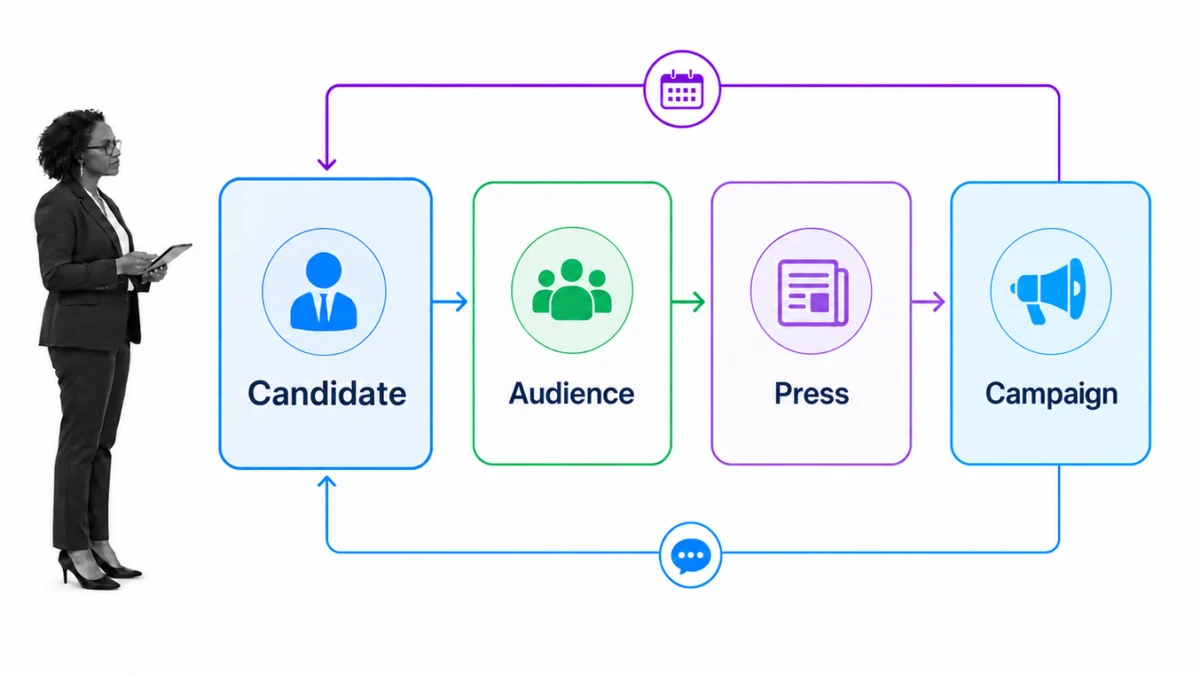
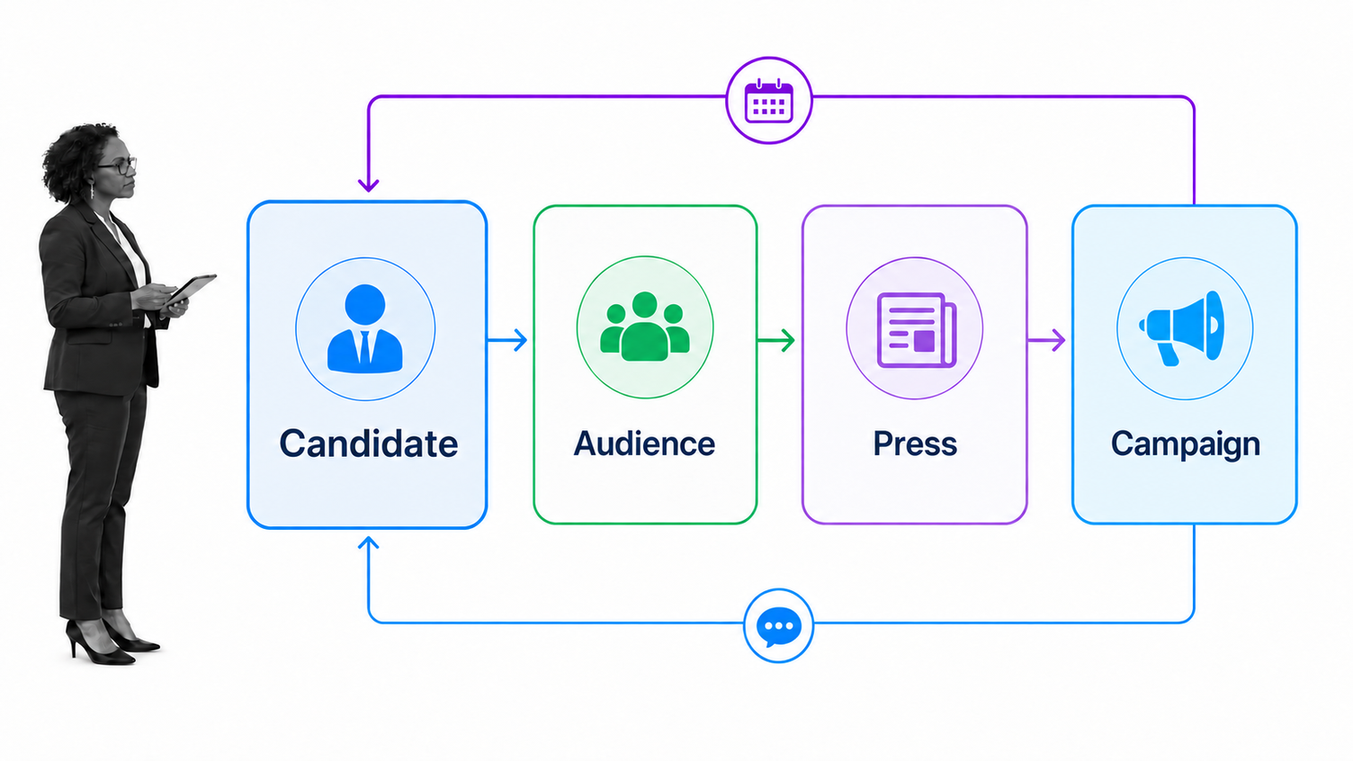
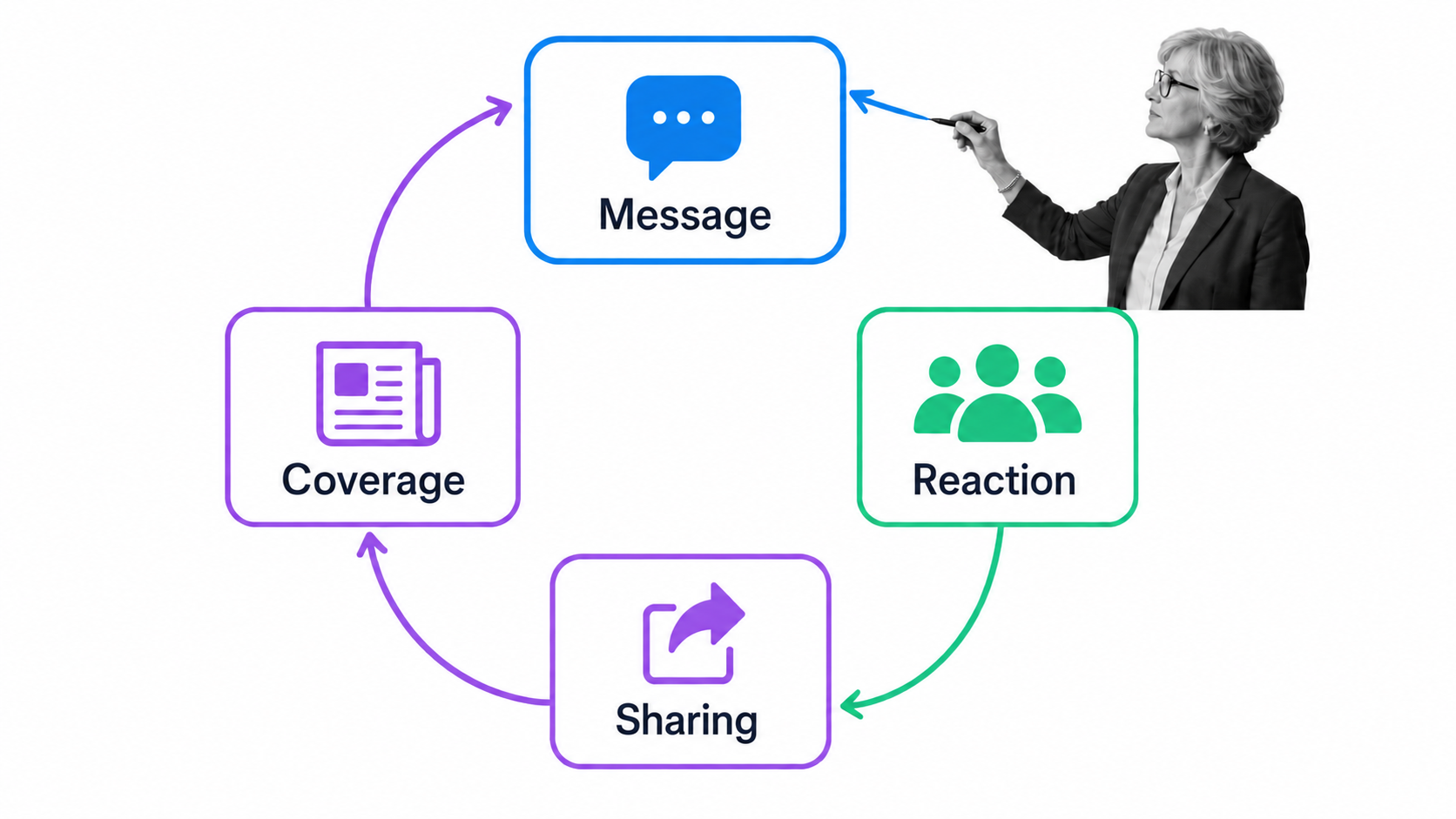
However, to view this purely as a "tech-win" is to misunderstand the ecosystem. Researchers at the MIT Laboratory for Social Machines identified Donald Trump as a dominant force in the 2016 media landscape, not because of a single platform, but because of a self-reinforcing loop. Candidate statements, online community engagement, traditional news coverage, and aggressive field operations acted as a flywheel, each component fueling the next.
Chronology of a Digital Disruption
The transformation of political campaigning began in earnest with the 2012 Obama re-election campaign. Under the hood, the Obama team utilized a clandestine, data-heavy operation dubbed "The Cave." This group of analysts, led by figures like Dan Wagner and David Shor, ran 62,000 simulations of the election daily. Their "Golden Report" allowed the campaign to make cold, calculated decisions—such as refusing to panic when public polls showed a 10-point dip in Michigan—ultimately saving $20 million in wasted advertising.
By 2016, this precedent had evolved. The Trump campaign, initially a lean, budget-conscious operation overseen by Corey Lewandowski, underwent a radical pivot when Jared Kushner assumed control. Leveraging his connections in the venture capital world, Kushner brought a "chief operating officer" mindset to the campaign.
While the Clinton campaign—supported by the tech-heavy "Groundwork" project and the analytical prowess of Civis Analytics—focused on traditional, albeit data-informed, voter mobilization, the Trump campaign treated the election like a series of product launches. They used Facebook micro-targeting to test message effectiveness, famously scaling a $160,000 investment in a low-production, straight-to-camera video into 74 million views. By mid-October 2016, FEC filings revealed the Trump campaign had spent roughly half of what the Clinton campaign had, proving that in the digital age, efficiency can sometimes outweigh sheer spending volume.
Supporting Data: The Media Feedback Loop
The media strategy employed by the Trump campaign was a masterclass in exploiting the 24-hour news cycle. As Joel Simon of the Columbia Journalism Review noted in early 2016, the relationship between the press and candidates had shifted. By engaging in provocative behavior and utilizing social media to control the narrative, the campaign effectively forced traditional media to act as an "unwitting accomplice."
Google Trends data from that year provides a visual representation of this dominance. Trump’s ability to remain the center of the news cycle—whether through controversy or policy—kept his name in the search algorithms and on the cable news tickers, while his supporters formed, reinforced, and expanded these narratives within digital communities. This phenomenon, often referred to as the "Meme Wars," generated a level of organic, high-energy engagement that traditional mailers and rallies simply could not replicate.
Furthermore, the rise of independent, right-leaning digital media outlets, such as Breitbart, provided a "counter-narrative" ecosystem. This allowed the campaign to validate its messaging even when mainstream outlets were critical, creating a closed-loop system where supporters were constantly affirmed in their political choices.
The Limits of Innovation: When Strategy Isn’t a Silver Bullet
It is a common error to assume that technology is a panacea for electoral failure. The 2016 election also serves as a warning for those who believe in "technological determinism."
Consider the Bernie Sanders campaign. It operated as a true political startup, utilizing innovative crowdfunding platforms, rapid-response phonebanking tools, and apps like Hustle to organize young, tech-literate voters. Despite this, Sanders failed to secure the Democratic nomination. Similarly, while Trump won the presidency, he did not sweep every down-ballot race, and his victory in the Electoral College was narrow.
These results suggest that while technology can enhance a campaign’s reach and efficiency, it cannot overcome a lack of broader political will or the structural realities of the American voting system. The "status quo" vs. "disruption" dynamic played a massive role, and one must account for external shocks—such as the FBI’s October 2016 letter regarding Clinton’s emails—which arguably altered the trajectory of the race in ways that no amount of data analytics could have predicted or mitigated.
Official Perspectives and Academic Analysis
Post-election analysis has been exhaustive. Figures like Eric Schmidt, who helped guide the technology infrastructure for the Clinton campaign, famously expressed surprise at the efficacy of the Kushner-led strategy. The consensus among many political scientists is that the 2016 election marked the end of the "broadcast era" of politics and the beginning of the "targeted-engagement era."
However, the legal and ethical implications remain a subject of intense scrutiny. The FTC’s subsequent actions regarding Cambridge Analytica serve as a permanent historical record of the risks associated with aggressive, unregulated data harvesting. The lesson for future campaigns is not that "data is king," but that data must be governed by, and reconciled with, legal and ethical frameworks to ensure the integrity of the democratic process.
Implications for Modern Organizations
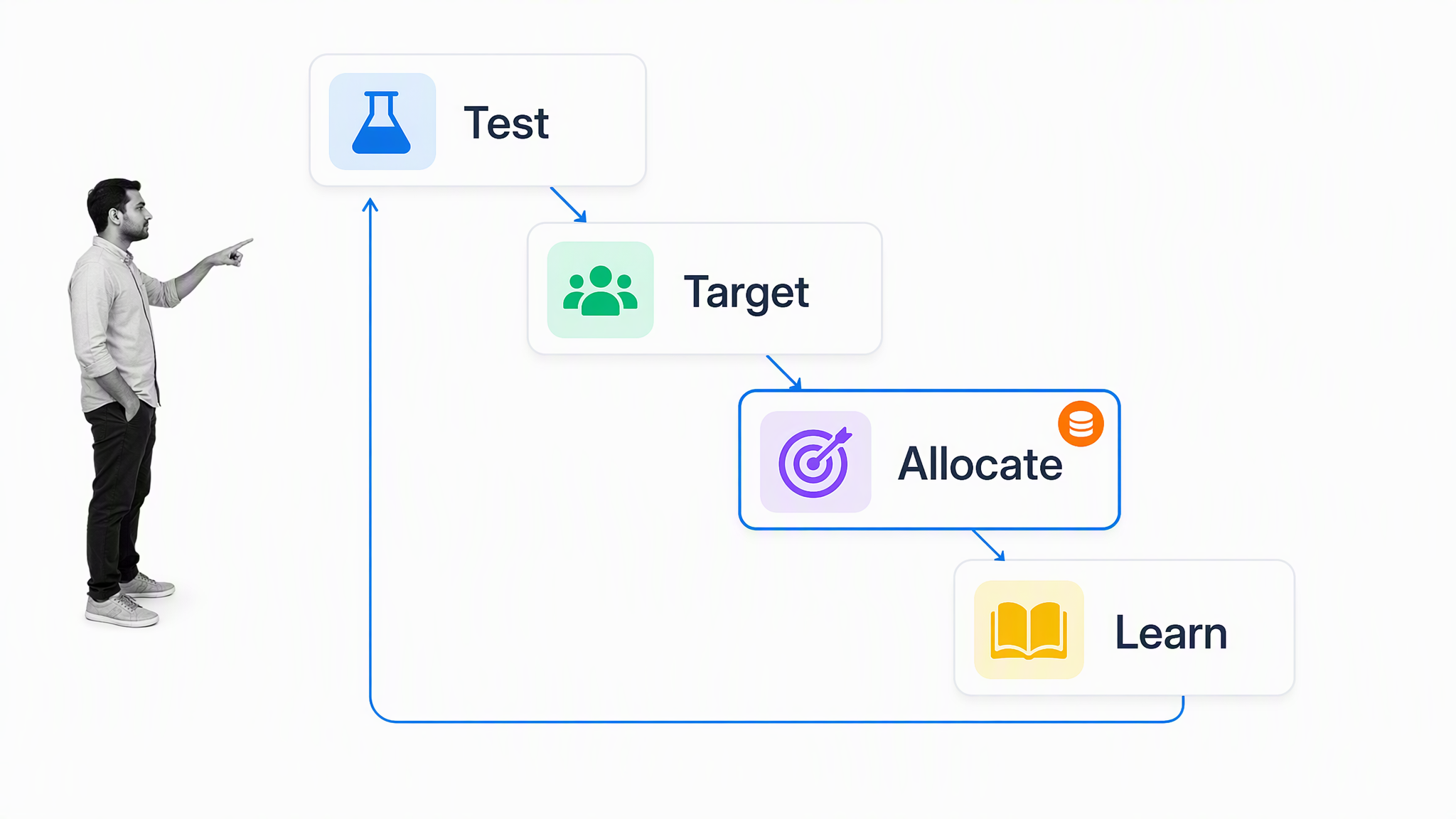
The lessons of 2016 extend far beyond the ballot box. They are a blueprint for any organization looking to scale operations, optimize processes, and influence behavior. A political campaign strategy, when successful, functions as a unified system where the message, the audience, and the medium are synchronized.
For business teams, the takeaway is clear:
- Define the Outcome: Like the Trump campaign’s "Moneyball" approach to electoral votes, businesses must identify where they get the best Return on Investment (ROI).
- Map the Work: Success requires a clear, documented, and repeatable workflow.
- Measure and Iterate: Use data not just to monitor performance, but to identify bottlenecks and test improvements in real-time.
- Integrate Tools: Technology should bridge the gap between analysis and execution. Platforms like Process Street are now being utilized to ensure that these operational disciplines—documenting procedures, running workflows, and using AI to classify and draft content—are standard practice.
Conclusion: The Human Element
The 2016 election reminds us that while tools and technology are transformative, they are ultimately subordinates to human intent. The Trump campaign succeeded because it integrated its tech-driven infrastructure with a compelling, if controversial, candidate brand and a clear understanding of the American electorate’s shifting landscape.
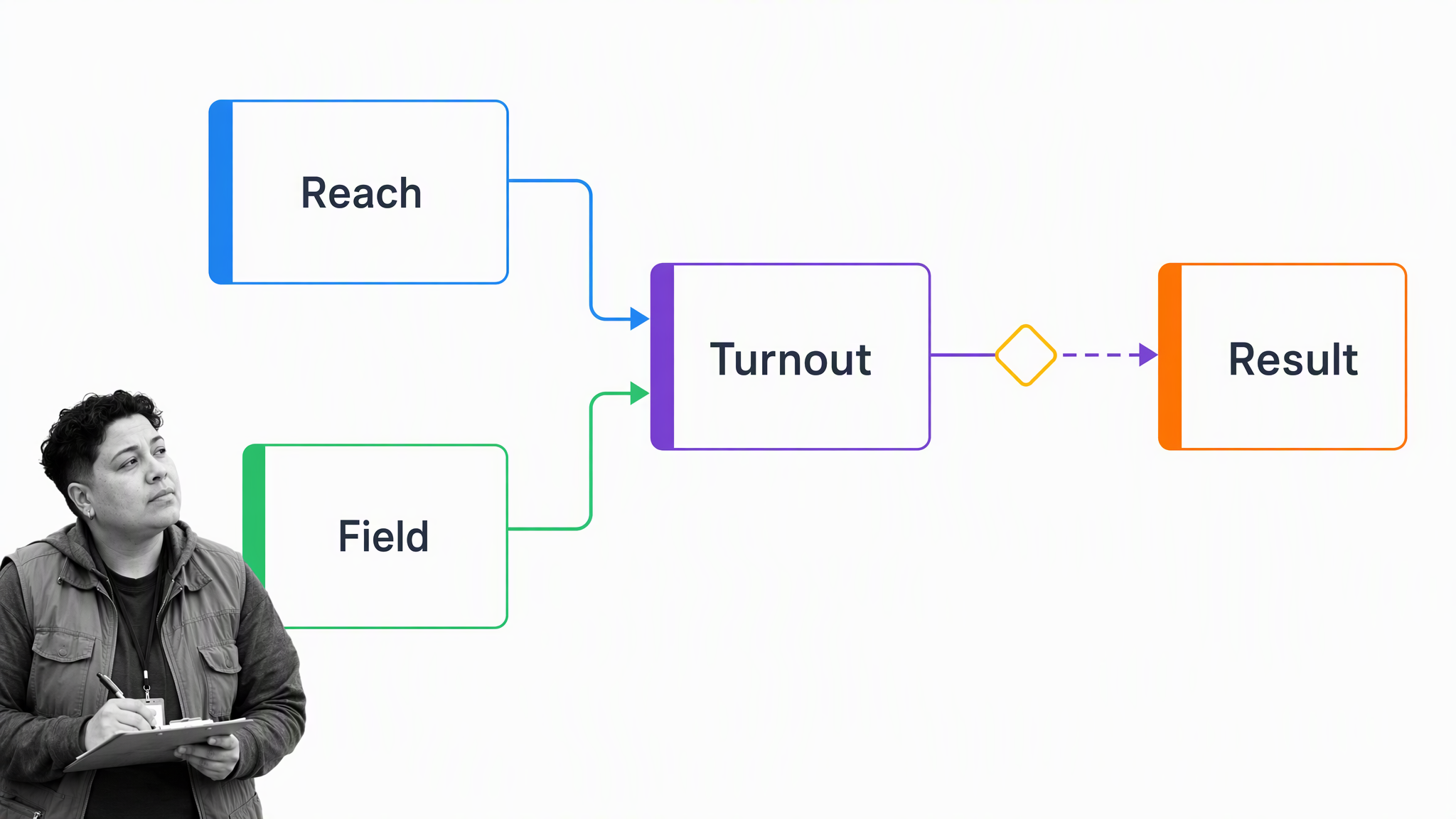
The durable lesson is that technology serves to shorten feedback loops and make tradeoffs visible. It provides the "what" and the "how," but it cannot provide the "why." A winning strategy requires the integration of message, audience, experimentation, resource allocation, and field work. It remains a human endeavor, one where the ability to organize, communicate, and adapt will always be the deciding factor. Technology does not win elections; it only makes the winner more efficient. In a world of increasing digital complexity, those who best understand the integration of process and people will undoubtedly shape the future of both politics and industry.