As global ecommerce sales projections shattered the $5.5 trillion threshold in 2022, a profound shift in consumer behavior became impossible for retailers to ignore. The traditional path to purchase—moving from a discovery phase on social media to a separate, external ecommerce website—is rapidly being replaced by a more streamlined, "all-in-one" ecosystem. This is the era of social commerce: the seamless integration of shopping features directly into the platforms where users spend the majority of their digital lives.
For modern businesses, social commerce is no longer an experimental side project; it is an essential revenue stream. By removing the friction inherent in the traditional funnel, brands are now capable of converting casual scrollers into loyal customers in a matter of seconds.
The Genesis of Social Commerce
Defining the New Retail Frontier
At its core, social commerce is the practice of buying and selling products or services directly within a social media platform. Unlike traditional ecommerce, which relies on a branded website or third-party storefront, social commerce transforms networks like Instagram, Facebook, and TikTok into fully functional marketplaces.

The journey of a social consumer is remarkably simple: a user scrolls through their feed, identifies a product they desire, clicks a "Shop Now" button, and completes the transaction—all without ever leaving the application. This eliminates the "drop points" that plague traditional retail, such as slow-loading landing pages, complex checkout forms, and the mental fatigue of switching between apps.
A Chronology of Platform Integration
The rise of social commerce was not an overnight phenomenon but a gradual maturation of social platforms:
- 2015 (The Early Adopter): Pinterest introduced "Buyable Pins," signaling the first major attempt by a social platform to integrate transaction capabilities.
- 2018–2020 (The Expansion): Facebook and Instagram launched dedicated "Shops," allowing brands to curate digital storefronts accessible via their business profiles.
- 2021–Present (The Acceleration): TikTok emerged as a powerhouse, leveraging the viral nature of short-form video to drive massive, impulsive purchasing habits, embodied by the #TikTokMadeMeBuyIt phenomenon.
Supporting Data: Why Consumers Are Pivoting
The numbers tell a compelling story. According to recent market analysis, 62% of consumers between the ages of 18 and 34 have made a purchase directly influenced by branded social media content or influencer marketing.

Furthermore, the "frictionless" nature of these platforms significantly mitigates cart abandonment. In standard ecommerce, a consumer might lose interest between the time they see an advertisement and the time they navigate to a web browser to complete a purchase. Social commerce captures that "moment of inspiration," converting it into an immediate transaction.
Beyond the numbers, social commerce serves as a living, breathing focus group. Brands are now able to harvest real-time data from comments, shares, and direct messages, providing invaluable insights into product development, inventory planning, and consumer sentiment.
Comparing the Ecosystems: The Big Five
While the landscape is constantly evolving, five primary platforms currently lead the charge in social commerce.

1. Facebook: The Foundation
Facebook Shops remains the most robust tool for business owners. It is entirely customizable and allows for inventory synchronization from existing ecommerce platforms like Shopify or WooCommerce. The primary advantage of Facebook is its integration with Messenger, allowing brands to utilize AI-powered chatbots to handle customer inquiries in real-time.
2. Instagram: The Visual Storefront
Instagram’s strength lies in its aesthetic-first approach. By linking an Instagram business profile to a Facebook catalog, brands can tag products in images and videos. With the recent introduction of shopping via Direct Messages (DMs), the platform has become a high-intent environment where visual inspiration leads directly to conversion.
3. Pinterest: The Search Engine
Often overlooked, Pinterest functions less like a social network and more like a visual search engine. With 89% of its users logging in specifically to find products to buy, the platform’s "Product Pins" allow for a seamless shopping experience. While some regions still require a redirect to an external site, the high intent of its user base remains a massive asset.

4. TikTok: The Viral Engine
TikTok has rewritten the rules of discovery. The hashtag #TikTokMadeMeBuyIt has garnered over 7 billion views, proving the platform’s unique ability to build product hype. Through "TikTok Shop," brands can host live shopping events, display product links in videos, and integrate their product catalogs directly into their profiles.
5. Snapchat: The AR Pioneer
Snapchat is rapidly integrating augmented reality (AR) into its commerce strategy, allowing users to "try on" products virtually. This immersive experience is particularly effective for beauty and apparel brands, as it reduces the hesitation associated with online purchases.
Implications for Modern Businesses
The Need for Strategic Integration
Transitioning to social commerce requires more than just opening a digital storefront; it requires a commitment to community management. Because social platforms are designed for interaction, businesses must move away from the "broadcast" model of advertising and toward a "conversational" model.

The Role of Conversational AI
As businesses scale their social presence, the volume of customer service inquiries can become overwhelming. Manually responding to every comment regarding sizing, shipping, or stock availability is unsustainable. This is where AI-driven tools—such as Heyday—become critical. By automating up to 80% of customer interactions, companies can maintain the "social" aspect of the platform while ensuring that every user receives a prompt, professional response.
Building Social Proof
The power of social commerce is amplified by transparency. Since 99.9% of consumers consult reviews before making a purchase, brands must actively cultivate social proof. This includes:
- Encouraging user-generated content (UGC).
- Hosting live Q&A sessions to address product concerns.
- Sharing positive customer testimonials via carousels and stories.
The Future: A Frictionless Economy
The implications of this shift are clear: the barrier between "content" and "commerce" is effectively dissolving. As we look toward the future, we can expect deeper integration of virtual reality, advanced AI recommendations, and perhaps even decentralized payment systems within social feeds.
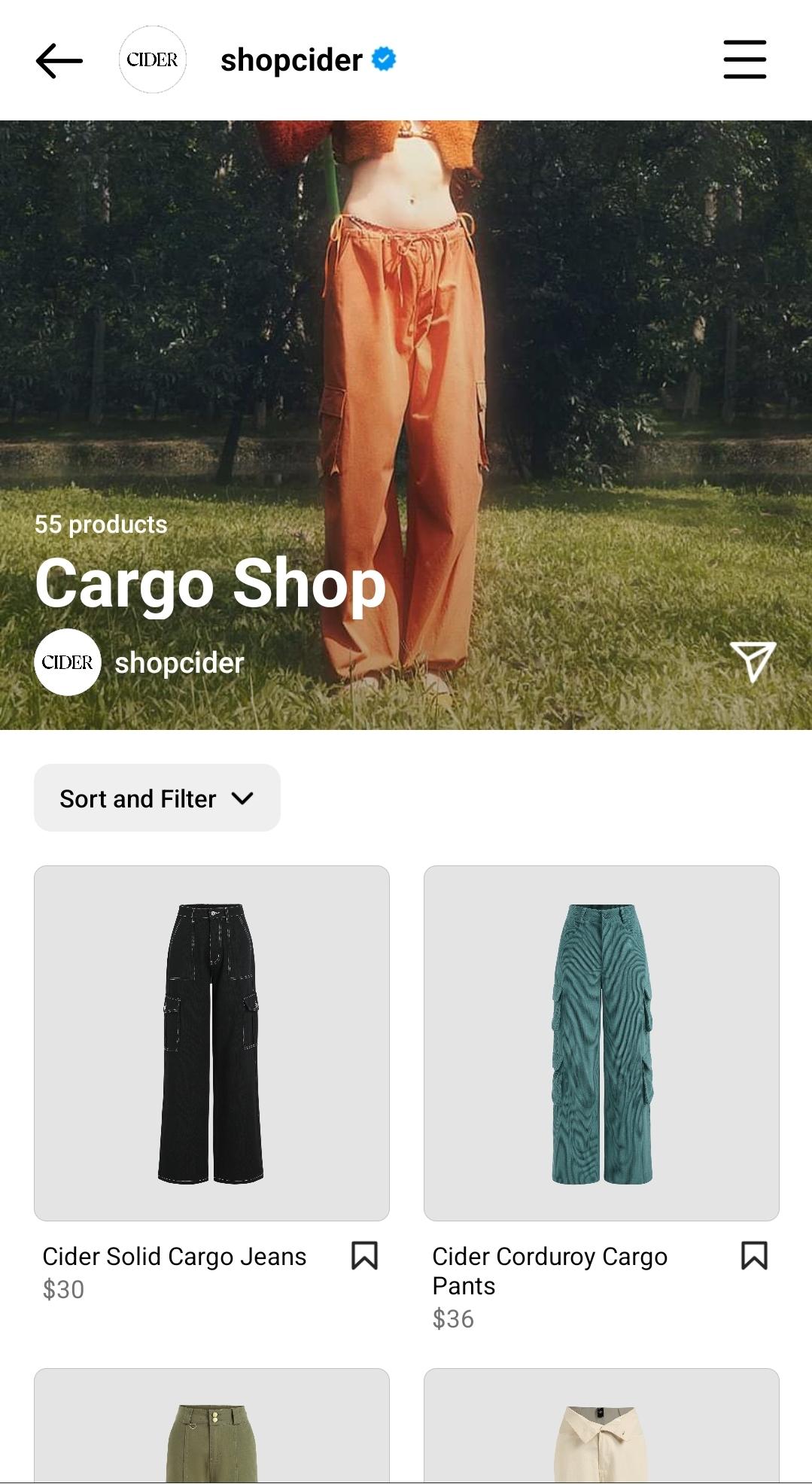
For the savvy entrepreneur, the message is simple: you must meet your customers where they are. Whether it is a TikTok user discovering a product through a viral video or a Facebook user asking a question via Messenger, the successful brands of the next decade will be those that treat every social interaction as a potential point of sale.
Final Thoughts for Stakeholders
Social commerce is not a replacement for traditional ecommerce, but rather a powerful extension of it. It requires a robust strategy that balances the convenience of in-app purchasing with the need for authentic engagement. By leveraging the right tools—from inventory synchronization software to AI chatbots—businesses can create a streamlined, delightful, and highly profitable shopping experience that turns the entire internet into a storefront.
As global spending continues to migrate toward these digital corridors, the question for brands is no longer if they should participate in social commerce, but how they can optimize their presence to capture the modern, mobile-first consumer. The technology is ready, the audience is waiting, and the era of social shopping has officially arrived.