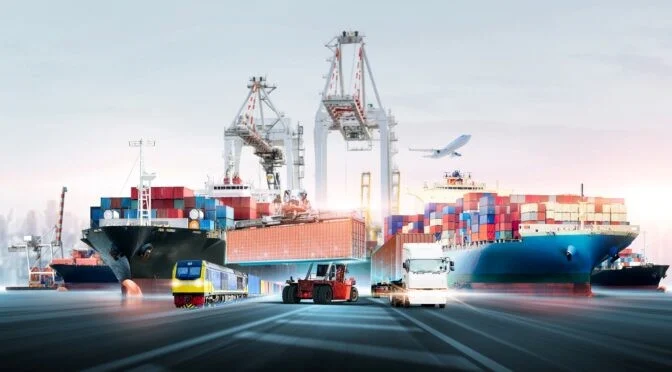
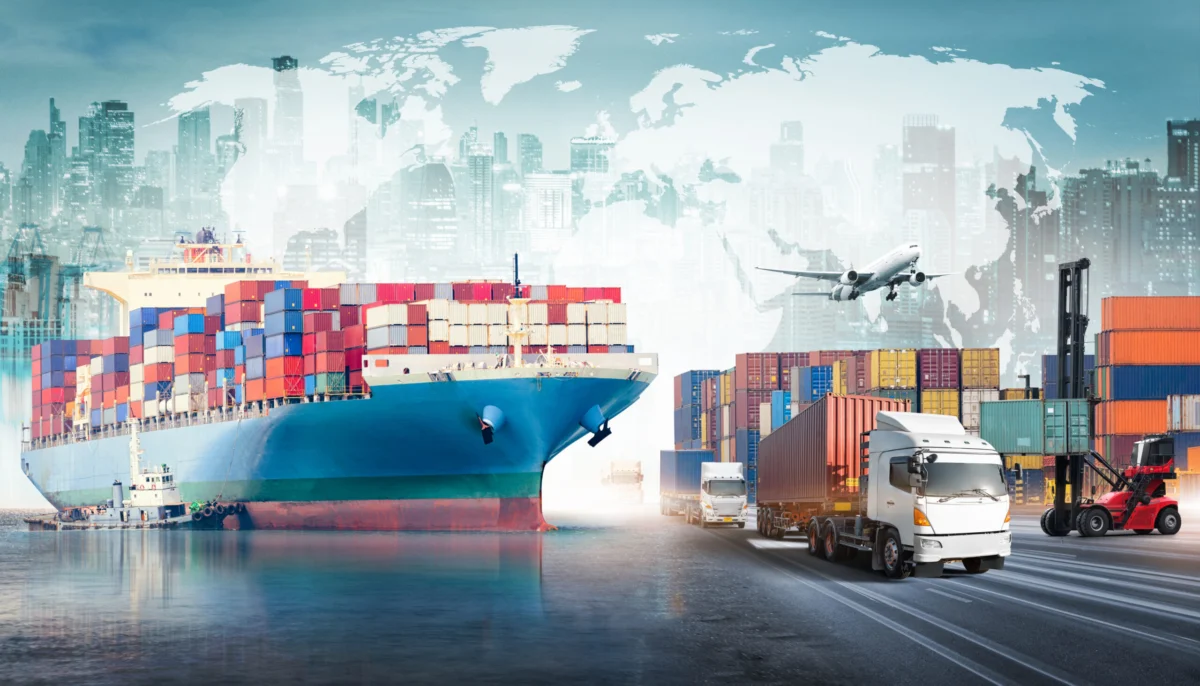
The global supply chain—a vast, intricate web of trucks, cargo ships, rail lines, and aircraft—serves as the circulatory system of the modern economy. Every day, trillions of dollars in goods flow between factories and front doors. Yet, for decades, the "brain" managing this movement remained stubbornly analog. In 2026, that paradigm has shifted. The rise of Artificial Intelligence (AI) dispatch systems is no longer a futuristic concept; it is the industry standard, fundamentally altering how freight is moved, monitored, and monetized.
Main Facts: The Transition from Analog to Algorithmic
At its core, AI dispatch replaces the legacy reliance on manual coordination—phone calls, whiteboards, and fragmented spreadsheets—with high-speed, data-driven orchestration. Modern AI platforms ingest vast datasets in real-time, including hyper-local traffic conditions, granular weather telemetry, fluctuating fuel prices, driver Hours-of-Service (HOS) compliance, and shifting customer delivery windows.
Unlike static software of the past, AI dispatch is dynamic. It evaluates thousands of variables in milliseconds to provide actionable recommendations or, in highly automated environments, to execute the dispatch decision entirely. This evolution marks the move from reactive logistics—where companies scramble to fix delays after they happen—to proactive supply chain management.
Chronology: The Road to Intelligent Freight
The integration of AI into logistics has followed a distinct trajectory over the last decade:
- 2015–2019 (The Digitization Era): Companies moved from paper to Cloud-based Transportation Management Systems (TMS). The focus was on visibility and basic digital record-keeping.
- 2020–2023 (The Pandemic Catalyst): Global supply chain disruptions exposed the fragility of manual planning. Organizations began investing heavily in predictive analytics to navigate labor shortages and port congestion.
- 2024–2025 (The Integration Phase): AI moved from the back office to the front lines. Early adopters began utilizing machine learning to automate load matching and route optimization.
- 2026 (The Autonomy Threshold): AI dispatch is now pervasive. Systems are increasingly self-learning, integrating with warehouse management systems (WMS) and, in some pilot programs, coordinating directly with autonomous trucking fleets.
Supporting Data: Efficiency Metrics and Cost Impacts
The transition to AI-led dispatching is not merely a technological upgrade; it is a financial imperative. Industry reports from 2026 highlight several key performance indicators (KPIs) that underscore the shift:
- Empty Mile Reduction: By optimizing load matching, AI systems have reduced "deadhead" miles (trucks traveling without cargo) by an average of 18% across major freight corridors.
- Asset Utilization: Carriers using AI-driven scheduling have reported a 22% increase in trailer turns per month.
- Fuel Efficiency: Through dynamic route optimization that bypasses traffic congestion and steep inclines, fleets have slashed fuel consumption by 12% on average.
- Operational Throughput: Dispatchers utilizing AI tools manage 35% more shipments per person compared to those relying on traditional manual entry systems.
Official Industry Responses
Logistics leaders are vocal about the necessity of this shift. According to the Chief Technology Officer of a leading global 3PL (Third-Party Logistics provider):
"We reached a point where human cognitive capacity was the bottleneck. We had the data, but we couldn’t process it fast enough to make the best decisions for every single load. AI isn’t just helping us work faster; it’s uncovering efficiencies we didn’t even know existed. It’s like moving from a map to a live GPS navigation system for the entire company."
However, the industry remains grounded in reality regarding the "Human-in-the-Loop" necessity. A representative from a national trucking association noted:
"Technology is the tool, but the craft is still human. You cannot automate the negotiation of a complex contract or the empathy required to handle a driver’s emergency. AI takes the grind out of the job, allowing our dispatchers to act as managers rather than data-entry clerks."
Deep Dive: The Pillars of AI Dispatch
Faster Load Matching and Scheduling
In the traditional model, assigning a load was a game of "telephone." With AI, the system instantly cross-references the specific technical requirements of a shipment—such as temperature control or weight limits—against the current location and capabilities of the entire fleet. This instantaneous matching ensures that assets are always placed in their most productive position, minimizing downtime and maximizing revenue per mile.
Dynamic Route Optimization
Modern routes are no longer static lines on a map. AI dispatch systems perform "continuous optimization." If a weather front moves in or a bridge closure is reported, the system reroutes the driver before they even encounter the delay. This minimizes driver fatigue—a critical safety component—and ensures that delivery promises are met despite unpredictable environmental variables.
Predictive Analytics: The "Pre-emptive" Strike
Perhaps the most significant leap in 2026 is the shift toward predictive analytics. Instead of waiting for a shipment to be late, AI models forecast the likelihood of a delay based on historical trends. For instance, the system might flag that a specific warehouse has a 70% chance of a bottleneck on Tuesday afternoons, prompting the company to schedule pickups for earlier in the morning. This creates a resilient, "self-healing" supply chain.
Implications: The Changing Workforce and Economic Landscape
The widespread adoption of AI dispatch has profound implications for the logistics workforce and the global economy.
Redefining the Dispatcher Role
The role of the freight dispatcher is undergoing a metamorphosis. The mundane, repetitive tasks—calculating fuel costs, checking driver hours, and updating spreadsheets—are being automated. In their place, the dispatcher is becoming an "Exception Manager." They spend their time solving complex problems, building long-term relationships with clients, and handling high-level negotiations. This shift is generally viewed as an enhancement of the role, potentially increasing job satisfaction as human intuition is applied to higher-value tasks.
The Barrier to Entry: Implementation Challenges
Despite the clear ROI, adoption is not without hurdles. "Legacy friction"—the difficulty of integrating 20-year-old infrastructure with modern AI APIs—remains the primary barrier. Furthermore, the "garbage in, garbage out" principle applies; if the historical data used to train the AI is flawed, the dispatch decisions will be suboptimal. Companies must prioritize data hygiene and invest in comprehensive employee training programs to ensure the workforce trusts and understands the AI recommendations.
Future Outlook: Toward the Autonomous Ecosystem
Looking ahead, the next frontier for AI dispatch is the integration with autonomous vehicles and the Internet of Things (IoT). By 2028, we expect to see "zero-touch" freight operations, where an order is placed by a customer, automatically assigned to an autonomous truck, routed through AI, and updated in real-time on a digital ledger, all without a single human keystroke.
Voice-enabled AI assistants are also becoming standard. Dispatchers can now ask, "What is the status of the refrigerated load in Chicago?" and receive an instant, synthesized update based on real-time telematics.
Conclusion: A New Era of Reliability
The 2026 freight landscape is defined by its speed, precision, and intelligence. AI dispatch has moved from a competitive advantage to a fundamental requirement for survival in the logistics sector. By harmonizing the computational power of AI with the strategic oversight of human experts, companies are building networks that are not only more cost-effective but also more capable of handling the volatility of the modern world.
As global trade continues to expand and consumer expectations for "instant" delivery remain high, the integration of AI into the core of transportation operations will be the deciding factor between market leaders and those left behind. The future of logistics is here, and it is guided by the invisible, tireless hand of artificial intelligence.