It is a familiar scenario: a box of tangled wires, dusty controllers, and monolithic plastic casings sits at the back of a garage or tucked away in a basement, a relic of a childhood spent in front of a CRT television. For many, this is merely clutter—a reminder of an era before high-definition streaming and cloud-based gaming. However, for an increasingly sophisticated secondary market, that box represents a potential goldmine. The retro gaming market has evolved from a niche hobby for enthusiasts into a legitimate asset class, with rare hardware fetching sums that would have seemed impossible two decades ago.
The Reality of Value: Beyond Just Age
The most pervasive myth in the world of retro gaming is that age equates to value. In reality, longevity is only one variable in a complex equation. A console’s worth is determined by a volatile mix of condition, scarcity, functional status, and the completeness of the original packaging.
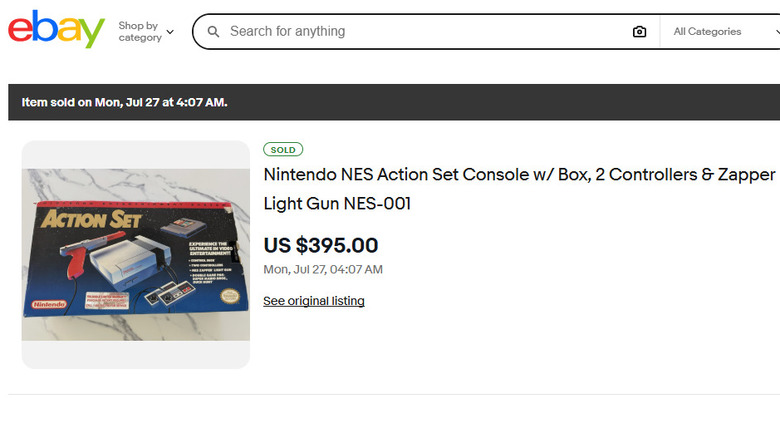
"Old" does not necessarily mean "rare." For example, the Nintendo Entertainment System (NES)—the device that single-handedly resurrected the North American home console market in 1985—was produced in such massive quantities that it remains relatively accessible. According to market trackers like PriceCharting, a loose NES console in working condition generally fetches around $82. However, the delta between a "loose" unit and a "complete" one is staggering. A pristine, boxed NES Action Set, including the original Zapper light gun and two controllers, can command upwards of $400. In the world of high-end collecting, the original cardboard box, the styrofoam inserts, and even the original instruction manuals serve as the difference between a common toy and a museum-quality artifact.
Chronology of the Market: From Toys to Commodities
To understand the current market, one must look at the trajectory of the industry over the last 40 years.
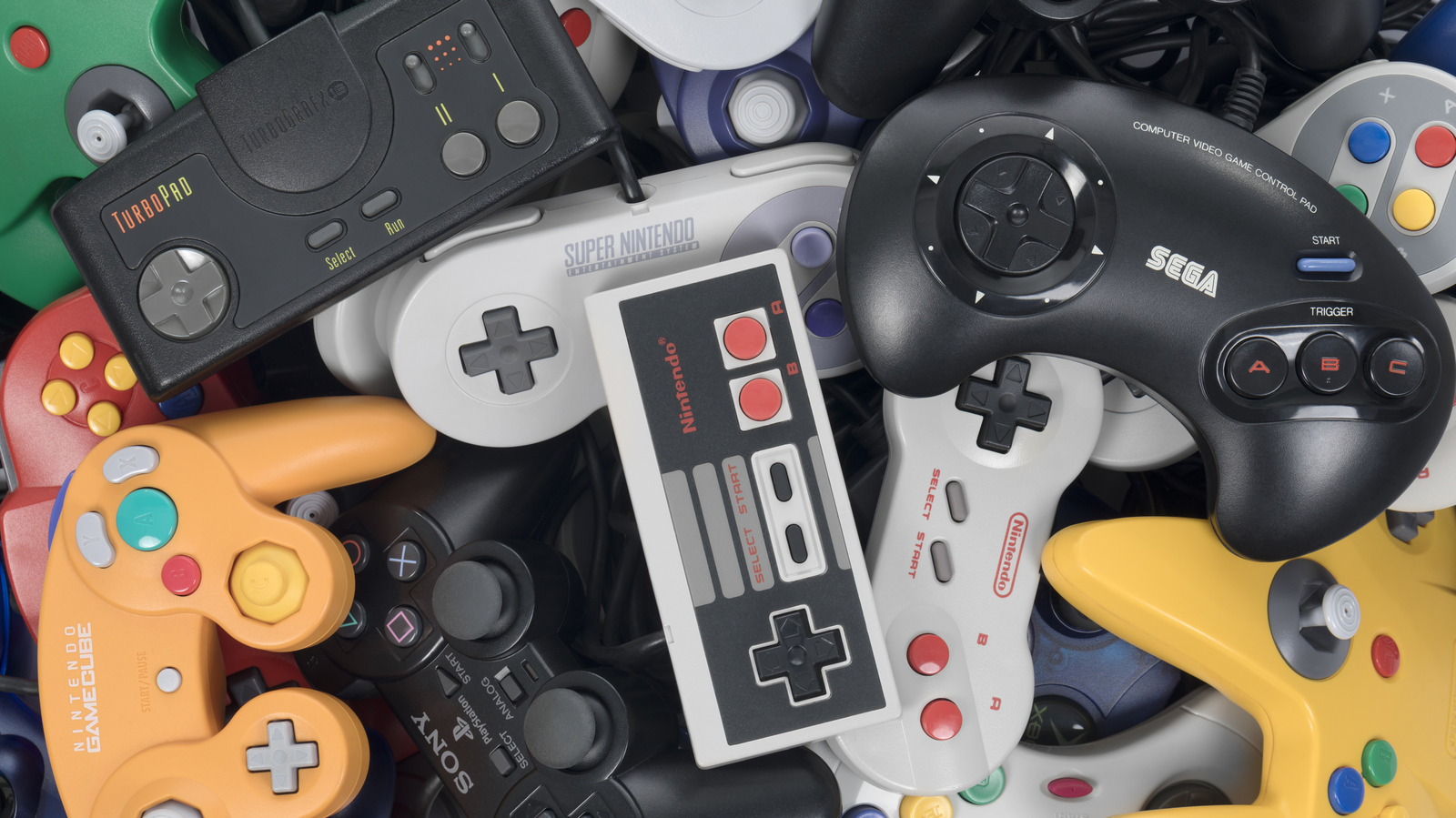
- The 8-bit/16-bit Era (1985–1995): This period established the foundational "blue chips" of the industry. The NES, Super Nintendo (SNES), and Sega Genesis are widely available, but specific "bundle" variants and "launch edition" consoles are becoming increasingly difficult to source.
- The Transition Era (1995–2005): The arrival of the Sony PlayStation and the Sega Saturn marked a shift toward more complex internal components. The Saturn, a commercial failure in the West, is now highly coveted due to its low manufacturing volume, with prices significantly outpacing the ubiquitous original PlayStation.
- The Modern Vintage Era (2006–Present): The early hardware revisions of consoles like the PlayStation 3 (specifically the 60GB "fat" model) are currently seeing a surge in value. Because these specific units contained physical hardware allowing for native backward compatibility with PlayStation 2 games, they are treated as functional hybrids, bridging the gap between historical preservation and modern utility.
Supporting Data: The Mechanics of Pricing
Pricing a retro console is rarely as simple as checking an auction site’s "Buy It Now" price. Inflated asking prices often sit on platforms like eBay for months, disconnected from the actual market value.
The "Complete-in-Box" (CIB) Premium
Data consistently shows that the presence of original packaging can increase the value of a console by 300% to 500%. Collectors are not just buying the hardware; they are buying the "experience of discovery"—the ability to unbox the item as if it were brand new.
The Functionality Factor
An untested console is a gamble. Because internal capacitors in machines from the 1980s and 90s are beginning to degrade due to age, functional units are becoming a premium commodity. A clean, tested console that boots reliably is worth significantly more than a "for parts" unit. Sellers who provide video evidence of the console powering on, reading a game disc, and outputting audio/video often see higher bid totals because they mitigate the risk for the buyer.
Model Discrepancies
Collectors pay for nuances. The aforementioned 60GB PlayStation 3 (CECHA-01) is a prime example of why model numbers matter. The sticker on the back of a console is the most important piece of data for an amateur appraiser. Variations in regional releases (NTSC-J vs. NTSC-U vs. PAL) can create massive price gaps, particularly for limited edition hardware like the Japanese-exclusive Hello Kitty Dreamcast, which can fetch upwards of $600 in the current market.
Official Perspectives: The Role of Preservation and Auction Houses
While the casual seller might look to Facebook Marketplace or eBay, the upper echelon of the market—where prices reach the tens of thousands—is dominated by professional auction houses and grading services.
Organizations such as the National Videogame Museum and specialized auction houses have brought a sense of legitimacy to the field. When a "Nintendo PlayStation" prototype—a relic of a failed partnership between the two tech giants—sold for $360,000 in 2020, it signaled that video game hardware had transitioned into the realm of fine art and historical antiquities.
Professional grading services, which encapsulate consoles in acrylic cases with a numerical condition score, have sparked debate within the community. Critics argue that this commodifies "gaming history" and forces items out of the hands of players and into the hands of investors. However, from a financial perspective, these services have standardized the market, providing buyers with a third-party assurance of the object’s condition.
Implications for the Average Owner
If you have a collection gathering dust, the implications are clear: Do not throw anything away.
- Catalog Everything: Before listing an item, inventory every cable, controller, and piece of documentation.
- Verify, Don’t Assume: Check the specific model number. Use reliable third-party price trackers that aggregate "sold" listings rather than "active" listings to get a realistic sense of current market demand.
- Preservation is Profit: If you intend to sell, store your items in a cool, dry, and climate-controlled environment. Exposure to humidity and UV light can permanently degrade the plastic and paper packaging, eroding value significantly.
- The Prototype Caveat: While it is unlikely that the average person has a rare development kit, keep an eye out for hardware that looks "different." Consoles with unusual port configurations, missing branding, or atypical internal wiring could be developmental prototypes. These items should be handled by experts, as their value is not dictated by standard consumer market trends but by historical rarity.
Ultimately, the retro gaming market is a testament to the cultural impact of the medium. What started as a child’s entertainment has become a segment of history that people are willing to pay handsomely to own. Whether you are holding onto a beat-up original Game Boy or a pristine, factory-sealed collector’s edition, the value lies in the intersection of nostalgia and scarcity. Take a closer look at those boxes in the garage—you might be surprised by what you find.