As the United States continues to navigate the long-term, complex ripple effects of the COVID-19 pandemic, the nation’s economic landscape presents a paradoxical picture. For policymakers, investors, and the average worker, the signals emanating from key economic indicators are often contradictory, creating a sense of instability despite periods of significant growth. While GDP figures and consumer spending suggest a robust recovery, the looming threats of record-level inflation and aggressive monetary policy from the Federal Reserve indicate that the economy remains in a state of fragile transition.

The Economic Tug-of-War: Growth vs. Inflation
The latter half of 2021 and the opening months of 2022 were characterized by a fierce struggle between expansion and stagnation. On one hand, the Bureau of Economic Analysis (BEA) reported a substantial 6.9% increase in GDP during the final quarter of 2021. This growth was bolstered by resilient consumer spending as the public attempted to resume pre-pandemic habits.
However, this optimism has been tempered by the reality of the Consumer Price Index (CPI), which has hit historic highs, signaling a surge in year-over-year inflation that has eroded the purchasing power of American households. In response, the U.S. Federal Reserve has pivoted toward a more hawkish stance, initiating interest rate hikes aimed at cooling an overheating economy. This tightening of monetary policy is designed to curb inflation, but it introduces the risk of slowing growth to a crawl.
Compounding these domestic issues are persistent global pressures. Supply chain disruptions that began in 2021 have proven remarkably stubborn, extending well into 2022. These logistical bottlenecks, exacerbated by renewed COVID-19 outbreaks in China and the geopolitical volatility stemming from the war in Ukraine, have kept energy and commodity prices elevated, further straining the U.S. industrial sector.
A Chronology of the Labor Market Shift
To understand the current labor market, one must look back at the precipitous drop in employment during the spring of 2020. The arrival of the pandemic caused a historic shock to the system, with unemployment reaching heights not seen since the Great Depression.
- Early 2020: The onset of the pandemic leads to widespread lockdowns, shuttering businesses and causing a massive spike in unemployment.
- Late 2020 – 2021: As vaccines are rolled out and economic stimulus takes effect, businesses begin to reopen. However, the labor force does not return in full.
- The "Great Resignation" (2021): Millions of workers begin to exit the workforce or switch jobs, citing a desire for higher wages, better benefits, and more flexible working conditions.
- Early 2022: The unemployment rate drops to 3.6%, matching the pre-pandemic levels of February 2020. Despite this, the labor participation rate remains stubbornly low, signaling that millions who were previously employed have not returned to the workforce.
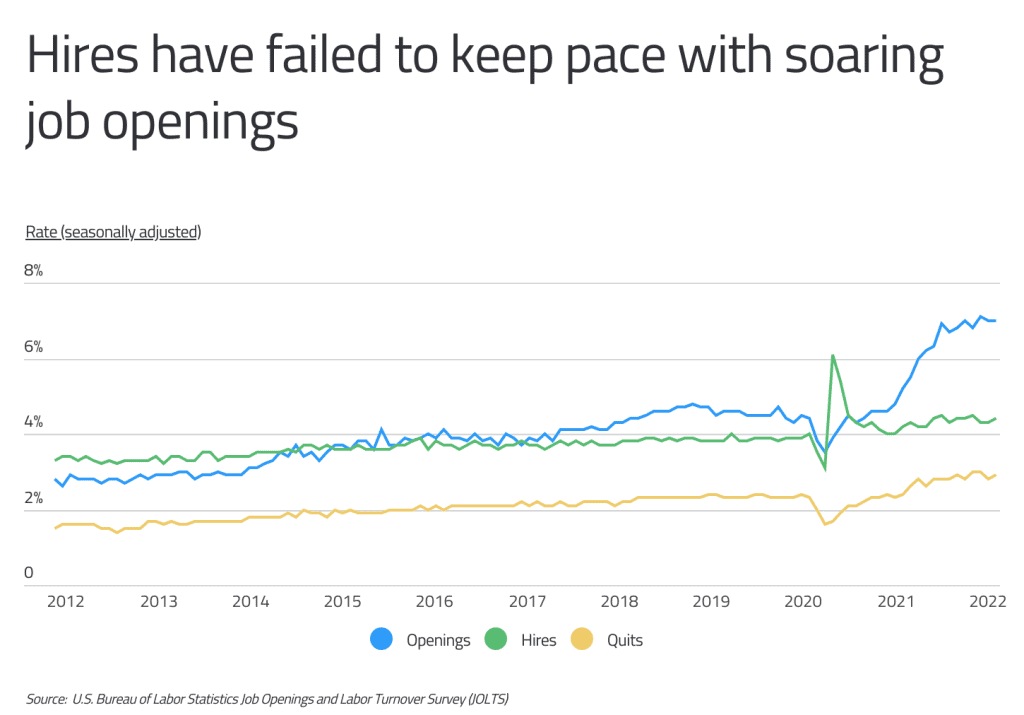
The result is a structural imbalance: there are significantly more job openings than there are available workers to fill them. While hiring rates have remained higher than historical norms—consistently above 4% since May 2020—this influx of new hires has failed to bridge the gap created by the surge in open positions, which effectively doubled from 3.5% in April 2020 to 7% two years later.
Supporting Data: The Mismatch in Demand and Supply
The Bureau of Labor Statistics (BLS) through its Job Openings and Labor Turnover Survey (JOLTS), provides the most granular look at this imbalance. The current economic reality is defined by a "quit rate" hovering around 3%, indicating that employees are not only moving between jobs with high frequency but that employers are struggling to retain talent even as they fight to fill vacancies.
The hiring outlook is not uniform; it is highly dependent on industry and geography. The industries that bore the brunt of the pandemic’s operational challenges are currently facing the most acute labor shortages.
Industry-Specific Labor Pressures
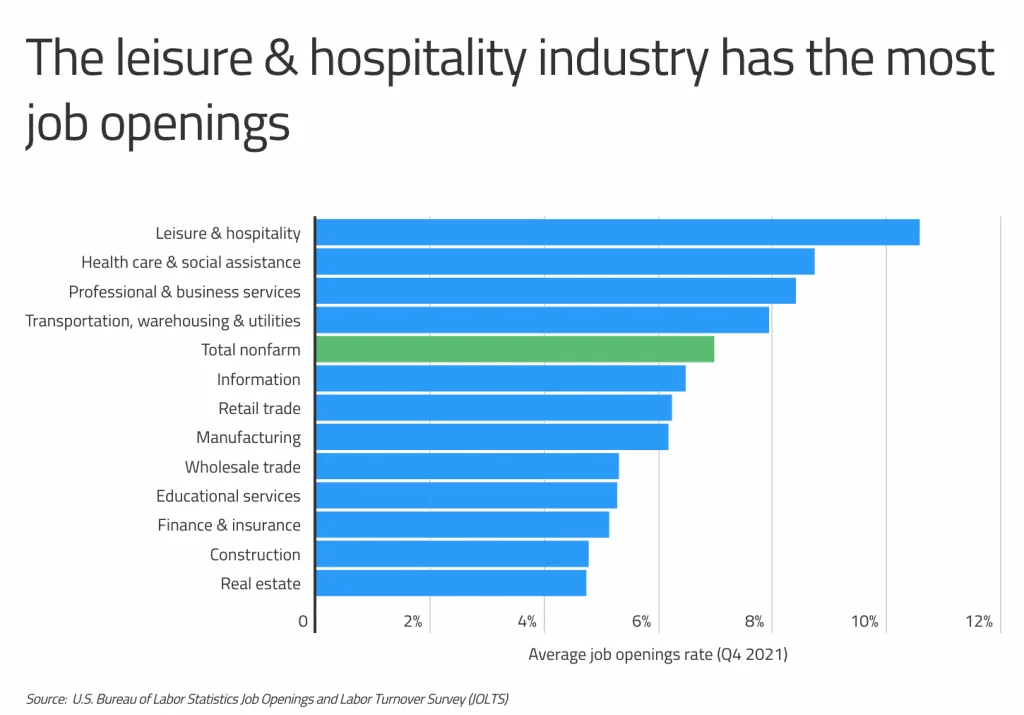
- Leisure and Hospitality: With a staggering job opening rate of 10.57%, this sector remains the most volatile. Workers, often facing low wages and unpredictable scheduling, have been the most likely to seek greener pastures, leading to a massive turnover crisis.
- Health Care and Social Assistance: Operating on the front lines of the pandemic, this sector reports a job opening rate of 8.73%. Burnout and exhaustion have led to significant staffing shortages that threaten to impact the quality of care.
- Construction and Real Estate: By comparison, these sectors are seeing more stability, with opening rates below 5.00%.
Geography as a Determining Factor
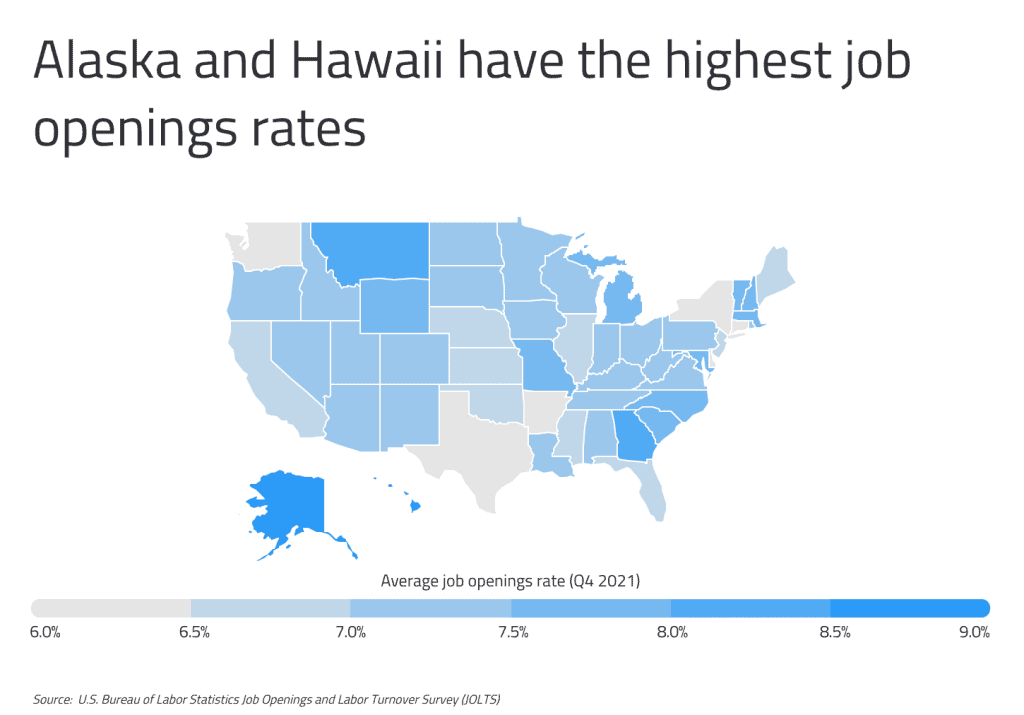
The labor crunch is also heavily influenced by regional economics. Remote and less populous states often face the greatest difficulty in recruitment. Alaska (9.00%) and Hawaii (8.60%) currently lead the nation in job opening rates, largely due to the geographic isolation and the logistical difficulties inherent in recruiting labor to these areas.
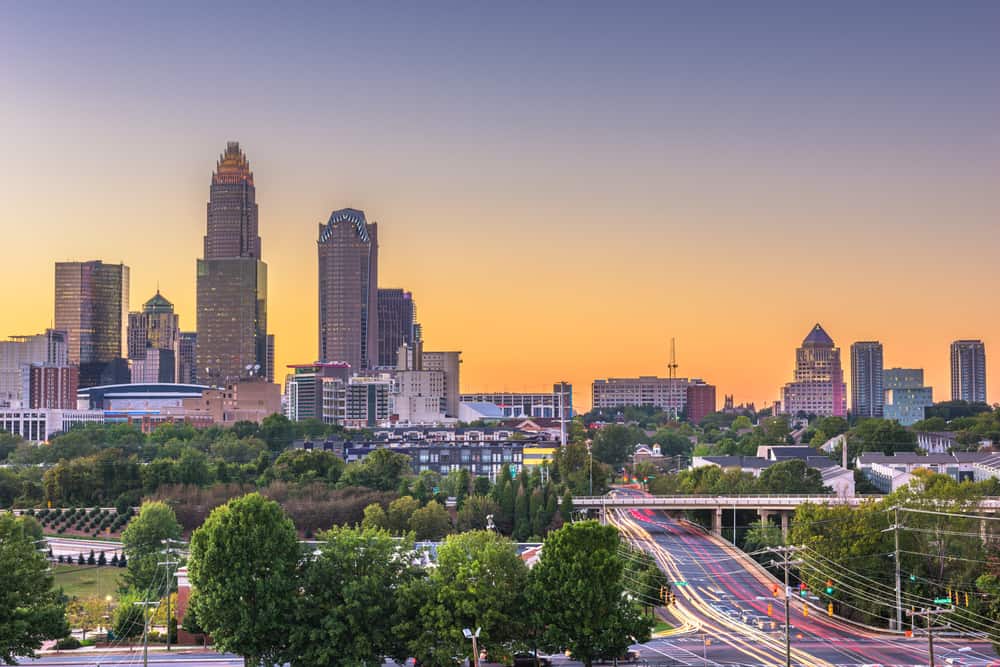
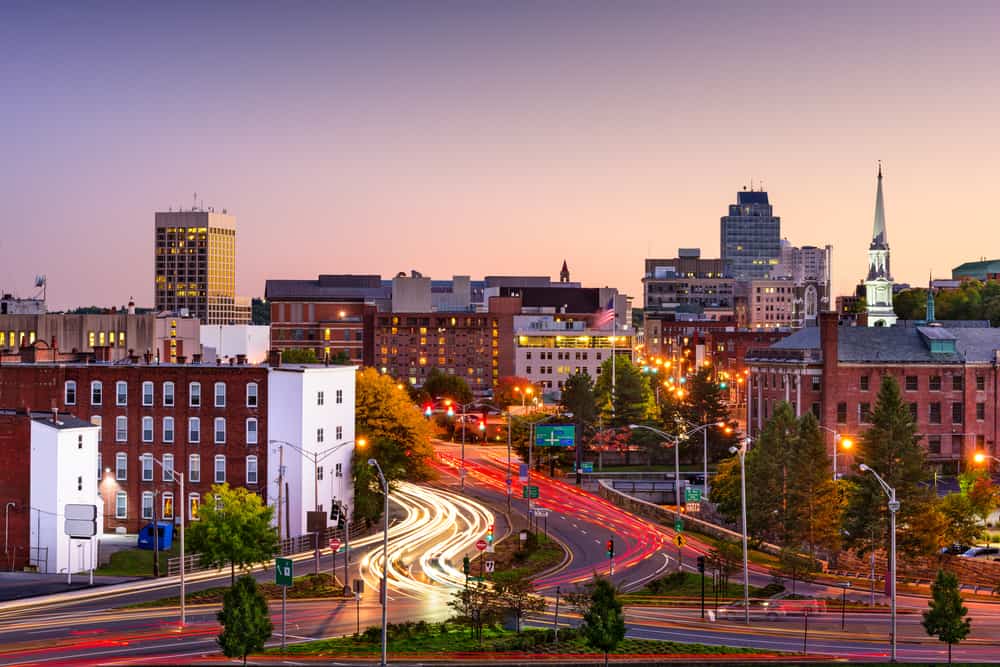
Conversely, states that have seen rapid economic migration, such as Washington (6.13%) and Texas (6.47%), or dense urban centers like New York (6.17%) and Connecticut (6.20%), report lower opening rates. This suggests that in more developed, high-growth areas, the labor market may be reaching a state of equilibrium faster than in isolated regions.
Official Perspectives and Federal Responses
The Federal Reserve, under the leadership of Chair Jerome Powell, has characterized the current labor market as "unsustainably hot." The central bank’s recent policy shifts reflect a belief that for inflation to be brought under control, the demand for labor must be brought back into alignment with the available supply.
Labor economists argue that this "alignment" is difficult to achieve without hurting the workers who have finally gained leverage. For decades, workers have dealt with stagnant wage growth; the current market represents one of the few instances in modern history where the worker holds the power. Critics of the Fed’s aggressive stance warn that by raising interest rates too quickly, the central bank risks triggering a recession that would disproportionately impact the very workers who are currently enjoying the benefits of a tight labor market.
Broader Implications: What Lies Ahead?
The implications of this labor mismatch are profound. For businesses, the inability to fill roles acts as a hard ceiling on growth, forcing companies to either automate processes, increase wages—thereby contributing to wage-push inflation—or reduce their operational hours.
For the average American, the current economic climate is a double-edged sword. While the opportunity to move to a higher-paying, more fulfilling job has never been greater, the rising cost of living is rapidly eroding those gains. The "Great Resignation" was not merely a reaction to the pandemic; it was a systemic rejection of stagnant working conditions. As we move further into 2022 and beyond, the economy will likely face a reckoning: can it maintain its growth trajectory while managing the pressures of inflation, or will the "mixed messages" of the current data eventually coalesce into a singular, more difficult reality?
Ultimately, the data from the JOLTS reports and the shifting state-by-state demographics suggest that the U.S. is undergoing a fundamental restructuring of the workforce. Whether this leads to a new era of productivity and improved worker welfare or a period of prolonged stagflation remains the central question for the nation’s economic future.
Summary of State Labor Dynamics (Fourth Quarter 2021)
The following states have been identified as having the highest rates of job openings, highlighting the critical need for recruitment and retention strategies in these regions:
- Alaska: 9.00%
- Hawaii: 8.60%
- Montana: High demand in service and hospitality.
- Georgia: Growing industrial and logistical hub.
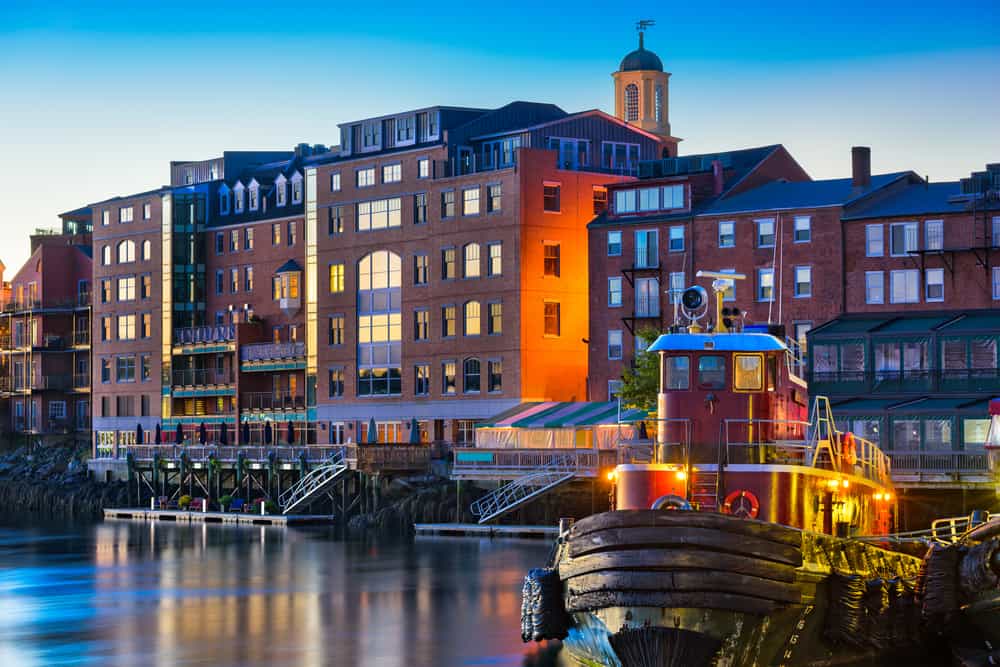
- New Hampshire: Tight labor market in northern New England.
- Wyoming: Specialized industry needs driving demand.
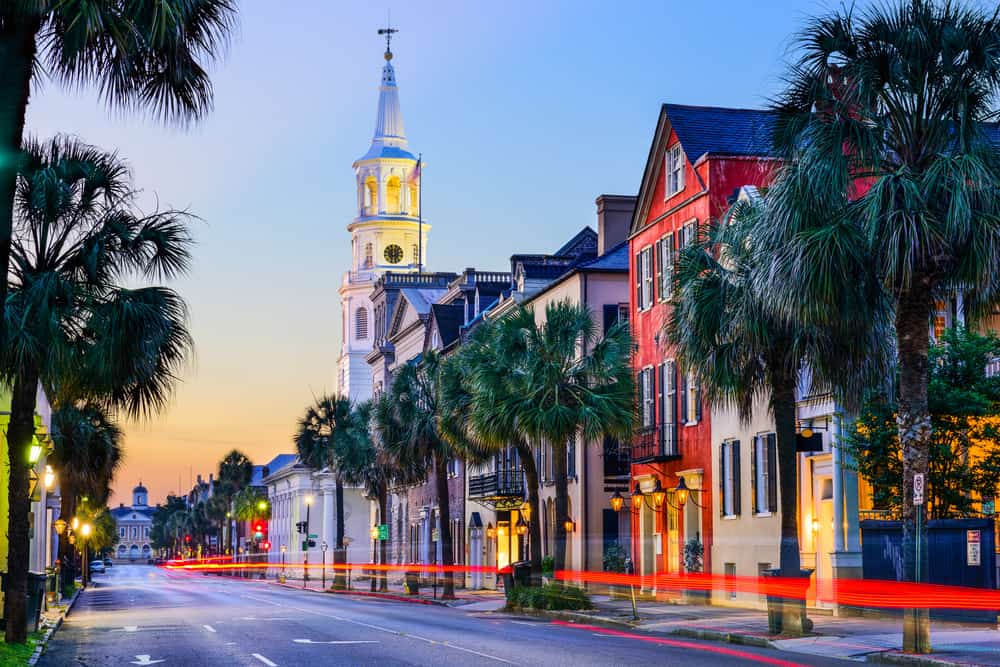
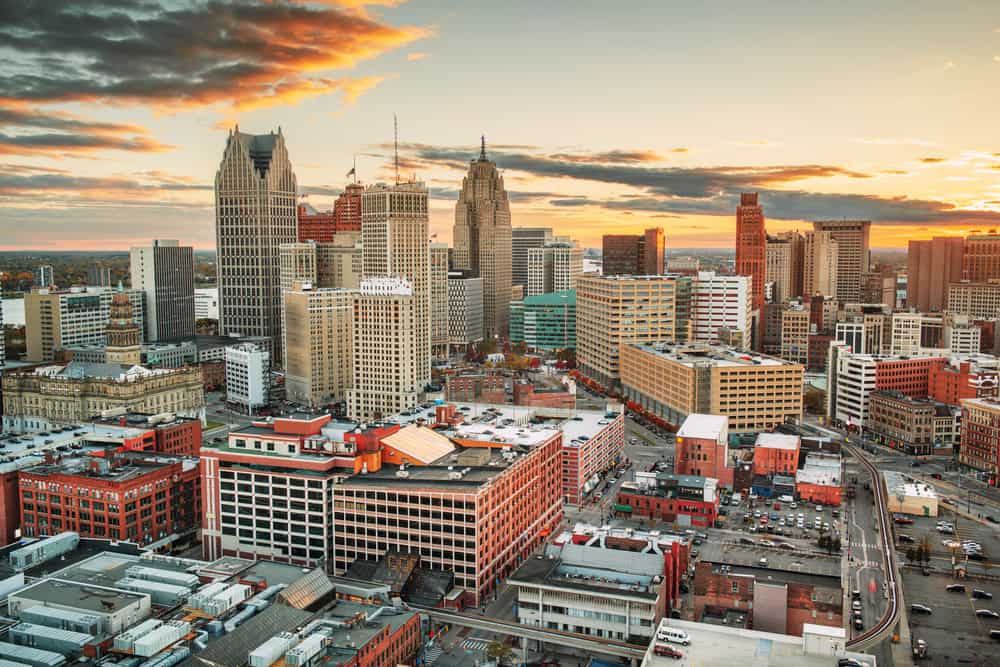
- Michigan: Manufacturing and automotive sector hiring.
- South Carolina: Expanding regional manufacturing base.
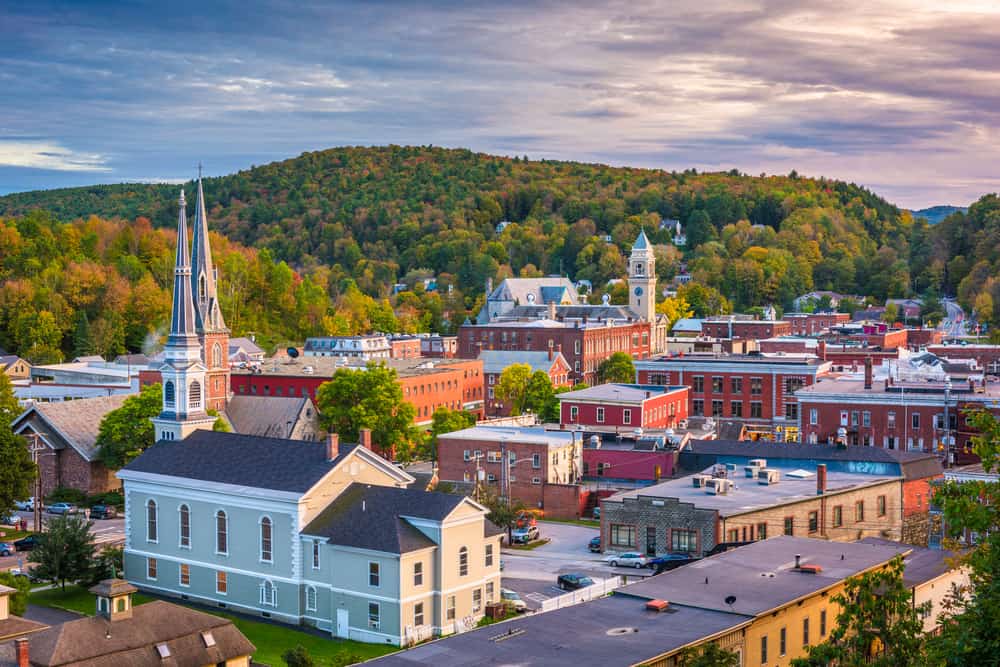
- Vermont: High demand in healthcare and service sectors.
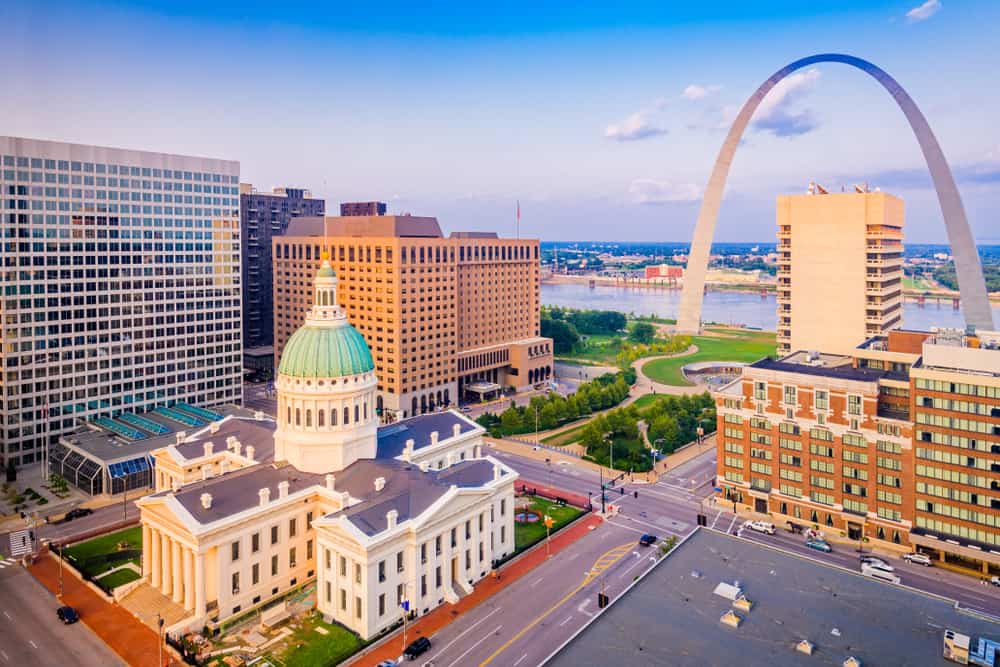
- Missouri: Increasing demand across logistics and professional services.
- North Carolina: Rapidly growing tech and research triangle influence.
- Massachusetts: High-skilled labor shortages in biotech and education.
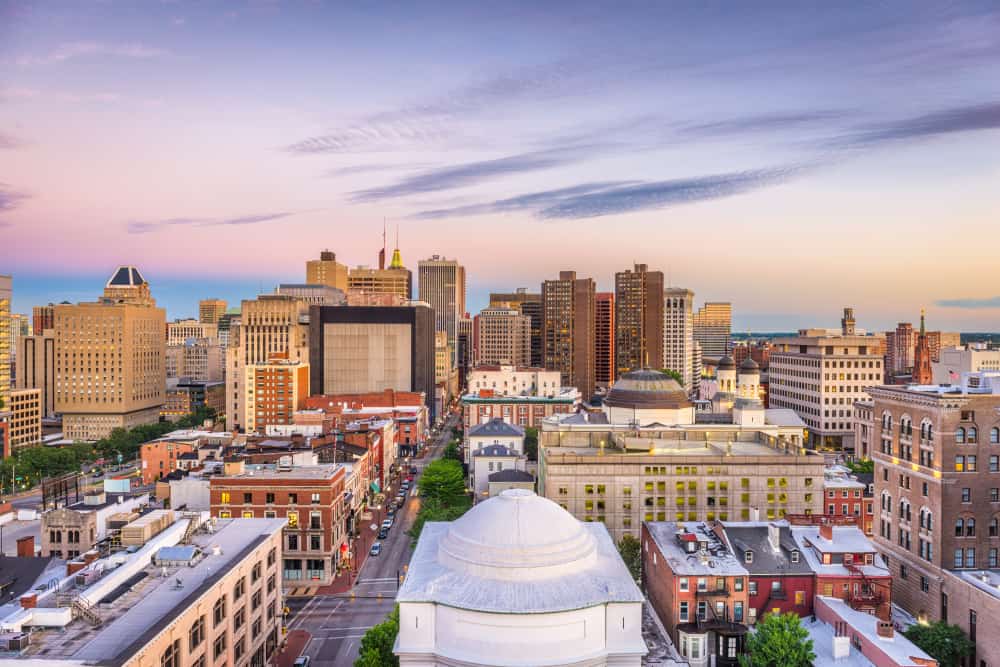
- Maryland: Demand driven by government and defense contracting.
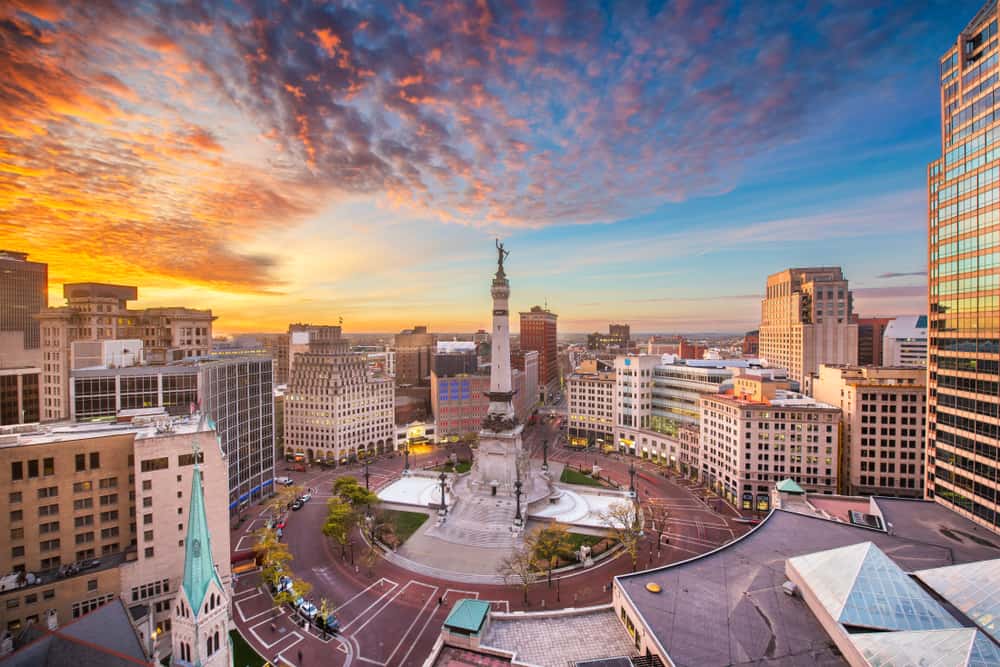
- Indiana: Growth in heavy industry and manufacturing.
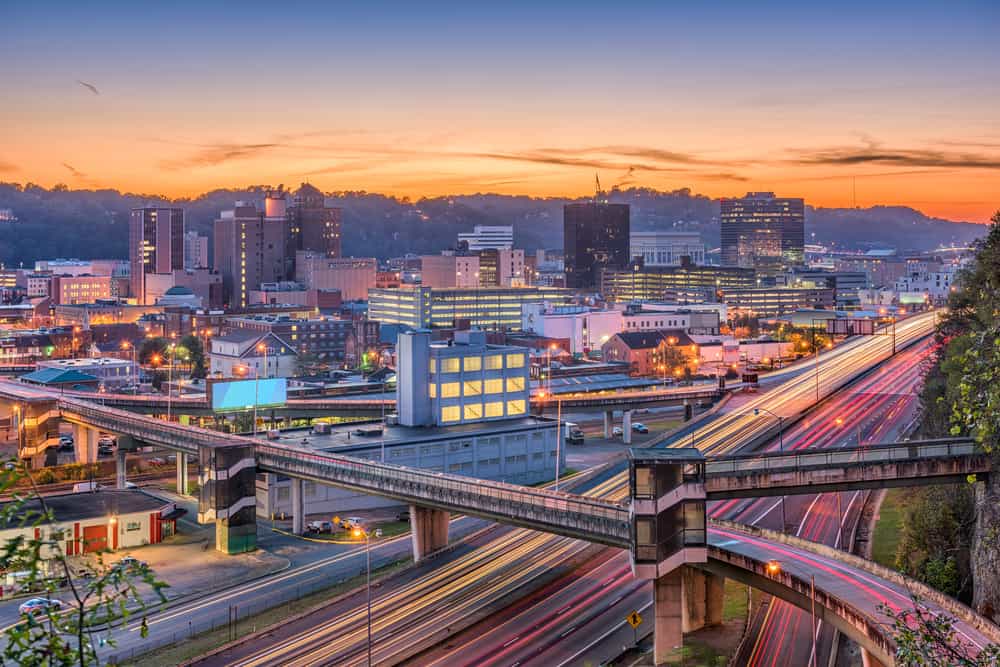
- West Virginia: Rebuilding infrastructure and service-sector capacity.
As the government continues to refine its approach to inflation, these state-level trends will provide the necessary roadmap for understanding which regions are successfully navigating the labor crisis and which are continuing to struggle with the structural remnants of the pandemic.