In the contemporary global sugar industry, the margin for error has evaporated. For producers operating in an environment of razor-thin margins, volatile commodity prices, and surging logistics costs, operational efficiency is no longer a strategic advantage—it is a baseline requirement for survival. As the industry grapples with the dual pressures of maintaining stringent food-grade hygiene standards and maximizing throughput, the focus of innovation has undergone a significant pivot. While primary packaging—the filling and sealing of individual retail units—has reached a plateau of near-perfect optimization, a "hidden" frontier for operational gains has emerged: secondary packaging.
This transition marks a departure from traditional, labor-intensive manual consolidation toward a more sophisticated, automated paradigm: the "bag-in-bag" concept. By rethinking how small-format retail units are grouped for wholesale and distribution, sugar mills and refineries are unlocking unprecedented efficiencies, transforming their logistics from a cost center into a competitive engine.
The Core Challenge: Bridging the Retail-to-Bulk Gap
For decades, the sugar industry has relied on the ubiquity of 1 kg to 5 kg retail bags. These units are the heartbeat of consumer commerce, yet they represent a massive logistical headache when moved from the production line to the distribution center. Traditionally, once these bags are filled, they move to a secondary stage where they must be consolidated into larger bundles or cases.
Historically, this has been an arduous, manual process. Workers manually group, stack, and seal smaller bags into larger outer packaging. This reliance on human labor brings with it a cascade of inefficiencies: inconsistent stacking, which compromises pallet stability; slow throughput that creates bottlenecks at the end of the line; and, perhaps most critically, an elevated risk of product contamination. In a sector where food safety regulations are becoming increasingly rigorous, every manual touchpoint is a potential liability.
As global supply chains grow more complex and retail demands shift, producers are finding that their legacy packaging methods can no longer keep pace. The "bag-in-bag" machine has emerged as the definitive answer, offering a seamless, automated bridge between the high-speed filling of retail bags and the logistical requirements of bulk shipping.
Chronology of an Operational Evolution
The adoption of bag-in-bag technology represents a significant maturation of sugar packaging lines. The transition can be categorized into three distinct phases:
Phase I: The Manual Era
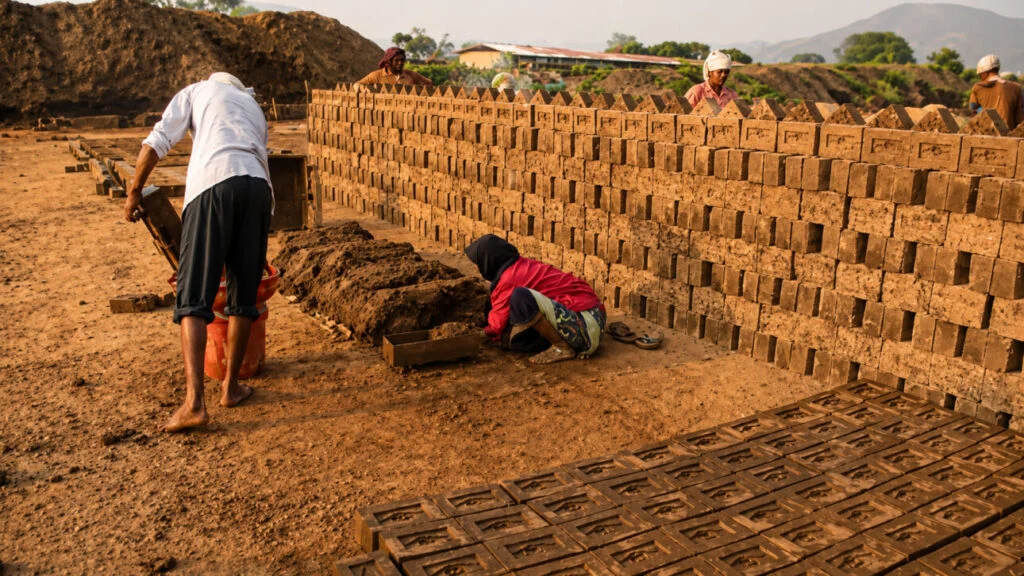
For most of the late 20th century, secondary packaging was treated as an afterthought. It was a manual task performed at the end of the conveyor, characterized by high turnover, ergonomic risks for employees, and a lack of standardized output. Productivity was capped by the physical speed of the workforce, and quality control was largely reactive.
Phase II: The Semi-Automated Transition
As automation technology matured, some producers moved toward semi-automated systems. These systems assisted workers with the bundling process but still required human intervention to align, load, and seal the outer bags. While this reduced some physical strain, it did not fully eliminate the throughput bottlenecks or the hygiene concerns associated with human proximity to the product.
Phase III: The Integrated Automated Era
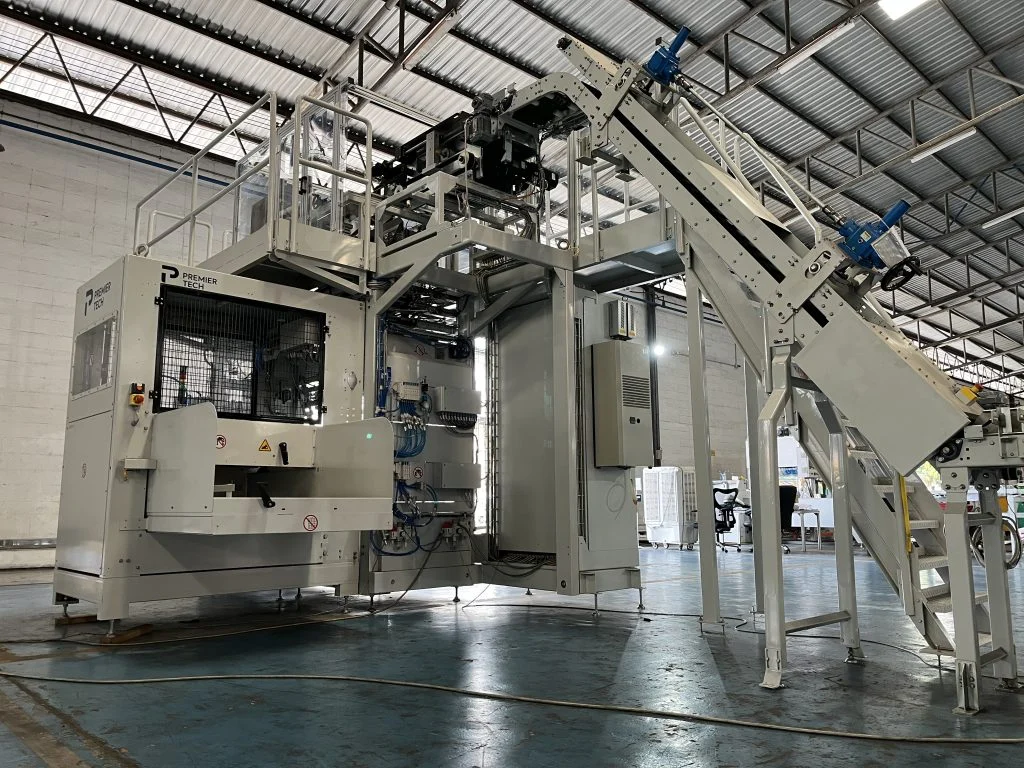
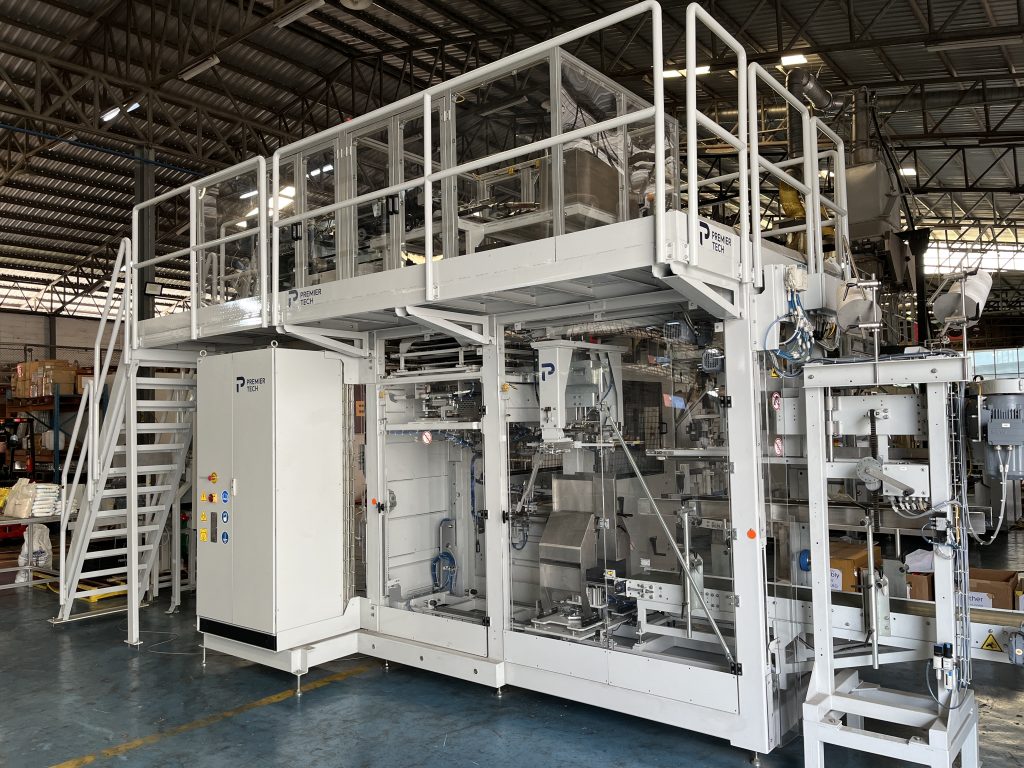
Today, we are witnessing the full-scale integration of bag-in-bag systems. These machines operate as a synchronous part of the primary production line. The transition from a discrete, manual task to an automated workflow allows for 24/7 operations, predictable output, and a significant reduction in the total cost of ownership for packaging infrastructure.
Supporting Data: The Metrics of Efficiency
The shift to automated bag-in-bag systems is driven by quantifiable data points that highlight why modern refineries are prioritizing this investment.
- Throughput Acceleration: Modern bag-in-bag systems are capable of handling up to 90 bags per minute. This speed ensures that secondary packaging never becomes the "choke point" of a production facility.
- Logistics Density: By automating the consolidation process, producers can achieve higher, more consistent pallet density. Improved stack integrity means that a higher volume of sugar can be transported per container, directly offsetting rising shipping costs.
- Labor Reallocation: Automating secondary packaging typically reduces manual labor requirements by 60–80% in the packaging department. This does not necessarily mean job losses; rather, it allows companies to shift personnel toward higher-value roles, such as quality assurance, machine maintenance, and supply chain management.
- Risk Mitigation: Automated systems significantly reduce the "contact-to-product" ratio. In food-grade environments, this minimizes the probability of foreign object contamination—a crucial factor for meeting ISO and GFSI (Global Food Safety Initiative) standards.
Official Perspectives: The Industry Mandate
Industry leaders are increasingly vocal about the necessity of this technology. According to experts at PT Chronos, the architects of these specialized packaging solutions, the demand is being driven by a global push toward "smart manufacturing."
"The goal is not just to speed up the process, but to bring intelligence to the production floor," says an industry spokesperson. "When we discuss the bag-in-bag system, we are talking about a strategic shift. We are moving from a system that reacts to the output of the filler to a system that anticipates it. By aligning the secondary packaging stage with the filling stage, we create a unified, frictionless flow."
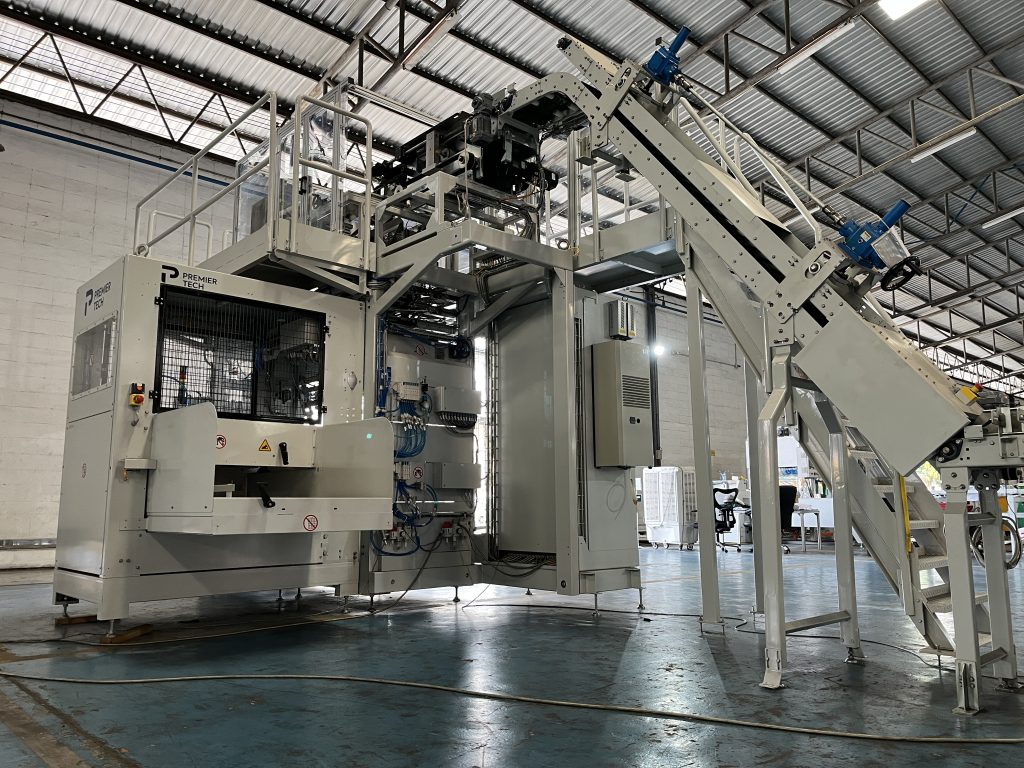
The sentiment across the industry is clear: producers who fail to automate their secondary packaging are effectively leaving money on the table. The rising cost of labor, coupled with the increasing complexity of international trade, makes manual handling an untenable strategy for the next decade.
The Implications: Why It Matters Now
The move toward automated bag-in-bag systems has profound implications for the sugar industry, extending far beyond the factory walls.
1. Strengthening Global Competitiveness
Sugar is a global commodity, and the most efficient producers hold the greatest market share. By reducing the overhead associated with packaging, companies can protect their margins during market downturns or leverage their cost-savings to invest in further R&D.
2. Enhancing Brand Integrity
The "bag-in-bag" approach provides a layer of protection that manual handling cannot replicate. By ensuring that retail bags are uniformly placed and securely protected within an outer layer, the product arrives at the retail shelf in pristine condition. This consistency is the foundation of brand reputation; damaged or poorly stacked bags in a warehouse lead to waste, retail rejects, and ultimately, a loss of consumer trust.
3. Sustainability and Resource Optimization
Automation is inherently more sustainable. By optimizing the palletizing process, companies reduce the need for excessive plastic wrap or stabilizing materials. Furthermore, the reduced energy consumption and lower waste rates associated with precise, automated machinery contribute to the overall carbon footprint reduction of the manufacturing process.
4. Workplace Safety and Ergonomics
The sugar industry has historically faced challenges regarding repetitive strain injuries among packaging staff. The bag-in-bag system acts as an ergonomic safeguard. By automating the repetitive, physically taxing movements of lifting and stacking, the machine protects the workforce, leading to lower insurance premiums, fewer lost-time incidents, and higher employee retention.
Conclusion: The Future is Integrated
As the global sugar industry looks toward 2030 and beyond, the narrative is shifting from "how much can we produce" to "how intelligently can we deliver." The bag-in-bag system is more than just a piece of machinery; it is a catalyst for a new era of logistical precision.
For manufacturers, the choice is no longer between manual and automated—it is between falling behind or securing a sustainable future. The ability to integrate speed, hygiene, and cost-control into a single, cohesive system is the hallmark of the modern refinery. By embracing these advancements, producers are not merely keeping up with the competition; they are setting the new standard for the industry.
In the final analysis, the future of sugar packaging is clear: it is about moving products smarter, cleaner, and more efficiently than ever before. For those ready to optimize their operations, the path forward starts with the secondary packaging line.
For more information on the latest innovations in sugar packaging technology, visit PT Chronos.