
As the United States emerges from the shadow of the COVID-19 pandemic, the nation’s economic landscape presents a complex, often contradictory narrative. While macroeconomic indicators point toward a robust recovery, structural shifts in the labor market have created a persistent state of disequilibrium. From record-high inflation and shifting supply chains to the seismic "Great Resignation," the American worker—and the employer—are navigating a landscape defined by uncertainty and opportunity.
Main Facts: A Tale of Two Economies
At the close of 2021, the U.S. economy displayed remarkable resilience. Gross Domestic Product (GDP) surged by 6.9% in the final quarter, signaling a strong recovery from the initial pandemic shocks. Consumer spending remained vibrant into early 2022, fueled by pent-up demand and accumulated savings.
However, this growth has come at a significant cost. The Consumer Price Index (CPI) has hit record levels, triggering a cycle of inflation that has forced the U.S. Federal Reserve to pivot toward aggressive interest rate hikes. This monetary tightening aims to cool an overheating economy, but it introduces a delicate balancing act: how to curb inflation without stifling the fragile momentum of the job market.
Simultaneously, the labor market is defined by a paradoxical "Great Resignation." While the unemployment rate dropped to 3.6% in April 2022—returning to pre-pandemic levels—the workforce participation rate remains stubbornly low. Employers are finding themselves in a fierce competition for talent, with quit rates hovering near 3%. The fundamental issue is not necessarily a lack of jobs, but a massive mismatch between available positions and the labor force’s willingness or ability to fill them.
Chronology: The Pandemic’s Lingering Ripple Effects
To understand the current labor climate, one must trace the timeline of the last two years:
- Early 2020 (The Shutdown): The onset of COVID-19 triggered a massive, immediate contraction in the labor market. Job openings plummeted as businesses shuttered, and the unemployment rate spiked to historic highs.
- Late 2020 – 2021 (The Rebound): As the economy reopened, demand surged, but supply chains struggled to catch up. The "Great Resignation" began to take shape as workers re-evaluated their career paths, seeking higher pay and better working conditions.
- Late 2021 (The Growth Spike): The U.S. economy recorded a 6.9% increase in GDP, signaling an intense period of recovery. However, this growth was immediately met with the onset of record-high inflation.
- Early 2022 (The Current Conflict): Supply chain disruptions, exacerbated by the war in Ukraine and new COVID-19 outbreaks in China, combined with high energy prices, created a "perfect storm" of economic challenges. The Federal Reserve initiated a series of interest rate hikes to stabilize the economy, setting the stage for a volatile year.
Supporting Data: The Widening Gap in the Labor Market
Data from the Bureau of Labor Statistics (BLS) and its Job Openings and Labor Turnover Survey (JOLTS) highlights the depth of the current labor shortage.
Following the initial 2020 shutdowns, when the rate of job openings hit a low of 3.5%, that figure has effectively doubled to 7% over the subsequent two years. While monthly hiring rates have remained consistently above 4%—historically high compared to pre-pandemic averages—these hires are insufficient to keep pace with the sheer volume of open positions.
Sector-Specific Challenges
The hiring crisis is not distributed evenly across the economy. Industry-specific data reveals that sectors most impacted by the physical and emotional toll of the pandemic are suffering the most severe staffing shortages:
- Leisure and Hospitality: With a staggering 10.57% job openings rate, this sector is struggling to retain staff, often hampered by lower wages and volatile working conditions.
- Health Care and Social Assistance: At 8.73%, this sector is facing critical shortages after two years of being on the front lines of the pandemic.
- Construction and Real Estate: In contrast, these sectors show more stability, with job opening rates below 5.00%.
Geographic Variance
Geography also plays a critical role. Remote or less densely populated states often face higher barriers to recruitment. Alaska (9.00%) and Hawaii (8.60%) report the highest job opening rates in the nation. Conversely, states with significant recent economic migration and rapid growth—such as Texas (6.47%) and Washington (6.13%)—show lower opening rates, suggesting that economic dynamism can sometimes mask the underlying labor supply issues.
Official Responses and Monetary Policy
The Federal Reserve’s decision to raise interest rates is a direct response to the CPI data, which indicates that inflation has moved beyond temporary "transitory" spikes. By making borrowing more expensive, the Fed intends to reduce consumer and business spending.
However, labor experts note that interest rate hikes are a blunt instrument. They may successfully cool the housing market or reduce corporate capital expenditure, but they do little to address the structural issues in the labor force—specifically, why workers are choosing not to participate at pre-pandemic levels. The government’s role remains limited to fiscal adjustments and monitoring, as the market itself undergoes a profound, long-term correction in how, where, and for how much, Americans choose to work.
Implications: A New Era for the American Worker
What do these trends mean for the future of the U.S. economy?
- Increased Bargaining Power: Because labor force participation remains below pre-pandemic levels, employees hold more leverage than they have in decades. Companies are being forced to raise wages, offer flexible remote-work arrangements, and improve benefit packages to retain talent.
- The Persistence of Inflation: As companies raise wages to attract talent, they often pass these costs onto consumers, contributing to a "wage-price spiral" that makes inflation more difficult for the Federal Reserve to suppress.
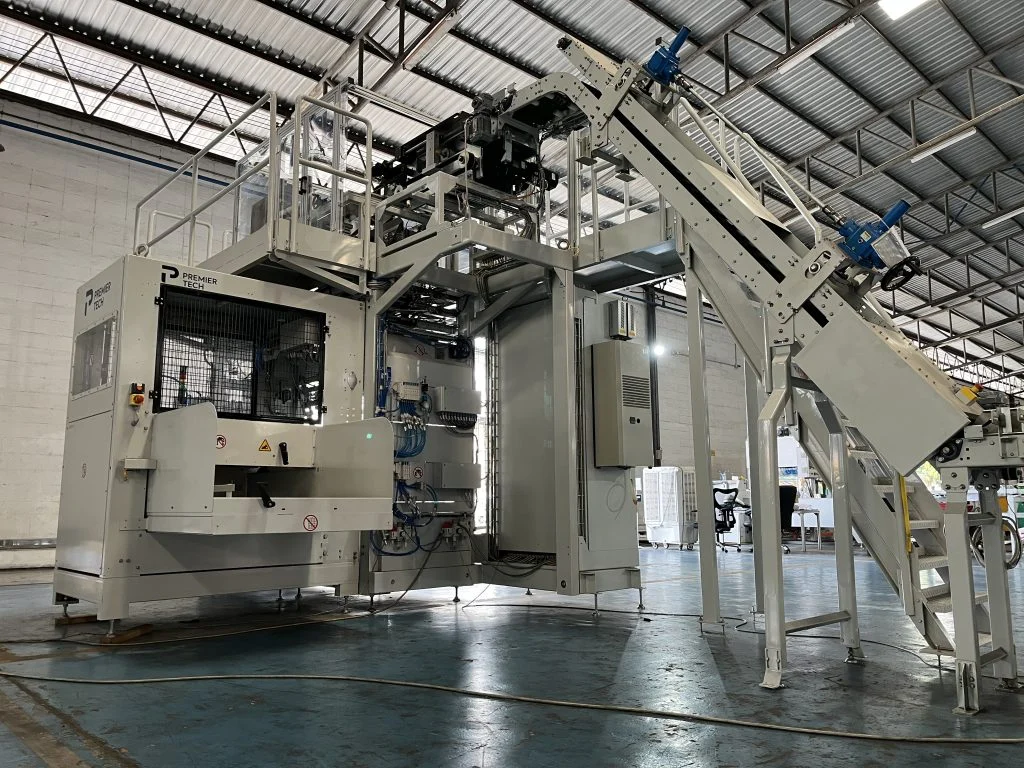
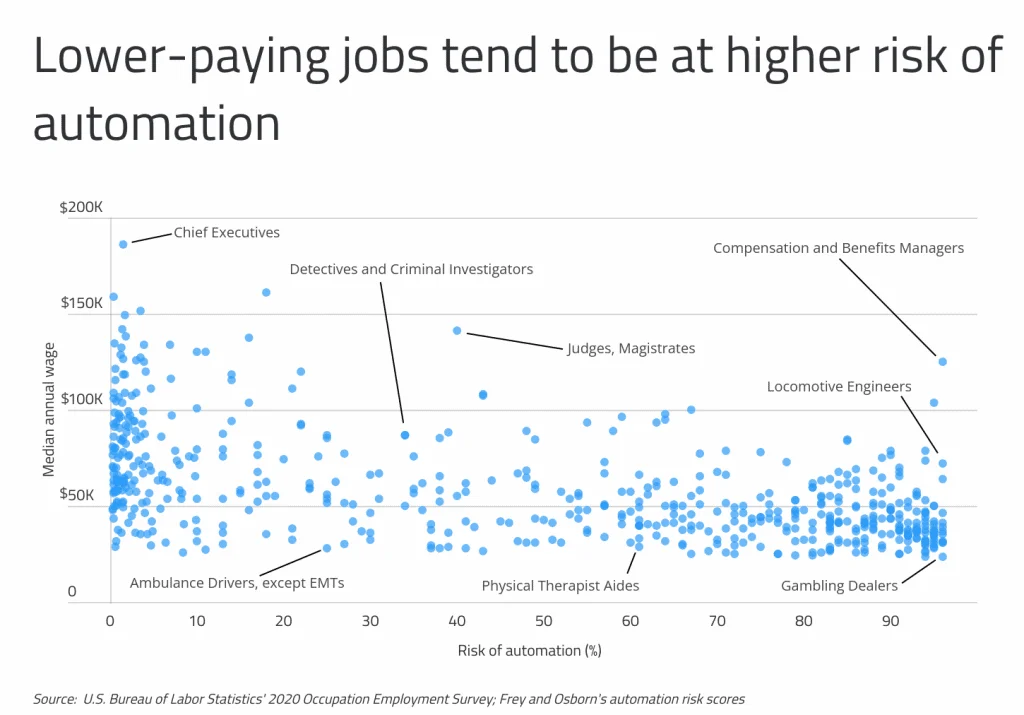
- Technological Acceleration: In sectors like hospitality and retail, where human labor is becoming increasingly expensive and difficult to secure, firms are accelerating their investment in automation and AI-driven service models to maintain profitability.
- Geographic Realignment: The data showing high opening rates in remote states versus lower rates in tech-heavy growth hubs suggests that the labor market is still reacting to the "remote work revolution." Workers are no longer tethered to traditional office hubs, forcing employers in smaller states to compete on a national level for remote-capable talent.
Conclusion
The U.S. economy is currently caught between the remnants of an emergency pandemic response and the realities of a post-pandemic global order. While the headline numbers regarding GDP and hiring are positive, they mask the deep, systemic challenges facing the American labor force. The "Great Resignation" is not merely a short-term trend; it is a fundamental shift in the relationship between labor and capital. As the Federal Reserve continues to navigate the path of interest rate hikes, the ultimate success of the U.S. economy will depend on whether businesses can adapt to this new, highly competitive, and increasingly selective workforce.
Moving forward, stakeholders must look past the aggregate statistics. The true story of the American economy is being written in the local offices of healthcare clinics, the kitchens of restaurants, and the remote workstations of a digital-first generation. These are the front lines of the modern labor market, and they will continue to define the health of the U.S. economy for years to come.