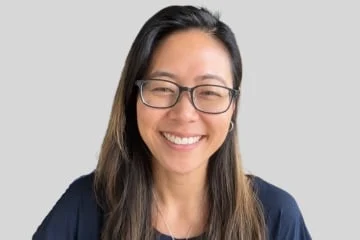
In the rapidly evolving landscape of personalized medicine, few entrepreneurs have taken as literal an approach to "digging into the data" as Cheryl Sew Hoy. As the founder and CEO of Austin-based Tiny Health, Sew Hoy is demystifying the complex, 38-trillion-microbe ecosystem residing in the human digestive tract. By transforming a process once relegated to sterile, cumbersome clinical environments into a streamlined, direct-to-consumer home experience, Tiny Health is positioning itself at the vanguard of the burgeoning gut-health movement.
The Microbiome: The New Frontier of Human Wellness
To the average person, the gut is merely a digestive organ. To the scientific community, it is the cornerstone of human immunity. "Eighty percent of the human immune system lives in the gut," Sew Hoy explains. "It is crucial for overall well-being and is tied to chronic conditions if you don’t take care of it."
The gut microbiome—the collective term for the bacteria, viruses, fungi, and archaea living in our large intestines—does far more than break down food. These microorganisms synthesize essential nutrients, produce vital enzymes, and regulate metabolic functions. Despite their significance, traditional healthcare models often view the gut through a narrow lens, typically focusing on diagnostics only when severe symptoms like chronic diarrhea or constipation emerge.
Tiny Health flips this model by utilizing "shotgun metagenomic sequencing," a high-resolution technology that provides a comprehensive look at the internal landscape of the gut. Unlike conventional diagnostic tests that might look for a specific pathogen, Tiny Health’s platform identifies the entire community of microbes, allowing users to understand the balance—or imbalance—of their inner ecosystem.
Chronology: From Concept to a $33 Million Series B
The journey of Tiny Health is a masterclass in patient, research-led entrepreneurship. Sew Hoy, a seasoned startup veteran who previously built and sold a digital wallet company to Walmart Labs in 2013, did not rush to market.
2020: The Foundation
The company was conceived in 2020, at a time when Sew Hoy was navigating the immediate aftermath of welcoming a newborn. Rather than immediately seeking venture capital, Sew Hoy spent the first two years immersed in the science. She enrolled in PhD-level online courses to bridge the gap between her business acumen and the clinical realities of microbiology. During this period, she assembled an advisory board featuring heavy hitters from institutions like the Mayo Clinic and Johns Hopkins, ensuring the company’s scientific rigor was beyond reproach.
2021: Validating the Model
Starting with $50,000 of her own capital, Sew Hoy funded a study of nine subjects. The goal was not profit, but proof of concept: could a consumer-grade platform provide meaningful, actionable data? The success of this pilot enabled her to raise $4.5 million in seed funding in 2021. This capital infusion allowed for the hiring of essential personnel, including the company’s first full-time engineer and scientist.
2022–Present: Scaling and Institutional Recognition
Following a formal public launch in 2022, the company saw rapid adoption. The value proposition—convenience coupled with clinical-grade insights—resonated with both the general public and high-performance athletes who use the data to optimize recovery and metabolic health. This growth trajectory recently culminated in a $33 million Series B funding round, signaling strong investor confidence in the future of the microbiome diagnostic market.
The Mechanics: How Convenience Drives Clinical Utility
A major barrier to gut health awareness has historically been the "ick factor." Stool collection has long been associated with awkward doctor visits and complex lab logistics. Tiny Health has effectively removed these frictions through a consumer-first design.
The process is remarkably straightforward:
- The Kit: A user receives a small box containing a swab—designed to be as intuitive as a common Q-tip.
- Collection: The user collects a sample at home, places the swab into a specialized tube, and uses a prepaid USPS mailer to send it to the lab.
- Analysis: The lab performs shotgun metagenomic sequencing, mapping the genetic material of the microbes present in the sample.
- The Report: The user receives a detailed breakdown of their microbiome, which can then be used to make informed dietary or lifestyle changes.
For those requiring even deeper clinical insight, Tiny Health offers a more rigorous test available exclusively through licensed healthcare practitioners, highlighting the company’s commitment to bridging the gap between home-testing and professional medical oversight.
Marketing the Invisible: Customer Acquisition Strategies
Operating in a space that requires high levels of consumer trust, Tiny Health’s acquisition strategy is a hybrid of traditional digital advertising and modern content-driven education.
"Advertising is our primary driver," Sew Hoy notes, pointing to a balanced mix of Meta Ads and Google Search, which account for roughly 50% of new customer acquisition. However, the company is increasingly pivoting toward long-term brand building. They are experimenting with TikTok and Pinterest, recognizing that the visual nature of "wellness journeys" resonates well on these platforms.
Furthermore, the company is aggressively adapting to the rise of generative AI. As users shift from traditional keyword-based SEO to conversational search (via LLMs), Tiny Health is optimizing its content to ensure it remains a trusted source of information. This is supported by:
- Influencer Partnerships: Collaborating with health-focused influencers on Instagram to demystify the process.
- B2B Integration: Partnering directly with doctors, nutritionists, and functional medicine practitioners who recommend the tests to their patients.
- Thought Leadership: Maintaining an active presence at trade shows and academic conferences to keep the brand at the forefront of microbiome research.
Implications for the Future of Healthcare
The success of Tiny Health highlights a broader shift in healthcare: the democratization of diagnostic data. For decades, patients have been passive recipients of information curated by their physicians. Companies like Tiny Health are moving the needle toward a model where patients are empowered with the same data their doctors use—or better yet, data that helps them maintain wellness before they become patients.
However, this transition is not without its challenges. There is an ongoing dialogue regarding the interpretation of microbiome data. Sew Hoy is quick to emphasize that while her service is powerful, it does not replace the need for traditional medicine in the event of acute illness. "Persistent diarrhea or constipation may require a doctor’s diagnosis and treatment," she clarifies.
The potential implications, however, are vast. As we begin to understand the "second genome"—the collection of genes within our microbiome—we may be able to manage chronic conditions, improve athletic performance, and even influence mental health through targeted interventions in the gut.
Conclusion: A Data-Driven Gut
Cheryl Sew Hoy’s journey from a digital wallet startup to a leader in the microbiome space illustrates the potential for technology to disrupt even the most "unpleasant" aspects of human biology. By prioritizing scientific integrity alongside a consumer-centric user experience, Tiny Health has moved beyond the stigma of its subject matter to become a vital player in the wellness industry.
As the company continues to scale following its recent funding success, the focus will likely remain on translating complex sequencing data into actionable, daily habits. For the modern consumer, the message is clear: the path to better health might just start with a simple swab and a willingness to look at the data—literally.