In the rapidly evolving digital ecosystem, where global social media advertising spend is projected to eclipse $530 billion by 2030, the ability to interpret data is no longer a luxury—it is a competitive necessity. For enterprise marketing teams and agency professionals managing a sprawling portfolio of accounts, the "siloed" approach to analytics is becoming an existential threat to growth.

A social media dashboard serves as the central nervous system of a digital marketing operation. By unifying disparate metrics from Instagram, LinkedIn, Facebook, TikTok, and X into a single, intuitive interface, these tools allow organizations to move from reactive posting to proactive, data-driven strategy.

The Core Problem: The Fragmented Measurement Trap
For years, social media managers have been trapped in a cycle of manual labor: logging into five or six native platforms, exporting CSV files, and struggling to reconcile different metrics across spreadsheets. This manual "reporting burden" consumes hours that should be spent on strategy and creative execution.
As budgets tighten—with recent reports indicating that 59% of CMOs face insufficient funding to meet their strategic goals—the pressure to prove Return on Investment (ROI) has never been higher. A dashboard solves this by providing a holistic view of the customer journey, bridging the gap between social engagement and tangible business outcomes like lead generation, website traffic, and revenue.
A Chronology of Measurement: From Vanity Metrics to ROI
The evolution of social media reporting has followed a clear, four-phase trajectory:

- The Primitive Era (Pre-2015): Teams focused almost exclusively on "vanity metrics"—likes, followers, and shares. These numbers provided a feel-good factor but rarely correlated with business health.
- The Consolidation Era (2015–2020): With the rise of enterprise platforms, the industry shifted toward aggregating data. Dashboards began to appear, allowing for the first cross-platform comparisons.
- The Analytical Era (2020–2024): Advanced filtering, UTM tracking, and historical trend analysis became the standard. Teams began to map social activity to the sales funnel.
- The Intelligence Era (2025–Present): Today’s dashboards are defined by AI-powered insights, predictive modeling, and real-time social listening, enabling brands to anticipate market shifts before they occur.
Taxonomy of the Modern Dashboard
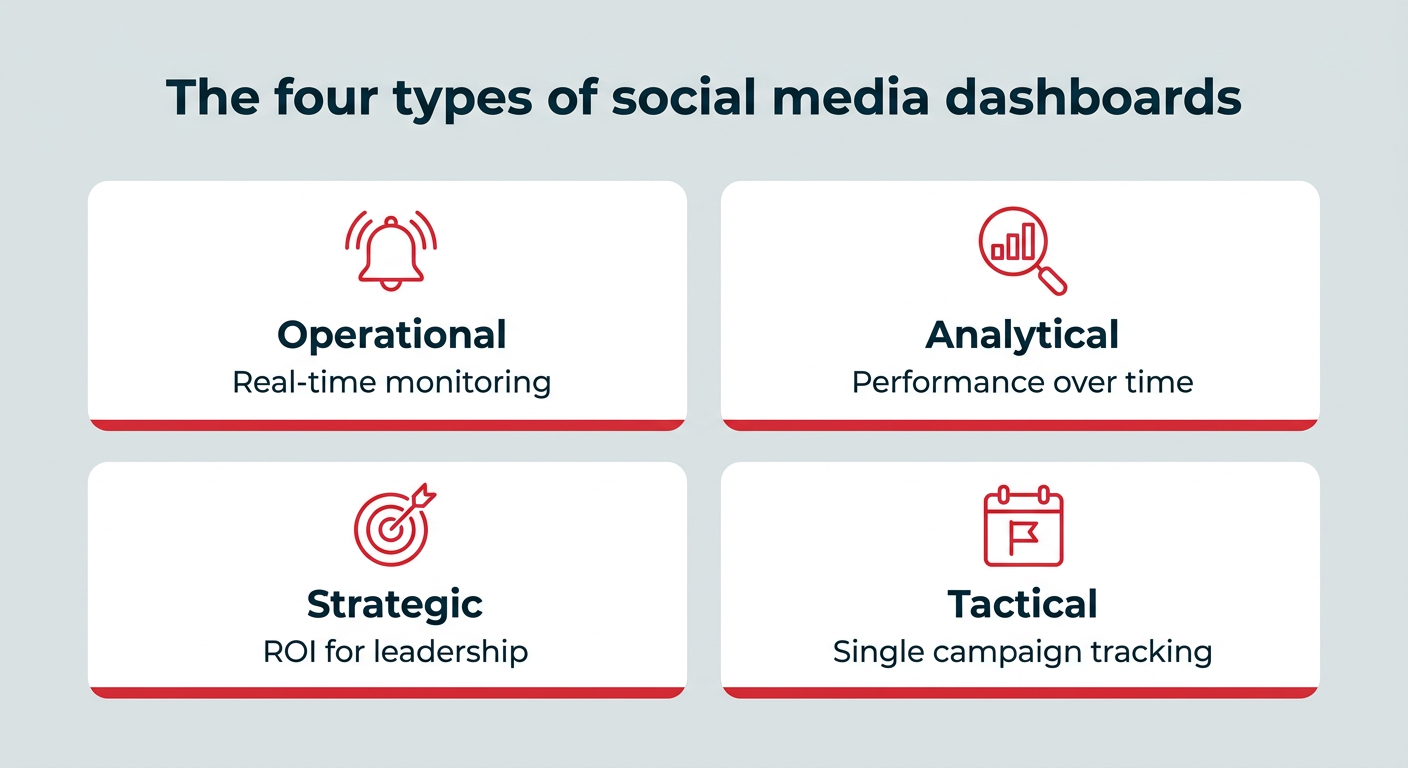
Understanding that not all data is created equal, experts categorize dashboards into four functional types, each serving a distinct stakeholder:
- Operational Dashboards: Designed for community managers and customer care teams, these focus on real-time activity, response times, and sentiment monitoring.
- Analytical Dashboards: The domain of the social media manager. These track content performance over time, identifying which formats and messaging pillars drive the most engagement.
- Strategic Dashboards: Built for CMOs and VPs. These prioritize high-level KPIs, such as Share of Voice (SOV), total ROI, and progress toward long-term brand health goals.
- Tactical Dashboards: Used by campaign managers to monitor the health of specific, time-bound initiatives, such as a product launch or seasonal promotion.
Supporting Data: The Case for Centralization
The financial stakes of proper social measurement are profound. With marketing budgets remaining largely stagnant at roughly 7.8% of overall company revenue, every dollar must be accounted for.
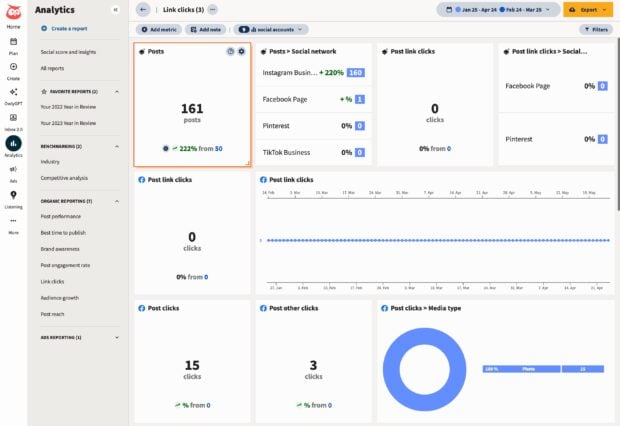
Data shows that organizations utilizing centralized dashboarding software reduce reporting time by an average of 60% to 80%. Beyond time savings, the integration of AI-powered tools—such as those found in Hootsuite’s Social OS—allows teams to surface anomalies. For example, if a sudden spike in negative sentiment occurs, an operational dashboard alerts the team in minutes, preventing a potential PR crisis.
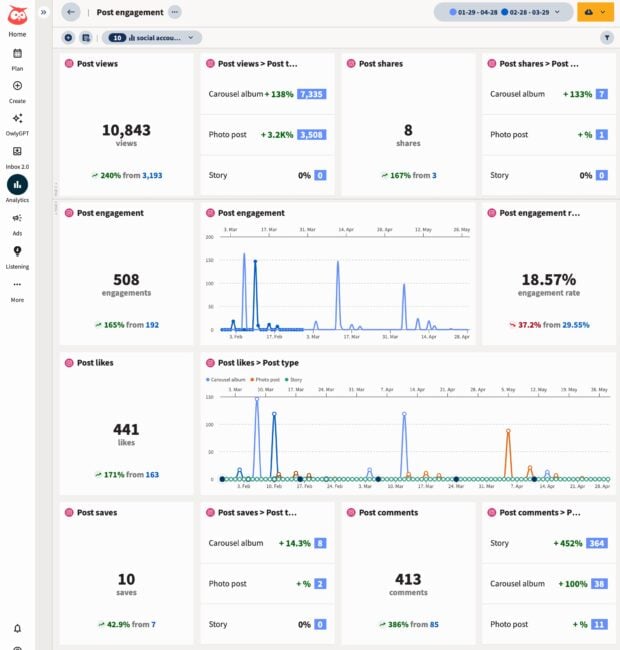
Key Performance Benchmarks
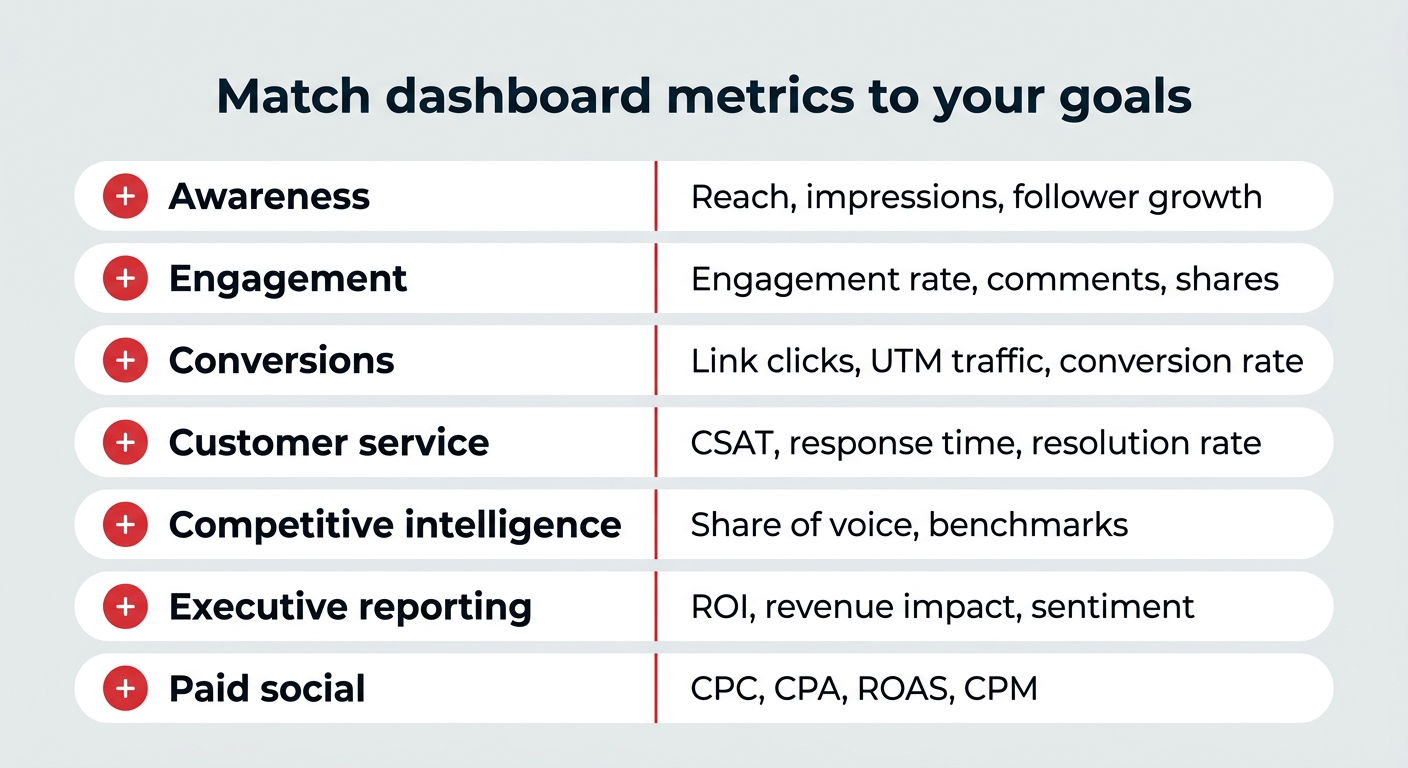
| Goal | Primary Metric | Dashboard Focus |
|---|---|---|
| Awareness | Reach & Impressions | Growth Trends |
| Engagement | Interaction Rate | Content Resonance |
| Conversion | UTM-tracked Traffic | Revenue Attribution |
| Customer Service | Response Time/CSAT | Issue Resolution |
| Competition | Share of Voice | Benchmarking |
Official Perspectives and Industry Insights
Industry leaders argue that the most successful dashboards are those that provide "contextual intelligence." It is not enough to know that a post received 1,000 likes; a manager must understand how that compares to the industry average or the brand’s performance from the previous quarter.
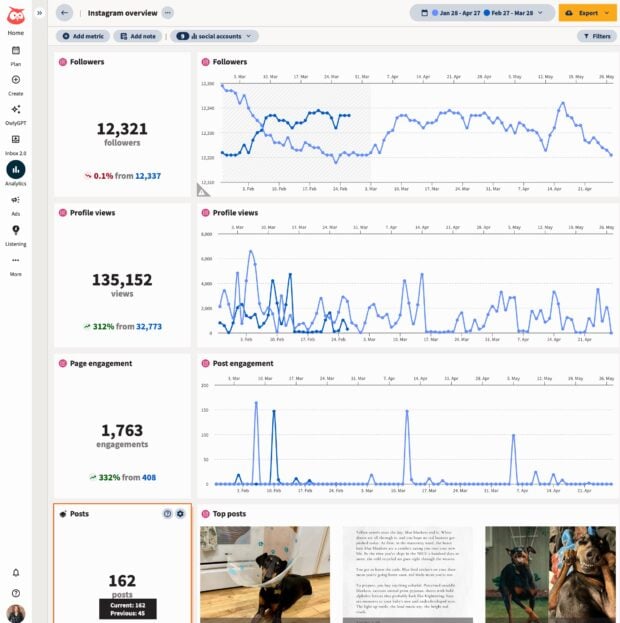
"We tag our posts according to our content pillars," notes Trish Riswick, Social Media Lead at Hootsuite. "Pulling reports by tag allows us to track performance by goal, which, when combined with our built-in platform reports, gives us a 360-degree view of what truly resonates with our audience."
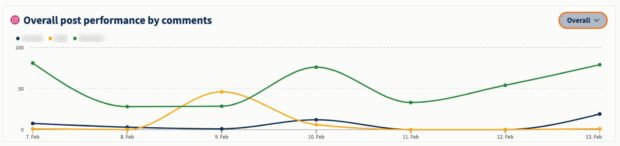
This sentiment is echoed by the broader marketing community, which increasingly views social media as a "full-funnel" channel. By pairing dashboard data with CRM tools (like Salesforce or HubSpot), brands can track a user from their first interaction on a TikTok ad all the way to a closed-won sale.

The Implications for Future Strategy
As we look toward 2026 and beyond, the implications for businesses that fail to adopt advanced dashboarding are clear:
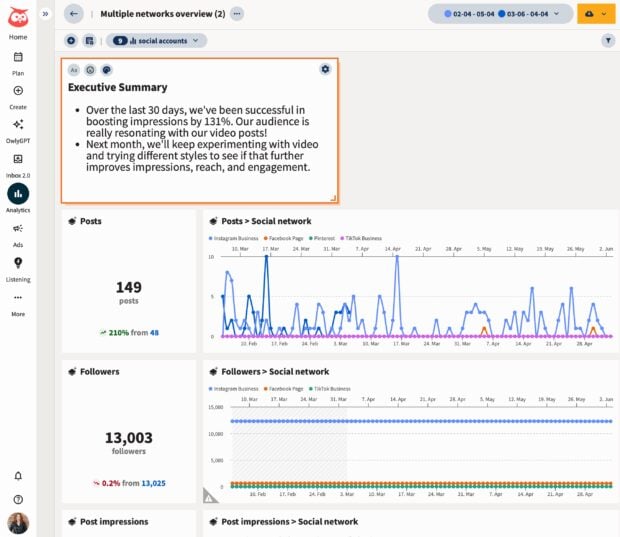
- Inefficiency at Scale: As teams grow, the complexity of manual reporting becomes unsustainable. Without a centralized hub, growth leads to chaos, not efficiency.
- Budget Vulnerability: In an era of fiscal scrutiny, teams that cannot produce "executive-ready" reports showing clear ROI are the first to face budget cuts.
- Missed Competitive Opportunities: Companies that leverage competitive analysis dashboards can identify market gaps in real-time, effectively "stealing" audience share from slower-moving rivals.
- Customer Experience Degradation: With 81% of customers expecting faster service, the failure to monitor social customer service metrics in a unified dashboard leads to abandoned inquiries and brand erosion.
Implementation: How to Build Your Command Center
For teams looking to establish a robust measurement framework, the process involves a critical choice: the "All-in-One" system versus the "DIY" approach.
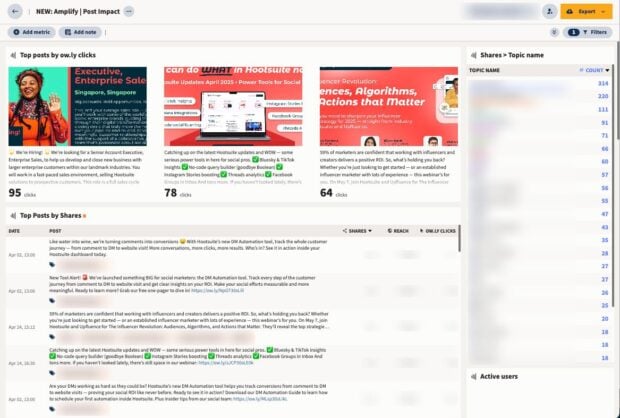
The Professional Route (e.g., Hootsuite Social OS)
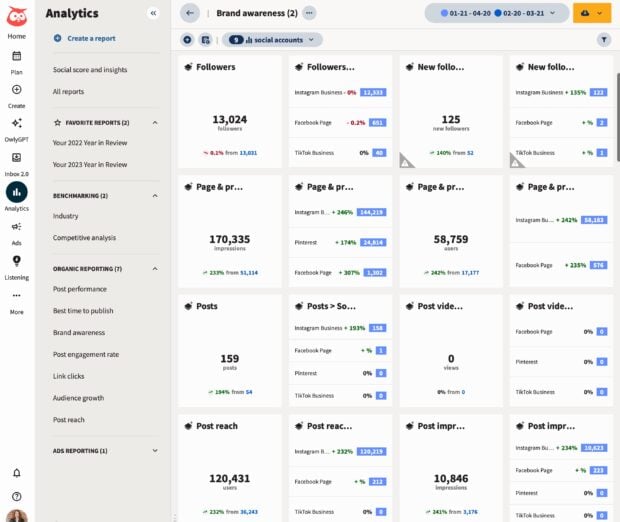
This path is ideal for enterprise teams. It involves selecting pre-built report templates that populate automatically. The primary advantage here is the seamless integration between publishing, social listening, and analytics. When a platform changes its algorithm, the software provider handles the API updates, ensuring the data remains accurate without manual intervention.
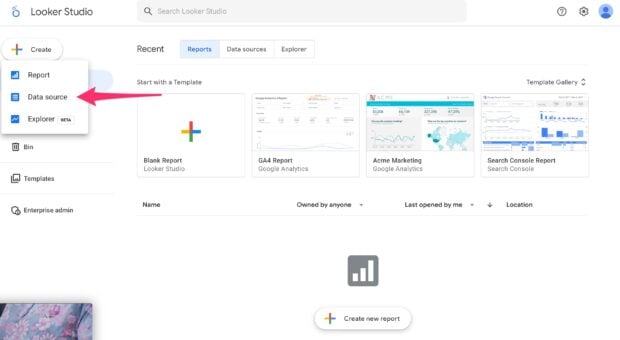
The Custom Route (e.g., Google Looker Studio)
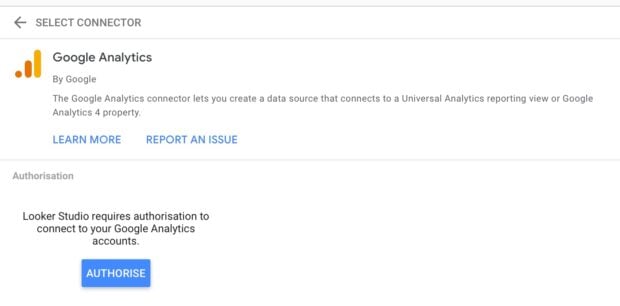
For budget-conscious teams with technical bandwidth, building a custom dashboard via Looker Studio is a viable, albeit labor-intensive, alternative.
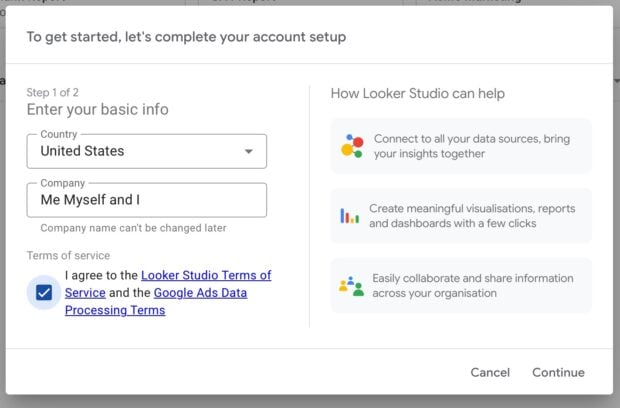
- Step 1: Define the business goal.
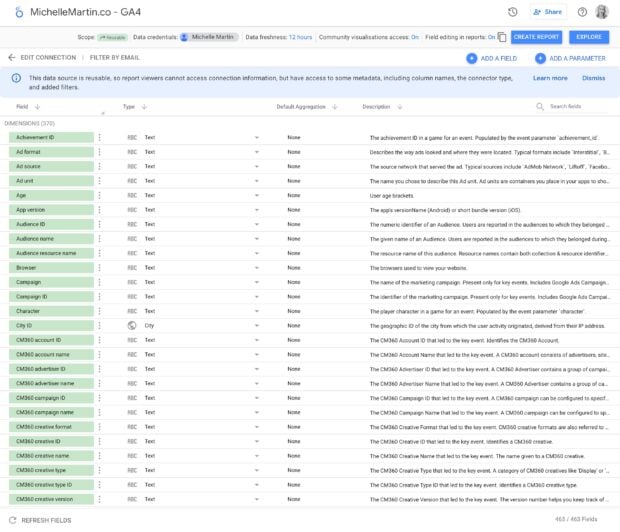
- Step 2: Connect the data source (e.g., Google Analytics 4).
- Step 3: Manually map metrics to the visual canvas.
- Step 4: Configure filters for specific campaigns or regions.
- Step 5: Finalize the layout for different stakeholders.
While free, this route carries hidden costs: the ongoing maintenance of data connections and the time required to "fix" reports when platform APIs evolve.
Conclusion: Turning Data into Decisions
A dashboard is not merely a collection of charts and graphs; it is a decision-making tool. Whether you are an analyst obsessed with the nuances of engagement rates or a CMO focused on the bottom-line impact of social spend, the goal remains the same: to move from data to insight, and from insight to action.
As social media continues to mature into a primary pillar of the global economy, the businesses that succeed will be those that have mastered the art of the dashboard—turning the chaotic noise of millions of social interactions into a clear, actionable signal for growth. By prioritizing the right metrics, choosing the right tools, and fostering a culture of data-driven decision-making, organizations can ensure their social media strategy remains not just relevant, but indispensable.