Website marketing has undergone a fundamental transformation. In 2026, the era of treating your domain as an isolated destination for inbound traffic has effectively ended. The digital landscape has evolved into an ecosystem where the customer journey is fragmented, highly influenced by AI, and heavily weighted toward third-party validation.

Traditionally, marketing meant creating content, optimizing for search engines, and waiting for visitors to arrive. Today, that model is insufficient. Before a potential customer ever clicks on your site, they have already consulted Large Language Models (LLMs), scoured Reddit threads, and cross-referenced your brand against social sentiment. If your brand isn’t visible, credible, and consistent across these off-site channels, your website often becomes the final stop for a lead that has already made up their mind—or, more likely, a site that never gets visited at all.
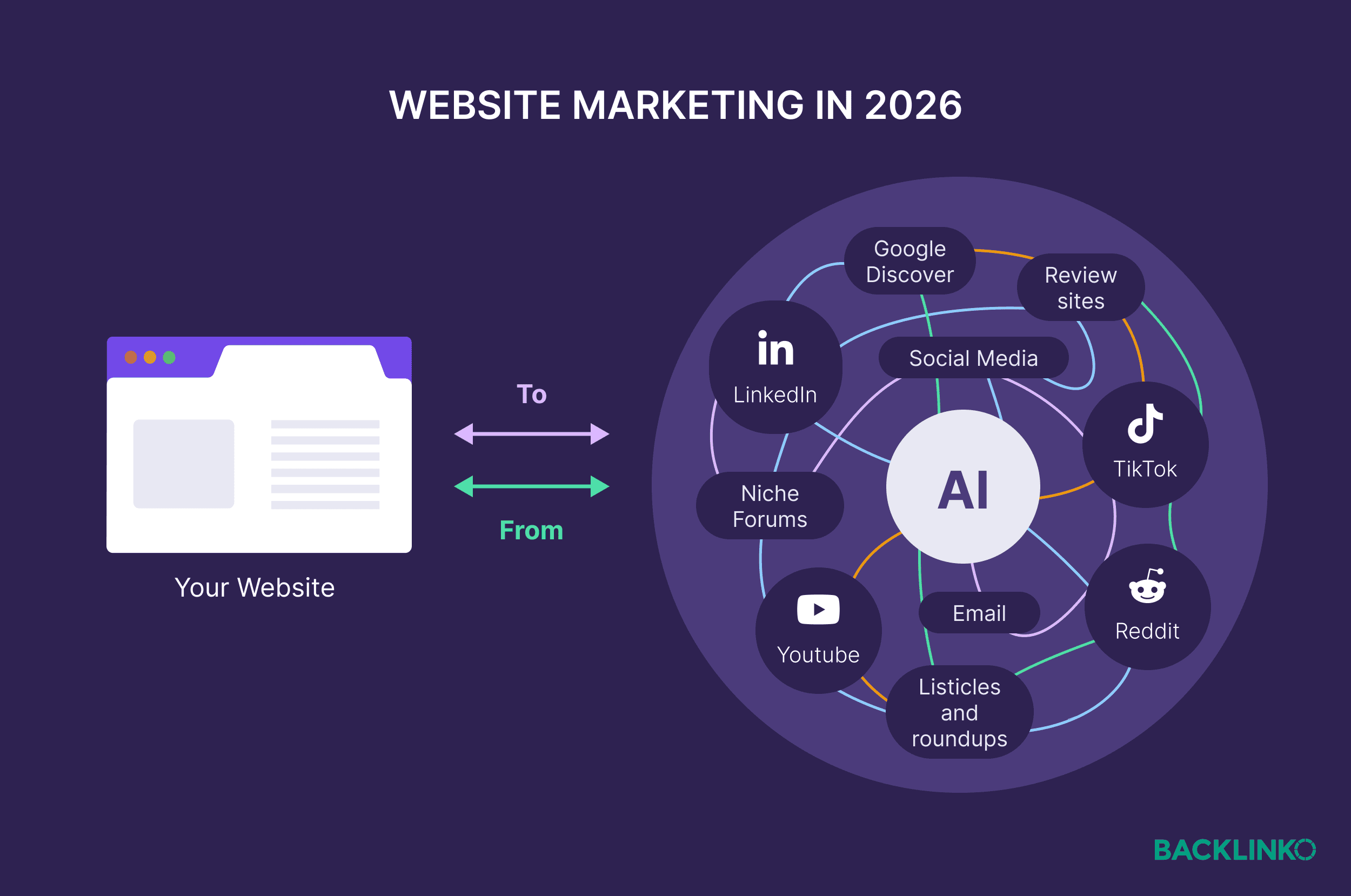
This shift necessitates a broader, more integrated approach. By meeting users where they live, you build the trust and context required to ensure that when they do arrive on your site, they do so with a significantly higher intent to convert.
1. Positioning for AI and Human Discovery
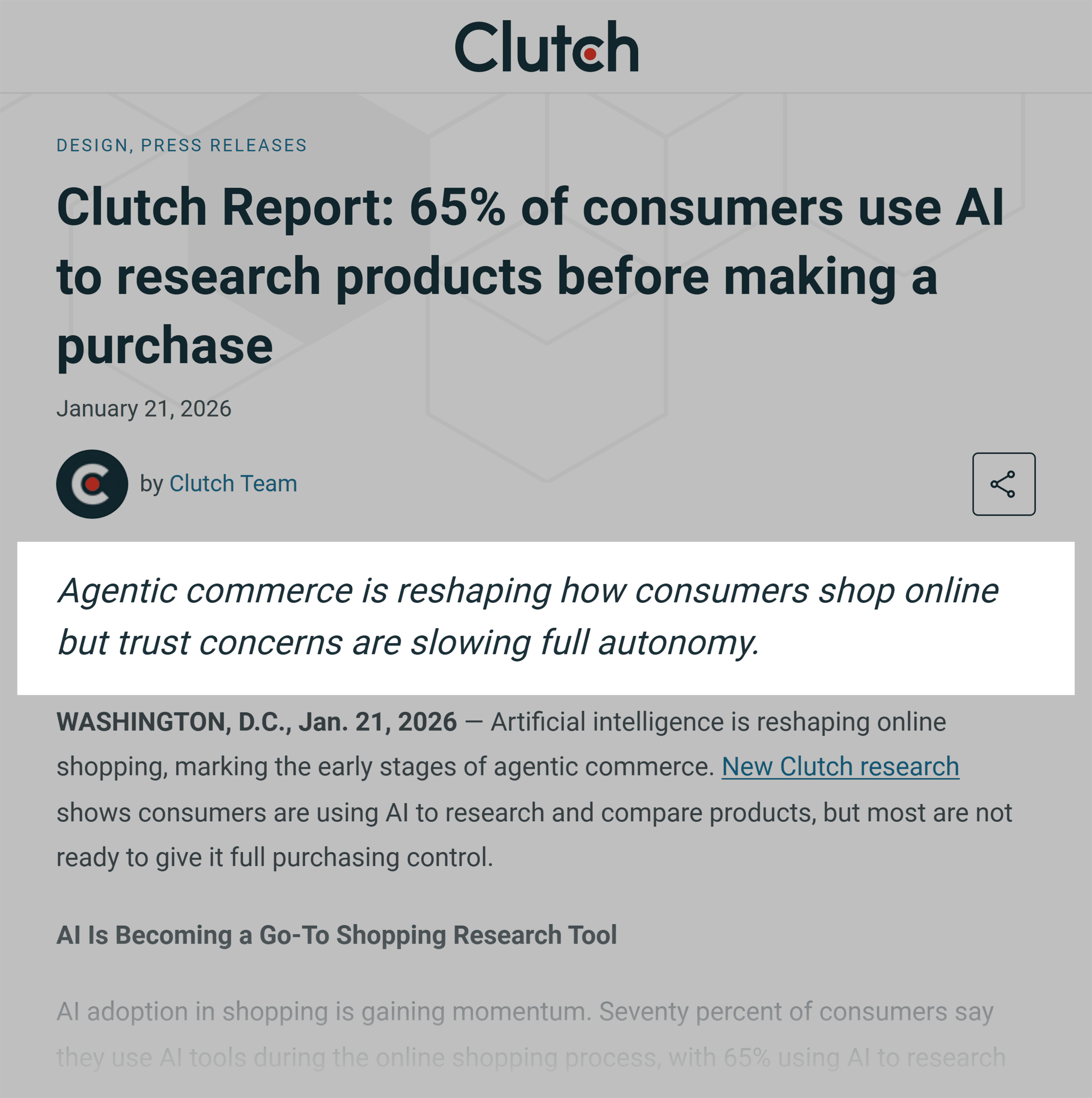
Data from the latest Clutch Research indicates that over 65% of buyers now utilize AI tools to research products before visiting a commercial website. This is a seismic shift in the buyer’s journey. When a user asks an AI for a recommendation, your brand’s presence in that response is determined by the cumulative "digital footprint" you have established across the web.
Engineering Your Brand Narrative
You cannot leave your online reputation to the whims of algorithms. You must proactively influence how the internet describes your business. This starts with a robust, documented brand messaging strategy.
A successful messaging document must define:
- Core Positioning: The specific category and value proposition you own.
- Problem/Solution Dynamics: The explicit pain points your product resolves.
- Brand Voice and Values: The consistent language that differentiates you from competitors.
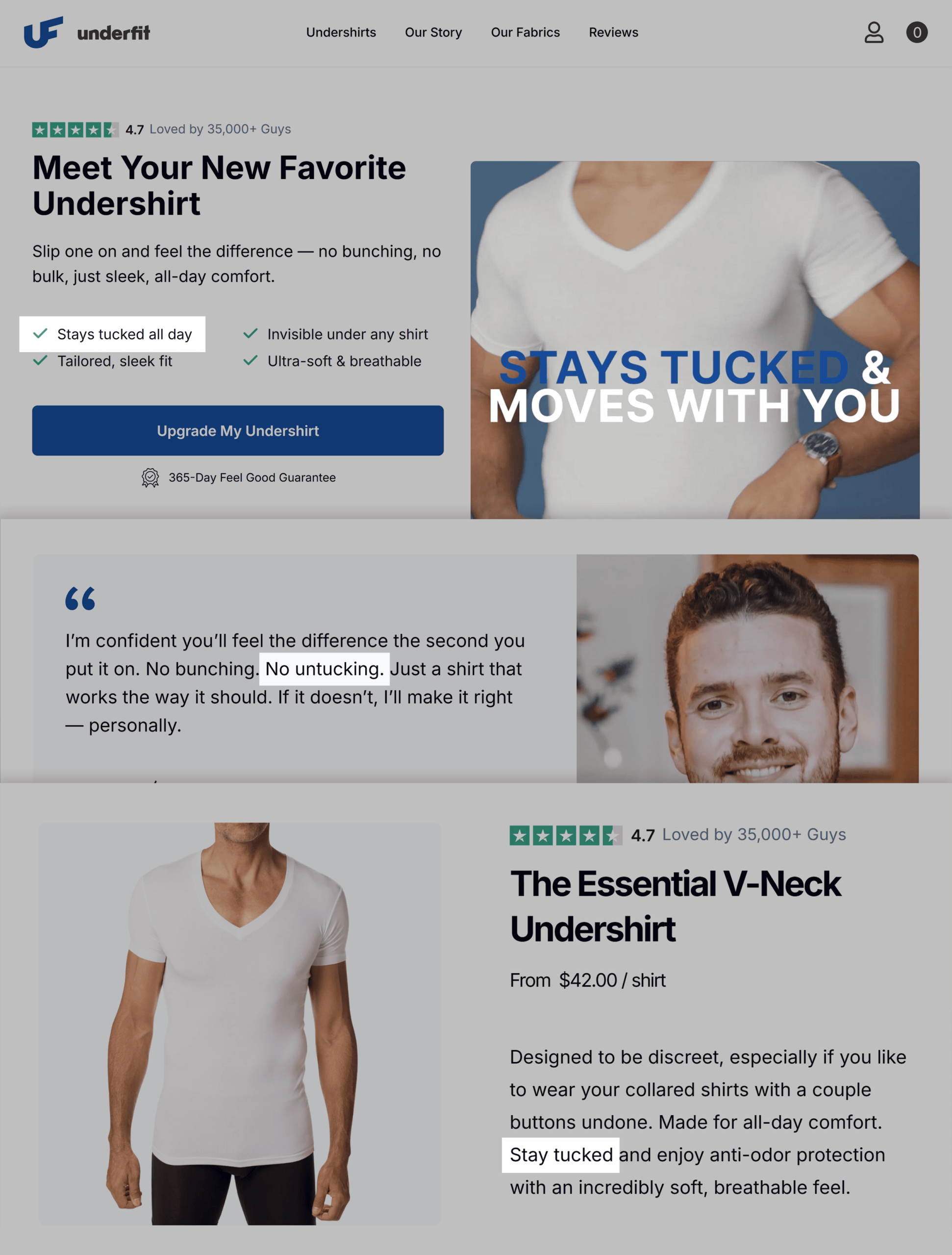
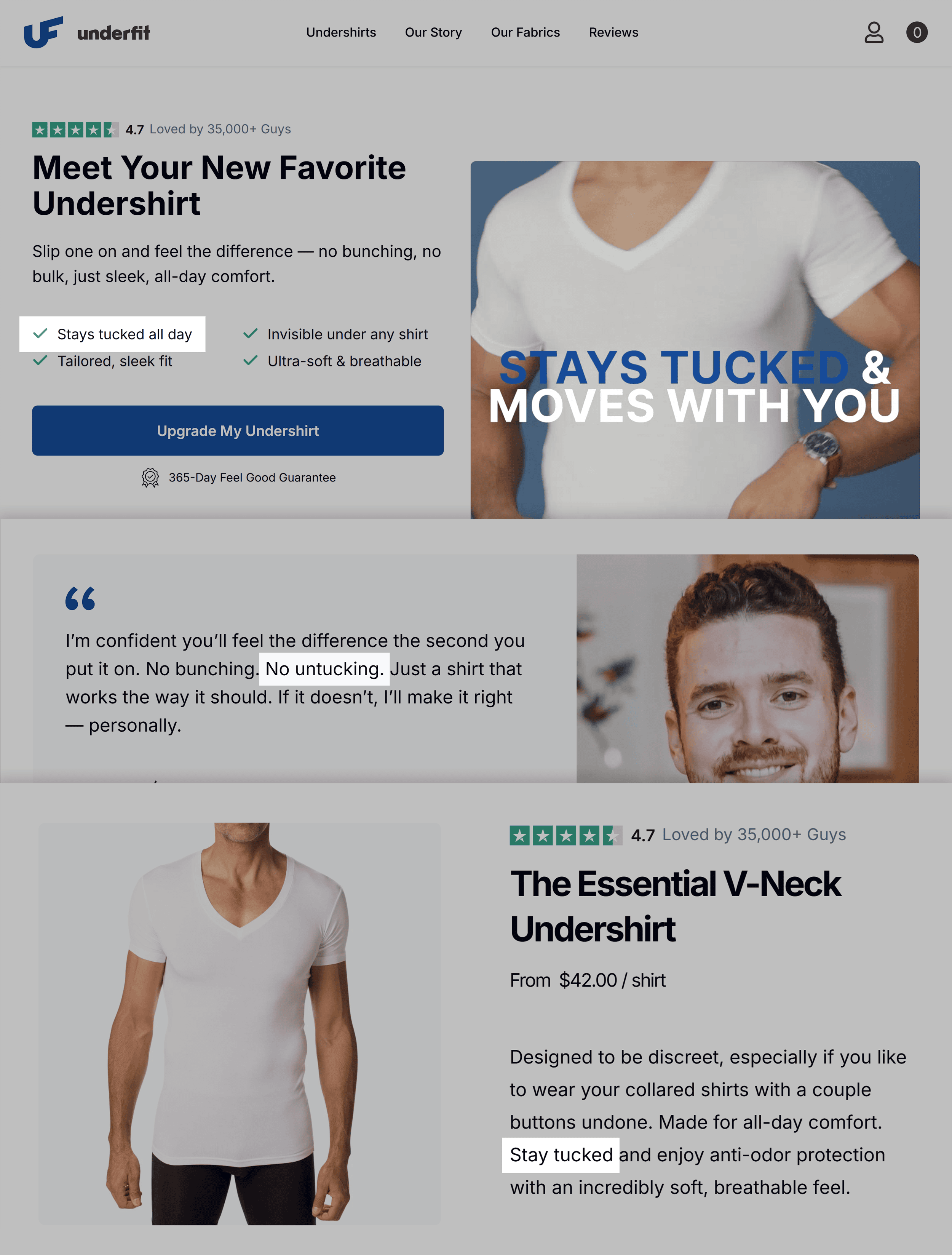
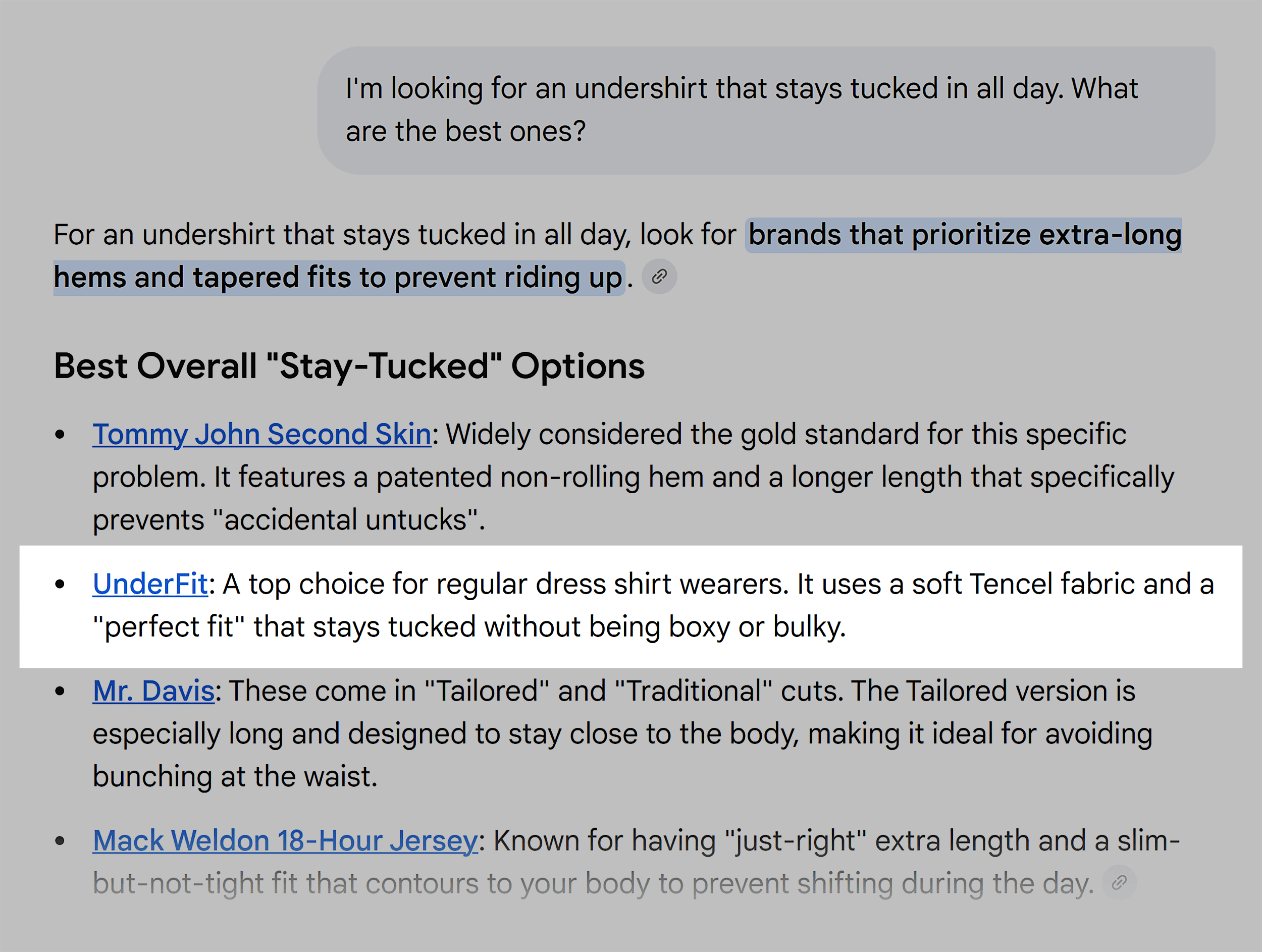
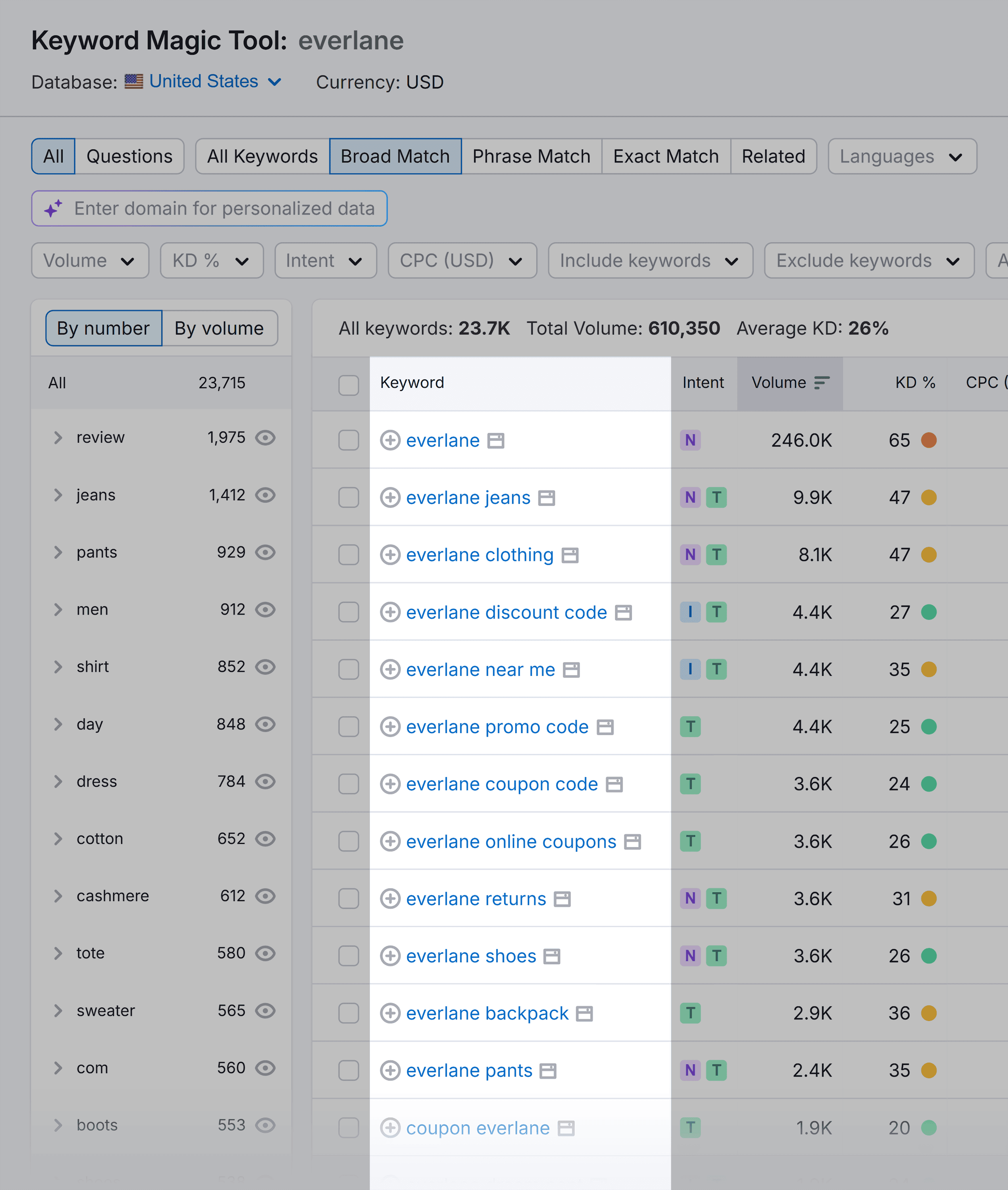
Consistency is the engine of authority. When your marketing, sales, and leadership teams use the same language, it creates a "semantic trail" that LLMs and search engines use to categorize your brand. For example, the e-commerce brand UnderFit has successfully associated their name with the phrase "stays tucked all day" through relentless repetition across their own site, reviews, and external roundups. Consequently, when a user asks an AI about "shirts that stay tucked," UnderFit is frequently cited as the primary solution.
Conducting an AI Narrative Audit
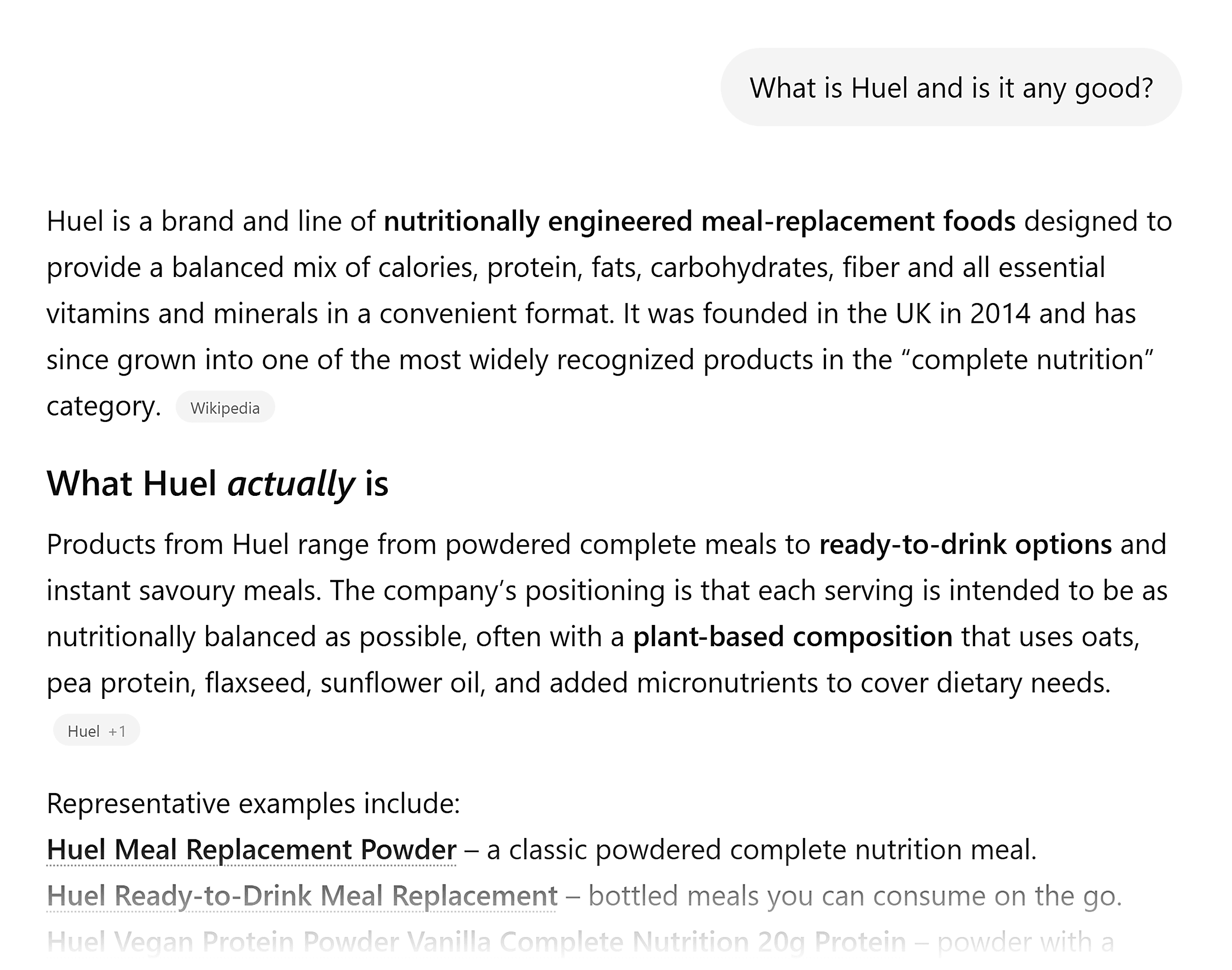
To understand your current standing, treat AI tools as a mirror. Open a major LLM and pose the questions your prospects are asking:
- "What is the best alternative to [Brand] for [Specific Problem]?"
- "What are the pros and cons of [Brand]?"
Evaluate the responses for accuracy and positioning. If the AI provides a flawed or incomplete narrative, you have identified your immediate content gap.
2. Structural Integrity: Writing for Humans and Machines
Showing up across the web is only half the battle. Once a user clicks through, your website must be architecturally sound enough for both humans to navigate and AI agents to parse.
The Power of Semantic Architecture
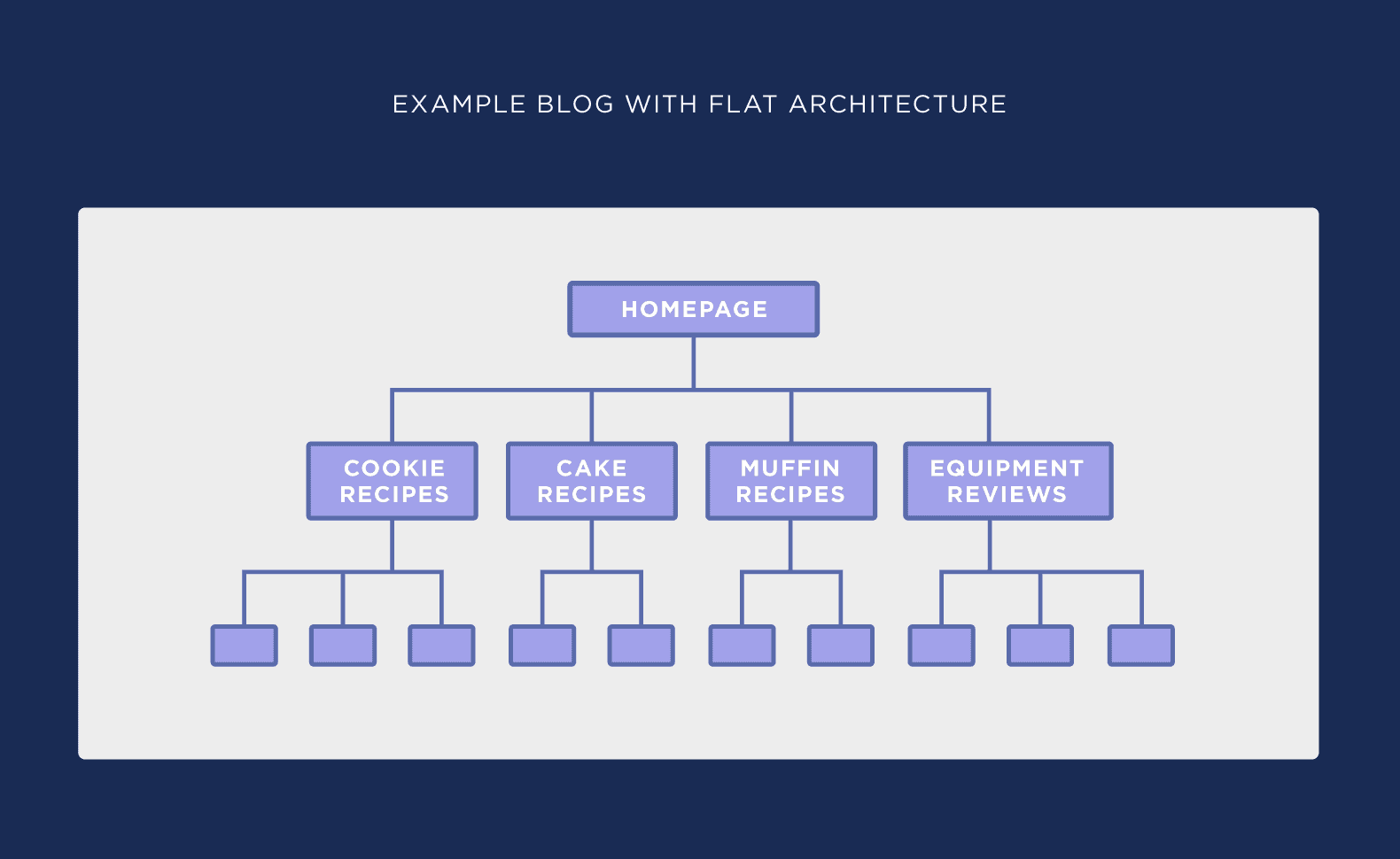
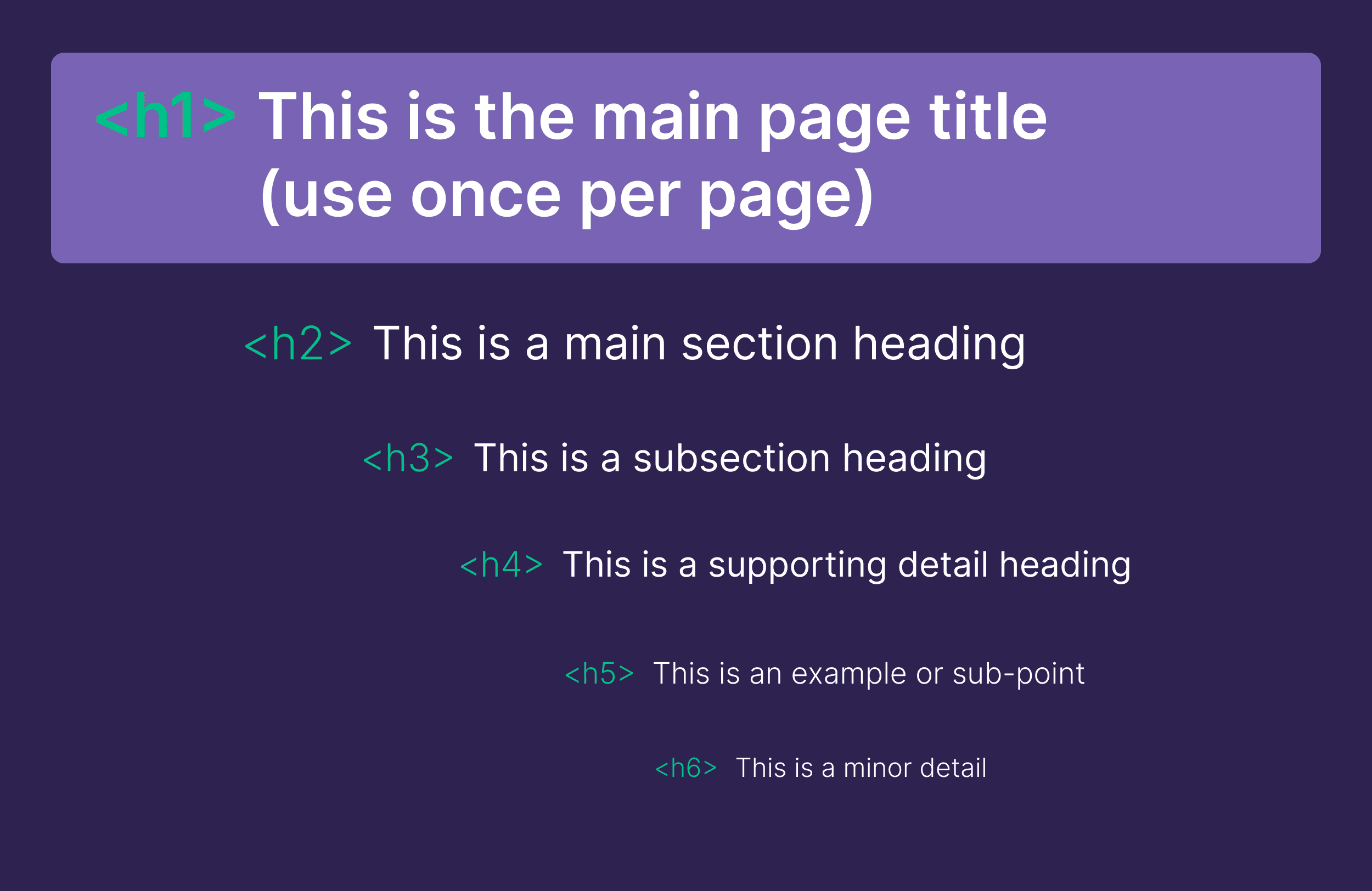
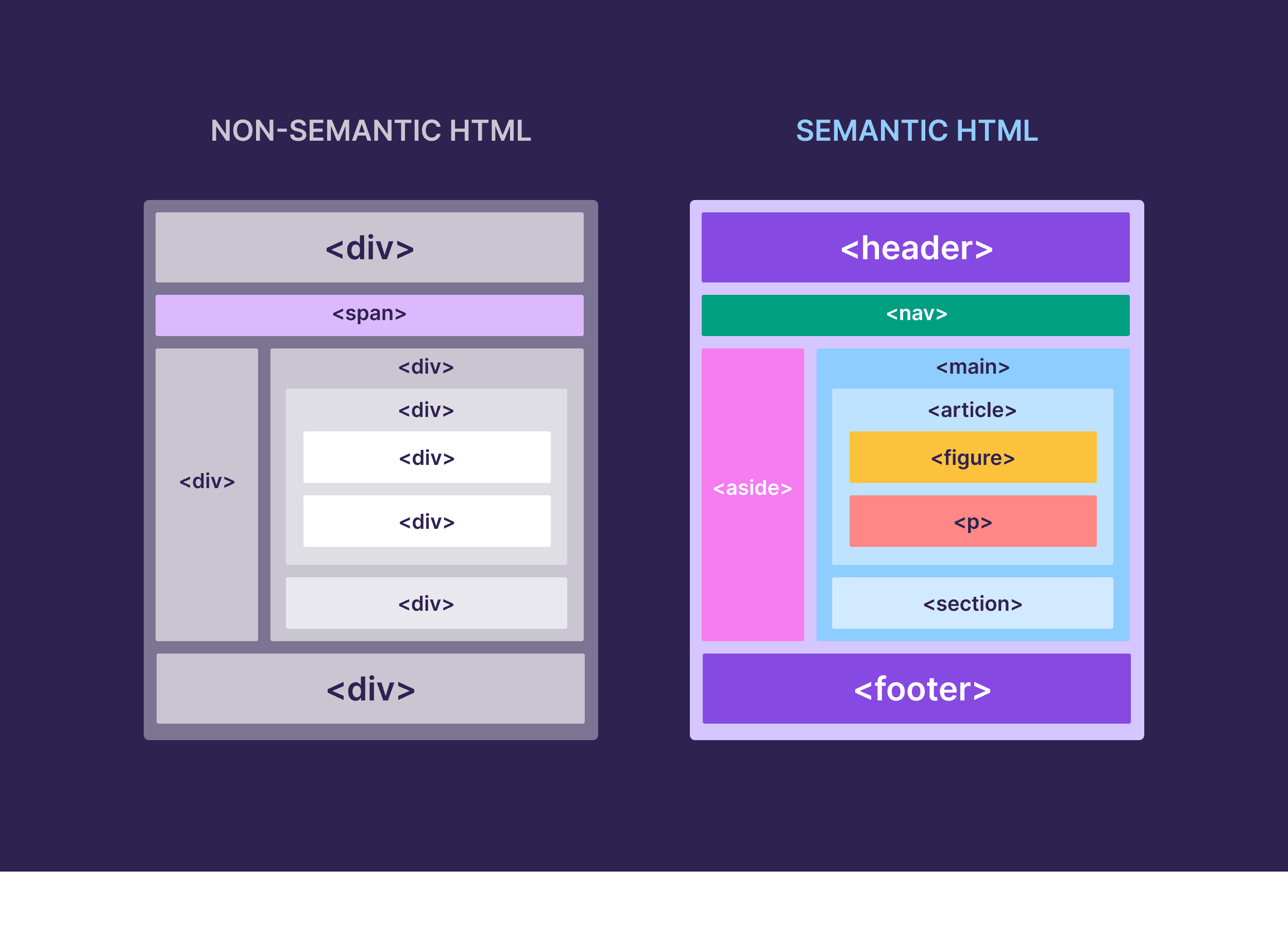
Modern SEO isn’t just about keywords; it is about hierarchy. Use semantic HTML (header tags, section elements, and lists) to define your content’s structure. This hierarchy acts as a map for search crawlers and LLMs, making it explicit what each page is about and how it fits into your broader knowledge base.
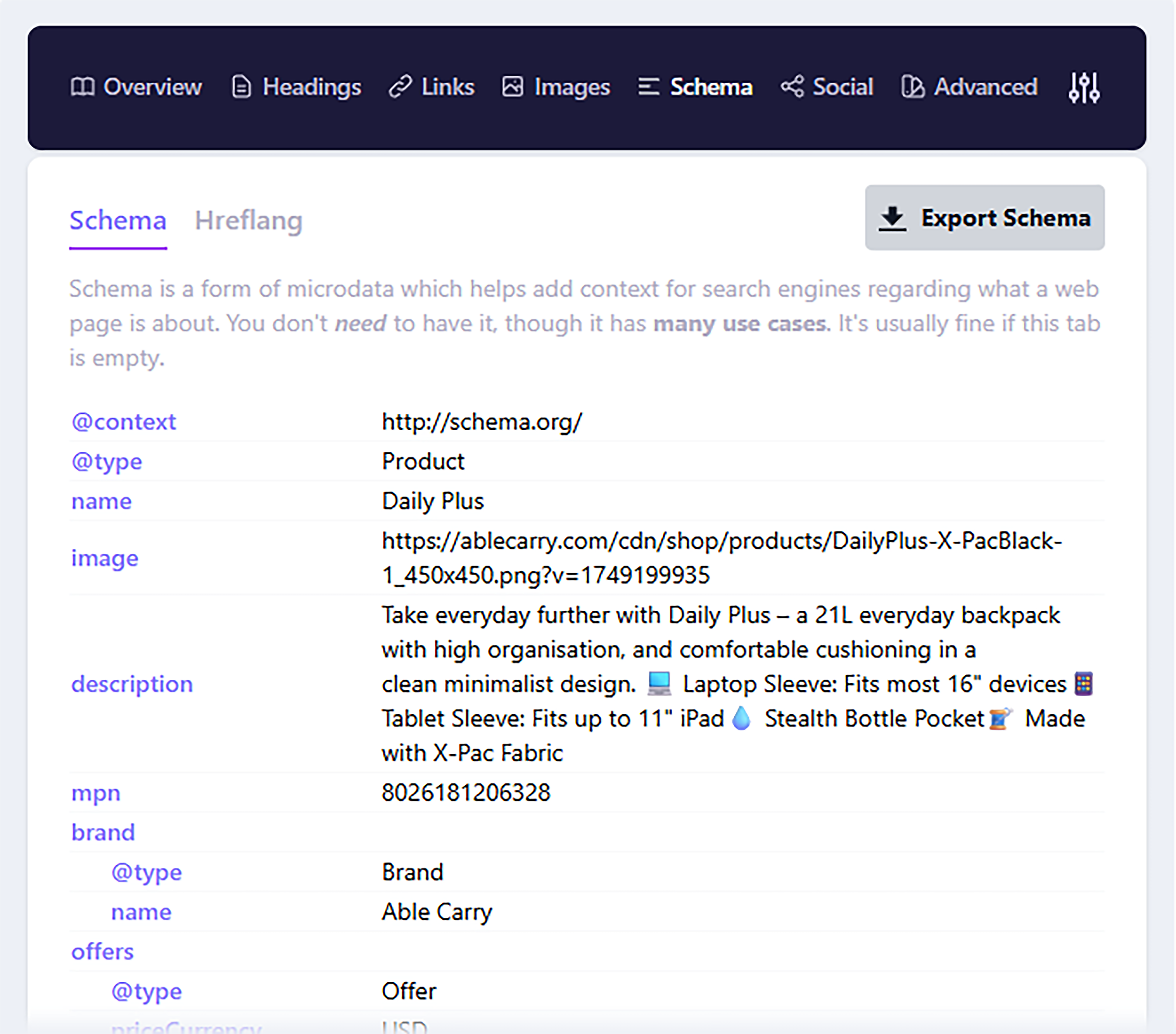
Furthermore, invest in schema markup. By explicitly defining your entities and relationships in code, you provide search engines with the "proof" they need to display rich snippets and improve your visibility in AI-generated answers.
3. The Evidence Engine: Publishing Proof Assets
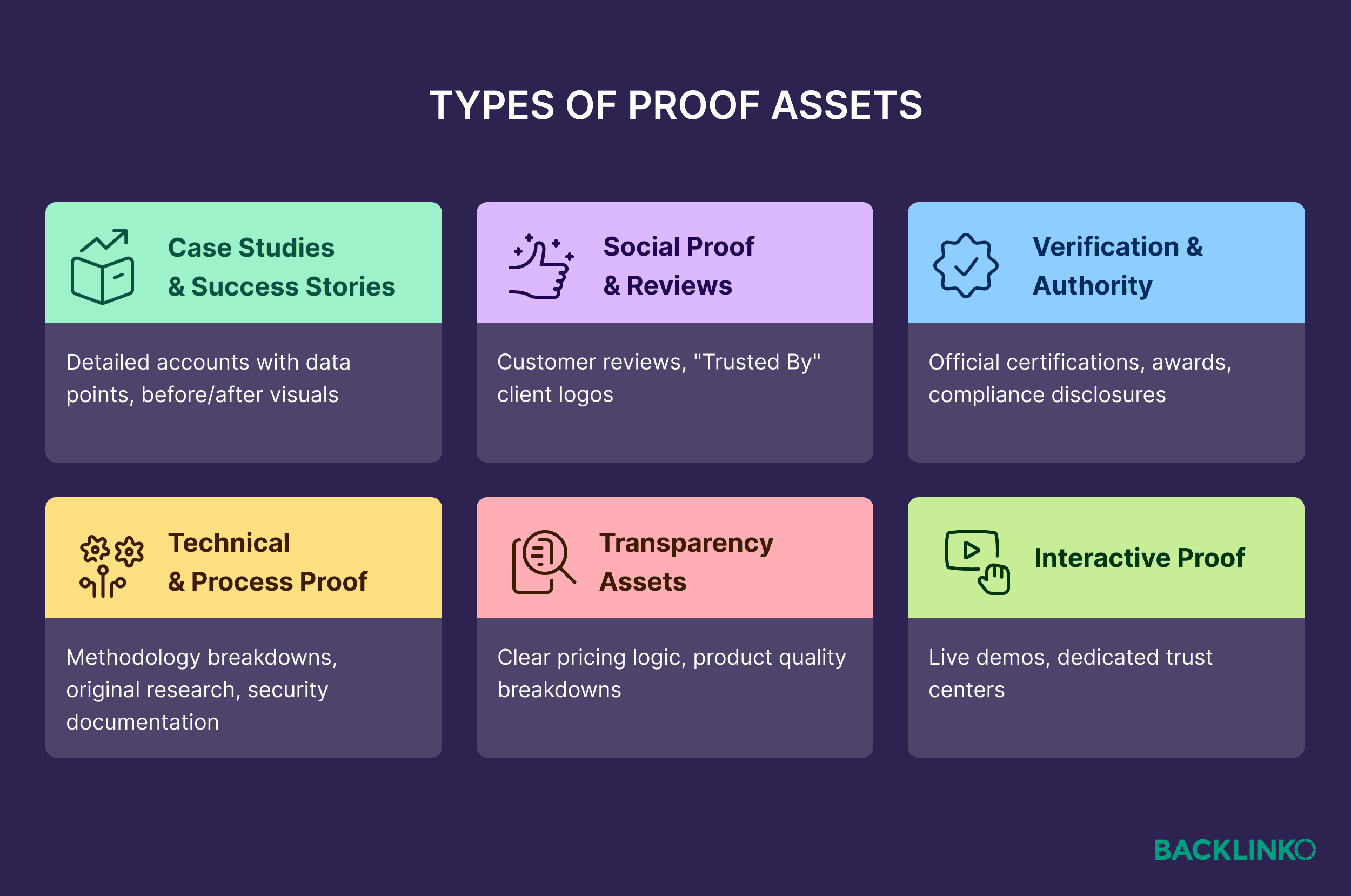
Trust is the currency of the 2026 digital economy. "Proof assets" are the empirical evidence backing your brand claims. These include:
- Measurable Case Studies: Hard data proving ROI.
- Third-Party Verifications: Security certifications, ISO standards, or industry awards.
- Customer Sentiment Data: Aggregated review scores from verified platforms.
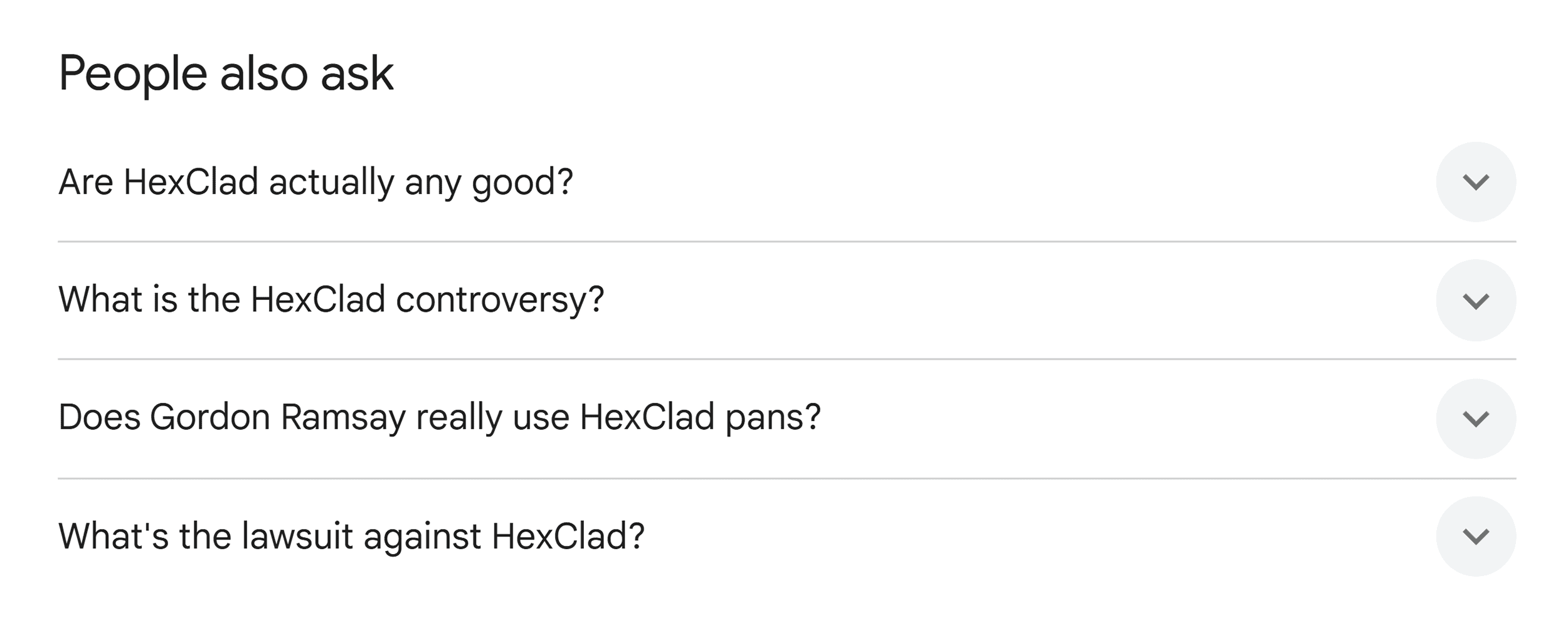
To prioritize these assets, use the "People Also Ask" (PAA) section on Google for your brand name. The questions found there represent the specific points of anxiety or doubt that your prospects have. If users are searching for "Is [Brand] safe?" or "Does [Brand] have a money-back guarantee?", your content strategy must prioritize creating explicit proof assets that answer these questions directly.
4. Video as a Trust Catalyst
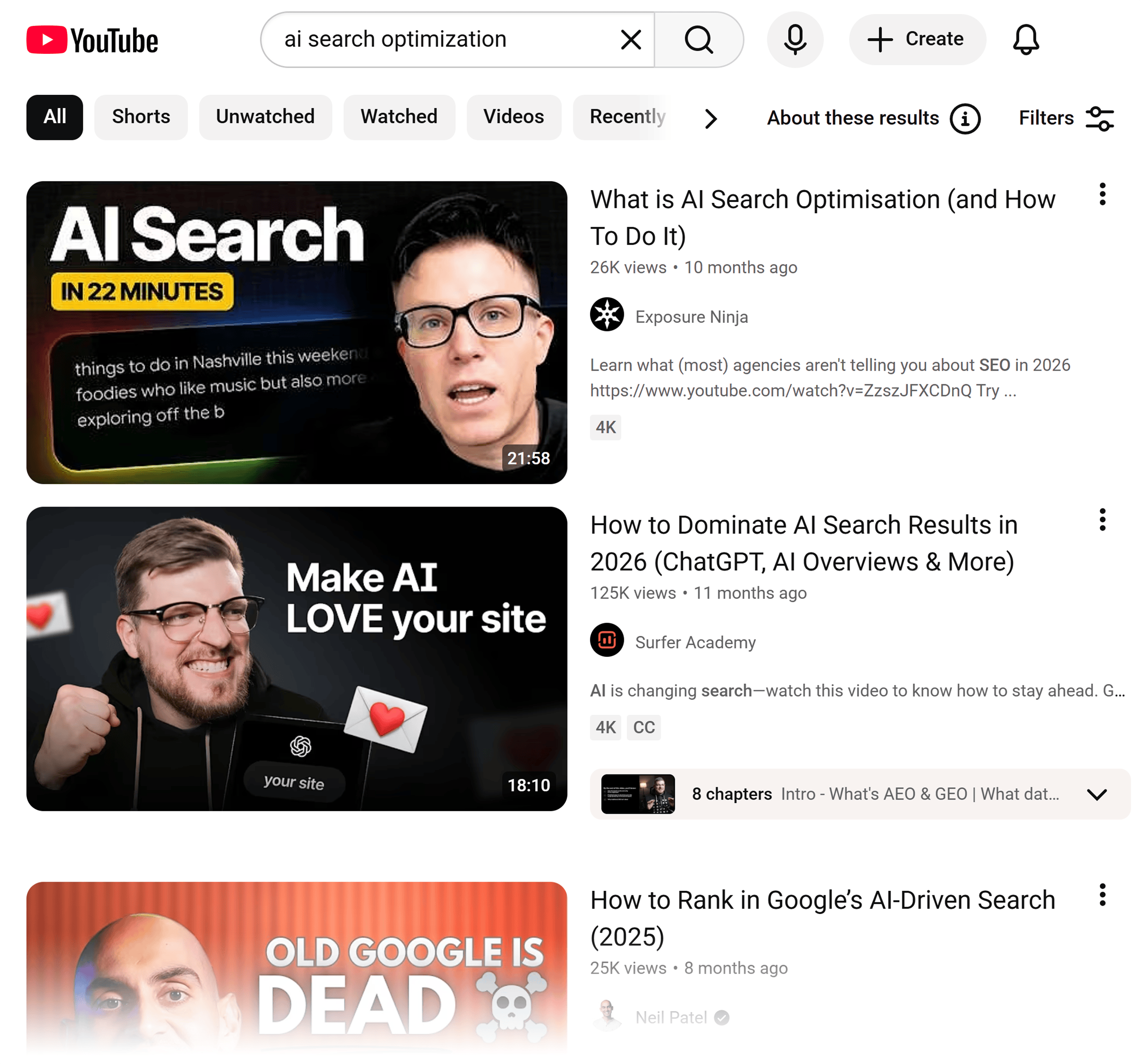
Text is informational; video is relational. In 2026, video content is no longer an optional add-on—it is a core trust-building mechanism.
Long-Form vs. Short-Form Strategy
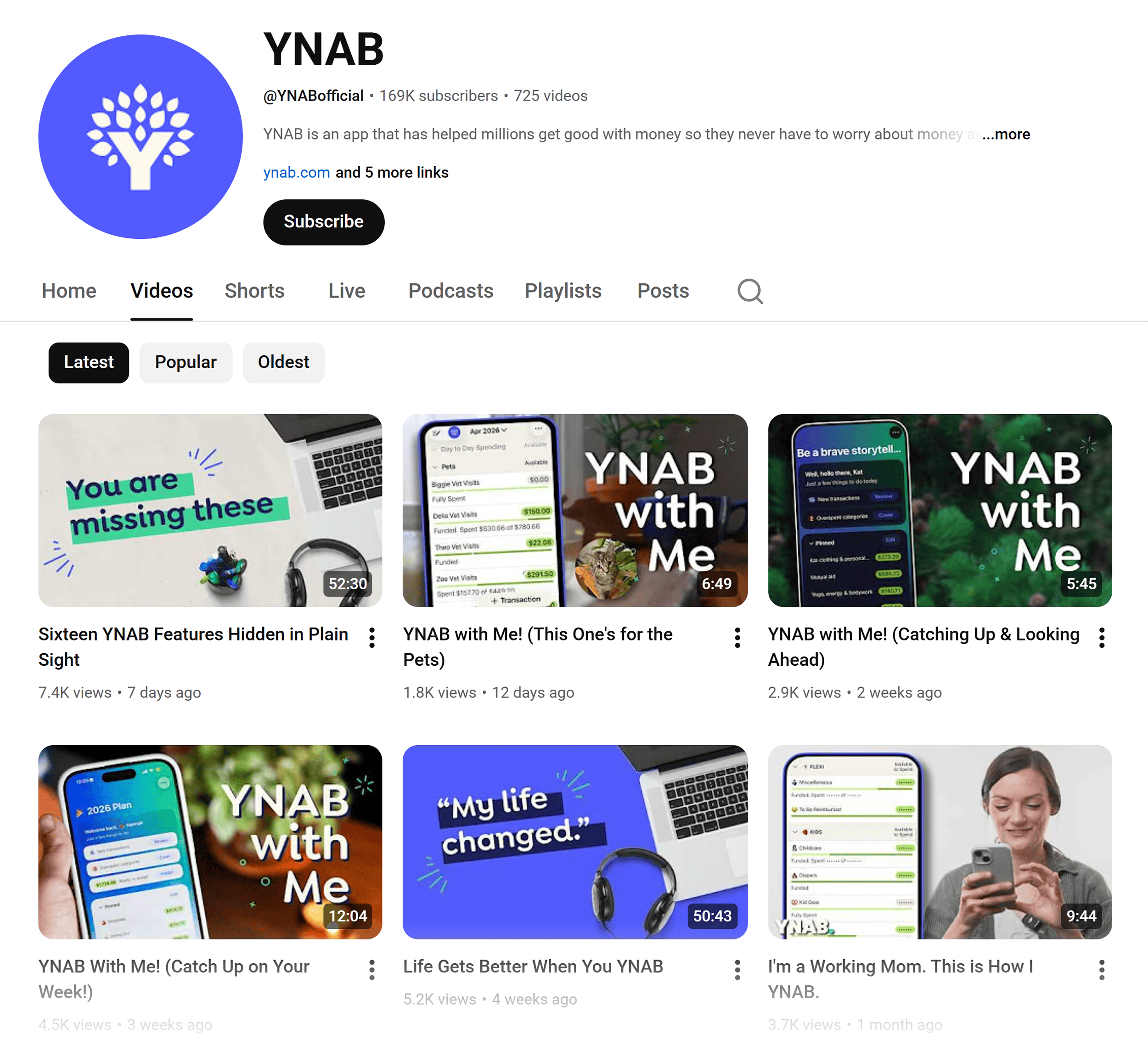
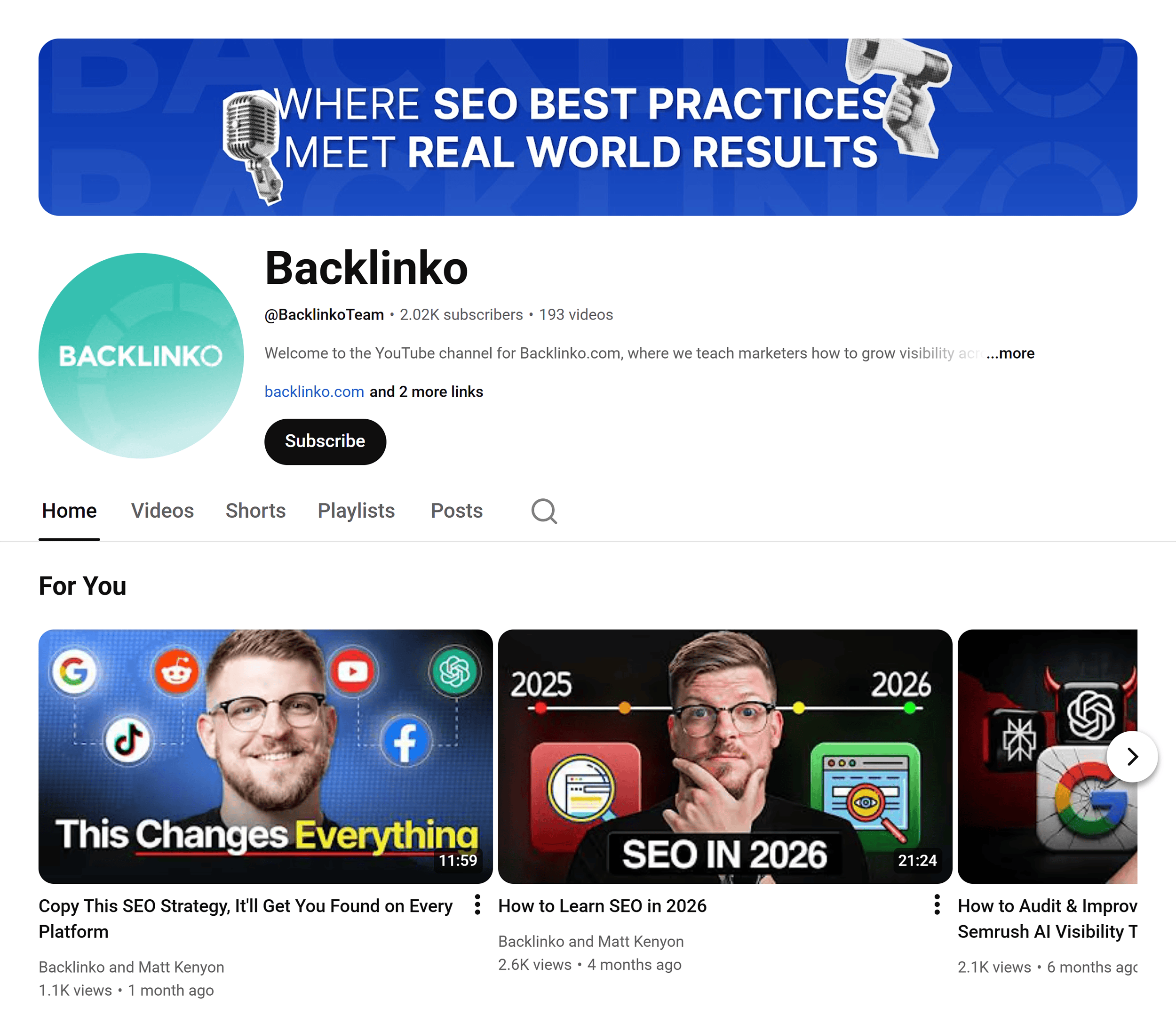
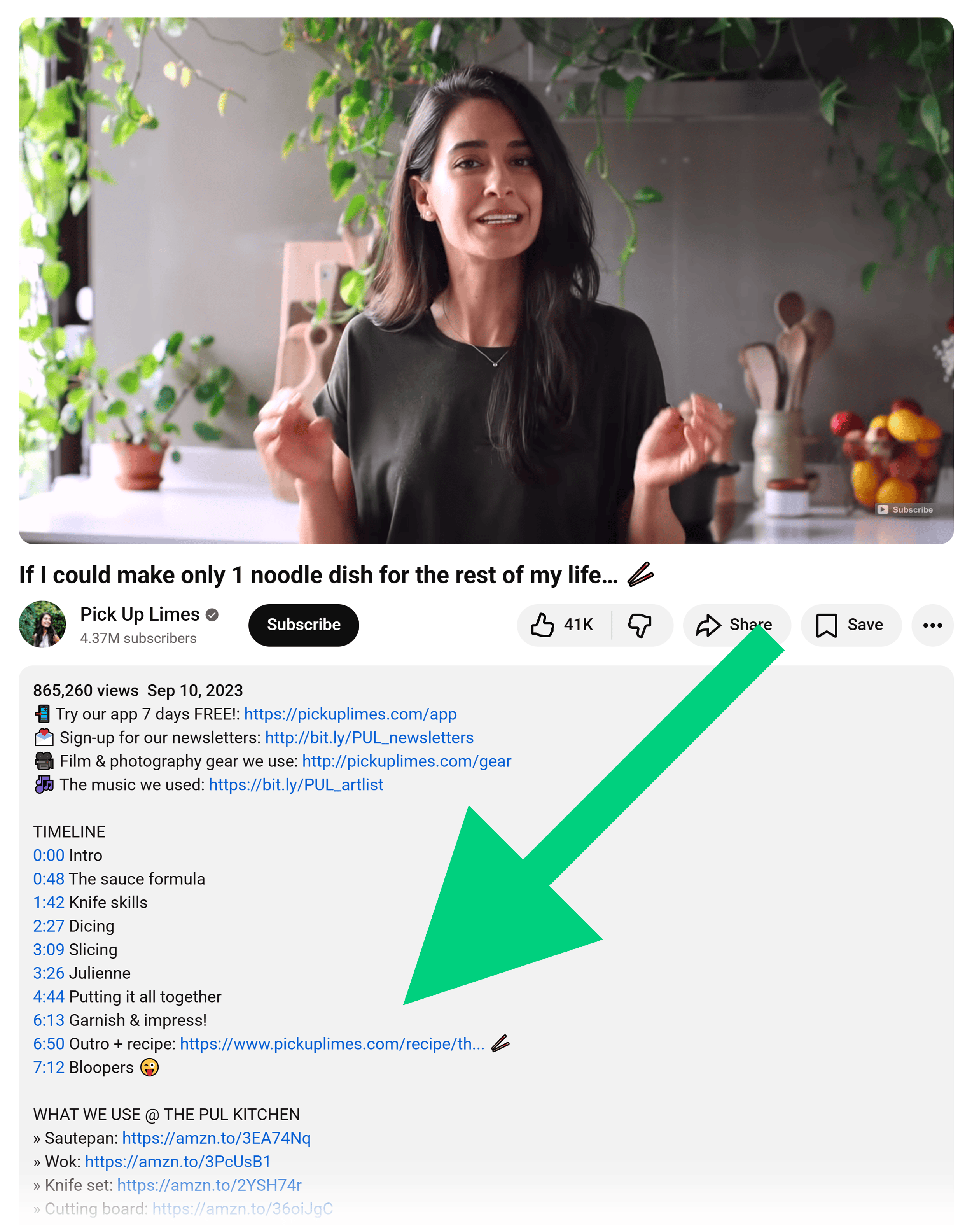
- Long-Form (YouTube/Webinars): Use this to demonstrate deep expertise. Educational content that helps a buyer evaluate their options—such as product comparisons, deep-dive tutorials, or "behind-the-scenes" process videos—establishes your brand as an authority.
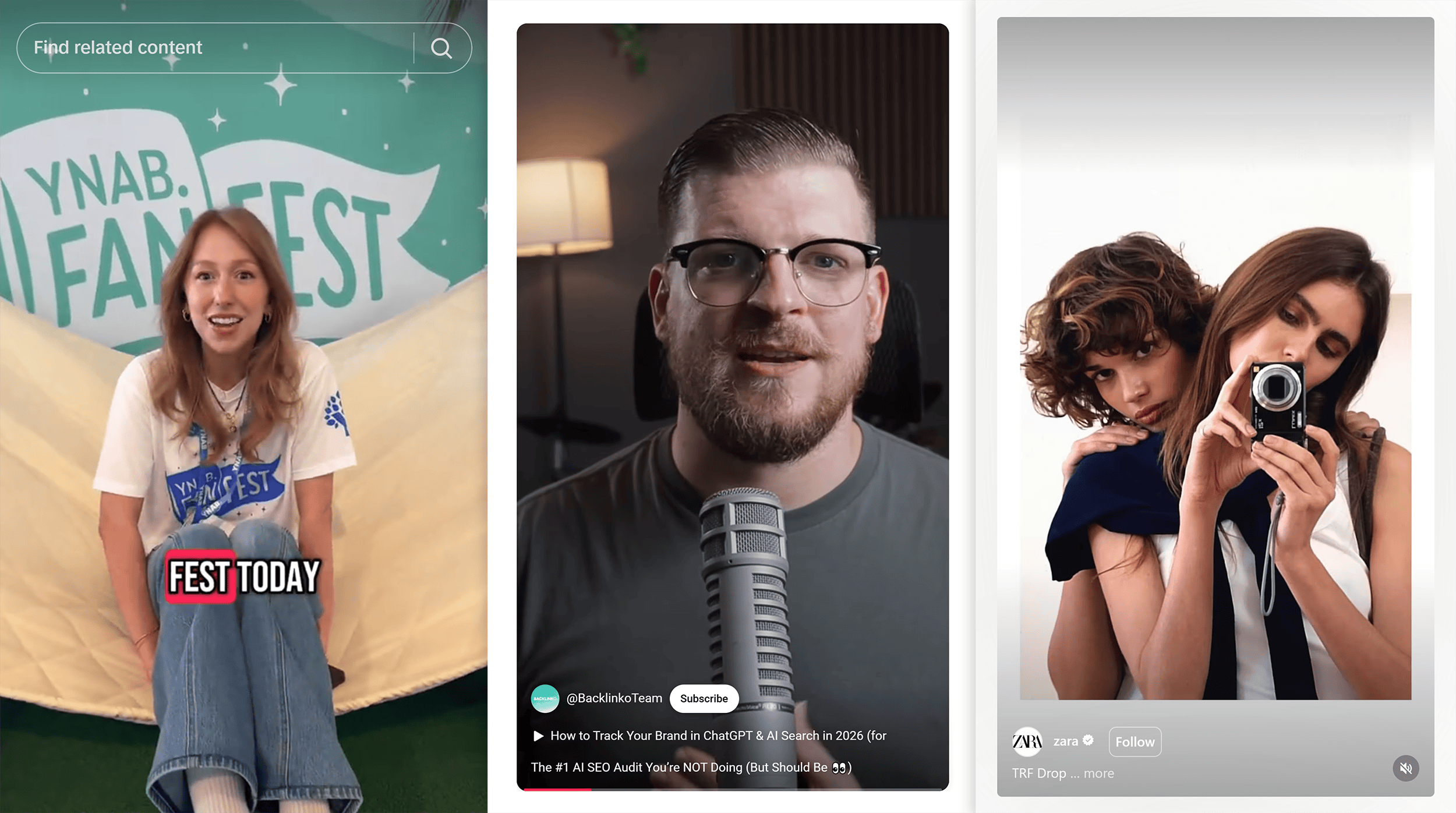
- Short-Form (Reels/TikTok/Shorts): These clips build familiarity through repetition. A viewer may not buy after seeing one 30-second tip, but seeing your face and brand consistently over time lowers the psychological barrier to purchase.
The goal is to move the viewer from "stranger" to "acquaintance" before they even land on your pricing page.
5. Capturing Google Discover Traffic
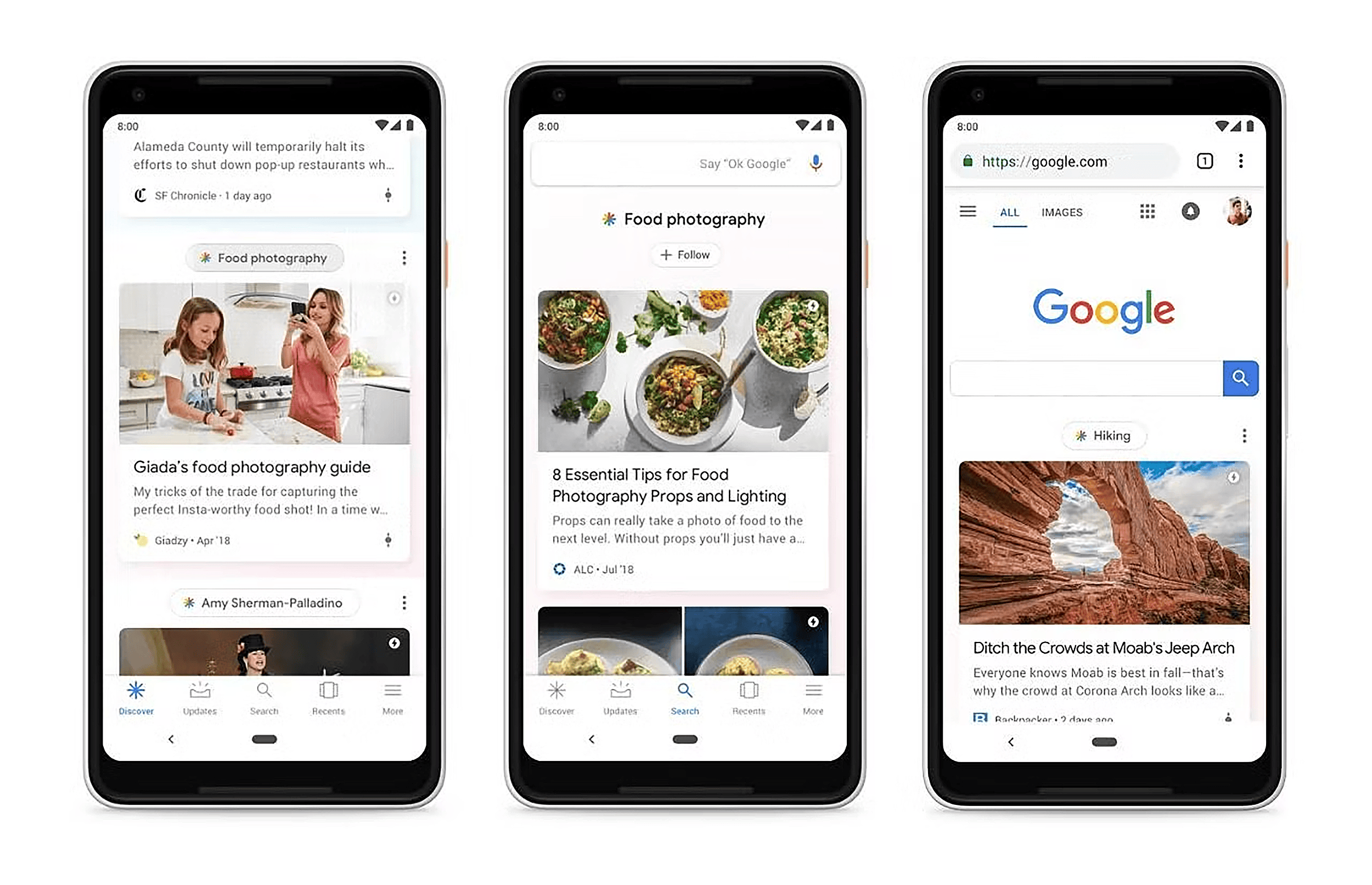
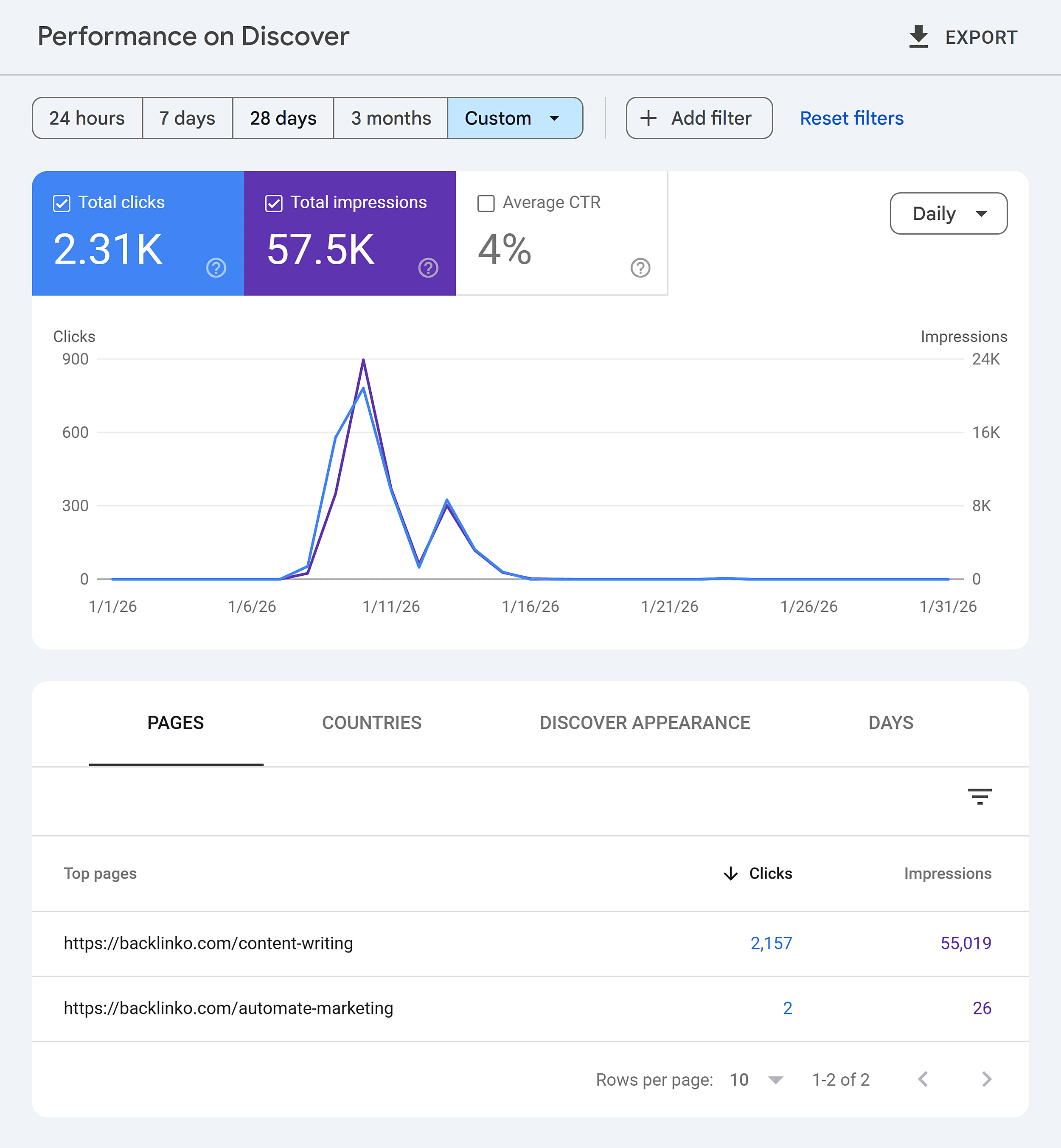
Google Discover, the personalized feed in the Google app, is a powerful source of high-volume, interest-based traffic. Unlike search, where users come to you with a specific intent, Discover surfaces your content based on their browsing behavior.
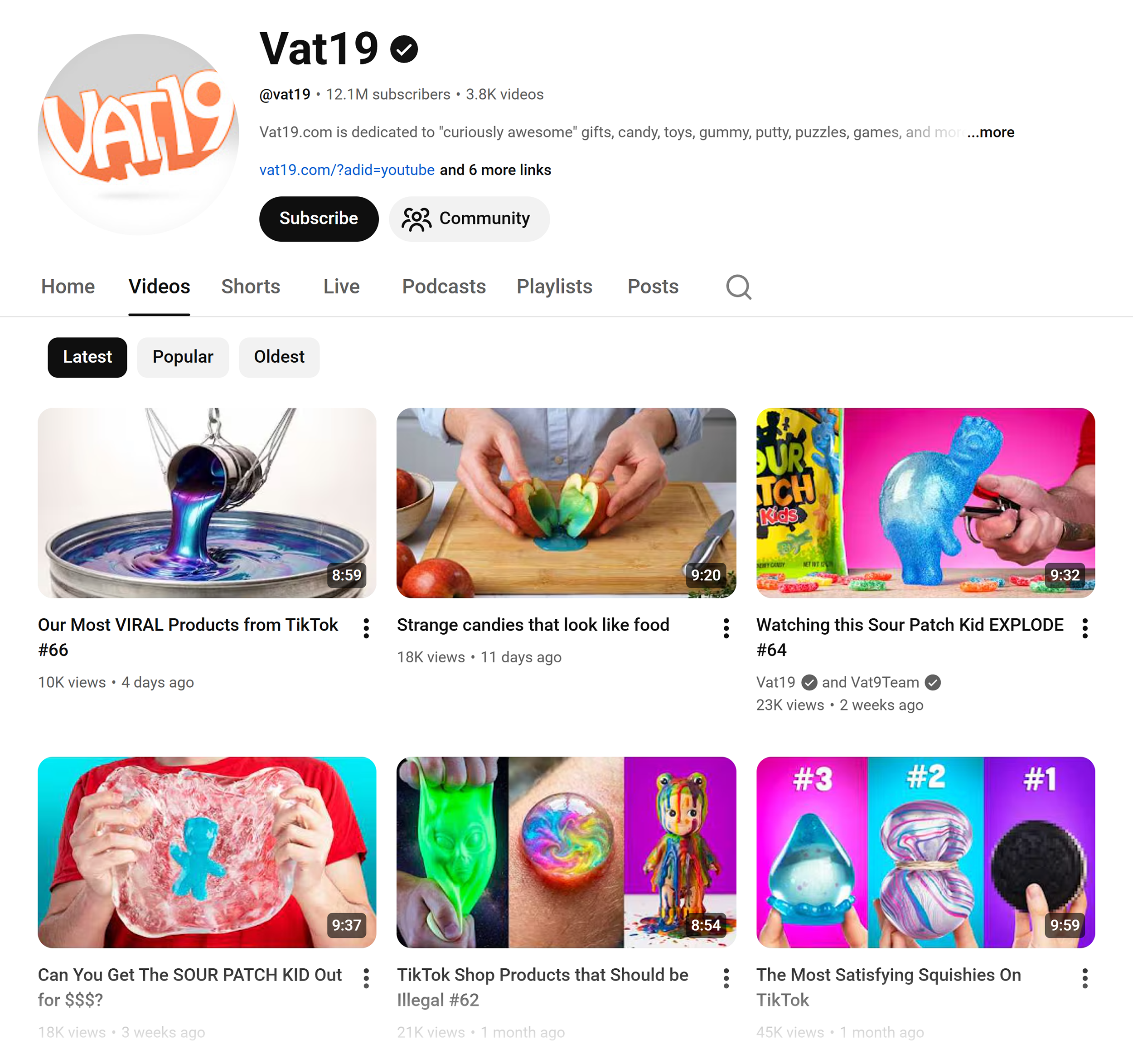
To optimize for Discover, add a "Discover Lane" to your content calendar. This content should focus on:
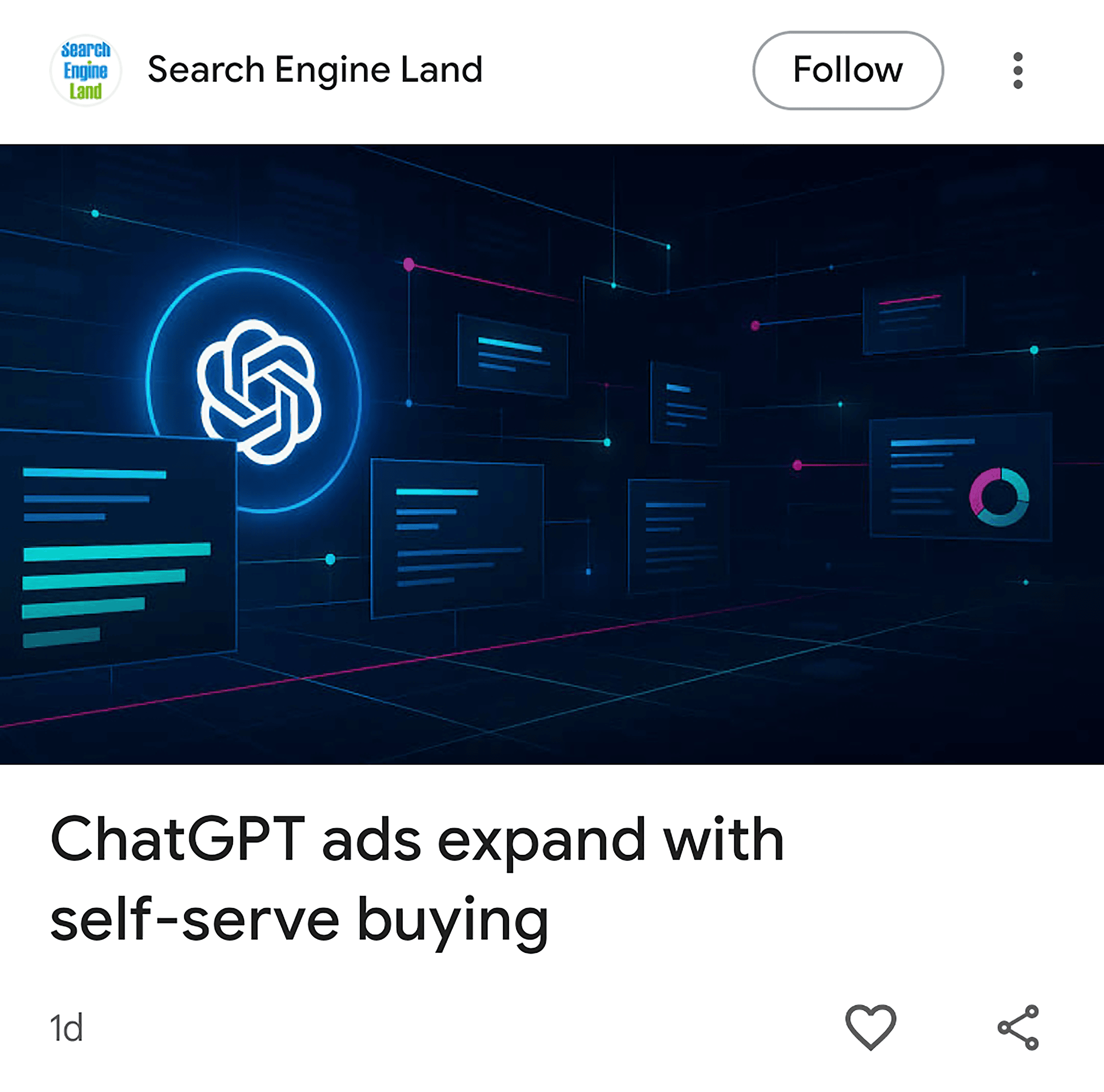
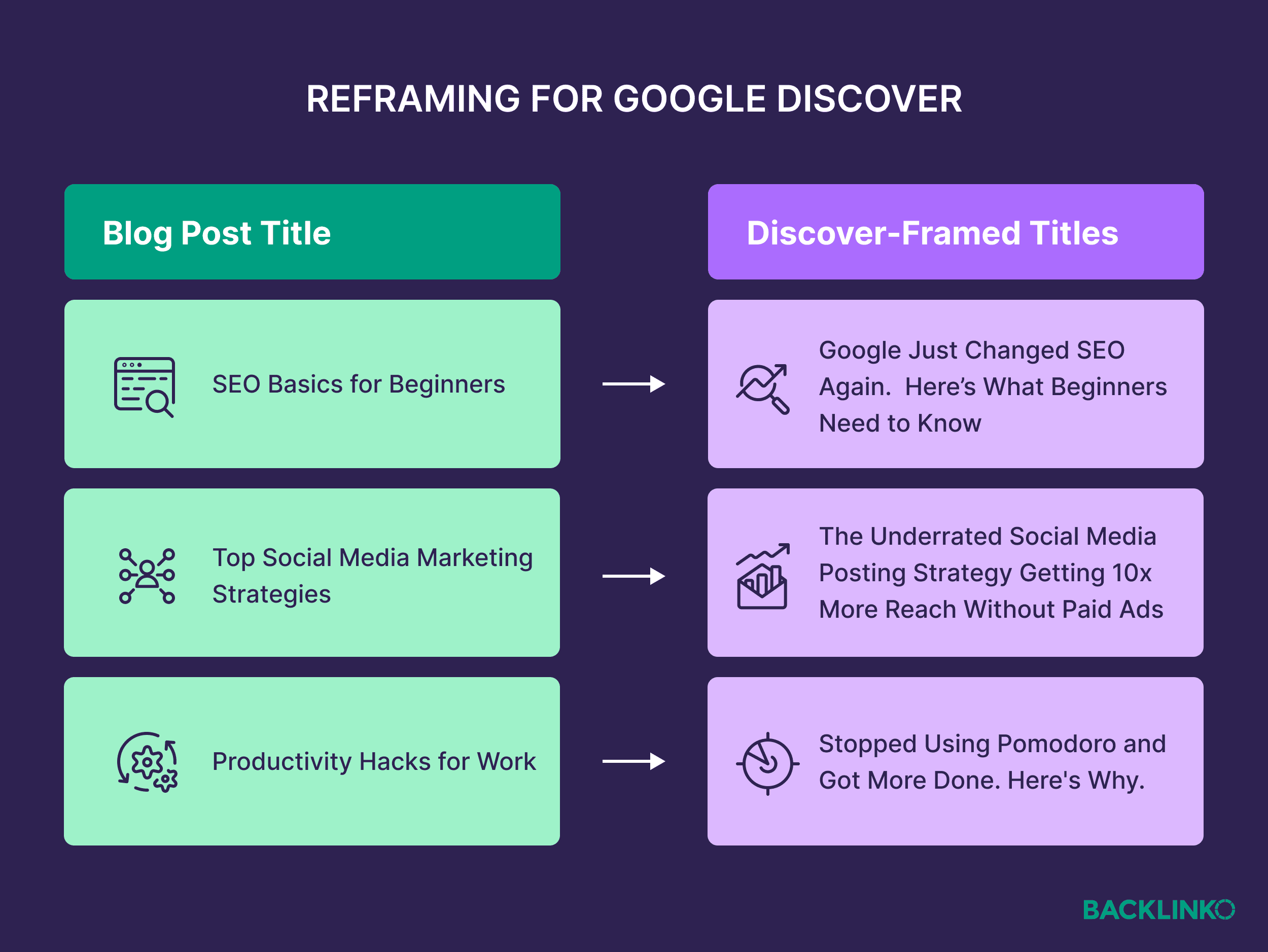
- High Stakes/Tension: Headlines that trigger curiosity.
- Timeliness: Articles tied to current industry shifts or trending topics.
- Visual Appeal: 1200px+ featured images that stop the scroll.
If your content provides a clear angle on a current trend, you stand a high chance of being curated into the feeds of users already interested in your niche.
6. Conversion in a Zero-Click World
The "Zero-Click" phenomenon—where users find answers without visiting a site—is here to stay. This makes the visitors who do reach your site more precious than ever. They are further along in the buying process, which means your site must be optimized for immediate action.
The Conversion Audit
Conduct an audit focused on two metrics: Friction and Anxiety.
- Friction: Anything that makes the process harder (slow loading times, cluttered menus, multi-step forms).
- Anxiety: Anything that makes the visitor hesitate (vague pricing, lack of security signals, lack of social proof).
If your goal is demo bookings, ensure the CTA is prominent on every scroll depth. If you are in a high-anxiety industry like finance, ensure your compliance badges and security documentation are front and center.
7. The Human Premium: Leading with Personality
AI-generated content is a commodity. The human perspective is a premium. By putting a face and a voice behind your brand, you differentiate yourself from the sea of automated content.

Whether it is a founder like Richard Branson or a subject matter expert like a head of community, ensure that your brand advocates are:
- Visible: Actively posting on platforms like LinkedIn.
- Authoritative: Contributing to industry discussions without hard-selling.
- Associated: Linking their public persona clearly to your brand in bios and content.
Conclusion: Intentional Repurposing
In 2026, you don’t need to create more content; you need to create more impact with the content you have. Use AI to repurpose high-performing ideas into multiple formats—a blog post into a carousel, a video into a newsletter, or a podcast into a social thread.
By testing ideas on social platforms first and doubling down on what resonates, you stop guessing what your audience wants and start delivering exactly what they need. This is the new architecture of website marketing: a cohesive, multi-channel strategy where your website is the anchor, but your reputation is built everywhere else.