In the contemporary digital landscape, the quest for sustainable business growth inevitably converges on a single, critical metric: lead generation. Whether you are a lean startup or an established enterprise, the ability to consistently attract potential customers—and convert them into revenue—is the lifeblood of your organization. Yet, in an era of infinite marketing channels, many teams find themselves paralyzed by the sheer volume of choices.
This guide explores the foundational principles of lead generation, examines the tension between inbound and outbound methodologies, and details 13 high-impact strategies to scale your conversion efforts.
Defining the Lead Generation Framework
At its core, a lead generation strategy is the systematic process of attracting strangers and prospects to your business and converting them into someone who has indicated an interest in your company’s product or service. It represents the crucial "top-of-funnel" stage, where anonymous website visitors are transformed into actionable contacts.

While the tactics vary, all lead generation falls into two primary categories: Inbound and Outbound.
The Inbound vs. Outbound Dichotomy
Deciding which path to pursue is rarely a binary choice. It is a strategic calculation based on your market maturity, average deal size, and available resources.
Inbound Marketing focuses on "pulling" customers in through value-driven content. By providing solutions to problems via SEO, blog posts, and social media, you earn the trust of your audience.

- Advantages: Long-term compounding growth, lower cost-per-lead over time, and high trust.
- Disadvantages: Requires significant time investment and content production to see results.
Outbound Marketing involves "pushing" your message directly to prospects through cold outreach, paid advertising, and direct sales.
- Advantages: Predictable, scalable, and provides immediate feedback loops.
- Disadvantages: Higher upfront costs and the risk of being perceived as intrusive if the targeting is off-base.
The Prerequisite: Defining the Buyer Persona
Before launching a single campaign, you must solve for the "who." Attempting to target "everyone" is a recipe for wasted ad spend and diluted messaging.
- Market Definition: Analyze your industry. Who is currently buying? What are the common pain points? Are you targeting small businesses or enterprise-level stakeholders?
- Buyer Persona: Develop a profile of your ideal decision-maker. What are their job titles? What specific goals do they have to hit? What keeps them up at night? By narrowing your focus to a specific niche, your outreach efforts become significantly more resonant.
13 Strategies to Convert Visitors into Leads
1. Conversion-Optimized Landing Pages
The landing page is the "home base" for most of your lead generation efforts. It is where traffic from your ads, social media, and email campaigns should converge. A high-converting page focuses on a single goal, minimizes distractions, and utilizes clear, compelling calls-to-action (CTAs).

2. The Inbound Content System
Content marketing is not just about writing blog posts; it is about building an asset library that educates your audience. By aligning your content with specific stages of the buyer’s journey, you move prospects from awareness to consideration, naturally leading them toward your conversion forms.
3. SEO-Driven Search Visibility
Search engine optimization (SEO) is the art of showing up when your prospects are actively looking for answers. By targeting high-intent keywords—those that suggest a user is looking for a solution rather than just information—you capture leads who are already halfway through the decision-making process.
4. Targeted Cold Email Outreach
Cold email remains a powerhouse of B2B lead generation, provided it is executed with precision. The key is "intent-based" targeting. Rather than blasting a generic template, identify specific triggers—such as a company hiring for a new role or recently receiving funding—to customize your outreach and provide genuine value.

5. Strategic Popups and Sticky Bars
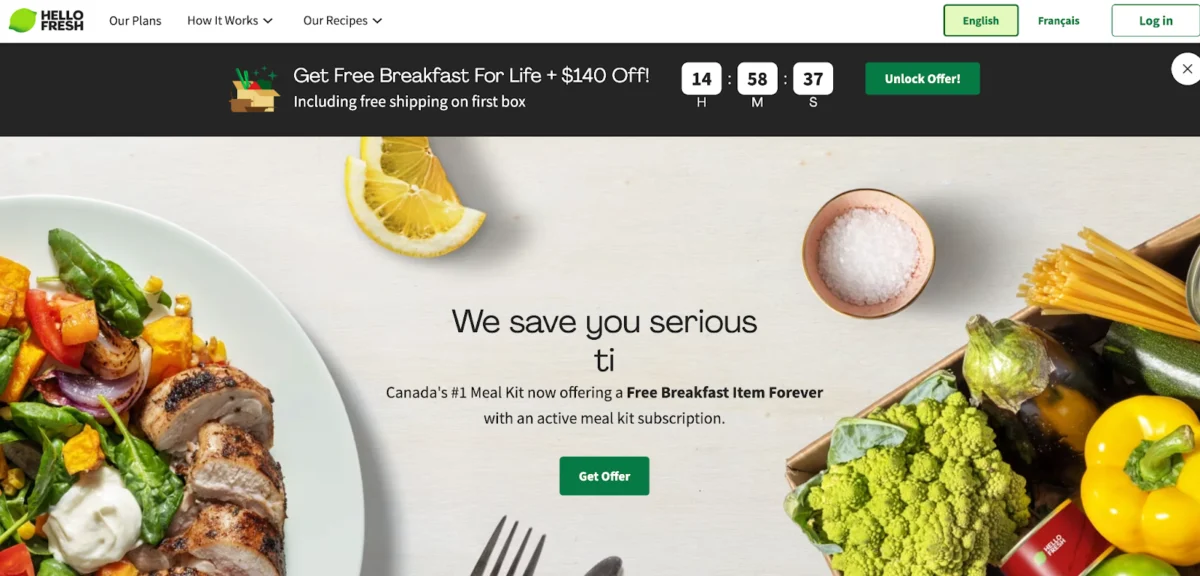
While often maligned, popups and sticky bars work if they offer genuine utility. A well-timed, non-intrusive sticky bar that promotes a whitepaper or a discount can capture the attention of a visitor who might otherwise leave your site without a trace.
6. Social Media Engagement
Social media is no longer just for brand awareness; it is a discovery engine. Whether you are using LinkedIn for B2B networking or TikTok for consumer-facing brand building, the goal is to drive your social audience back to a controlled environment—your landing page—where you can capture their data.
7. Pay-Per-Click (PPC) Advertising
PPC allows you to "buy" your way to the top of search results. By bidding on high-intent keywords, you ensure that your brand is the first thing a prospect sees when they have a problem to solve. When paired with an optimized landing page, this strategy provides the fastest path to lead volume.

8. Webinars and Live Masterclasses
Webinars are the gold standard for lead quality. Requiring a 30-to-60-minute time commitment from a prospect is a massive signal of intent. If they show up, they are genuinely interested in the problem you are solving, making them significantly warmer than someone who simply downloaded a checklist.
9. Referral Programs
Word-of-mouth is the most powerful marketing channel. By incentivizing your current, satisfied customers to refer their peers, you leverage the trust they have already established. A simple, well-structured referral program creates a self-sustaining loop of high-quality leads.
10. Influencer Partnerships
Influencer marketing has evolved beyond celebrity endorsements. Today, niche industry leaders—YouTube creators, newsletter writers, and LinkedIn voices—hold immense sway over specific audiences. Partnering with these voices provides instant credibility and access to pre-qualified communities.

11. Retargeting Campaigns
Most visitors won’t convert on their first visit. Retargeting ads keep your brand top-of-mind by displaying relevant messaging to users who have already engaged with your site. It is a vital tactic for "winning back" prospects who were close to converting but needed an extra nudge.
12. Free Trials and Demos
The "Costco strategy" of offering a sample works because it removes the risk. By giving prospects a taste of your software or service, you allow them to self-qualify. If they see the value during the trial period, the transition to a paying customer becomes a logical conclusion rather than a difficult sale.
13. Interactive Quizzes and Calculators
People love to learn about themselves. Interactive tools, such as "Which solution is right for you?" or "Calculate your ROI," turn the boring process of filling out a form into an engaging experience. These tools provide value to the user while yielding high-intent data for your sales team.

Implications for Future Growth
Lead generation is not a "set it and forget it" process. It requires rigorous, ongoing testing. As you implement these strategies, focus on the following:
- Consistency: The best lead gen machines are those that operate reliably day-in and day-out.
- Data-Driven Iteration: Use analytics to identify which channels provide the highest quality leads, not just the highest volume.
- Alignment: Ensure that your marketing team and sales team are working from the same definition of a "qualified lead."
By choosing a mix of the strategies above—starting with the ones that align best with your current capacity—you can build a scalable engine that fuels your business for years to come. Start by perfecting your landing pages, then layer in traffic-driving tactics. The path to growth is paved with clear, value-driven interactions; it is time to start building yours.