In the modern digital ecosystem, the sheer volume of data generated by social media platforms can be overwhelming. For marketing teams, the challenge is no longer about finding data—it is about filtering the noise to identify what truly matters. As we move through 2026, the distinction between a "metric" and a "Key Performance Indicator" (KPI) has become the defining factor between a social media presence that merely exists and one that drives tangible business growth.
The Core Distinction: Metrics vs. KPIs
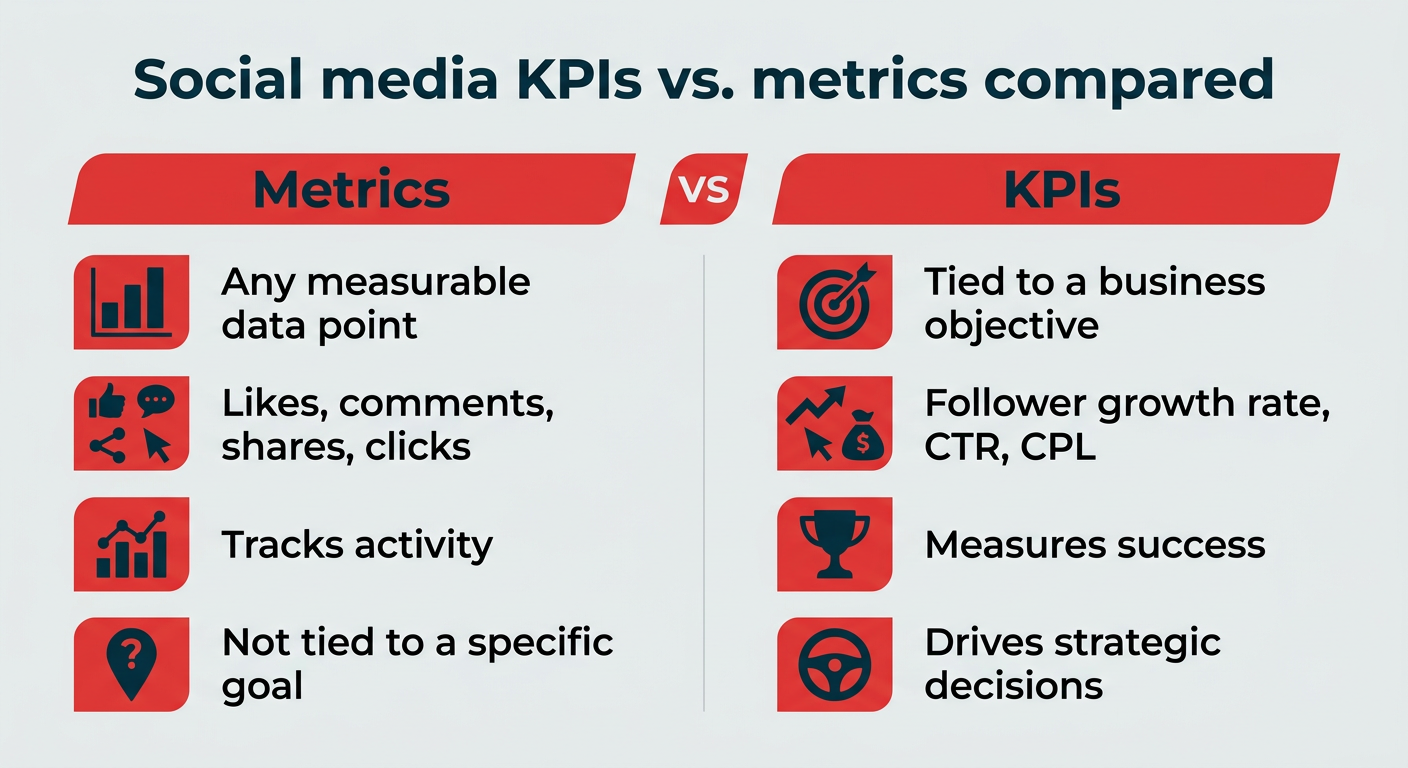
The fundamental error many organizations make is treating every data point as an indicator of success. A metric is simply any quantifiable measurement of your social media activity—such as total likes, follower counts, or post impressions. While these numbers provide a baseline for your digital health, they often function as "vanity metrics" that fail to reveal the actual impact on the bottom line.

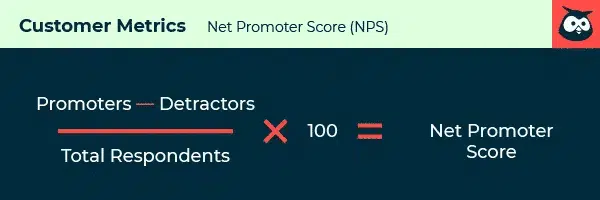
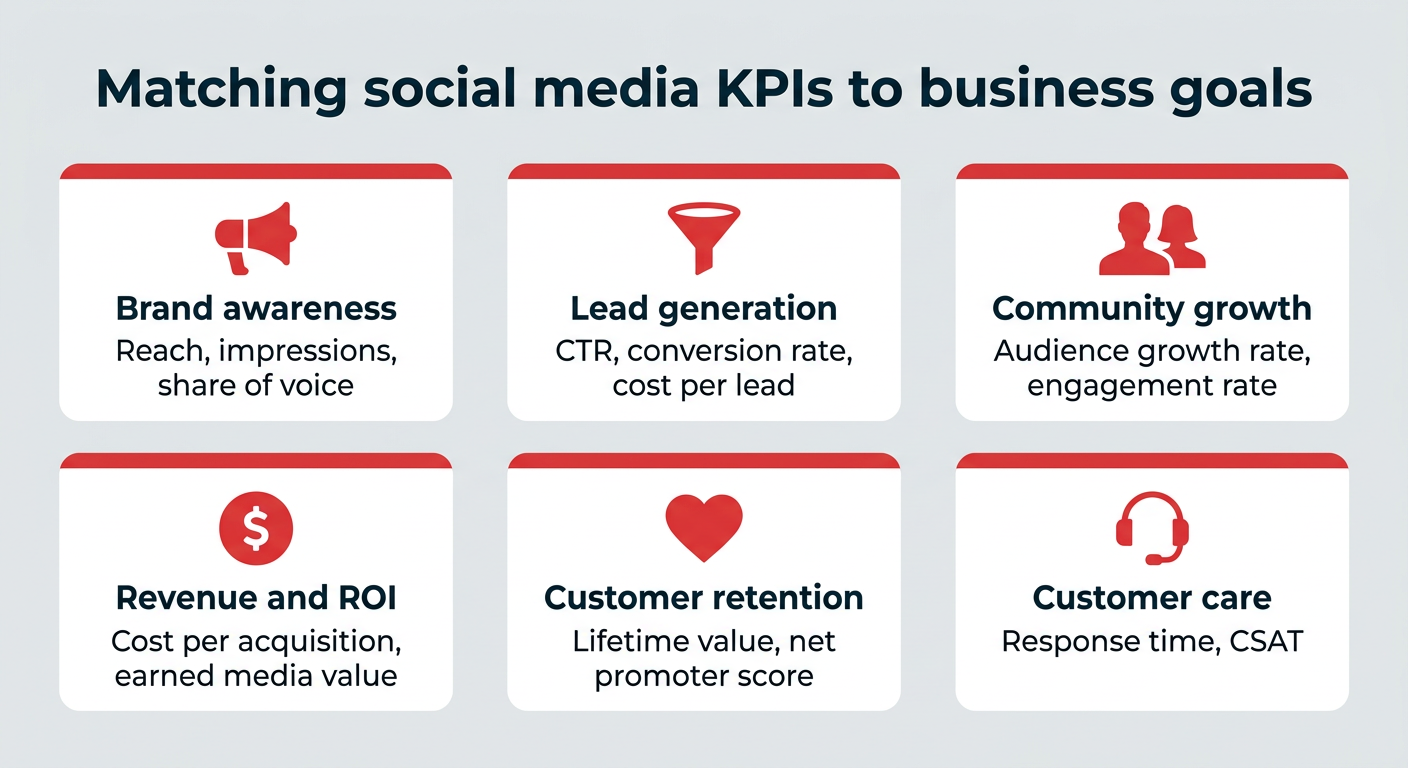
A KPI, by contrast, is a strategic barometer. It is a metric specifically chosen to measure progress toward a defined business objective. If your goal is to enhance customer loyalty, your KPI might be "Net Promoter Score" (NPS) or "Customer Lifetime Value" (CLV). If your goal is lead generation, the focus shifts to "Conversion Rate" or "Cost Per Lead." As the adage goes: All KPIs are metrics, but not all metrics are KPIs.
Chronology of Strategic Implementation
Successfully integrating KPIs into your workflow is a multi-stage process that requires alignment across the entire organization.

Phase 1: Objective Alignment
The process begins in the boardroom, not the dashboard. Before selecting KPIs, teams must define the overarching business strategy for the fiscal year. Whether the priority is market penetration, brand sentiment improvement, or direct revenue attribution, the social strategy must mirror these high-level objectives.
Phase 2: Benchmarking and Auditing
Once goals are established, teams must look outward. By conducting a competitive analysis and establishing industry benchmarks, marketers can determine what "good" looks like in their specific sector. Utilizing tools like Perch or native platform analytics allows teams to identify the gap between current performance and industry standards, providing the necessary context to set realistic, attainable targets.
Phase 3: The SMART Framework
KPIs must be subjected to the SMART framework: Specific, Measurable, Achievable, Relevant, and Time-bound. A vague goal like "increase engagement" is insufficient. A SMART KPI would be: "Increase the average engagement rate on LinkedIn by 1.5% over the next quarter by shifting our content mix toward video-first storytelling."
Supporting Data: Why KPIs Matter for Modern Brands
The necessity of rigorous KPI tracking is supported by the evolving landscape of social media. With over 5.75 billion users projected to be active on social networks globally in 2026, the competition for attention has reached a fever pitch.
Furthermore, the rise of social commerce—where an estimated 51% of U.S. buyers are expected to complete transactions directly on platforms like TikTok—has shifted the focus from "awareness" to "conversion." Advertisers are pouring over $121 billion into U.S. social networks this year, and for these investments to be justified to leadership, social media managers must move beyond surface-level reporting. They must prove that every dollar spent contributes to the organization’s pipeline, revenue, and long-term customer retention.
Categorizing KPIs for Impact
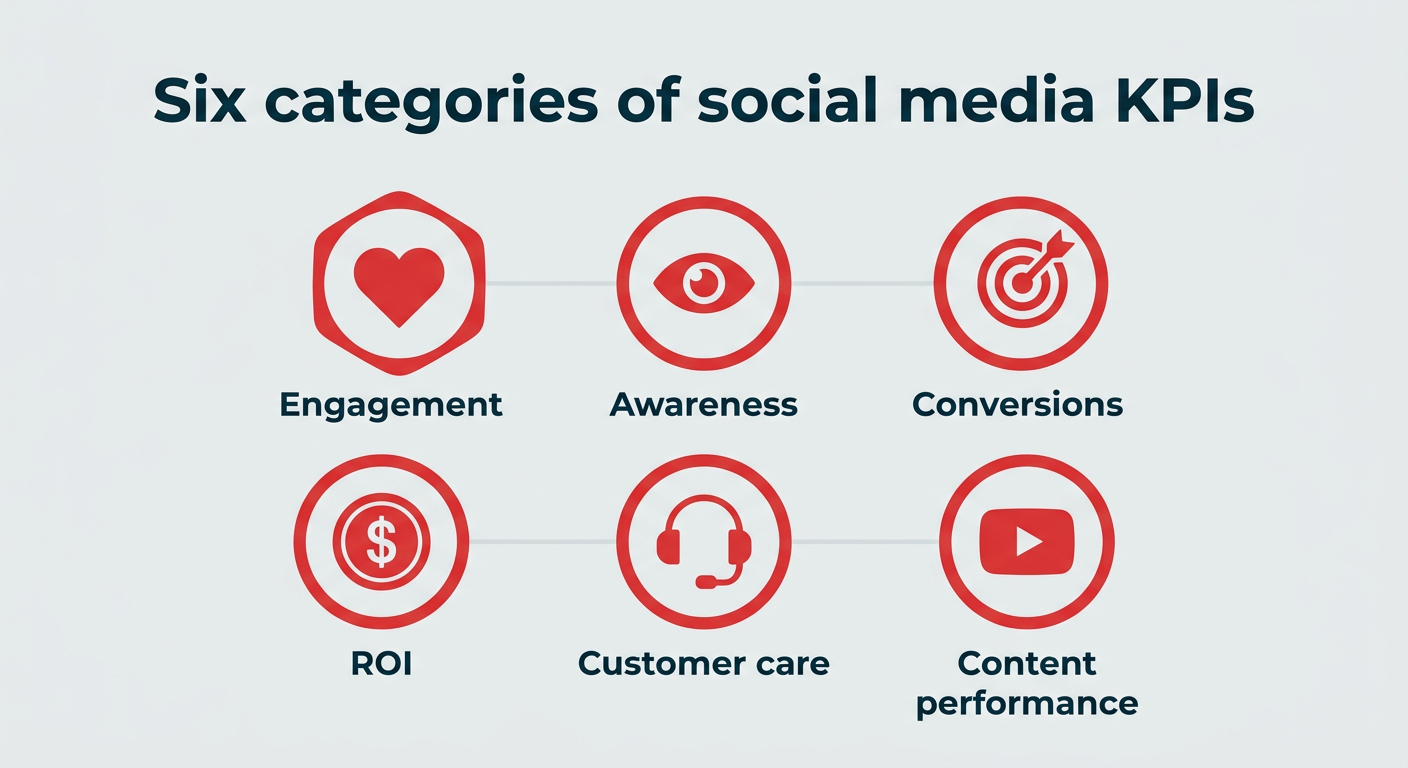
To maintain focus, experts recommend tracking three to five core KPIs per business objective. These fall into six primary categories:
1. Engagement KPIs
These metrics measure the depth of the relationship with your audience. Rather than focusing on passive likes, prioritize:
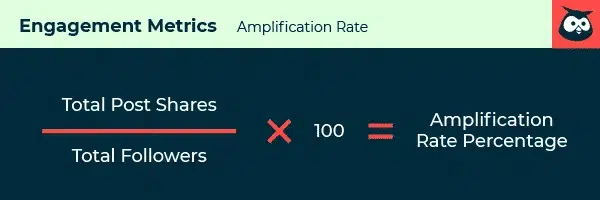
- Amplification Rate: The ratio of shares per post to the total number of followers.
- Average Engagement Rate: Providing a normalized view of how effectively your content resonates.
2. Awareness KPIs
Essential for brands launching new products or entering competitive markets.
- Social Share of Voice: Your brand’s presence in the industry conversation compared to competitors.
- Total Reach and Impressions: Quantifying the potential audience size.
3. Conversion KPIs
These connect the social sphere to the real-world outcome.
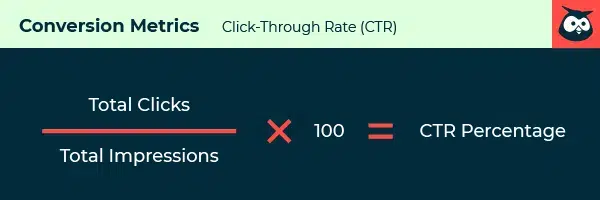
- Click-Through Rate (CTR): The efficiency of your call-to-action (CTA).
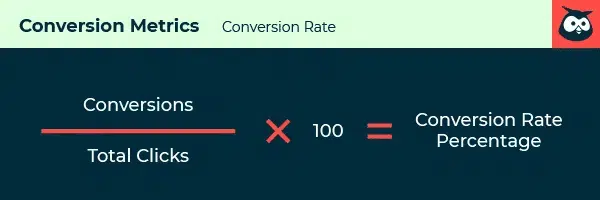
- Conversion Rate: The percentage of users who move from social platforms to a purchase or sign-up.
4. ROI KPIs
The ultimate metric for justifying marketing budgets.
- Cost Per Acquisition (CPA): How much you pay in advertising to gain a single customer.
- Earned Media Value: The estimated monetary value of the organic visibility your brand receives.
5. Customer Care KPIs
Crucial for maintaining brand reputation.
- Average Response Time: How quickly your team addresses inquiries.
- First Contact Resolution Rate: Measuring efficiency in solving problems without back-and-forth communication.
6. Content Performance KPIs
These help refine your creative strategy.
- Save Rate: A high-intent signal that your content provides lasting value.
- Completion Rate: Essential for long-form video, indicating how long you hold viewer attention.
Implications for Organizational Strategy
When KPIs are implemented correctly, they fundamentally alter the decision-making process. They allow marketing teams to pivot quickly when a campaign fails to gain traction, and they provide the data-backed confidence to double down on high-performing content types.
The Role of Leadership Reporting
Reporting to leadership is often the most critical hurdle for social media managers. Executives are rarely interested in the intricacies of a single viral tweet; they are interested in the "so what." Effective reports lead with the bottom line: How did these KPIs impact revenue, pipeline growth, or cost efficiency? Supporting metrics—such as follower growth or sentiment analysis—should be reserved for the appendix, serving as context rather than the main event.
The Dangers of "Vanity"
There is a persistent risk of prioritizing numbers that look impressive but lack strategic value. Vanity metrics (like raw view counts on a video that didn’t drive clicks) can lead to a false sense of success. By strictly adhering to the "business objective first" methodology, teams avoid the trap of optimization for the sake of optimization, ensuring that every effort aligns with the company’s broader mission.
Conclusion: The Path Forward
In 2026, the role of the social media strategist has evolved into that of a data-driven business partner. By moving away from a catch-all approach to data and focusing on a refined set of KPIs, teams can do more than just manage accounts—they can drive organizational success.
As you audit your current reporting processes, remember that KPIs are not static. They should be reviewed weekly for tactical adjustments, monthly for strategic course-correction, and quarterly to ensure they still reflect the evolving goals of your business. In an era where digital presence is synonymous with brand viability, the ability to translate social interactions into actionable business intelligence is the most valuable skill a marketer can possess.
Whether you are a startup looking to make your mark or an enterprise brand defending market share, the disciplined application of KPIs remains your most reliable compass in the complex, ever-changing landscape of social media marketing.