In the rapidly warming urban landscapes of the Global South, the narrative of climate change is often reduced to rising mercury levels and shifting weather patterns. However, in Johannesburg, South Africa’s largest metropolis, the true measure of climate danger is not found on a thermometer, but in the widening chasm of social inequality. Here, the risk of extreme heat is defined less by physical temperature than by a population’s "coping capacity"—a metric shaped by a century of systemic marginalization and a stubborn reliance on modern, yet maladaptive, building practices.
The Anatomy of Heat Vulnerability: More Than Just Degrees
Climate scientists often categorize heat risk through three interconnected dimensions: exposure, sensitivity, and adaptive capacity.
- Exposure refers to the degree and duration of heat stress, typically measured by land surface temperature (LST).
- Sensitivity measures the susceptibility of a population, accounting for age, underlying health conditions, and socio-economic status.
- Adaptive Capacity represents the ability of a community to recover from or mitigate heat stress, heavily dependent on infrastructure, such as electricity, water access, and the structural integrity of dwellings.
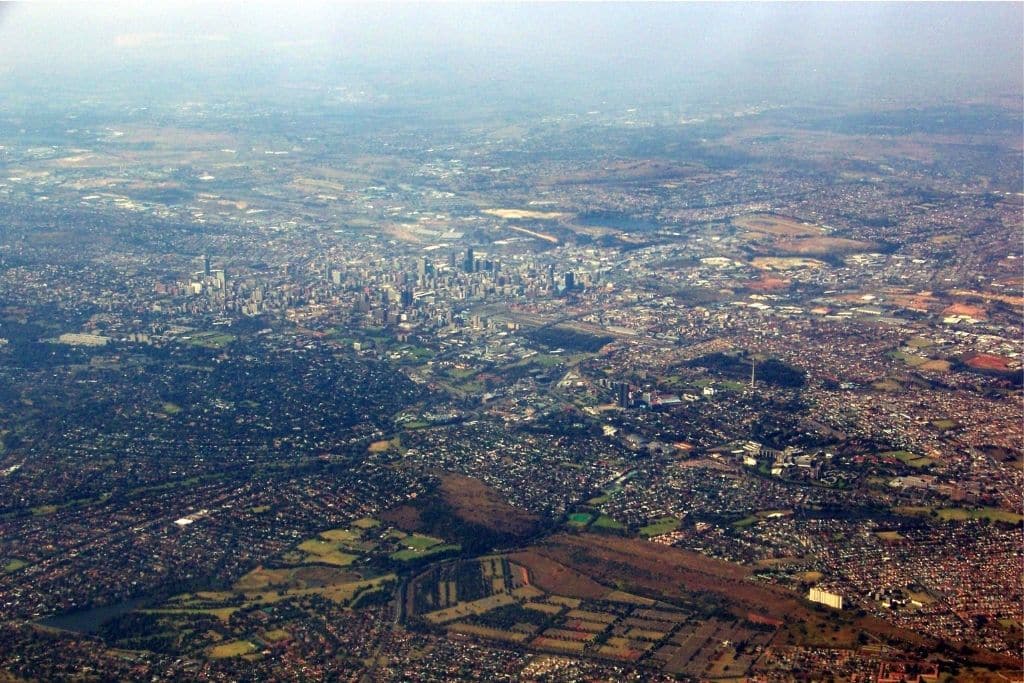
In Johannesburg, the physical reality is startling. While LST in the city varies only moderately—ranging from 24°C to 30.7°C during peak summer months—the vulnerability scores tell a different story. In the affluent, verdant northern suburbs, vulnerability scores hover as low as 0.23. Conversely, in the densely populated, impoverished southern townships, these scores spike to 0.78. The data confirms that while the sun shines on all of Johannesburg equally, its impact is filtered through the lens of privilege and neglect.
A Chronology of Exclusion: From Apartheid Planning to Climate Injustice
The current geographical distribution of heat risk in Johannesburg is not a natural phenomenon; it is a legacy of apartheid-era urban planning.
1948–1994: The Spatial Engineering of Inequality
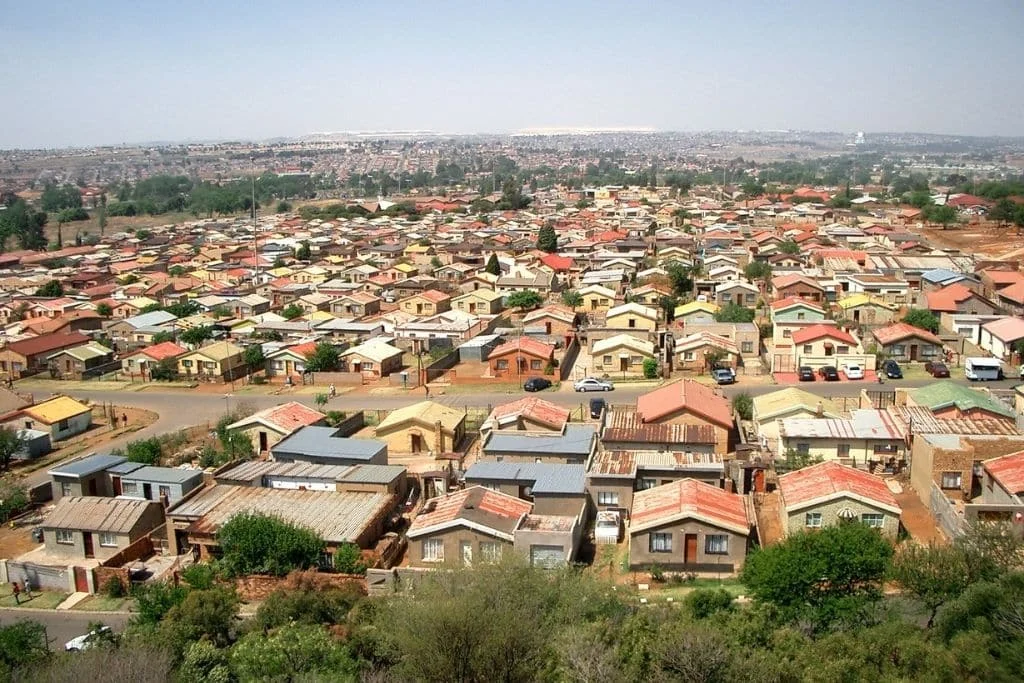
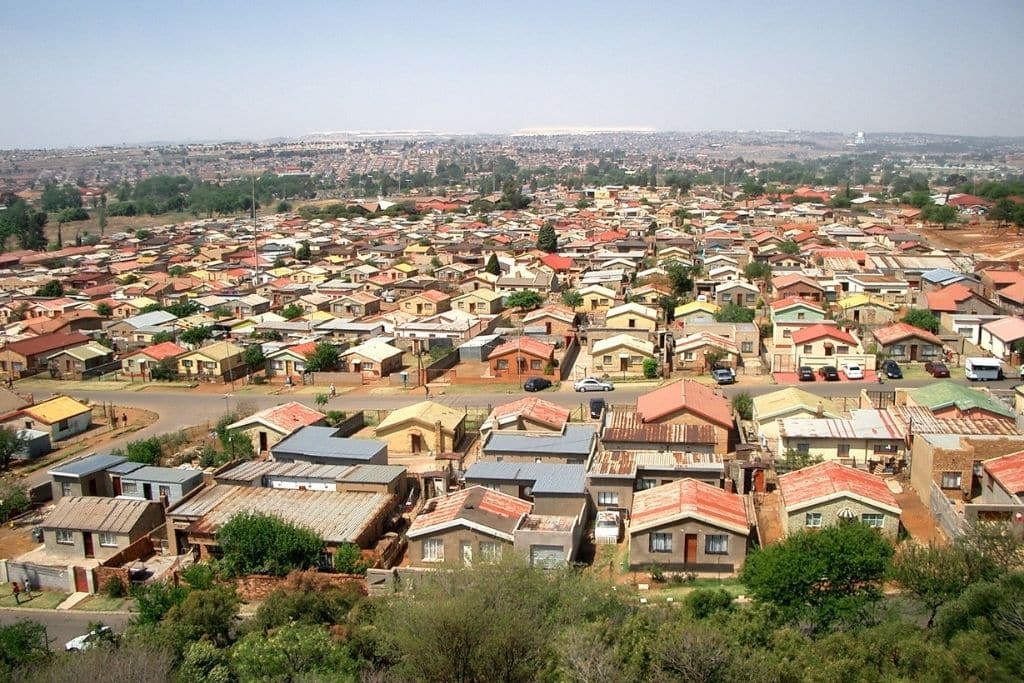
During the apartheid era, urban design was weaponized to isolate Black populations. Through forced removals, the regime established townships on the urban periphery—often in low-lying, poorly drained, or downwind areas near industrial zones. These areas were intentionally designed with minimal green space and high-density, low-quality housing, creating "urban heat islands" that persist to this day.
2010–2016: The Warning Signs
As climate change accelerated, the city began to witness sharper temperature spikes. In 2016, Johannesburg recorded a record peak of 38°C. Scientists and urban planners began to notice that while the city-wide temperature was rising, the mortality and morbidity rates during heatwaves were disproportionately concentrated in the townships.
2020–2025: The Rise of Citizen Mapping and Scientific Inquiry
Recent years have seen a surge in research, including the 2025 Heat Vulnerability Index (HVI) study. By synthesizing 22 distinct variables—ranging from satellite-derived temperature data to household income and proximity to clinics—researchers mapped the profound disparity between the leafy, cool northern suburbs and the heat-stressed, concrete-heavy southern townships.
Supporting Data: The Hidden Indoor Crisis
The most critical revelation from recent studies is the inadequacy of the "outdoor temperature" metric. While satellite imagery might show a modest difference between neighborhoods, the indoor experience is vastly different.
A 2017 study tracking indoor temperatures in Johannesburg found that government-subsidized RDP (Reconstruction and Development Programme) homes and informal shacks often run 4°C to 5°C hotter than the ambient outdoor temperature. In some informal settlements, indoor temperature swings reached a staggering 14°C, turning living spaces into thermal traps.
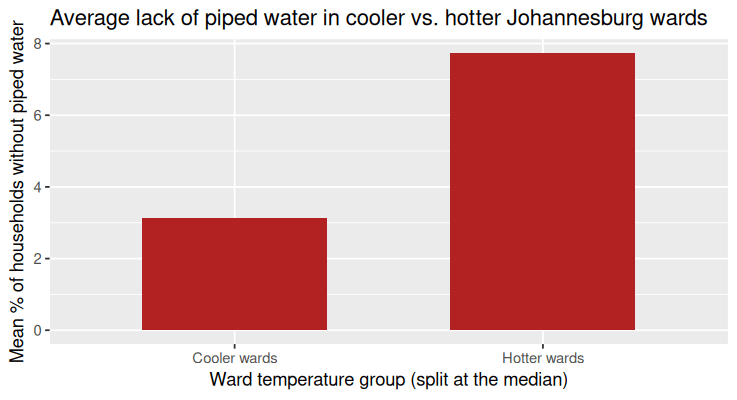
Furthermore, Figure 1 (based on recent urban data) demonstrates a direct correlation between heat vulnerability and basic infrastructure. Wards with the highest HVI scores are consistently those with the lowest access to piped water. Without water for cooling, hydration, or ventilation, residents in these areas are essentially trapped in a heat-stress cycle with no mechanical or physiological relief.

The Epistemic Injustice: Why Modern Architecture Fails
A central pillar of this crisis is what researchers term "epistemic injustice"—the systemic dismissal of traditional, climate-resilient African architectural knowledge in favor of Western-style, concrete-heavy construction.
Modern low-cost urban housing in South Africa frequently utilizes materials that possess poor thermal properties. Concrete and corrugated iron absorb heat throughout the day and release it into the home long after the sun has set. This results in nocturnal heat stress, preventing the body from recovering from daytime exposure.
The Case for Vernacular Resilience
By contrast, traditional Sub-Saharan building practices provide a blueprint for modern survival. Buildings constructed from stone, clay, and thatch utilize "high thermal mass." These materials naturally regulate indoor temperatures by absorbing heat slowly during the day and radiating it out only when the air cools at night.
In the Eastern Cape, traditional Xhosa earth-and-stone dwellings have been shown to maintain indoor temperature fluctuations of just 4.3°C, compared to the 20°C swings seen in modern concrete public housing. These structures are not only more comfortable but also carry a significantly lower carbon footprint and are often cheaper to construct.
Official Responses and Policy Failures
Despite the overwhelming evidence that modern building materials are failing the poorest, the government response has been largely sluggish.
Current South African building codes remain heavily influenced by colonial-era standards that prioritize industrial materials over traditional ones. These outdated regulations create significant institutional barriers, making it nearly impossible for developers to secure financing or building permits for earthen-based projects.
Furthermore, decades of marginalization have fostered a stigma: many residents have been conditioned to view traditional building techniques as "primitive" or "temporary." This cultural barrier, combined with a lack of policy support for sustainable, vernacular architecture, means that the cycle of building heat-trapping homes continues unabated.
Implications: The Path Toward Climate Justice
If Johannesburg is to survive the projected temperature increases of 2.5°C to 5.9°C by the end of the century, the city must shift its focus.
1. From Superficial Greening to Structural Retrofitting
Urban greening—planting trees and creating parks—is a valuable start, but it is insufficient for the millions living in dense, poorly ventilated homes. Policymakers must pivot toward retrofitting existing low-cost housing with thermal insulation and passive cooling techniques.
2. Legalizing Vernacular Innovation
The Department of Human Settlements must update building codes to recognize the structural validity of modern earthen construction. By integrating natural fibers, lime, and stabilized earth into national building standards, the government could catalyze a shift toward affordable, climate-resilient, and culturally appropriate housing.
3. Addressing the Infrastructure Gap
Adaptive capacity is fundamentally tied to basic services. Providing consistent, reliable access to water and electricity is not just a matter of municipal service delivery; it is a life-saving climate adaptation strategy.
4. Acknowledging the Human Right to Cool
Ultimately, the Johannesburg case study highlights that heat is an equity issue. Climate justice in South Africa requires acknowledging that the most vulnerable residents are not just victims of the weather, but of a structural system that has failed to provide them with the basic shelter required to survive a changing climate.
As urban centers continue to expand, the lesson from Johannesburg is clear: unless we dismantle the architectural and social structures that force the poor to live in "heat traps," the next generation of urban development will only serve to deepen the divide between those who can afford to keep cool and those who are forced to suffer in the heat. True resilience requires reclaiming the wisdom of the past to solve the urgent, escalating crises of the future.