In the high-stakes world of global supply chains and corporate procurement, a quiet crisis is brewing. While artificial intelligence (AI) has dominated boardroom agendas for the past eighteen months, the procurement function remains caught in a state of professional cognitive dissonance. Chief Procurement Officers (CPOs) are currently facing a binary choice: proactively orchestrate the digital transformation of their departments or resign themselves to being the subjects of an external disruption they failed to govern.
It is rare to find a senior procurement executive willing to openly critique their peers’ collective inaction. However, recent industry discourse suggests that beneath the polished veneer of "digital strategy" presentations lies a pervasive culture of fear, paralysis, and strategic hesitation. As the industry gathers for the Tomorrow’s Procurement Leader 2026 summit in Austin, Texas, the message from the front lines is clear: the era of "wait and see" is over.
The Anatomy of Paralysis: Why CPOs Are Hesitating
The skepticism surrounding AI adoption in procurement is not necessarily born of ignorance, but rather a complex cocktail of historical baggage and existential dread. According to industry insiders, the reluctance to fully integrate AI into core operations stems from four primary dynamics.
1. The Existential Threat to Human Capital
At the most granular level, there is an instinctive, human paranoia regarding job displacement. Procurement has long been viewed as a function reliant on human intuition, relationship management, and complex negotiation—traits historically deemed "AI-proof." As generative AI models demonstrate capabilities in contract redlining, spend analysis, and supplier risk assessment, the narrative has shifted. For many middle-management professionals, AI is not viewed as a tool to augment productivity, but as a precursor to redundancy.
2. The Ghost of Tech Projects Past
The procurement function has been burned before. The industry is littered with the wreckage of over-promised and under-delivered ERP (Enterprise Resource Planning) migrations and massive, multi-year digital transformation projects that failed to yield the promised ROI. CFOs, burned by previous "silver bullet" technology investments, are now deeply skeptical of AI funding requests. This has relegated procurement AI initiatives to the bottom of the capital expenditure (CapEx) priority list.
3. The Cost of Complexity
The financial barriers to entry are also evolving in unpredictable ways. The token costs of deploying advanced AI models—especially those requiring secure, private data environments—are spiraling. When leaders cannot definitively map an AI pilot to a specific, short-term reduction in bottom-line costs, securing executive buy-in becomes a Sisyphean task.
4. The Search for the "Big Box" Solution
Finally, there is a persistent, misplaced belief that a single, monolithic software suite exists that will solve every procurement ailment. This "Big Box" mentality prevents leaders from adopting modular, agile AI tools. Instead of starting small and scaling, departments wait for the perfect, comprehensive solution, effectively guaranteeing that they never start at all.
A Chronology of the AI Awakening
To understand how the industry reached this point of stagnation, one must look at the recent evolution of digital procurement.
- 2020–2022: The Pandemic Pivot. The focus was on resilience and visibility. Digitization was driven by necessity—simply keeping supply chains running. AI remained largely in the realm of experimental predictive analytics.
- 2023: The Generative AI Explosion. The arrival of ChatGPT and large language models (LLMs) forced procurement leaders to confront a new reality. The conversation shifted from "Can we use data?" to "Can this machine negotiate better than a human?"
- 2024: The Year of Pilot Fatigue. Many organizations launched "AI labs" or pilot programs. While some saw success, many failed due to poor data hygiene and a lack of clear integration into the procurement workflow.
- 2025: The Reality Check. As seen at the World Procurement Congress 2025, the narrative shifted from experimentation to implementation. Leaders began to acknowledge that the "wait and see" approach was becoming a competitive liability.
- 2026: The Strategic Imperative. As the Tomorrow’s Procurement Leader 2026 conference kicks off in Austin, the industry is moving into a phase where AI adoption is no longer a "nice-to-have" innovation project—it is a baseline requirement for professional survival.
Supporting Data and Strategic Reality
While the skepticism is understandable, the data tells a different story. Organizations that have successfully integrated AI into procurement—often through smaller, iterative deployments—have reported significant improvements in contract cycle times, compliance, and tail-spend management.
Industry research indicates that procurement functions that automate repetitive administrative tasks (which currently consume up to 60% of a buyer’s day) see a 30% increase in the time spent on strategic supplier relationship management. Yet, despite these metrics, adoption remains fragmented. The barrier is not technological capability; it is organizational culture.
Official Responses: The Call to Action
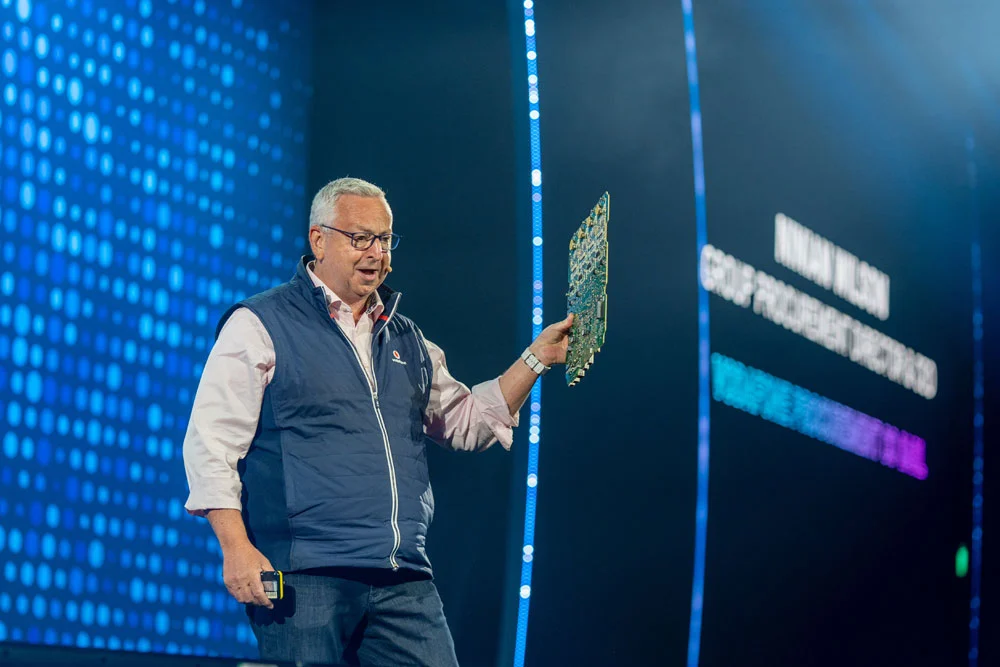
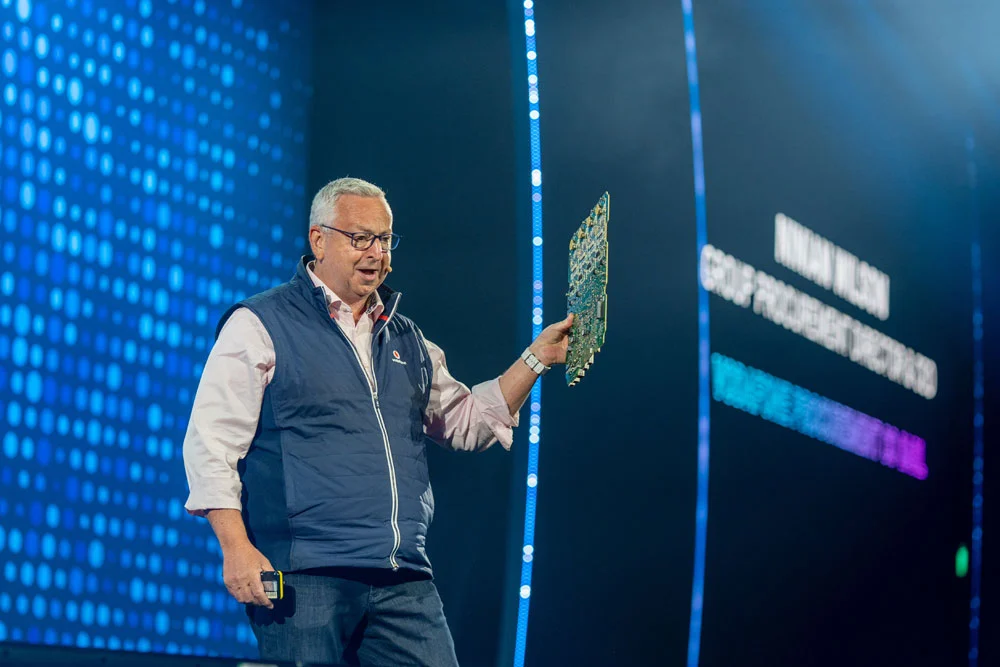
The discourse reached a boiling point at the World Procurement Congress 2025, where Vodafone CPO Ninian Wilson delivered a blunt message to his peers. Wilson, a veteran leader in the space, framed the adoption of AI not as an elective innovation, but as a defensive necessity.
"Adopt AI and bring it in," Wilson stated. "I encourage you all to seize the opportunity, seize the day and don’t sit and wait, because you either do it to yourselves or it gets done to you."
This perspective highlights the shift in the power dynamic. If procurement leaders do not define the role of AI within their departments—by creating guardrails, ethical frameworks, and clear objectives—then IT departments, external consultants, or executive leadership will impose those models from the top down, often without regard for the nuances of procurement workflows.
The Implications: What Happens Next?
The implications of continued inaction are severe. A procurement department that hides its head in the sand will not simply remain static; it will regress. As competitors leverage AI to achieve superior cost structures, faster cycle times, and better risk mitigation, the "traditional" procurement function will find itself increasingly marginalized.
The Path Forward: From Fear to Facilitation
For the CPOs gathering in Austin, the strategy for the coming year must focus on three core pillars:
- De-mystifying the Technology: Leaders must translate AI from an abstract, threatening concept into a practical tool that augments the human workforce. This involves transparency about how AI will change roles, rather than threatening the existence of those roles.
- Modular Deployment: Abandon the search for the "Big Box." Focus on small, high-impact use cases—such as automated invoice processing or AI-driven market intelligence—that prove ROI quickly.
- Governance as a Competitive Advantage: By setting the standards for how AI is used in their function, procurement leaders can position themselves as the architects of the new corporate operating model, rather than passive recipients of a digital overhaul.
Conclusion: The Austin Mandate
As the community convenes in Austin, Texas, for Tomorrow’s Procurement Leader 2026, the atmosphere is one of transition. With speakers representing industry titans like Flex, Clorox, Meta, and Cisco, the event serves as a crucible for new ideas.
The overarching theme of the conference is not merely technology; it is leadership. Technology is the catalyst, but leadership is the engine of change. The CPOs who leave Austin with the most success will be those who have moved past the "fear and paralysis" stage. They will be the ones who have accepted that the future of procurement is an AI-augmented one, and who have decided that if they are to be disrupted, they will be the ones holding the hammer.
The warning remains: The function is either going to evolve through the deliberate, strategic choices of its leaders, or it will be dismantled by the inevitable march of efficiency. In 2026, the cost of inaction is no longer just a missed opportunity—it is the loss of the function’s relevance in the modern enterprise.