In the rapidly evolving landscape of global enterprise, few functions are as strategically poised—yet as temperamentally conflicted—as procurement. As artificial intelligence transitions from a speculative buzzword to an operational necessity, a stark divide is emerging within the C-suite. On one side are the visionaries who view AI as the ultimate lever for efficiency and value creation; on the other are those paralyzed by the inertia of tradition, skepticism, and institutional fear.
The message from the vanguard is unambiguous: the era of passive observation is over. For modern Chief Procurement Officers (CPOs), the choice is binary. You will either harness the transformative power of AI to drive systemic change, or you will eventually find that change has been imposed upon you by external forces.
The State of the Function: A Crisis of Confidence
It is an anomaly to encounter a CPO who openly critiques their own profession’s lack of urgency. In standard industry discourse, discussions typically revolve around "getting started," "optimizing returns," or "future-proofing the operating model." However, a growing undercurrent of frustration has surfaced, with some leaders pointing a finger directly at the cultural malaise infecting the procurement function.
One prominent CPO, speaking on condition of anonymity to provide a candid assessment, described the prevailing sentiment among their peers as one of "head-in-the-sand" denial. According to this leader, the culture is currently defined by a pervasive sense of fear—a paralyzing hesitation that prevents the function from asserting its relevance in the digital age.
This is not merely a technical delay; it is a fundamental leadership crisis. When the stewards of enterprise spend are too frightened to engage with the tools that could define the next decade of business, they cede their seat at the table.
Chronology of Resistance: Why Procurement Hesitates
To understand why procurement remains locked in a state of hesitation, one must examine the confluence of historical and economic factors that have created this "perfect storm" of inertia.
1. The Shadow of Job Insecurity
At the heart of the fear lies the existential question of human labor. AI is perceived, quite rightly, as a technology capable of automating high-volume, repetitive tasks—the very bread and butter of traditional procurement departments. This has triggered an instinctive paranoia among staff and leadership alike, who fear that "procurement transformation" is merely a polite euphemism for downsizing.
2. The Legacy of "Broken" Tech Rollouts
Procurement functions have long memories, particularly when it comes to failed software implementations. Many CPOs are still nursing the wounds of expensive, multi-year ERP and e-sourcing projects that promised the moon but delivered marginal returns. CFOs, having been burned by these legacy investments, have grown increasingly skeptical, relegating procurement to a lower rung on the priority list for capital expenditure.
3. Escalating Costs and Complexity
As the barrier to entry for high-end AI models rises, so do the costs. Token usage fees, cloud infrastructure requirements, and the need for specialized talent are creating a financial hurdle that many departments are ill-equipped to clear.
4. The "Silver Bullet" Fallacy
Perhaps most damaging is the persistent belief that a single, "big box" software solution exists that can solve every procurement headache. This search for a panacea often leads to analysis paralysis, where teams wait for the perfect, all-encompassing tool rather than building an iterative, modular AI strategy.
Supporting Data: The Case for Urgent Action
While the cultural resistance is palpable, the data suggests that those waiting for the "perfect moment" to adopt AI are significantly eroding their competitive advantage. Industry studies consistently show that organizations leveraging AI-driven procurement tools achieve a 15–20% reduction in procurement cycle times and a significant improvement in spend visibility.
Furthermore, the "cost of inaction" is becoming quantifiable. Beyond the missed efficiency gains, firms that lag in AI adoption are finding it harder to attract top-tier talent. The next generation of supply chain professionals is drawn to companies that utilize advanced analytics and generative AI, not those that rely on archaic, manual processes.
Official Responses: The Call to Arms
The critique of the current state of procurement is brutal, but it serves as a necessary wake-up call. The conversation is echoing across the highest echelons of global supply chain management.
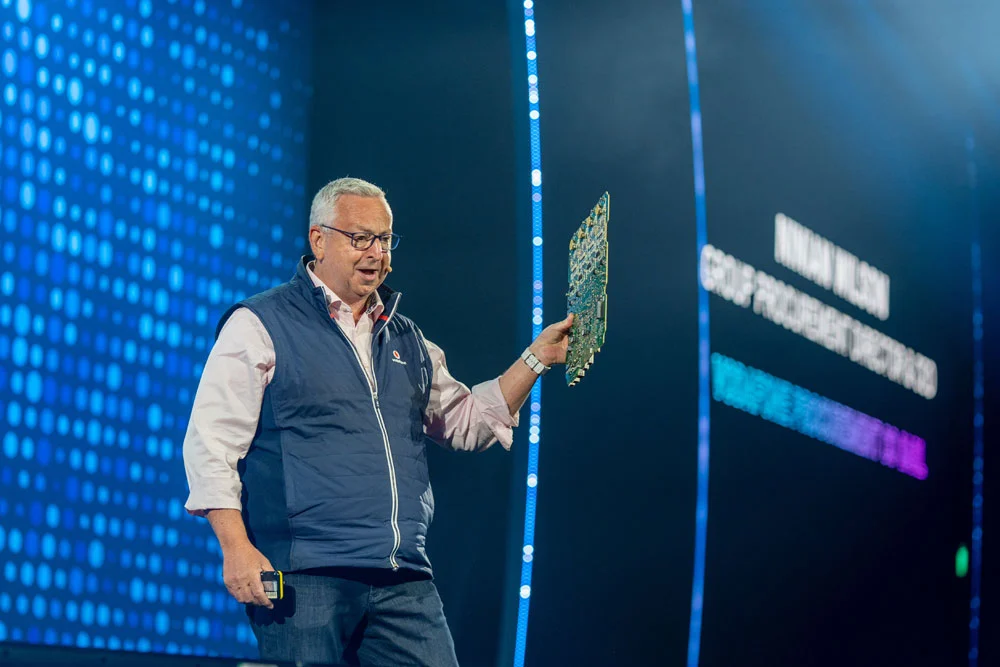
Ninian Wilson, CPO at Vodafone, provided a clarion call to action during his address at the World Procurement Congress 2025. His perspective is rooted in the reality of market survival. "Adopt AI and bring it in," Wilson urged the assembled delegates. "I encourage you all to seize the opportunity, seize the day and don’t sit and wait, because you either do it to yourselves or it gets done to you."
Wilson’s sentiment is a rejection of the victimhood that characterizes much of the current debate. By framing AI adoption as an act of agency, he shifts the narrative from "What will happen to us?" to "What will we create?"
Implications for the Future: Tomorrow’s Procurement Leader
As we look toward the future, the implications of this divide are clear. The procurement functions that thrive will be those that view AI not as a replacement for human intellect, but as an augmentation of it.
The Shift Toward Strategic Partnering
The primary goal of AI integration should not be the simple reduction of headcount, but the elevation of the procurement professional. By automating the mundane, procurement teams can shift their focus to higher-value activities: complex supplier negotiations, risk mitigation, sustainability initiatives, and collaborative innovation with vendors.
The Need for Modular Agility
Rather than waiting for a single, monolithic solution, successful leaders are adopting a "test and learn" approach. This involves deploying smaller, AI-enabled pilot programs that address specific pain points—such as contract analysis, invoice reconciliation, or predictive demand forecasting—before scaling them enterprise-wide. This minimizes financial risk and builds internal buy-in.
Redefining the CPO Role
The CPO of 2026 and beyond must be as much a technologist as they are a negotiator. The ability to navigate the complexities of AI ethics, data privacy, and vendor management within the AI ecosystem will become a core competency of the function.
Powering the Future: Gathering in Austin
The industry’s path forward will be a central theme at Tomorrow’s Procurement Leader 2026, taking place in Austin, Texas. The gathering serves as a critical forum for leaders from organizations such as Flex, Clorox, Meta, and Cisco to share strategies for overcoming the psychological and structural barriers to AI adoption.
For those in attendance, the goal is to bridge the gap between the fear-driven status quo and the innovation-led future. As the community convenes, the challenge remains: to leave the "head-in-the-sand" mentality behind and embrace the reality that the future of procurement will be written by those who dare to define it.
Conclusion: The Choice is Yours
The procurement function stands at a crossroads. The fear of job displacement, the skepticism of CFOs, and the frustration of legacy tech failures are all valid concerns, but they are not justifications for stagnation.
In a world where speed and intelligence are the primary currencies, the "wait and see" approach is effectively a decision to exit the race. The leaders who choose to seize the opportunity, experiment with courage, and integrate AI into their operational core will not only survive the transition—they will define the next generation of global procurement.
The technology is here. The necessity is proven. The only variable remaining is the resolve of the leader. As Ninian Wilson succinctly put it: do it to yourselves, or it will be done to you. The choice, and the responsibility, rest entirely with you.