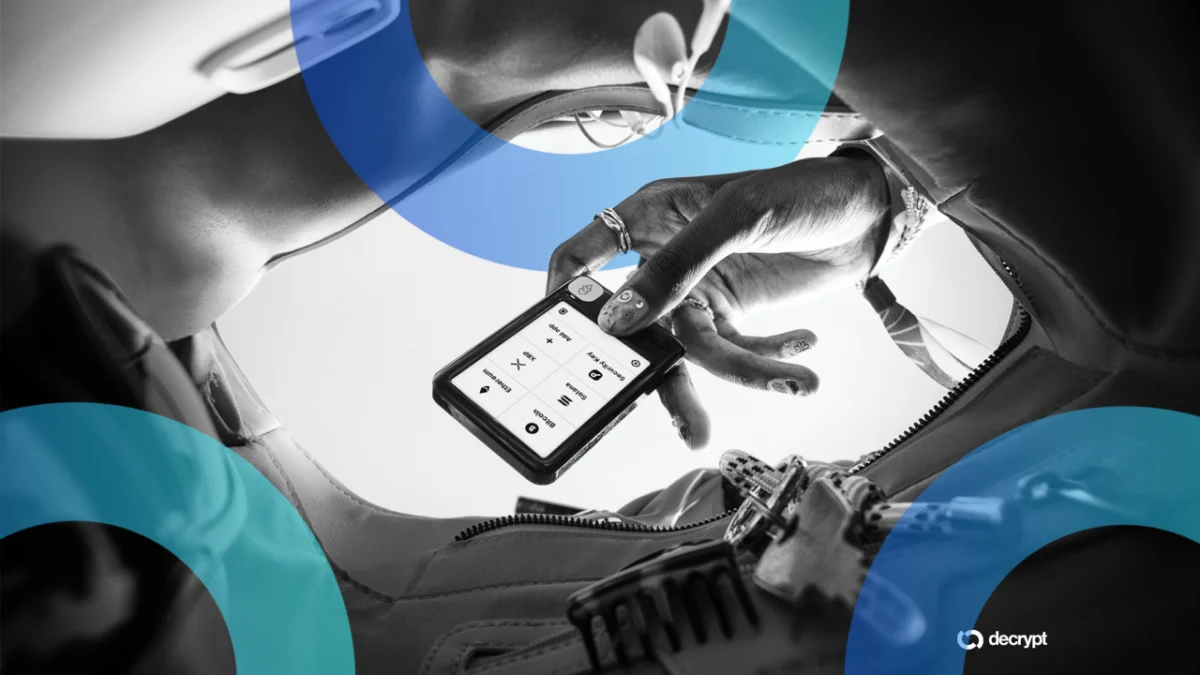
In a development that has sent shockwaves through the cryptocurrency community, hardware wallet giant Ledger has issued an urgent security warning to its customers. The Paris-based company is currently investigating a string of sophisticated theft reports involving users in Southeast Asia who purchased their devices through an authorized reseller, CryptoBilis.
The security breach, which potentially involves losses exceeding $86 million, serves as a stark reminder of the risks associated with the hardware wallet supply chain and the critical importance of secure procurement practices.
The Core Incident: A Compromised Supply Chain?
The situation began to unfold on Friday, October 9, 2026, when reports surfaced on social media platforms including X (formerly Twitter) and Reddit, indicating that users who had recently acquired Ledger devices were seeing their crypto assets drained shortly after initialization.
Ledger, the world’s leading manufacturer of cold storage hardware, responded rapidly to the growing outcry. In an official statement posted to its support account, the company confirmed it was launching a formal investigation into the matter. As a primary precautionary measure, Ledger has formally requested that CryptoBilis immediately suspend all sales and shipments of their hardware products pending the outcome of a comprehensive security audit.
Hardware wallets, often touted as the "gold standard" for self-custody, are designed to keep private keys entirely offline. However, the integrity of the device is paramount. If a device is compromised—either through hardware tampering or by being pre-configured with a recovery phrase already known to a malicious actor—the fundamental promise of cold storage is shattered. While Ledger has not yet confirmed a specific point of failure or an explicit method of tampering, the pattern of losses suggests a high-level supply chain attack.
Chronology of the Crisis
The unfolding events have been rapid, causing significant distress to those affected.
- Early October 2026: Users begin reporting that their newly purchased Ledger devices are being "drained" of funds shortly after they are set up and funded.
- October 9, 2026: The scale of the issue becomes apparent as reports aggregate on social media. Ledger issues a public advisory, identifying the reseller CryptoBilis as the common denominator.
- October 9, 2026 (Afternoon): Independent blockchain investigator "Specter" releases preliminary data, tracing multiple theft addresses to a massive haul of stolen assets, providing a clearer picture of the financial damage.
- October 9, 2026 (Evening): Ledger instructs all customers who purchased devices from the reseller within the last 90 days to cease all activity and avoid initializing the hardware.
Analyzing the Data: $86 Million at Risk
The financial impact of this incident is staggering. Independent researcher Specter, who meticulously traced the movement of funds from hundreds of victim wallets, estimates the total losses to be in excess of $86 million.
Using sophisticated blockchain analytics tools, including data provided by Arkham Intelligence, Specter identified specific "theft addresses" that have acted as collection points for the stolen funds. The composition of the stolen assets is highly diversified, reflecting the broad usage of Ledger devices across the crypto ecosystem:
- Ethereum (ETH): Approximately $42 million.
- Bitcoin (BTC): Approximately $17.6 million.
- Tether (USDT): Approximately $16.5 million.
While these figures are based on independent blockchain analysis and have not been independently verified or confirmed by Ledger, the sheer volume of funds associated with these suspicious addresses highlights the severity of the breach. It remains unclear if every single reported theft is directly attributable to the CryptoBilis reseller or if a broader campaign of sophisticated phishing and supply chain exploitation is occurring simultaneously.
Official Responses and Remediation
Ledger’s response has been direct and proactive regarding user safety. The company has urged anyone who purchased a device from the affected reseller within the last 90 days to take the following actions:
- Do Not Initialize: If the device is still in its packaging, do not set it up.
- Immediate Asset Migration: For users who have already initialized their devices, Ledger recommends treating the device as permanently compromised. Users should immediately move all assets to a new, securely sourced Ledger device or a fresh wallet environment, ensuring the generation of an entirely new, verified seed phrase.
The "seed phrase" (or recovery phrase) is the master key to a wallet. If a reseller or an attacker has already generated this phrase for the user, they effectively possess full, unfettered access to the wallet’s contents. By creating a new wallet, users generate a fresh set of private keys that have never been exposed to the potentially compromised hardware.
Industry Implications: A "Brutal" Year for Security
This incident occurs within a broader, increasingly volatile landscape of cryptocurrency security. The year 2026 has been particularly punishing for institutional and retail security alike.
Only last month, the industry was rocked by a massive $387 million hack involving the crypto exchange Bitget. Investigators, including firms like Chainalysis and Elliptic, have linked the activity to state-sponsored actors from North Korea. This follows a long, concerning trend of North Korean cyber-operatives infiltrating high-profile targets, such as the Solana-based exchange Drift, which suffered a $285 million exploit following a six-month period of silent infiltration.
The recurring nature of these hacks has forced a re-evaluation of security protocols across the board. Rival hardware manufacturer Trezor has also faced its own share of scrutiny, dealing with a breach of its email systems last month and previous exposure of customer shipping data.
For the hardware wallet market, the implications are profound. Trust is the fundamental currency of the industry. When a manufacturer’s authorized reseller network is compromised, it calls into question the entire distribution model. Consumers are now forced to consider whether buying directly from the manufacturer’s official website is the only way to ensure the physical security of their digital assets.
Protecting Your Assets: Best Practices
As the investigation into the CryptoBilis incident continues, the broader crypto community is emphasizing the importance of "defense-in-depth" strategies. Even with a hardware wallet, users are encouraged to follow these rigorous security standards:
- Direct Sourcing: Always purchase hardware wallets directly from the manufacturer’s official online store. Avoid third-party marketplaces (like Amazon, eBay, or smaller regional resellers) where the chain of custody cannot be verified.
- Verification Protocols: When a device arrives, check for physical signs of tampering. Use the manufacturer’s official software to verify the device’s authenticity upon first connection.
- Seed Phrase Hygiene: Never enter a seed phrase into a computer or phone. Treat it as a secret that should only ever exist in physical, offline form.
- Diversification: For high-net-worth individuals, spreading assets across multiple hardware wallets and storage methods—rather than keeping everything on a single device—reduces the impact of a single point of failure.
Conclusion
The Ledger-CryptoBilis incident serves as a sobering reminder that while hardware wallets remain the most effective tool for protecting digital wealth, they are not immune to the vulnerabilities of the real world. As investigators continue to unravel the scope of the $86 million theft, the incident will likely prompt a significant shift in how hardware wallet manufacturers vet their global retail partners.
For now, the message from Ledger is clear: exercise extreme caution, prioritize security over convenience, and when in doubt, default to the safest possible storage path. As the crypto industry continues to mature, the resilience of its security infrastructure remains the most critical barrier to mainstream adoption. The events of this week highlight that even the most secure technology can be bypassed if the foundation of trust—the supply chain—is breached.