DALLAS, TX – In an era defined by geopolitical volatility, rapid digital transformation, and the relentless pursuit of operational efficiency, the global supply chain landscape stands at a critical juncture. Addressing these systemic challenges, Marcus Evans, the global leader in professional business events, has officially announced the upcoming Supply Chain & Logistics Summit, scheduled for November 5–6, 2026.
Hosted at the prestigious Ritz-Carlton Dallas, Las Colinas, this invitation-only summit is set to serve as a high-level incubator for the world’s most influential procurement and supply chain executives. As organizations grapple with the "new normal" of constant disruption, the event promises to move beyond theoretical discourse, offering a deep-dive environment for peer-led learning, strategic collaboration, and the practical application of emerging technologies.
Main Facts: A Convergence of Industry Titans
The 2026 Supply Chain & Logistics Summit is not merely a conference; it is a curated ecosystem designed for senior-level decision-makers. By restricting attendance to an invitation-only audience, Marcus Evans ensures that the dialogue remains focused on the strategic concerns of C-suite leaders, VPs, and Directors of Supply Chain, Procurement, and Logistics.
Event Overview
- Dates: November 5–6, 2026
- Location: The Ritz-Carlton Dallas, Las Colinas, Dallas, Texas
- Format: Two days of intensive, peer-led sessions, case studies, and strategic forums.
- Core Objective: To bridge the gap between high-level strategic planning and the practical execution of supply chain resilience in a digital-first economy.
The summit functions as a high-value networking nexus, where senior practitioners can evaluate solution providers in a non-sales-pressured environment, ensuring that the partnerships formed during the event are aligned with the long-term strategic goals of their respective organizations.
Chronology: The Evolution of the Summit
The announcement of the 2026 Summit follows the highly successful momentum established by the previous iterations of the event, including the 2025 Summit. Over the last several years, Marcus Evans has meticulously evolved the program to reflect the shifting priorities of the global market.
- Pre-2024: Focus remained heavily on post-pandemic recovery and basic supply chain stabilization.
- 2025: The shift moved toward "Digital Maturity," as organizations began integrating basic AI and cloud-based analytics into their core operations.
- 2026 (The Current Vision): The agenda now centers on "Agentic Intelligence" and total value chain integration. The 2026 program represents a departure from traditional logistics, emphasizing the proactive, autonomous supply chain capable of self-correction in the face of global shocks.
By consistently updating the agenda, Marcus Evans has managed to stay ahead of the curve, ensuring that the content provided to delegates is not a reflection of last year’s trends, but a roadmap for the coming decade.
Supporting Data: The Pillars of Modern Operations
The 2026 program is built upon six foundational pillars that have been identified through extensive market research and consultation with industry pioneers. These pillars represent the critical pain points and opportunities for modern supply chains.
1. The AI and Automation Frontier
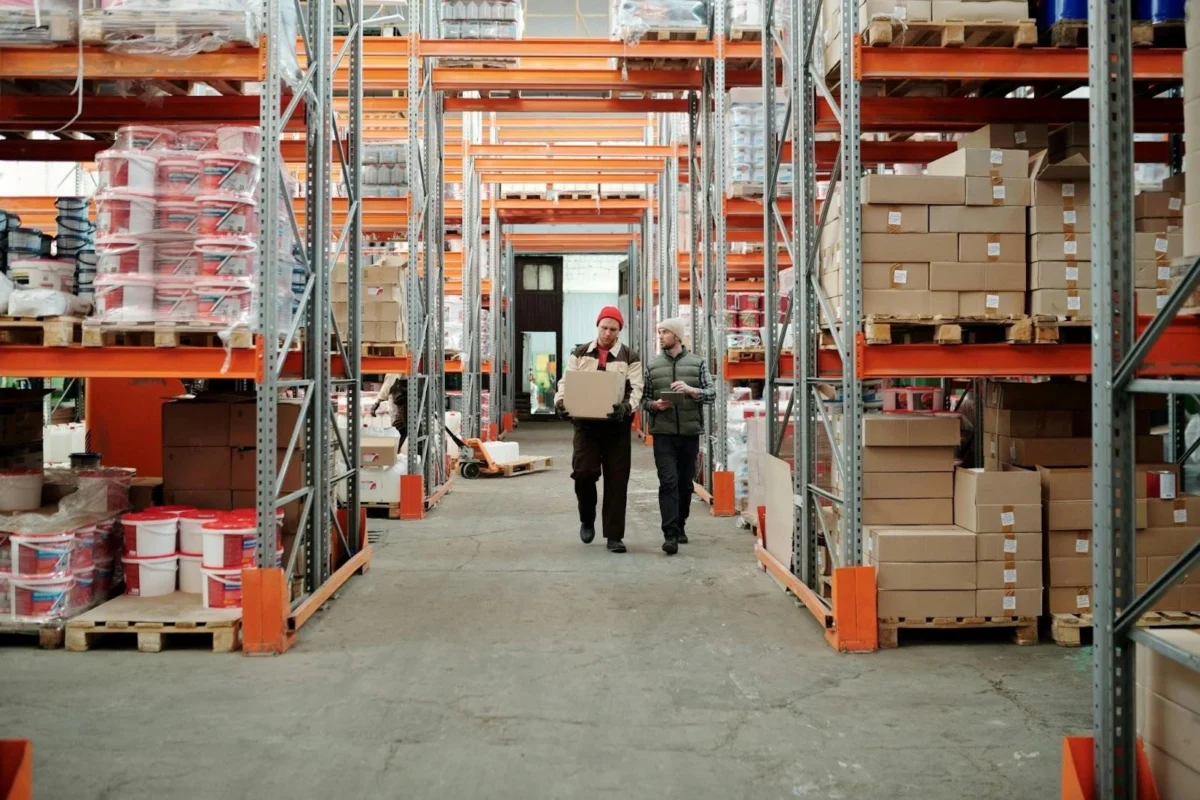
The summit will dedicate significant time to the intersection of "agentic AI" and physical logistics. Discussions will move past standard predictive analytics to explore how machine learning can automate decision-making, optimize warehouse robotics, and provide end-to-end visibility that was previously impossible.
2. Resilience and Geopolitical Risk Management
With trade tensions and regional conflicts impacting global shipping lanes, the summit will provide a framework for "Geopolitically Aware" supply chains. Leaders will explore how to build redundancy into systems without sacrificing the cost-efficiencies that shareholders demand.
3. Operational Excellence and Planning
True optimization requires more than just better software; it requires a culture of planning discipline. Sessions will focus on cross-functional alignment—ensuring that the procurement team, the logistics team, and the sales team are working from a unified data set to prevent the "bullwhip effect" and improve forecast accuracy.
4. Sustainable Supply Chains
Sustainability is no longer a corporate social responsibility "add-on"—it is a competitive necessity. The summit will examine circular supply chain models, the decarbonization of logistics, and how to maintain responsible operations while scaling globally.
5. Advanced Logistics and Transportation
As e-commerce expectations reach a fever pitch, the "last mile" and the "mid-mile" have become primary battlegrounds. Experts will share strategies for cost-efficient, real-time responsive logistics that leverage IoT (Internet of Things) to track goods with pinpoint accuracy.
6. Digital Integration and Data Unification
Fragmented data systems remain the greatest hurdle to supply chain success. The summit will feature workshops on integrating disparate ERP (Enterprise Resource Planning) systems to create a "single source of truth," enabling faster, smarter, and more data-driven decision-making.
Official Responses: Insights from the 2026 Line-up
The caliber of the speakers confirmed for the 2026 Summit underscores its importance within the professional community. These individuals represent some of the most complex supply chain environments on the planet.
- Michael Shin (Chief Supply Chain Officer, Trinity Industries): Bringing expertise from the heavy manufacturing and rail sectors, Shin’s contribution is expected to highlight the importance of asset management and capital-intensive supply chain operations.
- Stanley Vitikas (Professor, Arizona State University): As a representative of academia, Professor Vitikas provides the theoretical rigor and long-term research perspective, helping attendees understand the macroeconomic forces shaping their industry.
- Omar Devlin (Executive Director, Supply Chain Planning & P2P, Stanford Medicine): Devlin’s involvement highlights the mission-critical nature of healthcare supply chains, where efficiency is not just about profit, but about life-saving outcomes.
- Mohamed Taha (Director, Supply Network Operations and Logistics, Procter & Gamble): Taha brings the perspective of a global FMCG (Fast-Moving Consumer Goods) giant, focusing on scaling operations and consumer-centric logistics.
- Peter Larsen (Vice President, Amazon Supply Chain Services): As one of the architects of the modern "everything store" logistics model, Larsen’s insights on digital integration and speed are highly anticipated by delegates seeking to replicate Amazon-level responsiveness.
Implications: Why This Summit Matters for 2027 and Beyond
The implications of the 2026 Supply Chain & Logistics Summit extend far beyond the two days of the event. For the attendees, the insights gained represent a strategic advantage.
Navigating the "Vendor Selection" Labyrinth
One of the most significant challenges for senior leaders today is the sheer volume of "solution providers" entering the market. With thousands of startups claiming to offer the "next big thing" in AI or blockchain, the risk of a bad investment is high. Marcus Evans provides a filter. By vetting both the content and the providers at the summit, the organizers allow executives to cut through the noise.
Workforce Transformation
Perhaps the most understated theme of the 2026 event is the "human element." As technology replaces manual processes, the workforce must adapt. The summit will address the cultural shift required to move from a human-centric planning process to an AI-augmented one, providing managers with the tools to upskill their teams and maintain operational continuity during periods of transition.
The Macroeconomic Ripple Effect
When major corporations—represented by the likes of Amazon and P&G—change how they approach their supply chains, the entire global market follows suit. The strategies discussed at this summit will effectively set the "industry standard" for the next several years. By attending, delegates are not just learning; they are participating in the creation of the future of global trade.
Final Thoughts: A Call to Action
The 2026 Supply Chain & Logistics Summit arrives at a time when the margin for error is thinner than ever. With 40 years of experience in facilitating high-level executive gatherings, Marcus Evans has built a reputation for delivering results. For the senior leader, this event represents an opportunity to step back from the day-to-day firefighting and engage in the high-level strategic thinking that will define their company’s success in the coming decade.
As the industry prepares for the gathering in Dallas this November, the message is clear: the future belongs to those who can master the complexity of the global supply chain through foresight, integration, and bold, informed decision-making.
For more information on registration and delegate requirements, interested parties are encouraged to visit the official Marcus Evans portal.