In the hyper-competitive landscape of 2026, the difference between a brand that captures market share and one that fades into the algorithmic abyss often comes down to one factor: the rigor of its content planning process. Social media is no longer a "post-and-pray" environment; it is a sophisticated ecosystem where consistency, relevance, and data-driven strategy dictate success.

For marketing teams, the scramble to fill a calendar often leads to burnout, fragmented brand voice, and a failure to hit key performance indicators (KPIs). By moving from reactive posting to a structured, repeatable content planning workflow, teams can transform their social media presence into a high-functioning engine for business growth.

The Strategic Imperative: What is Content Planning?
At its core, social media content planning is the intentional orchestration of your digital presence. It is the process of deciding what to post, when to post, and—most importantly—how those specific assets support your overarching marketing objectives.

Effective planning transcends simple scheduling. It involves mapping out topics, visual formats, and multi-channel campaigns well in advance. When a team operates with a clear roadmap, they avoid the "content debt" that occurs when resources are wasted on last-minute, low-impact creative. A mature planning process ensures that every tweet, reel, and post is a deliberate brick in the foundation of your brand’s reputation.

The Economics of Efficiency: Why Planning Matters
The shift toward proactive planning provides three distinct competitive advantages: operational efficiency, risk mitigation, and performance predictability.

1. Operational Efficiency through Batching
Building posts one by one is an inefficient use of human capital. By batching production—creating a week’s or month’s worth of assets in a single sprint—teams can achieve economies of scale. A single core idea can be repurposed into a long-form video, a carousel, a series of short-form clips, and a blog post, extending the life of the creative without multiplying the workload.
2. Preventing Burnout and Inconsistency
Inconsistency is the silent killer of social media engagement. Algorithms favor creators who provide a reliable cadence of value. A well-planned calendar provides a buffer against the chaotic, unpredictable nature of daily operations, ensuring that the "always-on" nature of social media doesn’t lead to team burnout.

3. Tying Social to Business Results
Leadership is rarely interested in "likes" for their own sake. They are interested in how social media drives pipeline, brand equity, and customer retention. A strategic content plan aligns every post with a specific business goal, making it significantly easier to demonstrate ROI to stakeholders.

A 10-Step Blueprint for Content Success
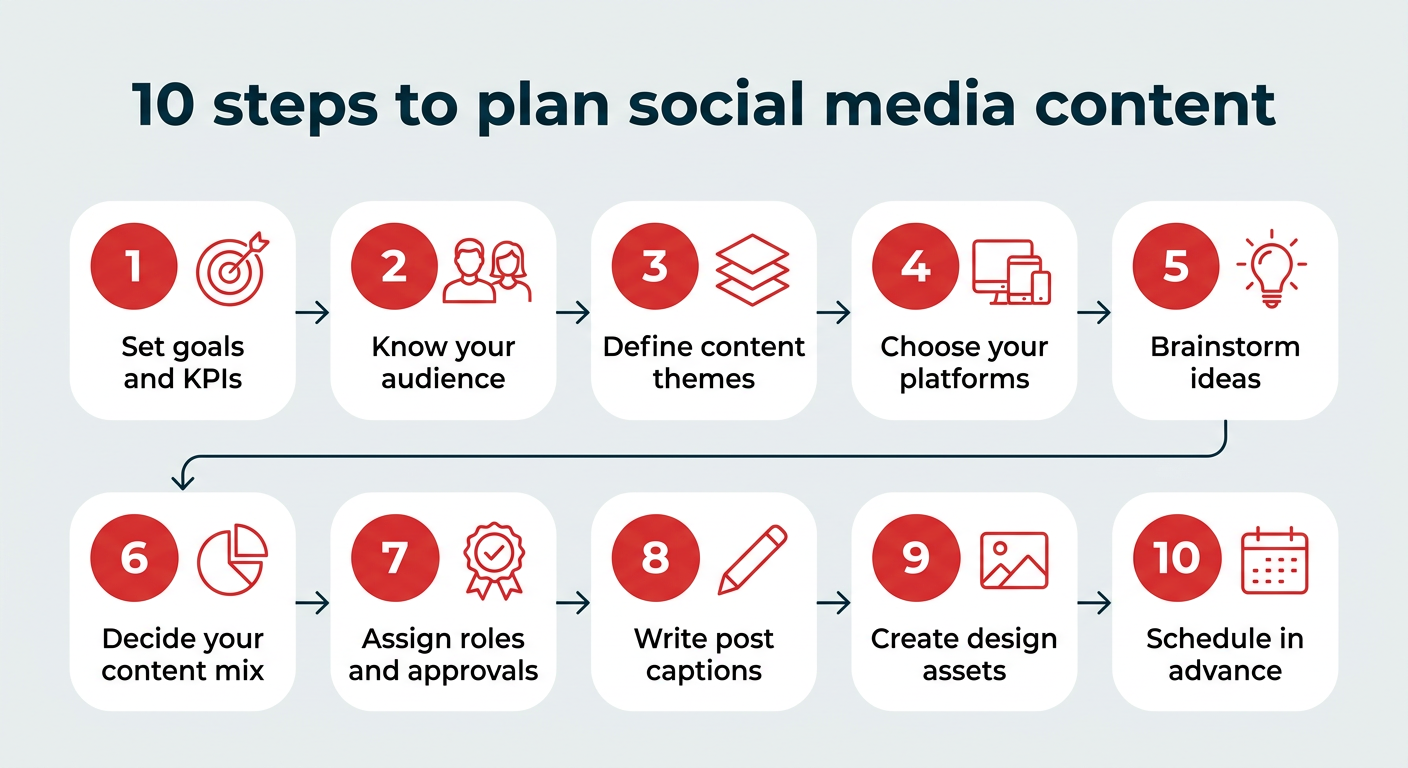
To build an effective content engine, marketing teams should adopt a standardized 10-step workflow.
Phase 1: Foundation and Research
- Step 1: Set Goals and KPIs: Define what success looks like. Whether it is increasing brand awareness by 20% or driving a specific number of sign-ups, your goals must be quantifiable.
- Step 2: Audience Deep-Dive: Use social listening tools to identify the language your audience uses, their pain points, and the platforms they inhabit.
- Step 3: Define Content Themes: Establish "content pillars"—the core topics your brand owns. If a post doesn’t fit into these guardrails, it doesn’t belong on your feed.
- Step 4: Platform Strategy: Don’t try to be everywhere. Focus on where your audience is most receptive and match your cadence to the specific expectations of those networks.
Phase 2: Execution and Workflow
- Step 5: Collaborative Brainstorming: Use centralized idea banks—such as Slack channels or project management tools—to capture inspiration from across the organization.
- Step 6: The Content Mix: Balance original content with curated industry insights to maintain relevance without exhausting your creative team.
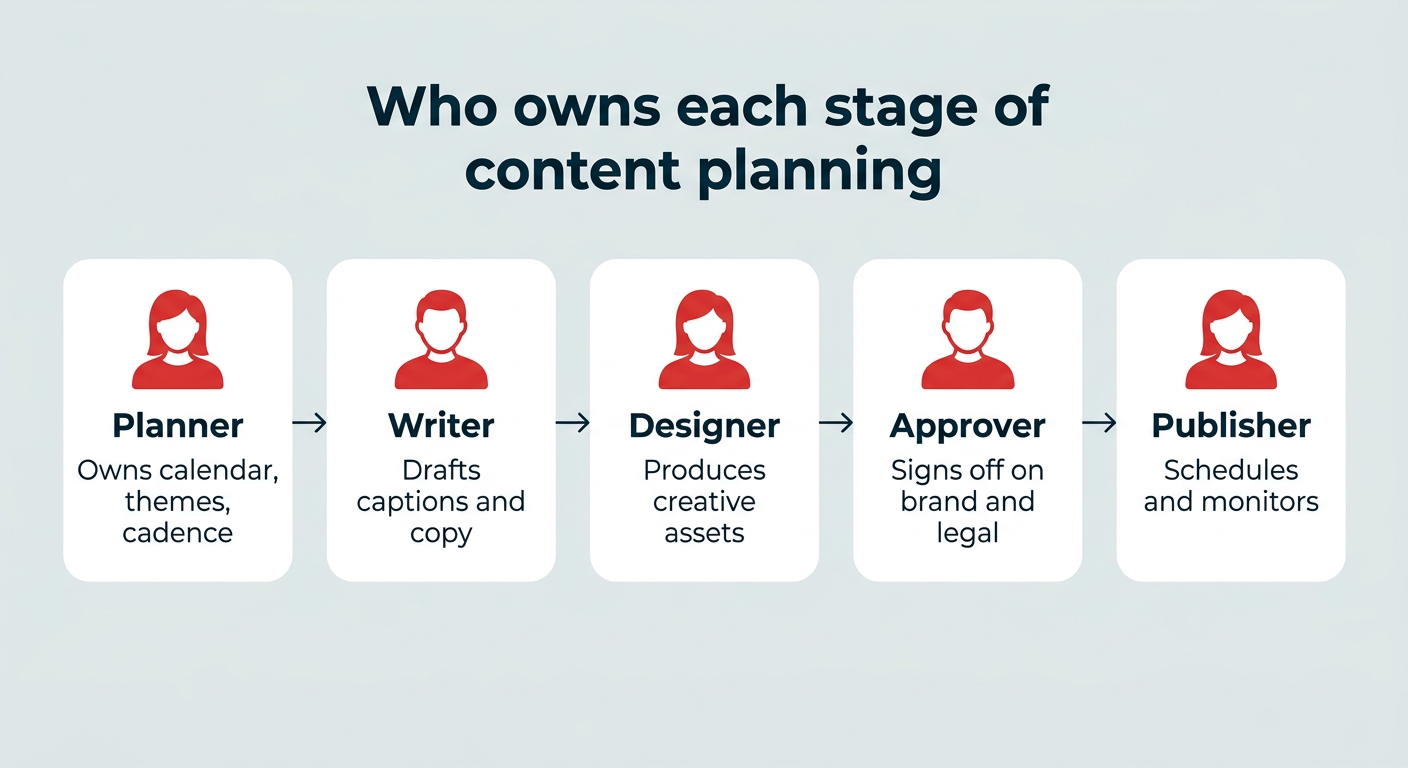
- Step 7: Governance and Approvals: In regulated sectors like finance or healthcare, legal compliance is non-negotiable. Establish a formal approval workflow to ensure all content is compliant before it touches a live feed.
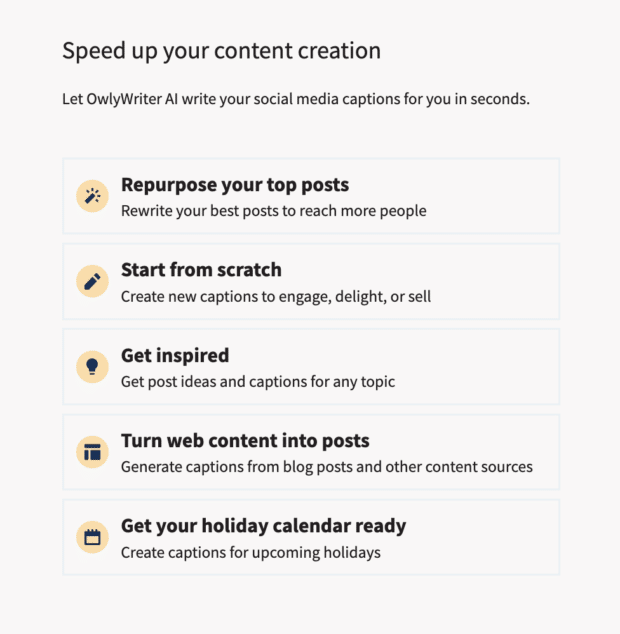
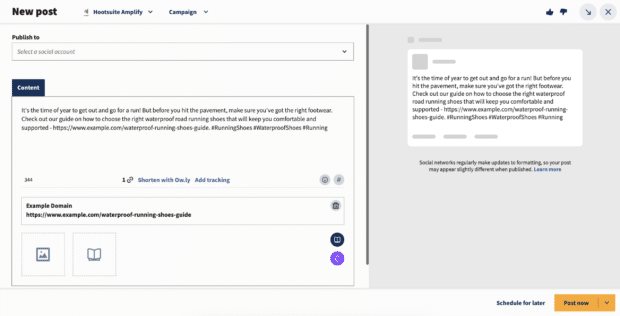
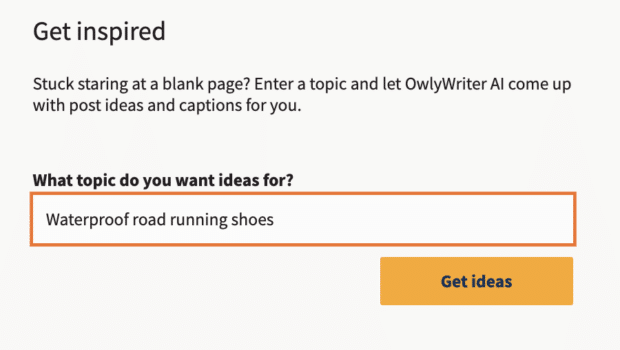
- Step 8: AI-Assisted Drafting: Utilize AI tools to generate caption variants, hashtags, and structural outlines. Remember: AI acts as a co-pilot, but the final editorial polish must remain human.
- Step 9: Asset Production: Design assets should follow a strict timeline. When creative is produced in alignment with a calendar, you avoid the bottlenecks that cause missed deadlines.
- Step 10: Precision Scheduling: Use data-backed "Best Time to Publish" features to maximize reach. Posting at 3:00 AM on a Sunday is rarely as effective as hitting the peak activity window for your specific demographic.
Measurement: Turning Data into Strategy
A content plan that is never audited is merely a list of tasks. To evolve, you must treat your calendar as a living document.
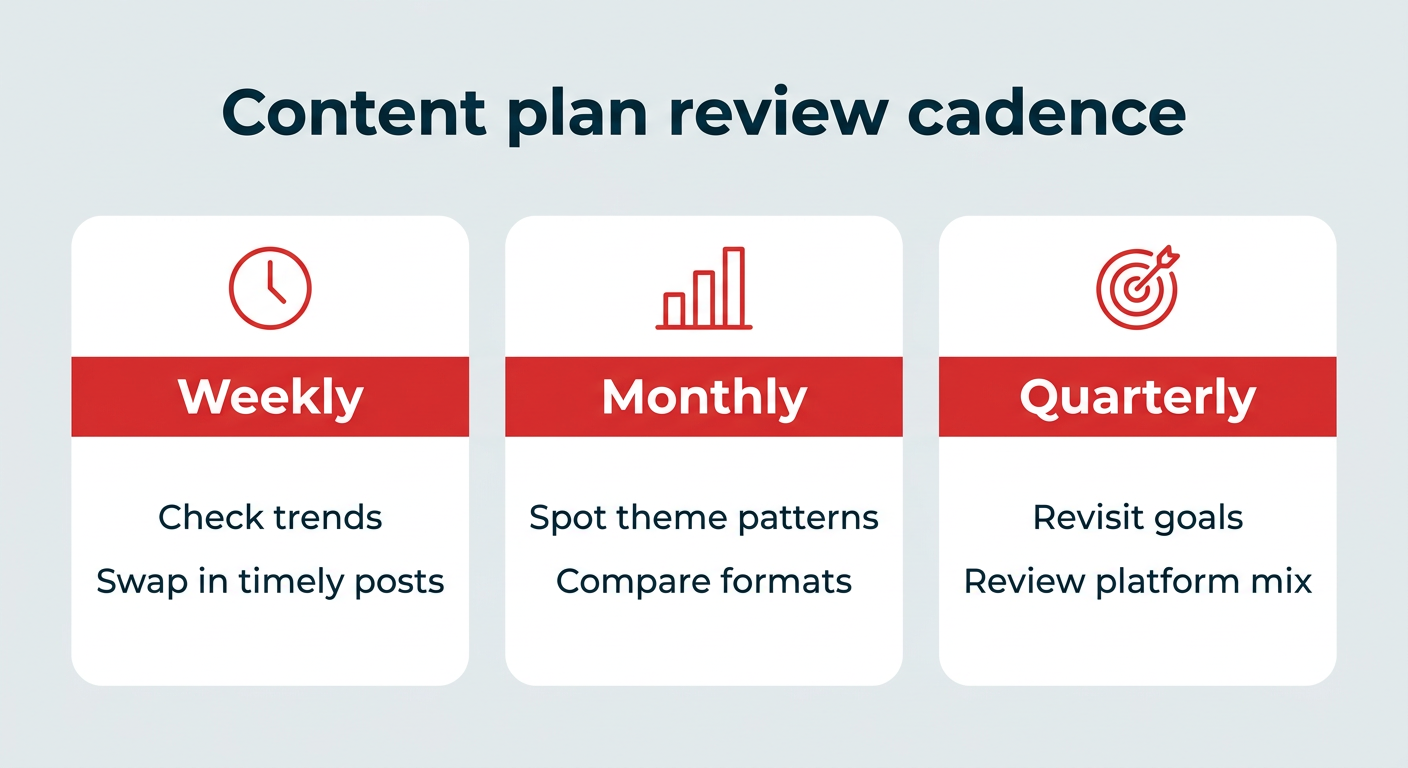
Establish a "Review Cadence":

- Weekly: A light touch-point to adjust for trending topics and immediate performance shifts.
- Monthly: A deeper dive into which themes and formats (e.g., carousels vs. video) are driving the highest engagement.
- Quarterly: A strategic pivot point to reassess goals, update your audience personas, and re-allocate resources based on what is actually moving the needle.
If your data shows that short-form video is outperforming static images by 3:1, your next monthly plan should reflect a deliberate shift in budget and labor toward video production.
The Role of AI in 2026: A New Paradigm
As we navigate 2026, the conversation around AI in social media has matured. It is no longer about "replacing" human creativity; it is about "compressing" the non-creative labor.
According to recent industry data, while the majority of marketers are experimenting with GenAI, only a fraction report significant ROI. This is because AI is best utilized as an accelerator for the tedious parts of the process:

- Trend Identification: Surfacing rising topics in your niche.
- Drafting: Creating initial iterations of captions.
- Scheduling Optimization: Identifying the precise moments your audience is most likely to convert.
However, a word of caution: Consumer sentiment toward AI-generated content is becoming increasingly skeptical. When content feels "robotic," engagement drops. The most successful teams use AI to get to a "first draft" 80% faster, then spend the remaining time infusing the content with human empathy, brand voice, and specific, verifiable expertise.

Choosing the Right Infrastructure
The final hurdle in scaling a content plan is the toolset. Standalone schedulers are sufficient for solopreneurs, but for growing organizations, they are a liability. A truly robust "Social OS" must integrate:

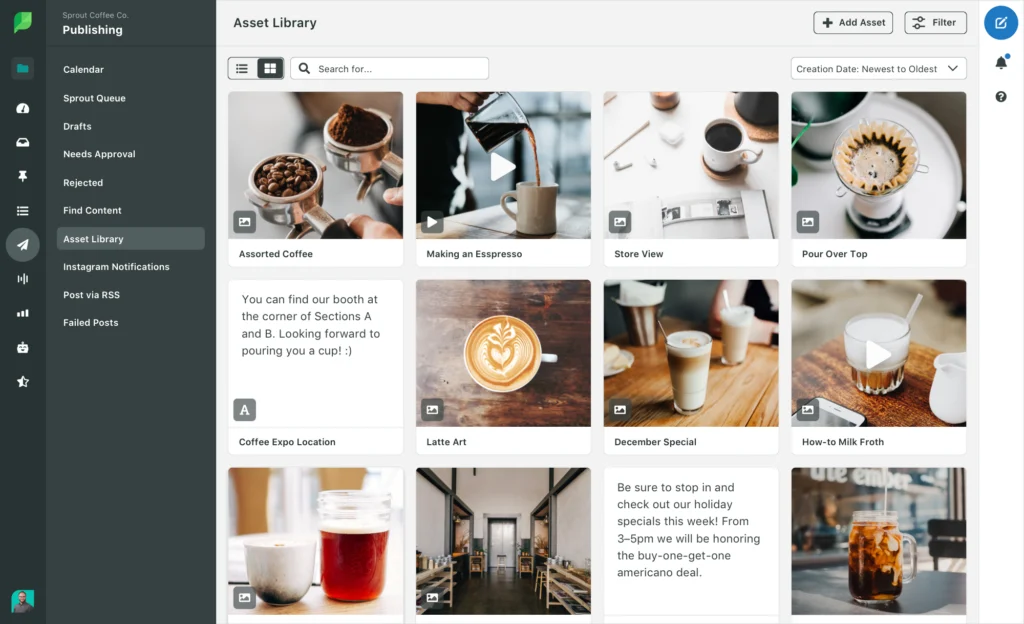
- Unified Calendar: A single view of all channels.
- Collaborative Approvals: Preventing "rogue" posts.
- Governance Layer: Ensuring brand safety across regions.
- Integrated Listening: Connecting your planning directly to real-time market sentiment.
When these components are siloed, information is lost in the handoffs. When they are integrated, the workflow becomes seamless.

Conclusion: The Path Forward
Effective social media content planning is not about control; it is about clarity. By setting rigorous goals, understanding your audience, and leveraging the right combination of human creativity and AI-driven efficiency, you can stop reacting to the algorithm and start shaping the conversation.
As the digital landscape continues to evolve, the brands that win will be those that treat their social media presence not as a series of disparate posts, but as a cohesive, strategic, and measurable extension of their overall business strategy. The process starts today—not with the next post, but with the next plan.