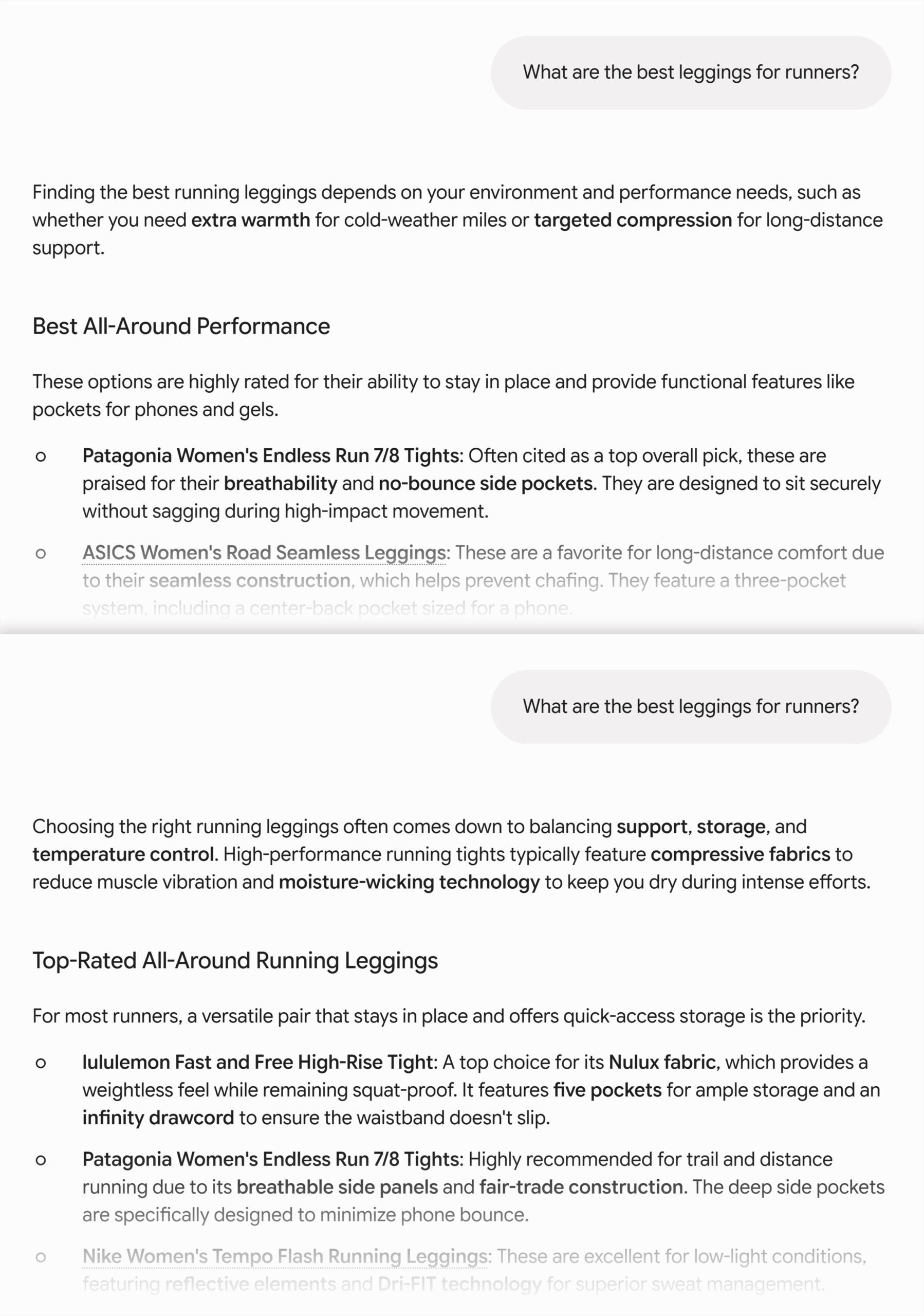
Your brand could be ranking #1 on Google, holding the coveted top spot for every high-volume keyword in your industry, yet remain entirely invisible to the modern consumer.

As search behavior shifts from static lists of blue links to conversational, generative AI interfaces, the rules of digital visibility have fundamentally changed. You might be absent from the nuanced conversations your customers are having with Large Language Models (LLMs) about your product category. Even worse, you could be appearing inaccurately, with outdated information or flawed comparisons that actively erode your sales.
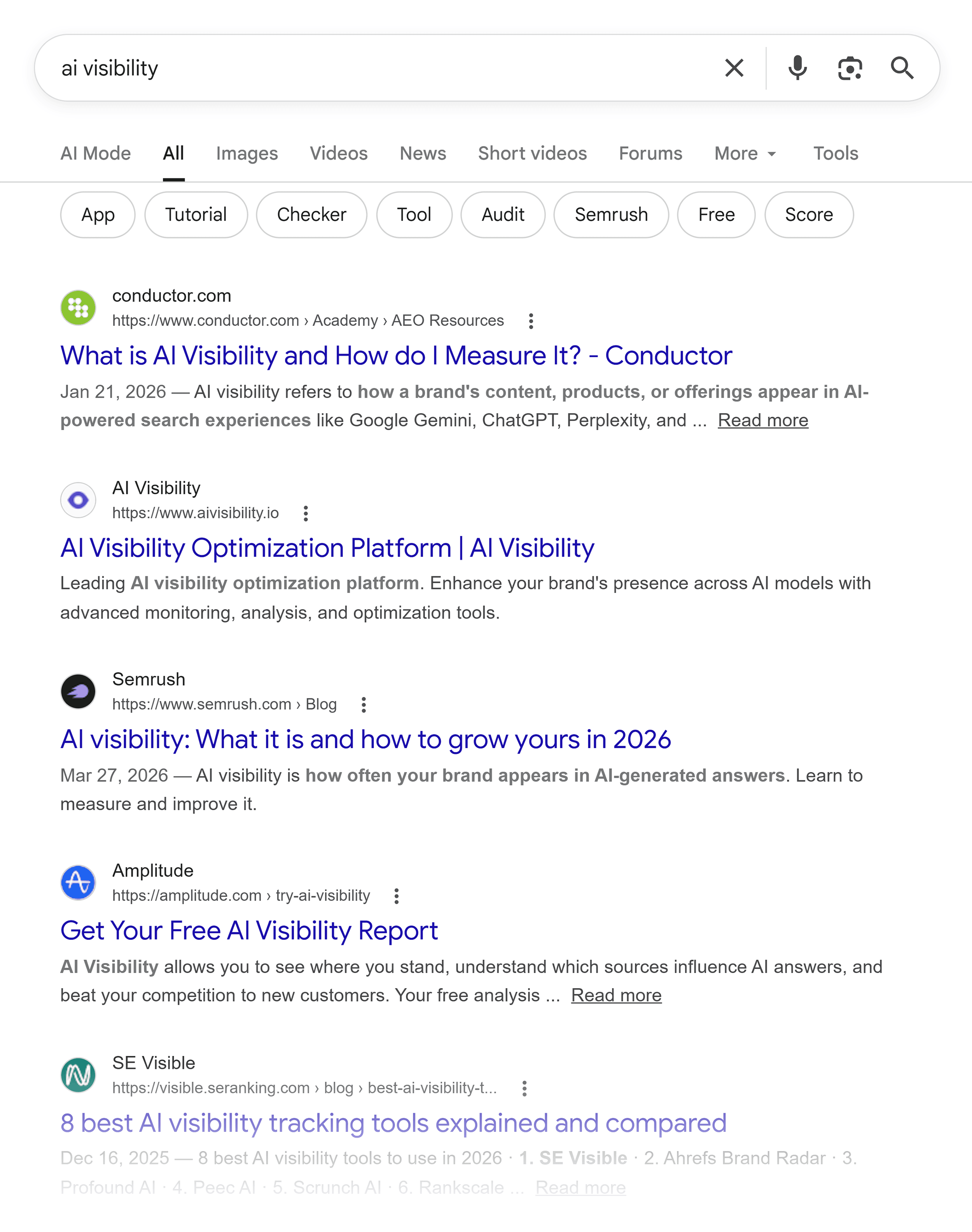
Without a system for "Prompt Tracking," you are essentially flying blind. As the digital landscape evolves, understanding your presence in AI-generated answers is no longer an optional luxury; it is a critical requirement for business survival.
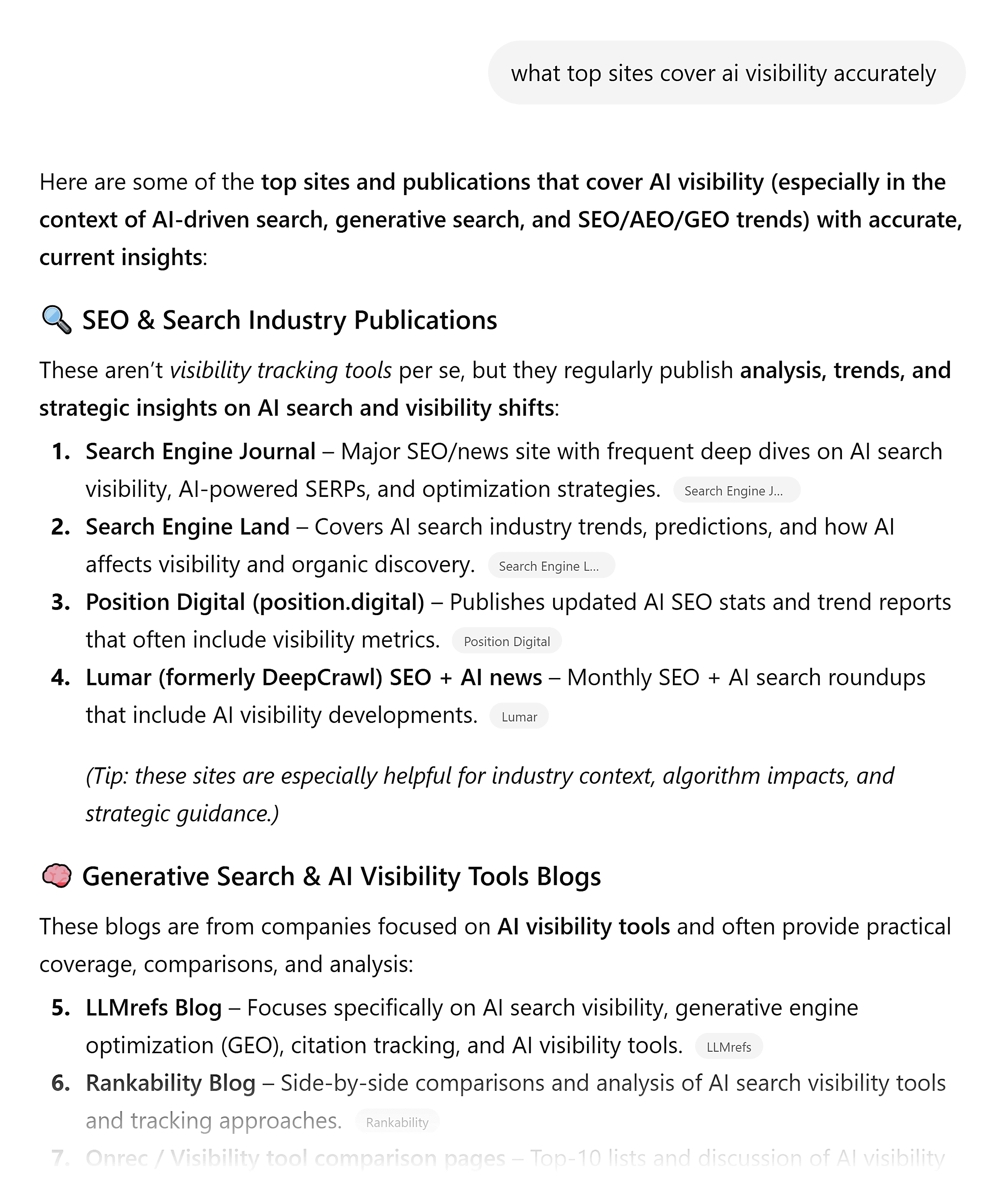
Understanding the Shift: From Search Engines to Answer Engines
Traditional SEO rank tracking is designed for a world that no longer exists. For years, marketers asked a simple question: "How close are we to position 1?" This methodology assumed a predictable, static environment where users clicked on URLs.
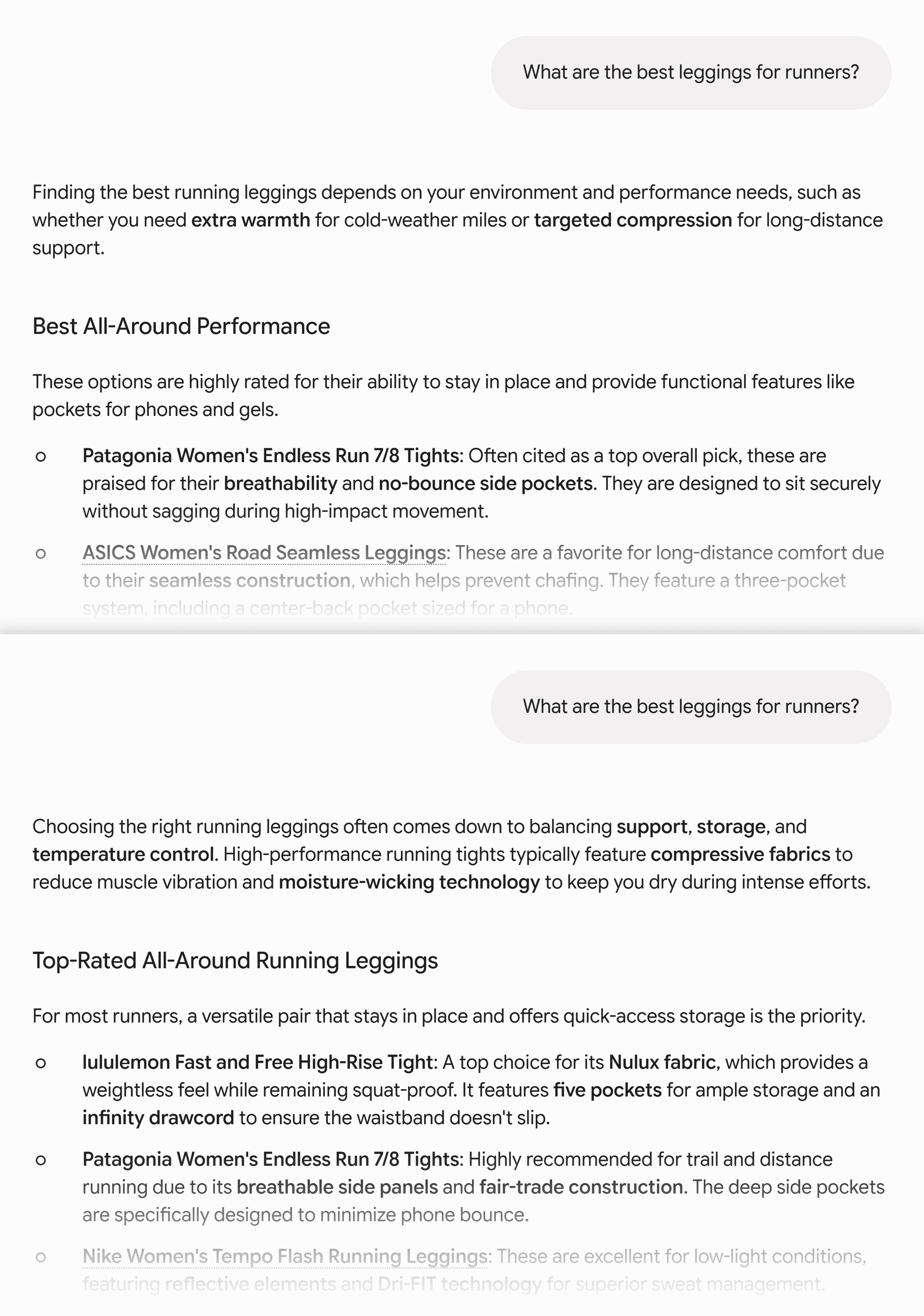
Large Language Models do not work that way. They do not serve up a curated list of ten links. Instead, they synthesize vast amounts of data to generate unique, context-aware responses tailored to the specific user. You can ask the same question twice and receive two entirely different answers.
In this new "Answer Economy," it matters less whether your brand is mentioned first, and more that the AI provides an accurate, positive, and persuasive representation of your business to the right people—consistently—across thousands of potential conversational iterations.
Why Brands Must Adopt Prompt Tracking
According to recent data from the AI-Search Adoption Survey, 55% of US internet users now rely on AI as their primary or frequent research tool, with 32% utilizing these platforms specifically for product recommendations.
The reality is stark: A growing share of your potential buyers is learning about you—or deciding against you—entirely within an AI interface, without ever visiting your website.
Prompt tracking, or LLM visibility tracking, is the practice of monitoring how your brand appears in AI answers over time through mentions and citations. It allows you to:
- Identify which queries lead to brand mentions and which lead to competitors.
- Audit the accuracy of information provided about your company.
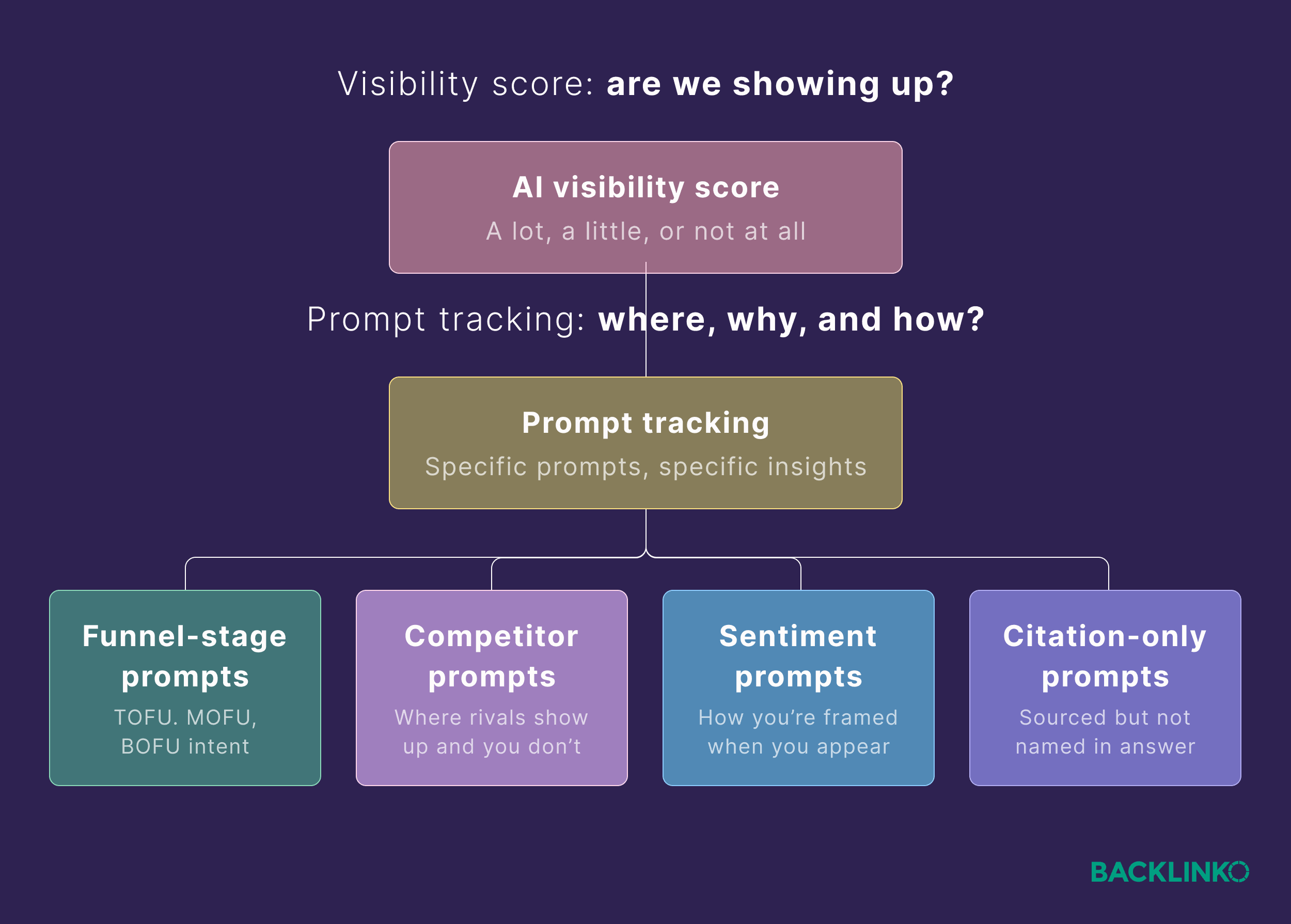
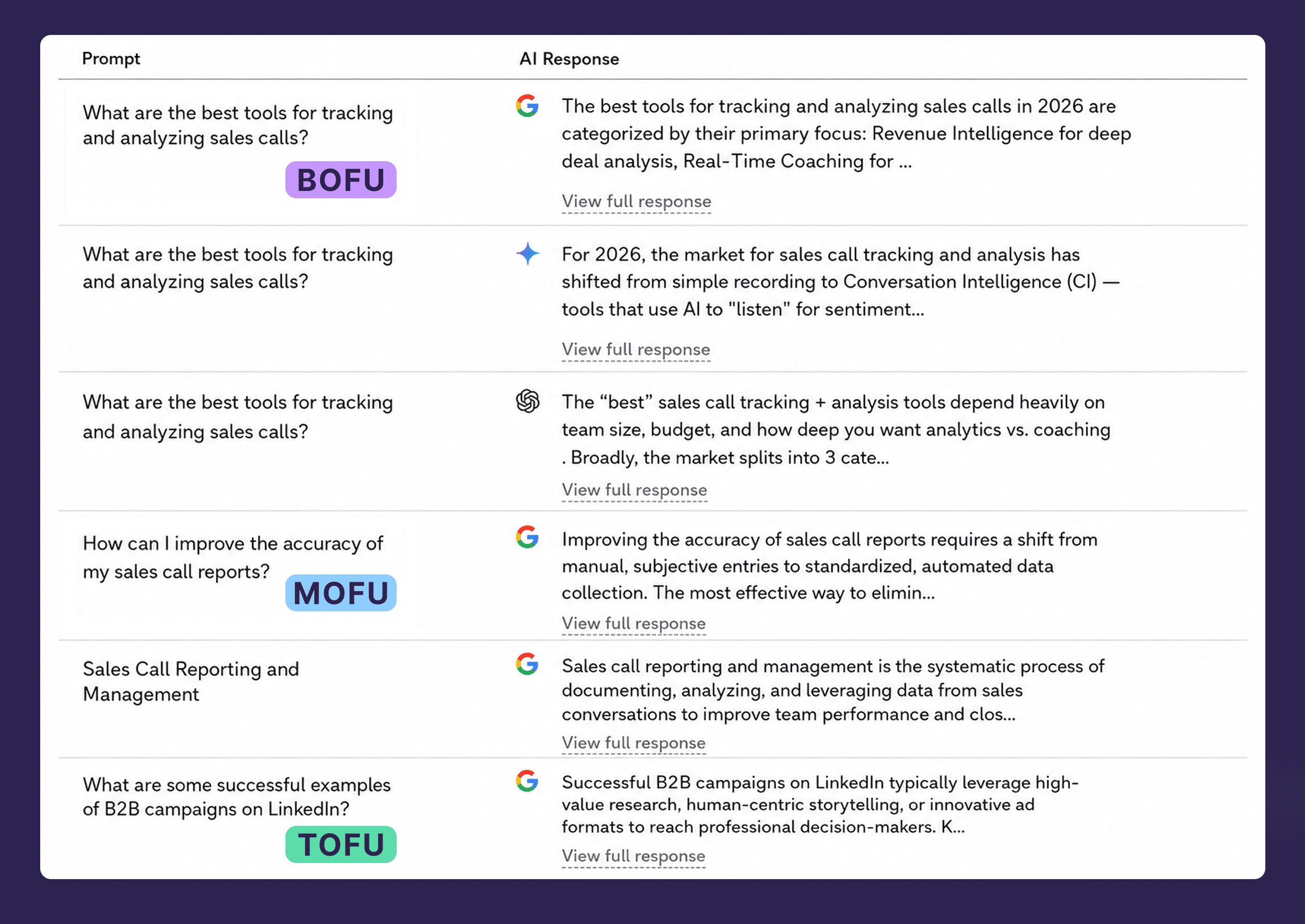
- Measure your visibility across different stages of the funnel (TOFU, MOFU, and BOFU).
- Spot trends in how LLMs perceive your brand sentiment.
Case Study: The "Gong" Visibility Model
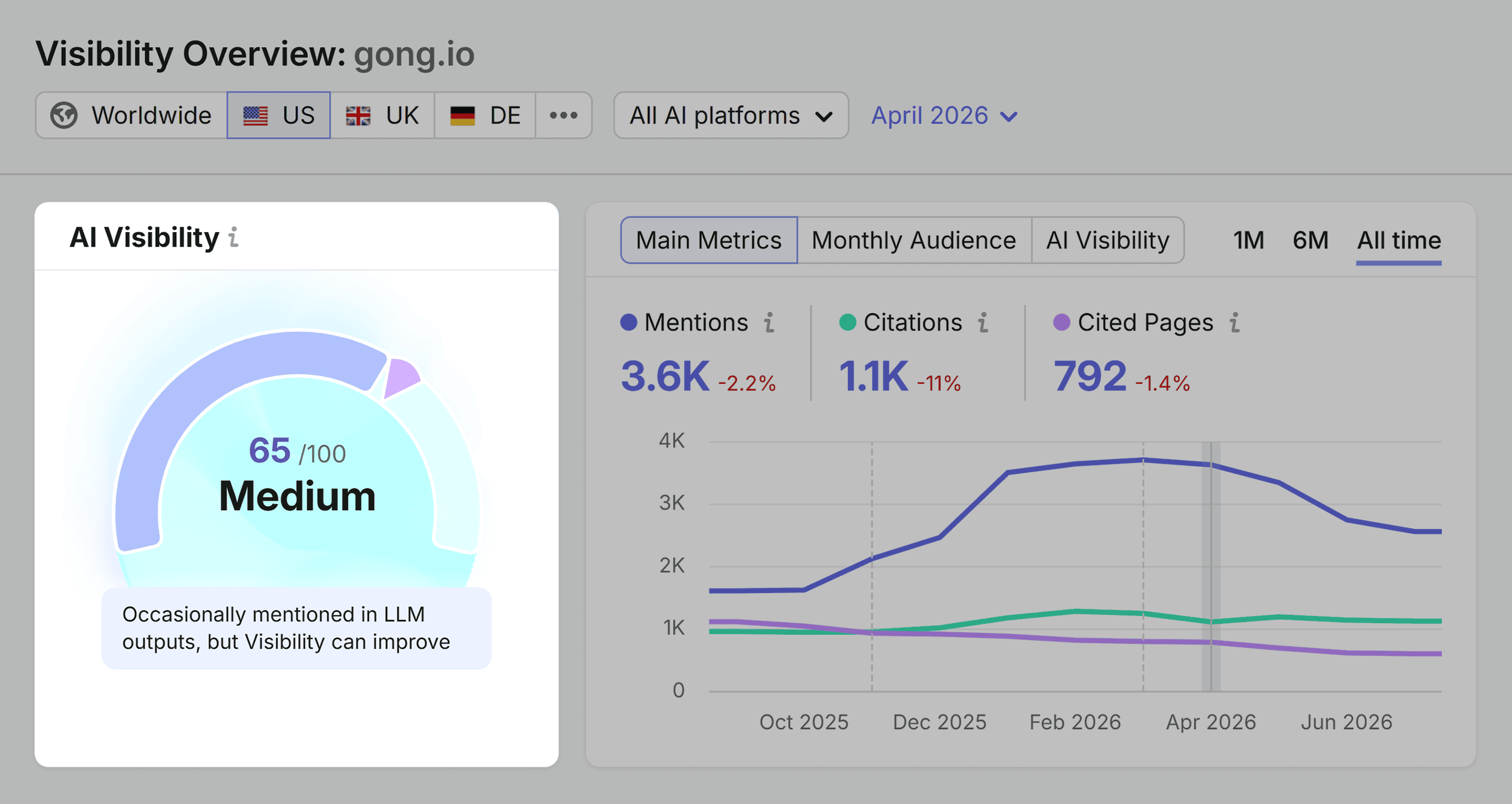
Consider the approach taken by Gong, a leader in sales call intelligence. By maintaining an AI visibility score, they can map their presence across the entire marketing funnel.
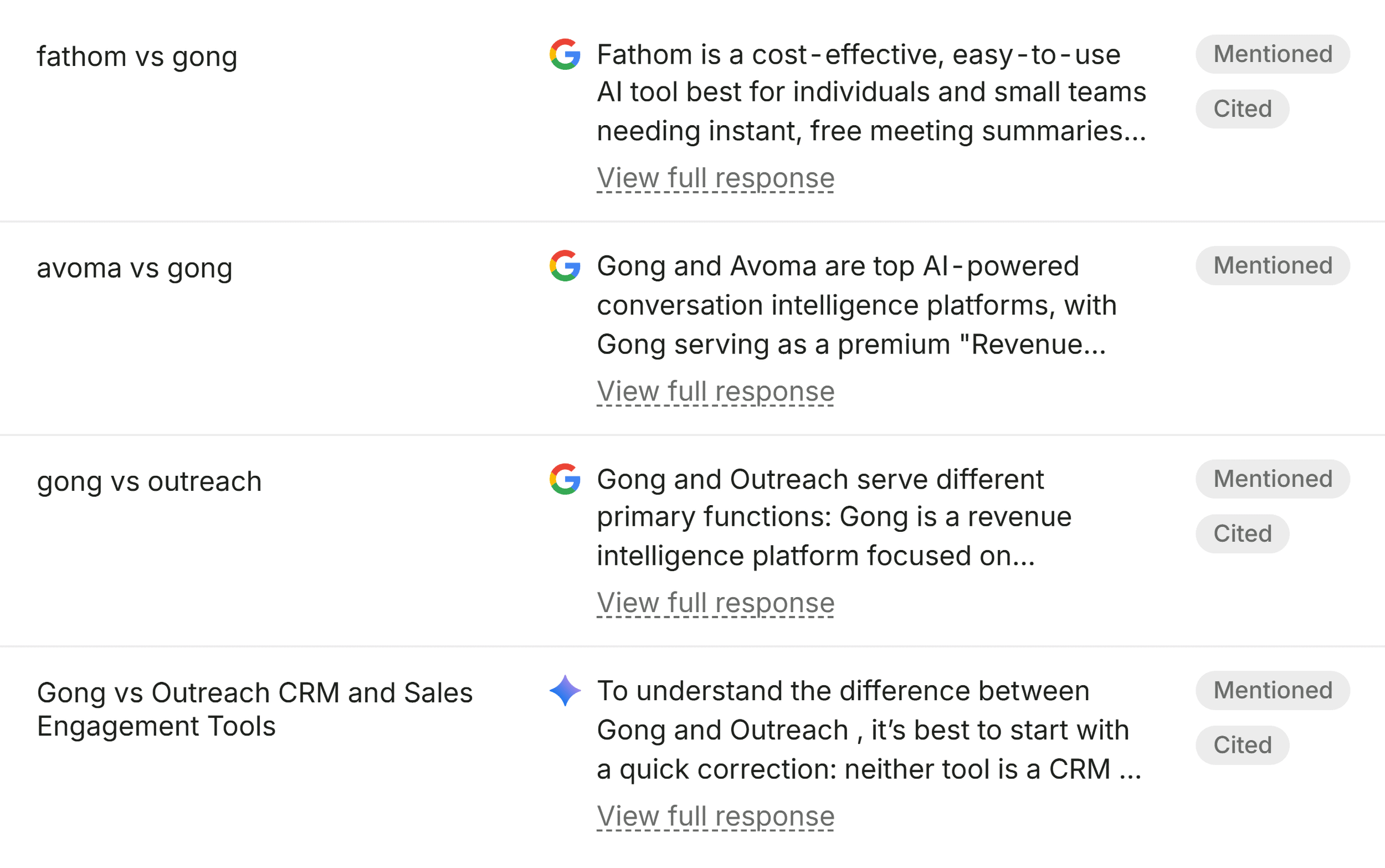
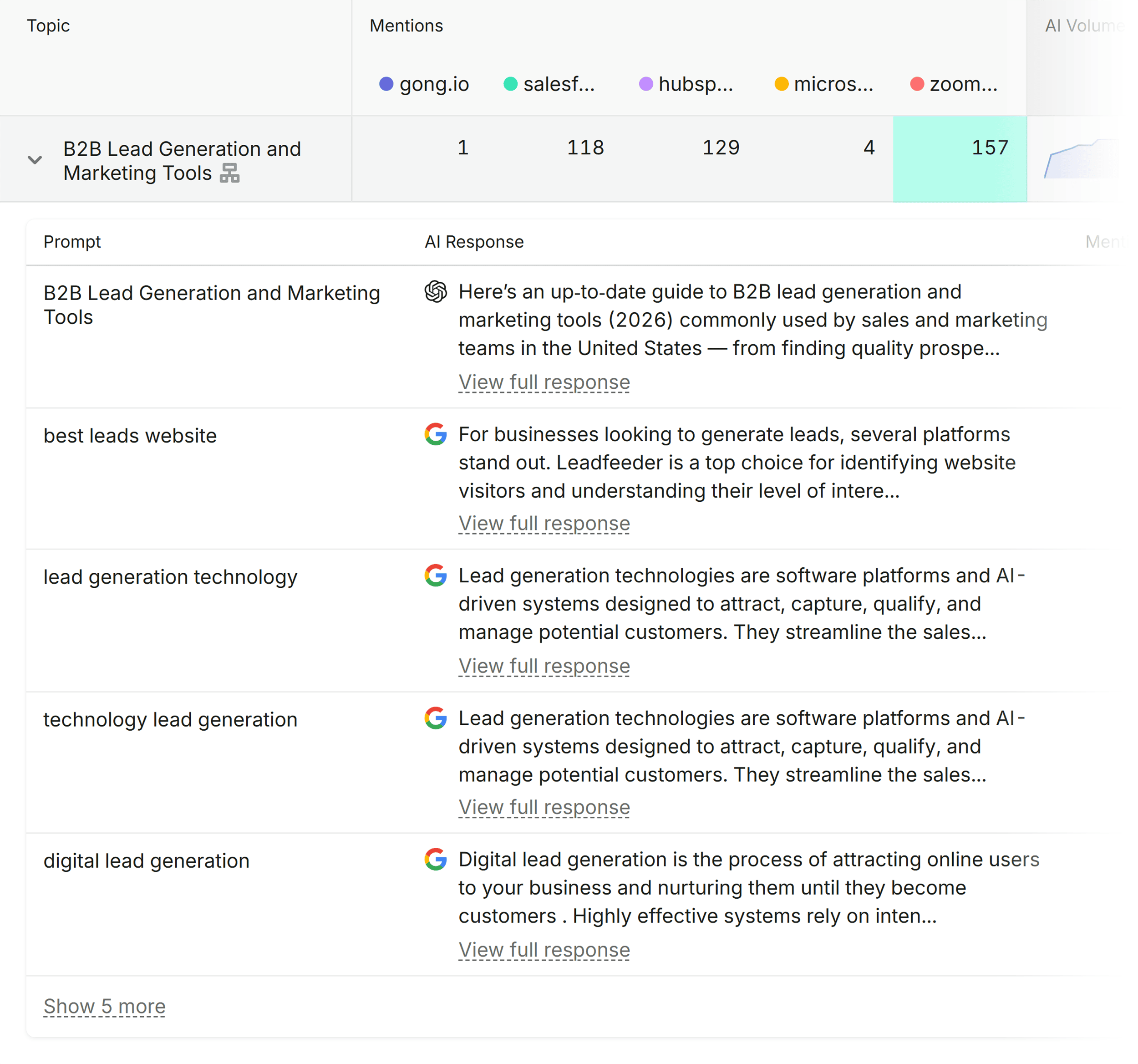
If their mention rate remains low on key "Bottom of Funnel" (BOFU) topics, it serves as an immediate signal to marketing teams to update on-site content or intensify outreach to third-party publishers. They can see which topics competitors are effectively "owning" while they remain absent.
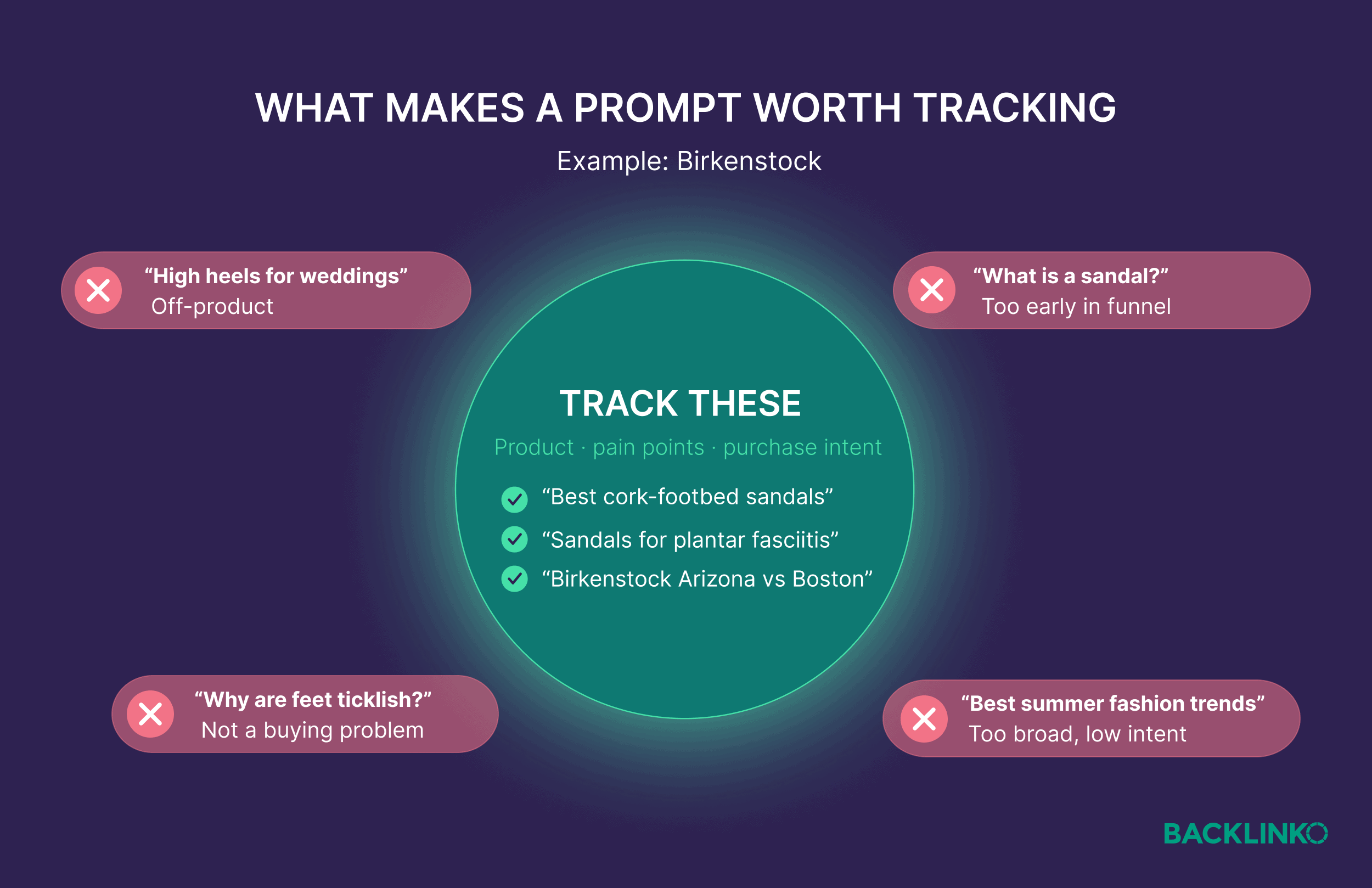
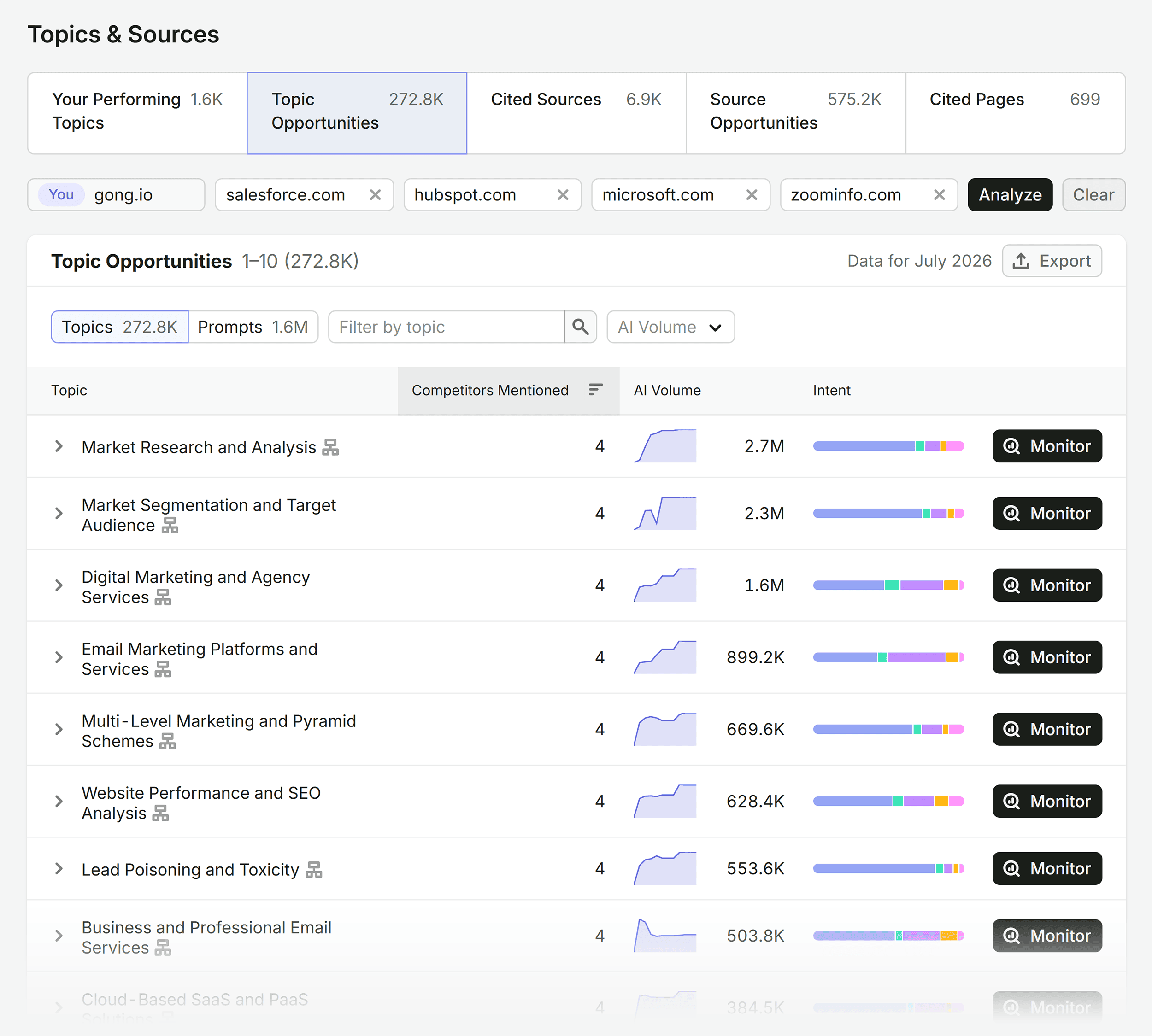
When Gong notices that Salesforce or HubSpot consistently dominate prompts related to sales enablement tools, they gain two pieces of actionable intelligence:
- Their content is not currently providing enough authority to influence the AI’s source weighting.
- They have a clear, data-backed roadmap to prioritize specific content updates or PR efforts to reclaim that digital territory.
When Prompt Tracking is Not Worth the Investment
It is important to note that prompt tracking is not a universal panacea. For some businesses, the overhead of building this monitoring system may outweigh the immediate returns.
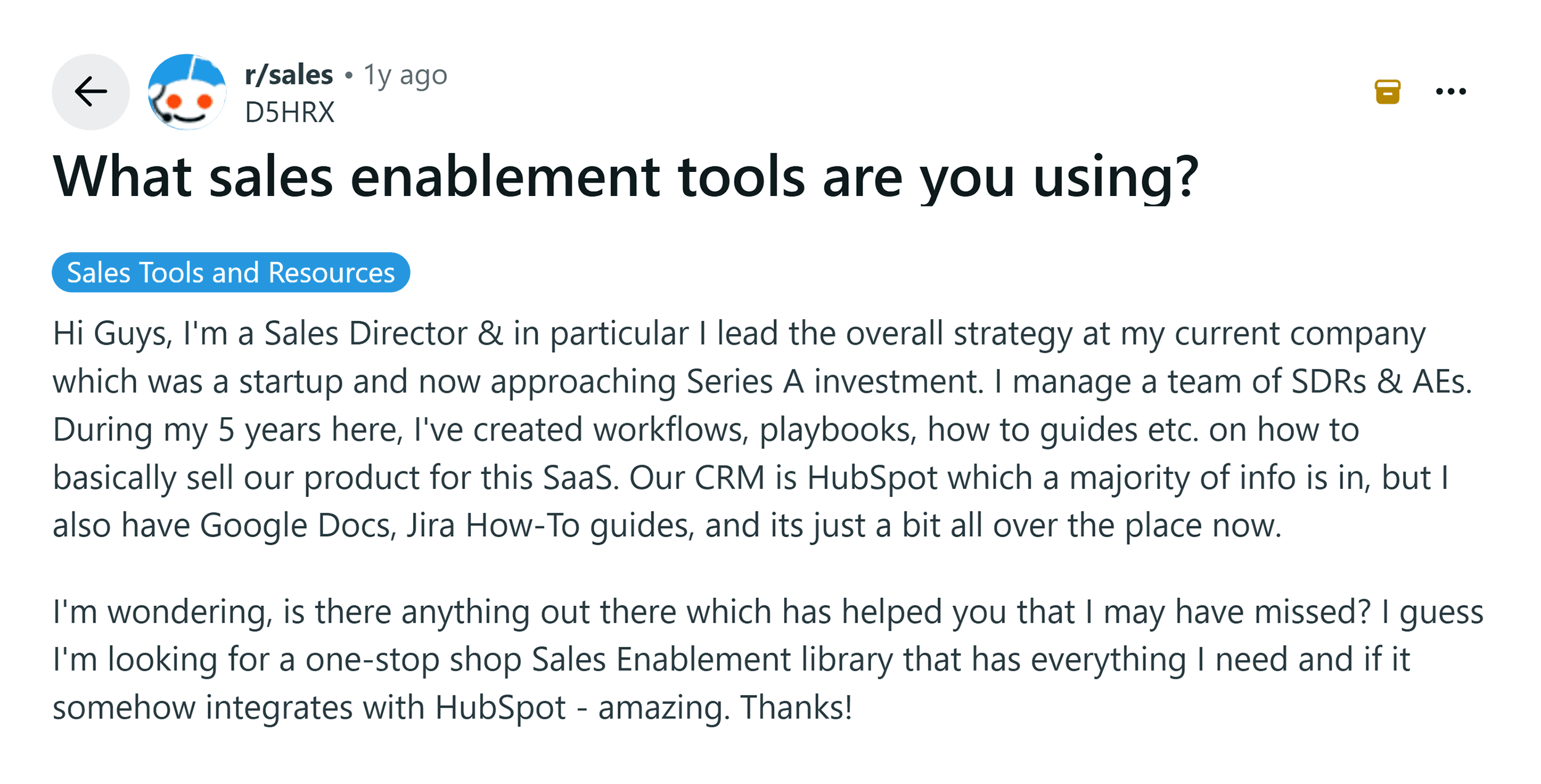
Prompt tracking is generally not recommended if:
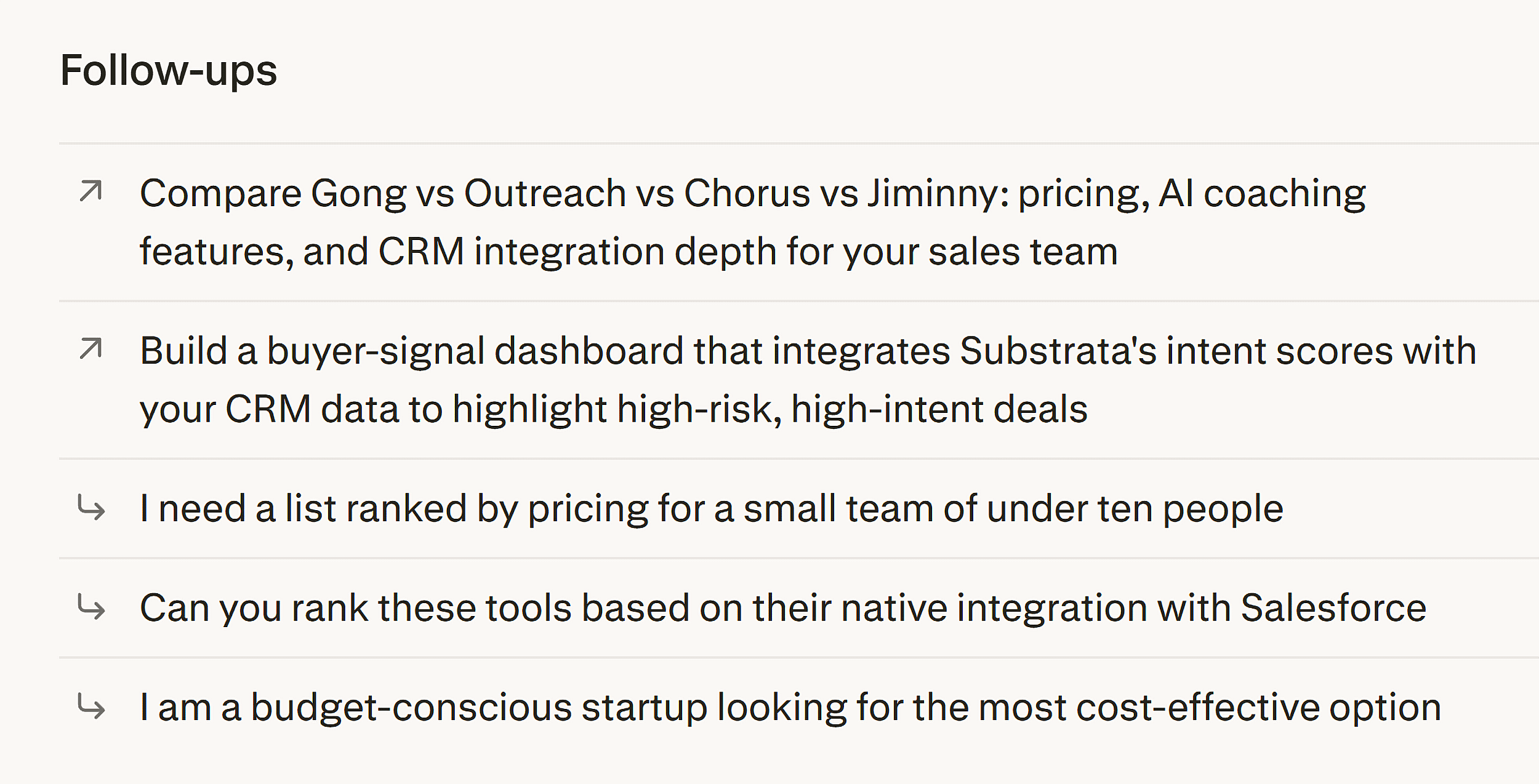
- You lack a content engine: If you do not have the resources to act on the insights, the data will simply become "vanity metrics."
- Your business is purely local: A neighborhood HVAC company relying on Google Business Profile and word-of-mouth is unlikely to see a meaningful ROI from tracking LLM mentions, as their customer journey remains heavily anchored in local physical search.
- You lack the capacity to iterate: The value of tracking lies in the ability to pivot your content strategy. If your organization is too rigid to update web copy or pursue new third-party placements, the tracker will only highlight problems you cannot fix.
Building Your Prompt Set: The Strategic Framework
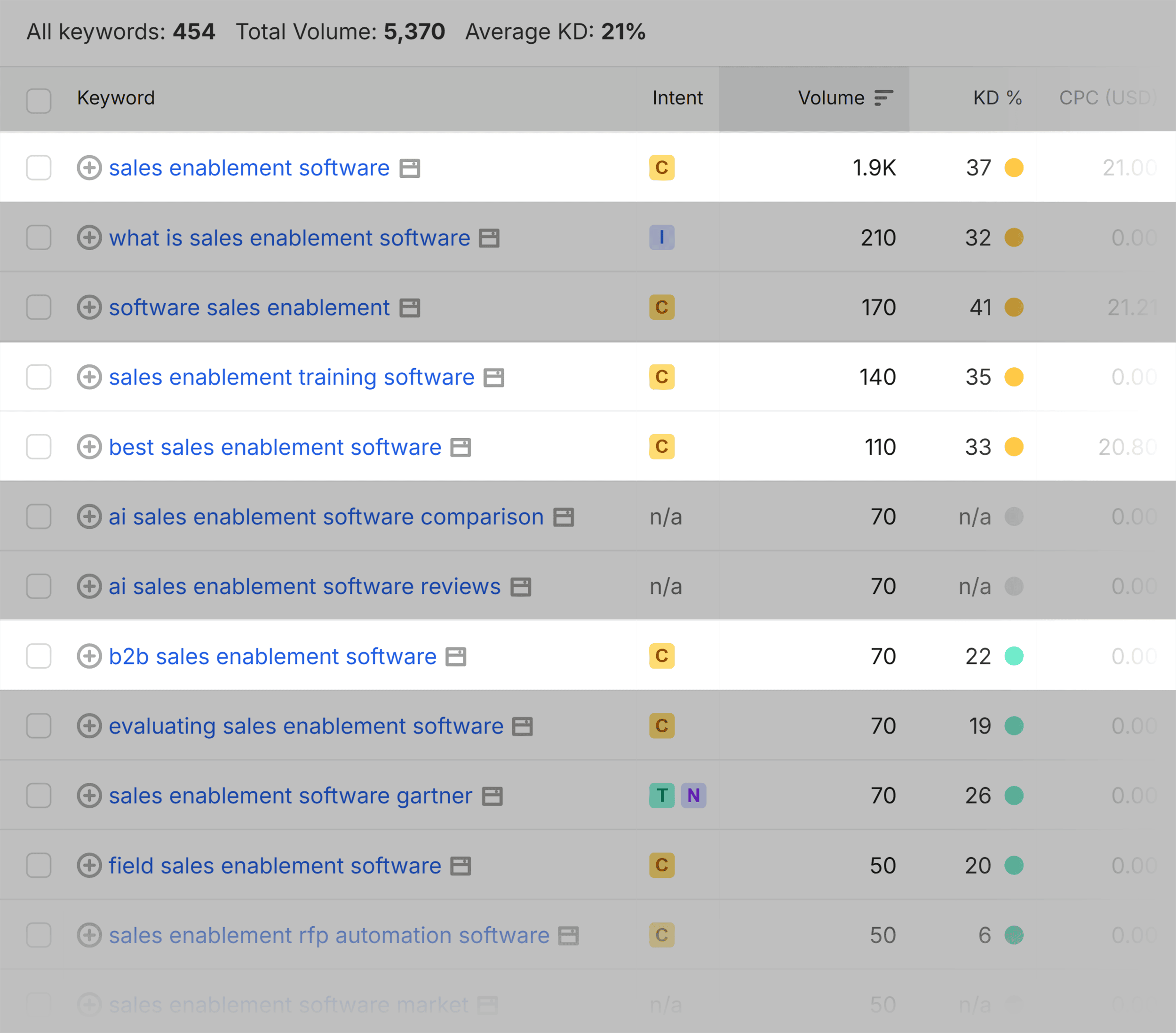
Do not fall into the trap of trying to track every possible query. Instead, focus on a curated list of prompts that align with your product offerings and audience pain points.
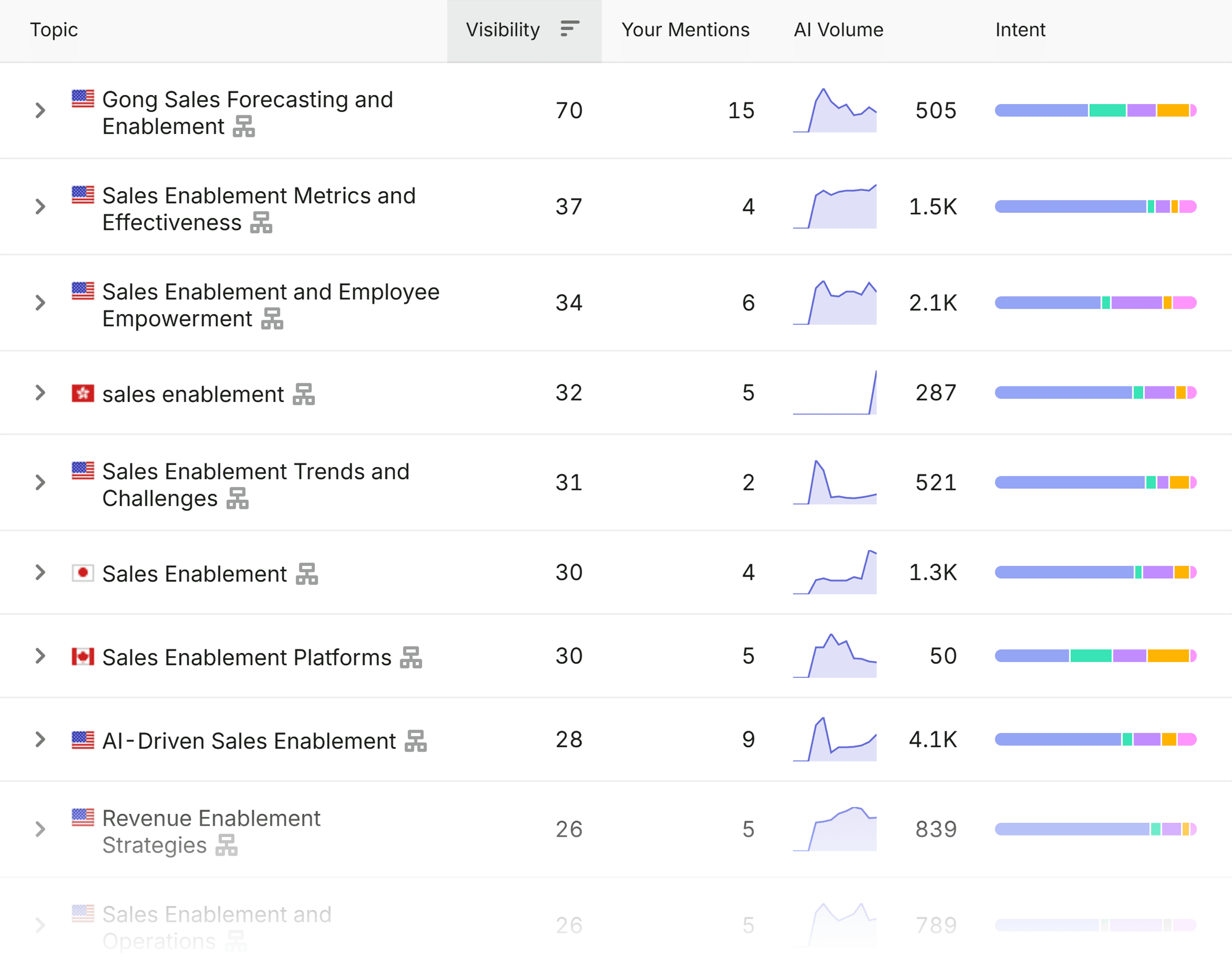
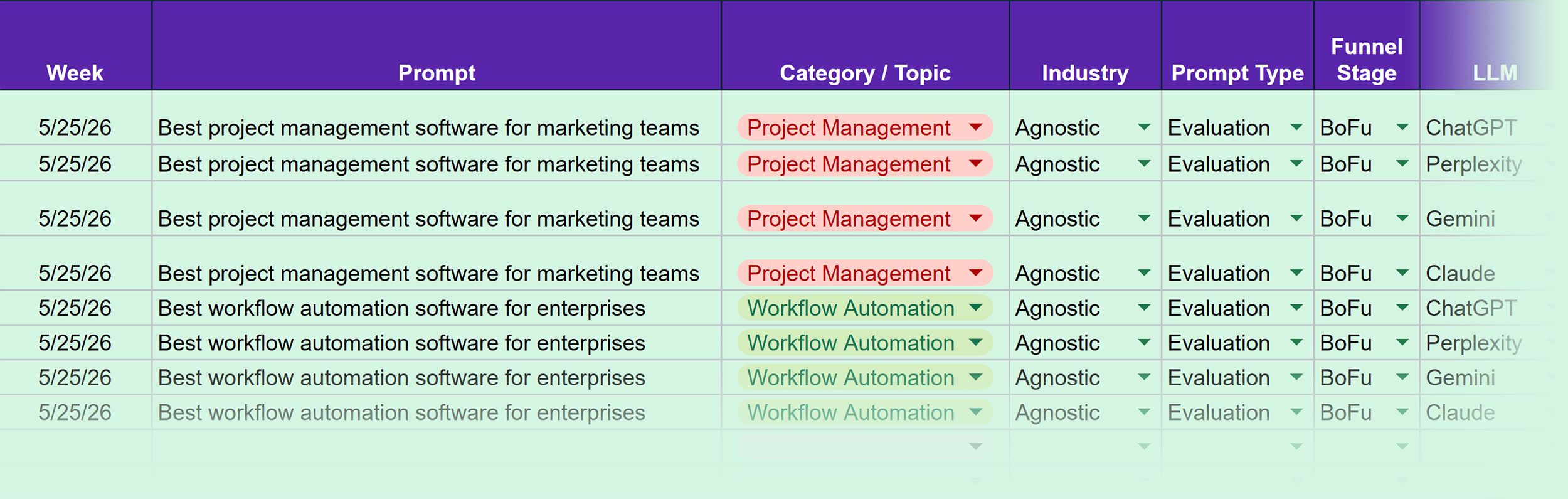
The Four Essential Types of Prompts
- Comparison: "How does [Your Brand] compare to [Competitor]?"
- Evaluation: "What are the best [Category] tools for [Specific User]?"
- Reputation: "Is [Your Brand] worth the price?"
- Gap/Constraint: "Best [Category] tools with [Specific Feature/Constraint]."
How to Find Your Prompts
Don’t guess what your customers are asking. Use your existing keyword research data as a foundation. Filter for "Commercial" and "Transactional" intent. Then, complement this with "social listening" on platforms like Reddit, where users express their authentic frustrations and specific use cases.
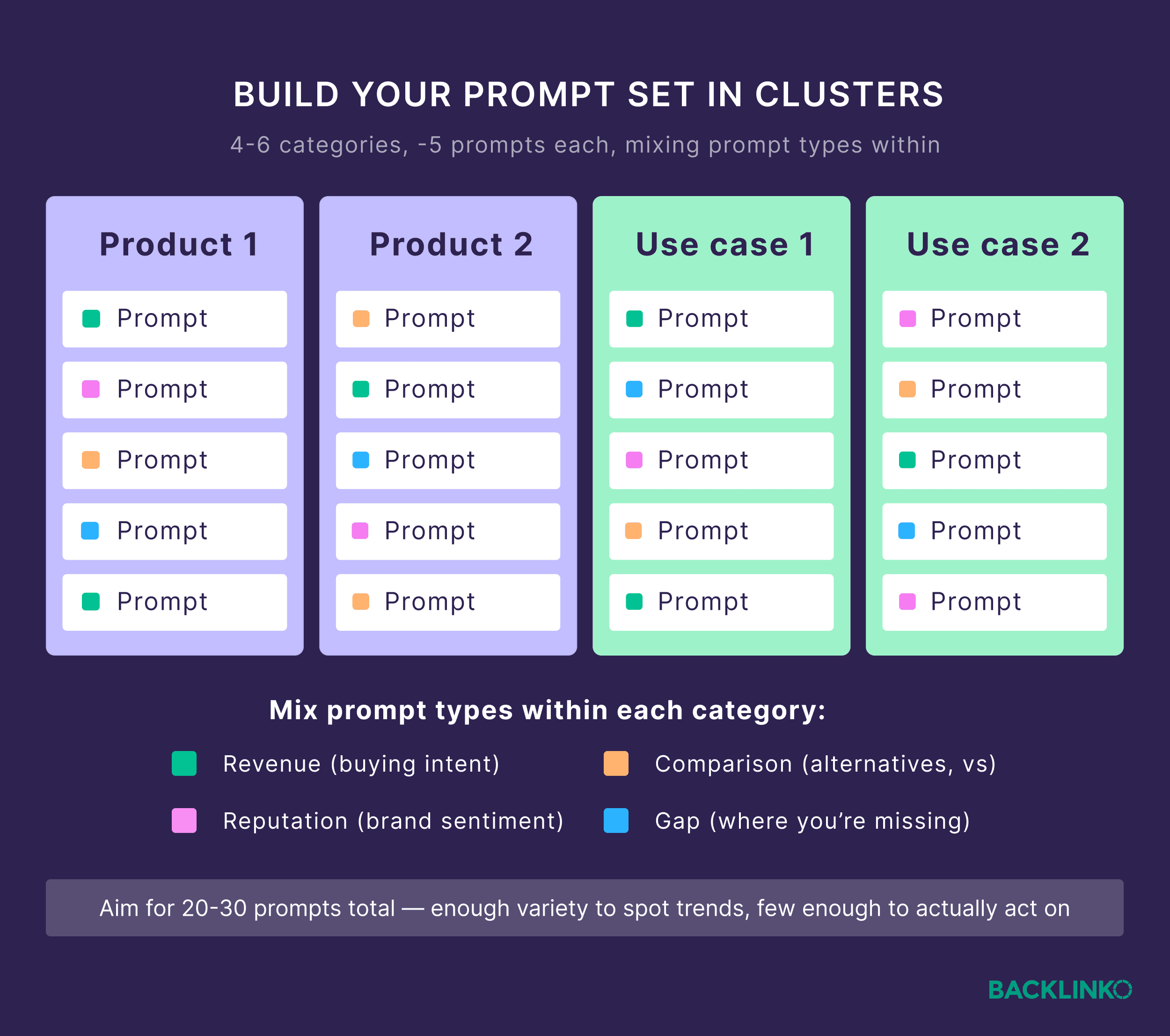
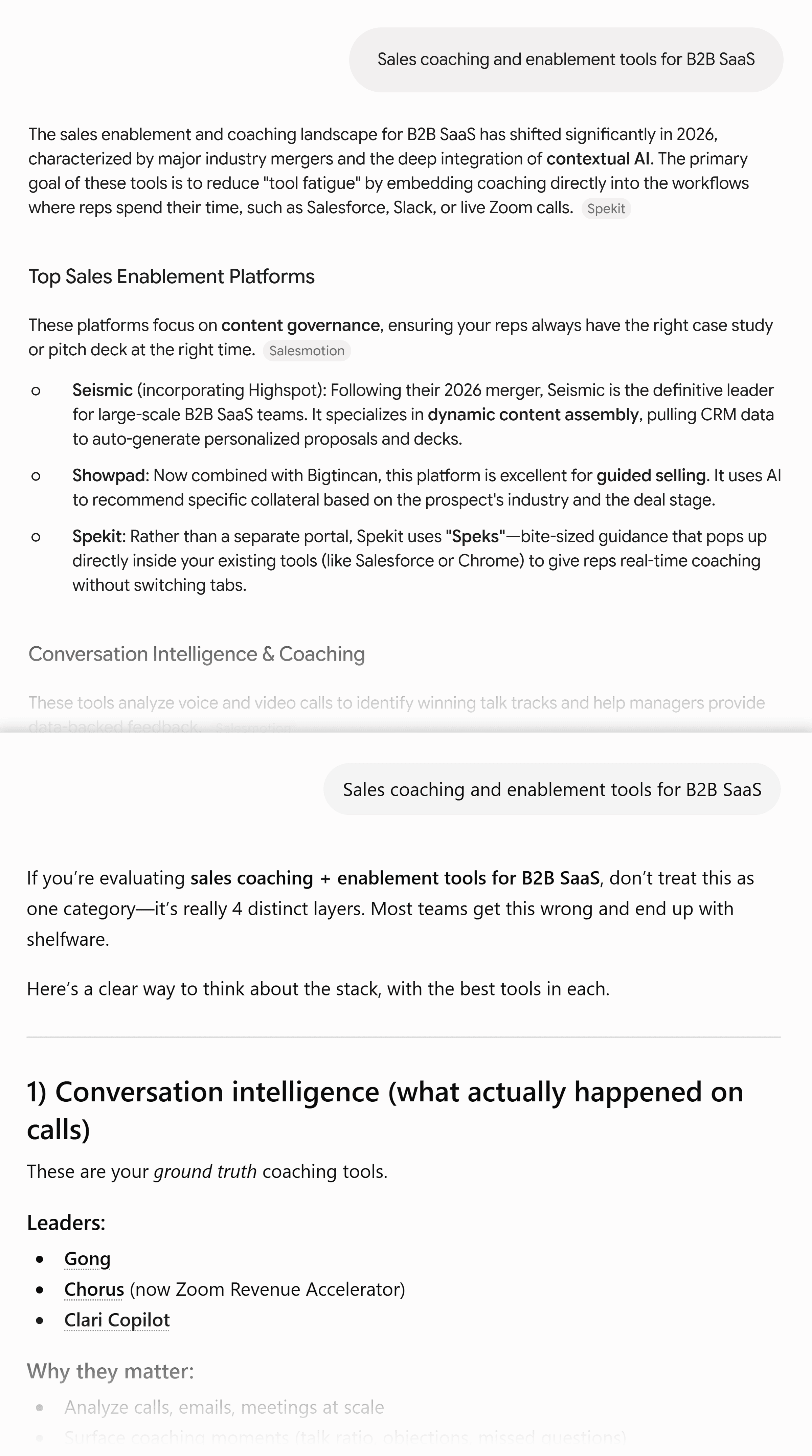
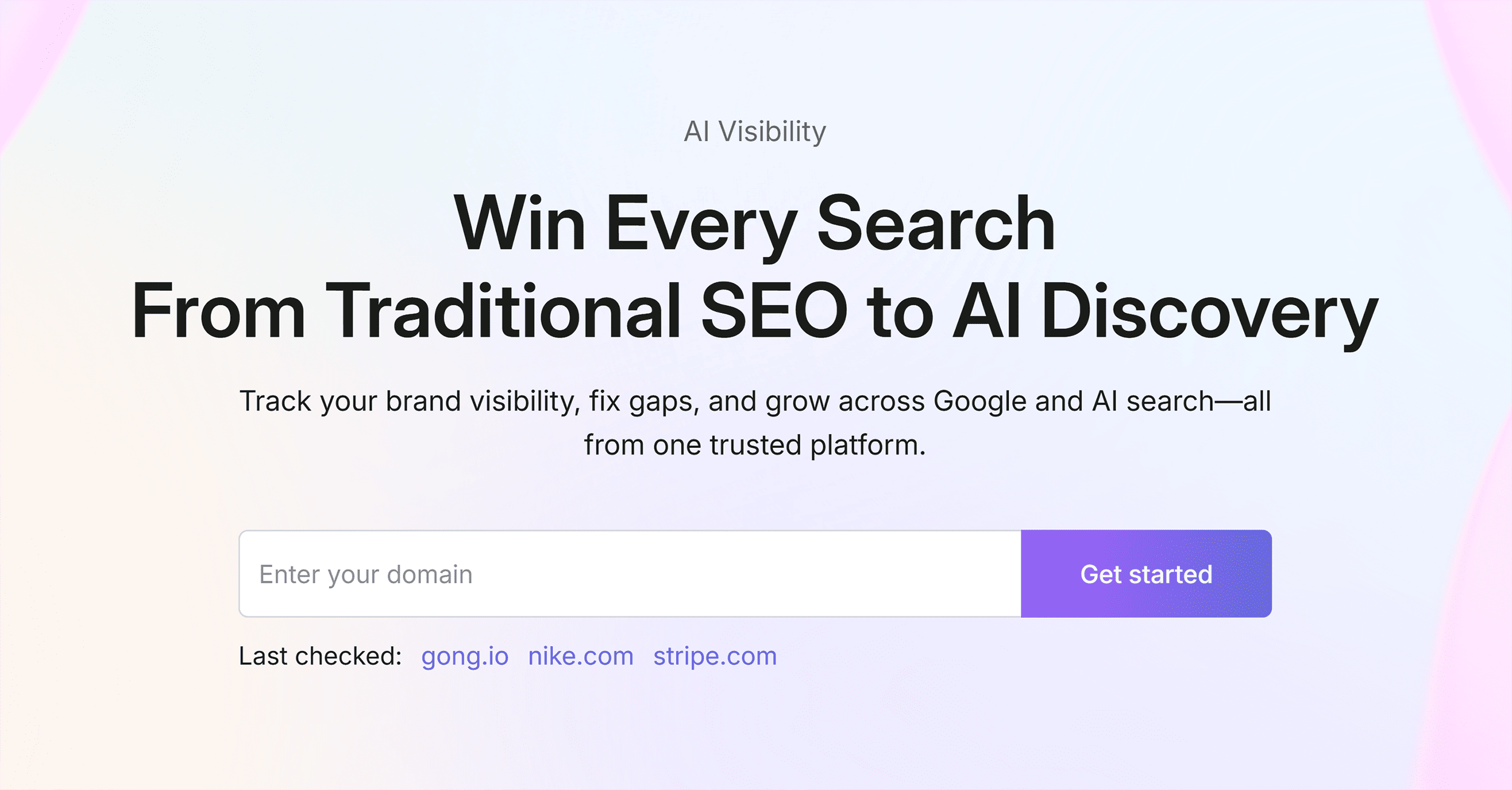
Finally, use AI-visibility tools to identify the specific prompts LLMs are currently prioritizing for your category. This ensures your tracker is grounded in real, live demand.
Implementation: A Step-by-Step Guide
You do not need an expensive enterprise platform to begin. A simple spreadsheet and 30 minutes of dedicated time per week are sufficient to get started.
1. Set Up Your Tracker
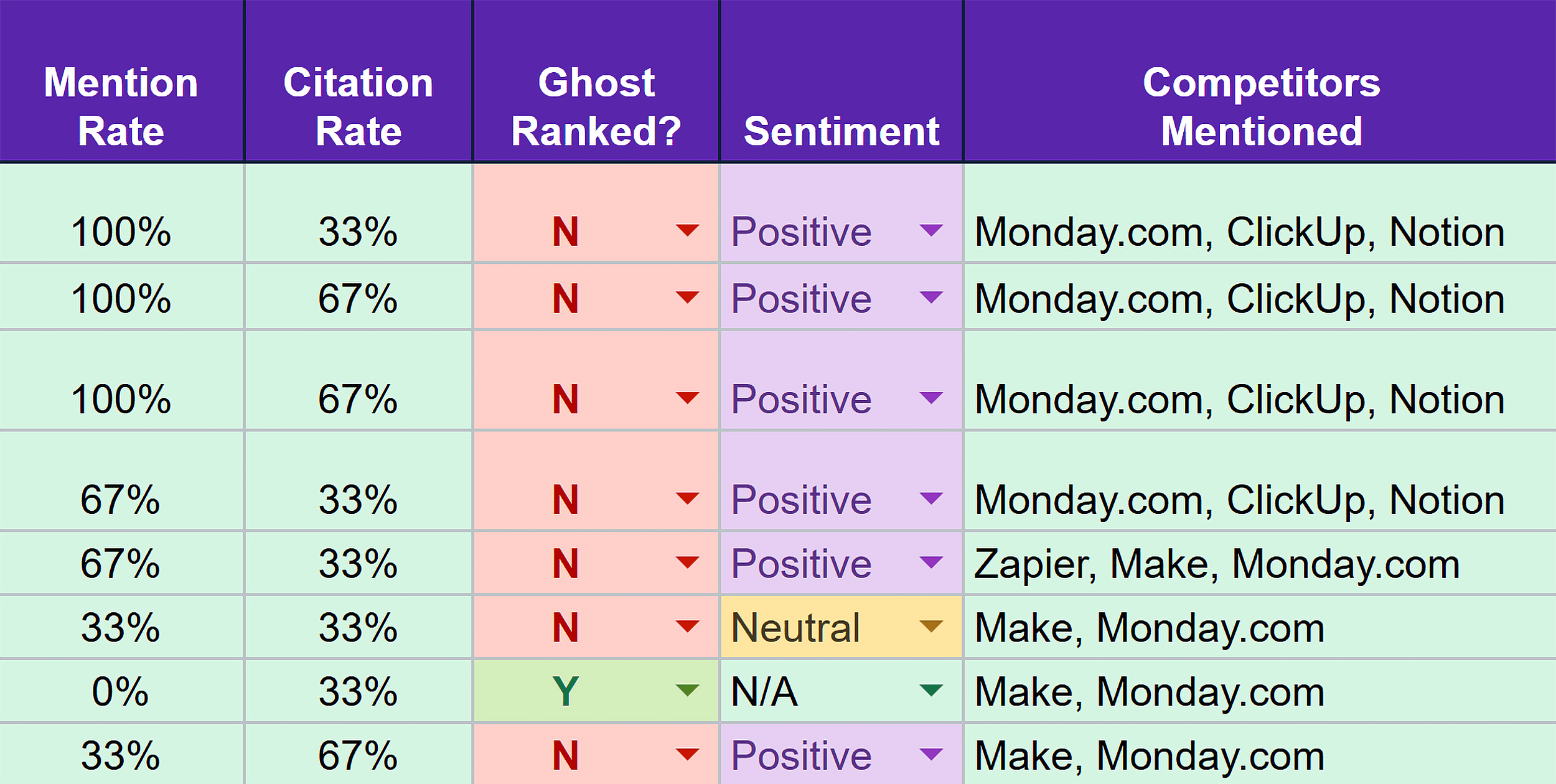
Create a spreadsheet that logs the following for each prompt:
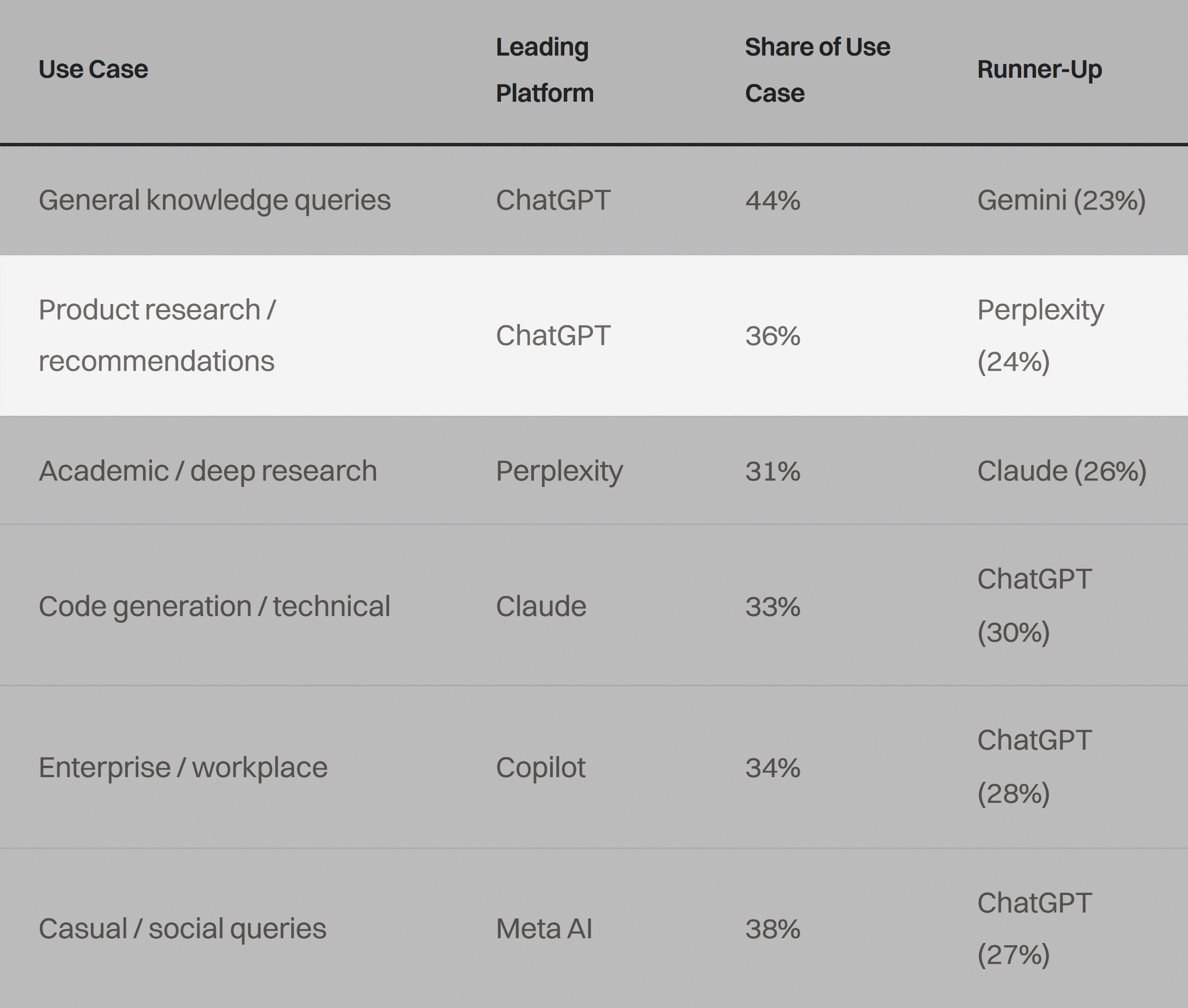
- The Prompt: The exact question being asked.
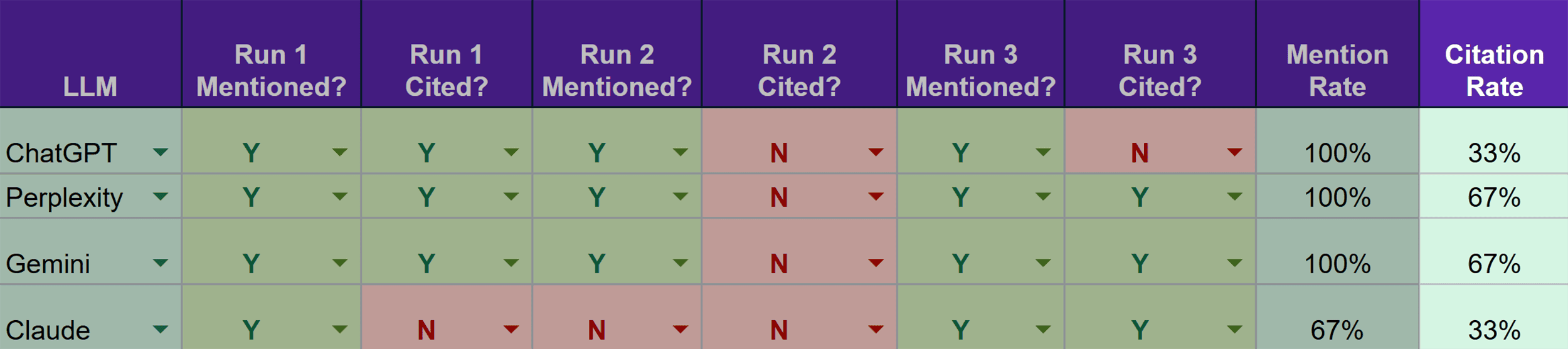
- LLM Used: (e.g., ChatGPT, Claude, Gemini, Perplexity).
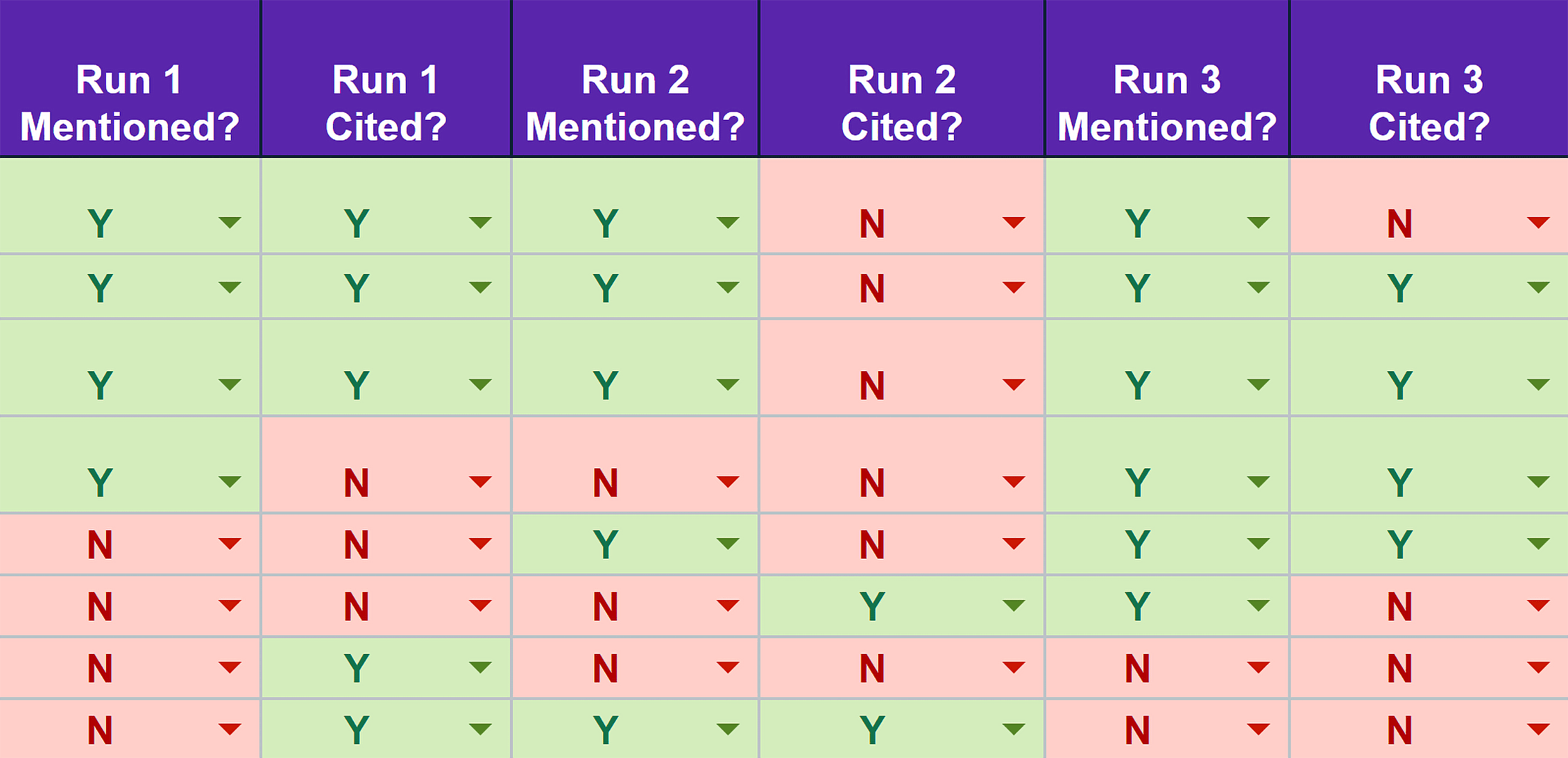
- Brand Mention: Yes/No.
- Citation: Does the AI link to your site?
- Competitor Mention: Which competitors were highlighted?
- Sentiment: Is the answer neutral, positive, or negative?
2. Run Periodic Audits
Because LLMs are non-deterministic, they will provide different answers in different sessions. To get a statistically significant signal, run your core prompts at least twice per session. Log the results consistently.
3. Track Trends, Not Moments
Avoid the temptation to react to a single "bad" week. A dip in visibility might be a temporary model update or a data weighting fluctuation. Only when you see a consistent trend—typically over four weeks—should you initiate a strategic shift.
Implications for the Future of SEO
As we move deeper into the age of AI, the definition of "SEO" will continue to expand. We are shifting from a discipline of "optimizing for algorithms" to "optimizing for information synthesis."
The brands that succeed in this environment will be those that view their web presence not just as a collection of pages, but as a robust, accurate, and authoritative knowledge graph that LLMs can trust.
Prompt tracking is the first step in this new reality. By identifying your gaps, monitoring your competitors, and systematically improving your visibility in AI-generated answers, you ensure that when a customer asks their digital assistant for the best solution in your category, your brand is not just present—it is the definitive answer.
The data is there. The conversations are happening. The question is: will your brand be part of them?