By Industry Analysis Desk
Published October 8, 2026
In the volatile landscape of global apparel retail, even industry titans are finding the current economic climate increasingly complex. Levi Strauss & Co., the iconic denim giant, recently faced a significant hurdle: its first net revenue miss in two years. As the company navigates a shifting consumer landscape, recent Q3 financial results highlight a stark dichotomy between the brand’s direct-to-consumer (DTC) performance and its robust wholesale operations. With the aid of strategic tariff reimbursements, the company is now attempting to retool its marketing and operational approach to regain momentum heading into the critical holiday season.
The Core Conflict: DTC Weakness vs. Wholesale Resilience
The central narrative of Levi’s Q3 performance is the unexpected softness in its direct-to-consumer channel. While the company has spent years aggressively pivoting toward a DTC-heavy model—aiming to capture higher margins and direct data insights—the recent quarter proved that the wholesale channel remains a critical, and often more stable, pillar of the business.
In both the United States and Europe, wholesale outperformed internal expectations, serving as a buffer against the sluggishness seen in company-owned retail stores and digital platforms. Industry analysts have long noted that while DTC offers brand control, it also carries the heavy burden of customer acquisition costs. In contrast, wholesale partners—major department stores and retail chains—absorb the significant expenses and logistical effort associated with marketing and storefront operations.
For Levi’s, the Q3 slump served as a poignant reminder that relying too heavily on internal retail channels in a period of cooling consumer demand can be a risky endeavor.
Chronology of the Q3 Miss and Recovery Efforts
The trajectory of Levi’s recent performance can be broken down into three distinct phases:
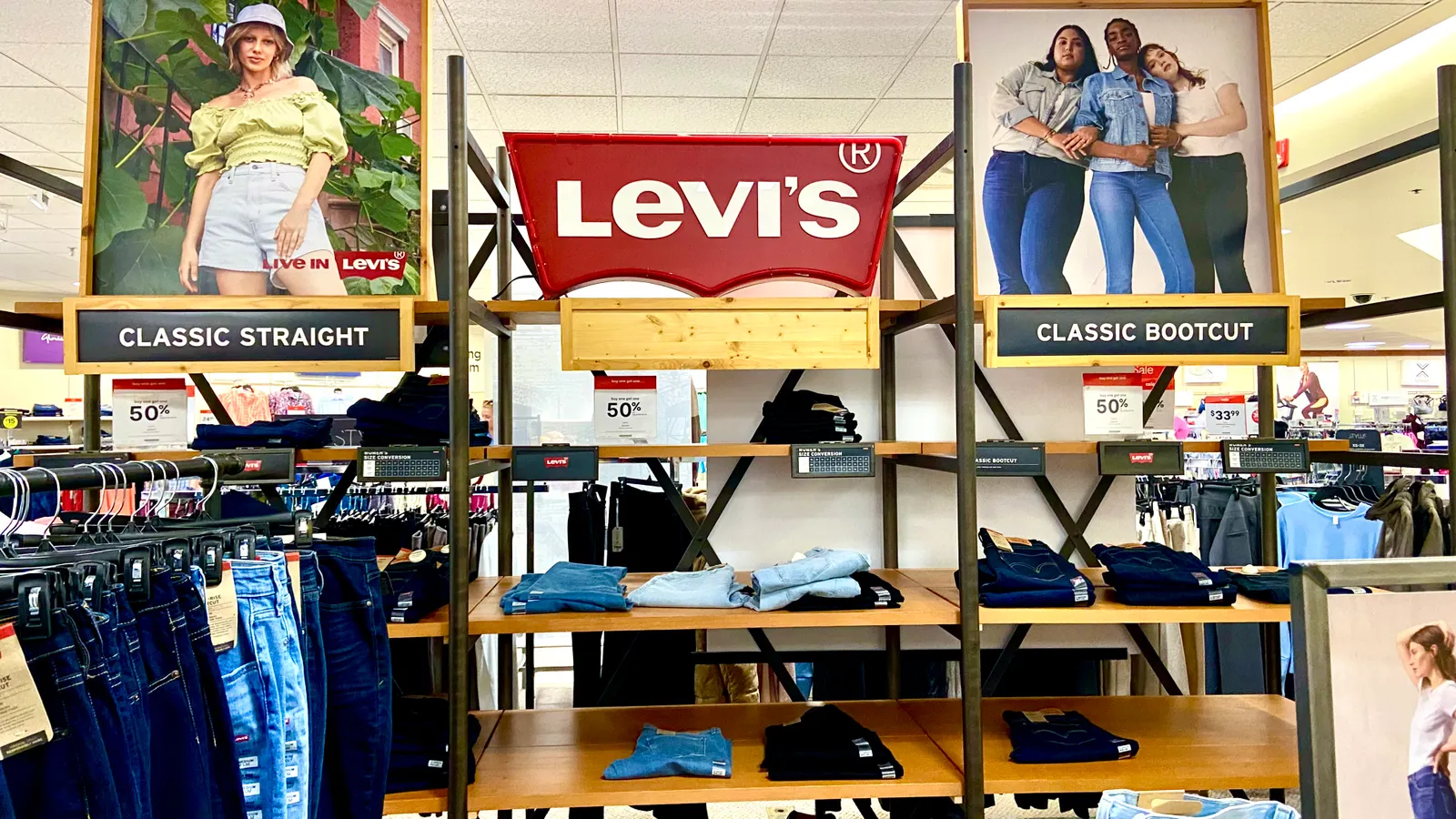
- The Summer Slump (July – August 2026): The quarter began with dampened demand across the back-to-school season. Retail traffic failed to materialize at the projected levels, leading to a disconnect between inventory planning and consumer purchasing habits. Simultaneously, an unseasonably brutal heatwave across Europe severely curtailed shopping activity, as consumers stayed away from retail centers during record-breaking temperatures.
- The Realization (Late August): As internal data confirmed a revenue miss, leadership identified a strategic misstep in product assortment. The brand had leaned heavily into "loose fit" denim styles, which had been a dominant trend for several seasons. However, market signals in the U.S. began shifting toward low-rise silhouettes. The misalignment resulted in inventory that did not fully resonate with the evolving fashion preferences of the target demographic.
- The Pivot (September – Present): Upon recognizing the trend shift, CEO Michelle Gass and her team moved with notable agility to recalibrate. By mid-September, the brand began adjusting its promotional focus. As temperatures in Europe moderated, the company reported a sharp rebound in DTC trends, signaling that the brand’s core health remains intact.
Supporting Data: The Impact of Tariff Refunds
A critical financial lifeline during this period has been the influx of roughly $80 million in tariff refunds. CFO Harmit Singh confirmed that these funds arrived at an opportune moment, providing the company with the liquidity necessary to pivot without compromising its long-term financial stability.
The allocation of these funds is a clear indicator of the company’s current priorities:
- Incremental Marketing: Approximately $25 million was deployed in Q3, with another $35 million slated for Q4 to drive demand and recapture consumer mindshare.
- Supply Chain Optimization: A portion of the remaining capital is being directed toward enhancing supply chain capabilities to increase long-term competitiveness.
- Promotional Value: Recognizing the price-sensitive nature of the current market, the company is using these funds to provide "sharper value" to consumers during the upcoming holiday promotional cycle.
These investments are essential. As Wells Fargo analysts observed, the quick recovery seen in the early weeks of the current quarter suggests that the brand’s underlying appeal is strong; it simply required a tactical infusion of capital to re-engage a distracted consumer base.
Official Responses: Leadership’s Vision for Growth
During the earnings call, CEO Michelle Gass was candid about the challenges faced in the third quarter, while maintaining an optimistic outlook for the remainder of the fiscal year.
"The good news is the team got after it very quickly, and we sharpened our focus," Gass stated. Addressing the product assortment issue, she emphasized that while the pivot toward low-rise styles is underway, the brand is not abandoning its roots. "Loose styles remain an important business and a big volume driver for us," she noted, clarifying that the goal is to balance trend-forward designs with the evergreen staples that anchor the Levi’s brand.
CFO Harmit Singh echoed these sentiments, particularly regarding the timing of the tariff refunds. "Our view is, the tariff refunds were timely," Singh remarked. By reinvesting the vast majority of these refunds back into the business, Levi’s is essentially choosing to sacrifice short-term margin expansion in favor of long-term market share retention.

Furthermore, regarding the international market, Gass noted that Europe’s current trajectory is a bright spot. "In Europe right now, DTC quarter-to-date, the trends are very robust… The brand is very healthy there."
Strategic Implications: The Future of the Levi’s Model
The implications of this quarter’s results extend beyond simple quarterly figures. For Levi’s, and the retail industry at large, this episode highlights several fundamental shifts in how legacy brands must operate.
1. The Myth of "DTC-First" Supremacy
The Q3 performance suggests that a "DTC-first" strategy should not be viewed as an absolute. The resilience of the wholesale channel during the slump demonstrates that retail partners provide a necessary "floor" for volume. As brands refine their omnichannel strategies, the focus must shift from merely growing DTC to achieving a balanced synergy where wholesale and DTC feed into one another rather than cannibalizing each other.
2. The Agility Mandate
The shift in consumer preference—from loose to low-rise—happened at a speed that caught even a global giant like Levi’s off guard. The ability to pivot inventory and marketing messaging within a single quarter is no longer a "nice-to-have" but a requirement for survival. Companies that cannot respond to micro-trends in real-time will find their margins eroded by the need for heavy markdowns to clear misaligned stock.
3. The Role of External Capital in Managing Volatility
The strategic use of the $80 million in tariff refunds highlights the importance of financial liquidity in maintaining operational consistency. By proactively funding marketing during a slump, Levi’s prevented a temporary revenue miss from spiraling into a long-term brand equity decline.
4. Macro-Economic Sensitivity
The impact of weather patterns in Europe on retail traffic reminds investors that apparel remains highly susceptible to external, uncontrollable factors. As global climate patterns shift, retailers must build more flexible supply chains that can shift product allocation to regions where weather or economic conditions are more favorable.

Conclusion
As Levi Strauss & Co. heads into the fourth quarter, the sentiment among analysts and leadership is one of cautious optimism. The "stumble" of Q3 has been diagnosed, and the corrective measures—bolstered by timely financial windfalls—are already in motion.
The brand’s ability to reconcile its massive wholesale footprint with its burgeoning DTC ambitions will be the defining challenge of the coming year. If the early, robust trends in Europe and the renewed marketing vigor in the U.S. are any indication, the company is well-positioned to navigate these choppy waters. The "denim giant" is proving that it is not just relying on the strength of its legacy, but on the agility of its modern operational strategy to stay relevant in a rapidly changing retail ecosystem.
For shareholders and consumers alike, the story of Levi’s in 2026 is one of learning to balance the weight of a historic brand with the relentless, changing demands of the modern, digital-first, and increasingly trend-obsessed global consumer.