The geopolitical friction between Washington and Tehran has entered a volatile new phase, as the United States intensifies its economic pressure campaign by targeting Iran’s aviation infrastructure. In a move that signals a departure from purely financial punitive measures, recent U.S. sanctions have forced the suspension of critical flight routes between Iran and neighboring nations, including Iraq (Baghdad), Oman (Muscat), and Azerbaijan.
These sanctions, which warn foreign airports and ground-service providers of severe penalties for facilitating Iranian airlines, have effectively severed key transit lifelines. By weaponizing the operational side of civil aviation, the U.S. is not merely restricting capital flow but is actively constraining the physical mobility of the Iranian state. As the international aviation community grapples with these restrictions, the broader implications for regional stability, global supply chains, and the potential for a total airspace closure remain at the forefront of market and political analysis.
Chronology of Escalation: From Financial Blockades to Operational Strangling
The current crisis did not emerge in a vacuum; it is the latest iteration of a decades-long policy of "maximum pressure." To understand the gravity of the current flight suspensions, one must view them as the culmination of a systematic effort to isolate Iran’s aviation sector.
The Initial Financial Barriers
For years, the U.S. has targeted the Iranian aviation industry by limiting access to the global financial system. By prohibiting the sale of aircraft parts, software, and maintenance services, Washington aimed to degrade the safety and efficiency of Iran’s aging commercial fleet. The strategy was to make it commercially unviable for international carriers to operate within Iranian territory.
The Shift to Secondary Sanctions
The recent escalation represents a tactical pivot. Rather than focusing solely on the carriers themselves, the U.S. has expanded its secondary sanctions to include any entity—be it an airport authority, a fuel supplier, or a ground-handling firm—that provides services to Iranian aircraft. This "guilt by association" policy has effectively turned Baghdad, Muscat, and Baku into risk-laden environments for Iranian carriers. Facing the prospect of being cut off from the U.S. dollar-denominated global financial system, these regional hubs have opted to suspend operations with Iranian partners, citing compliance risks.
The Recent Flight Suspensions
In the past week, the ripple effects have materialized. Iranian airlines, already struggling with the technical limitations of their fleet, found their schedules gutted. The routes to Baghdad, Muscat, and Azerbaijan were not merely commercial flights; they were vital conduits for trade, religious pilgrimage, and diplomatic travel. The sudden termination of these routes has left thousands of passengers stranded and forced a rapid, often chaotic, re-routing of regional transit.
Supporting Data: The Anatomy of a Crippled Sector
The impact of these sanctions can be quantified by examining the operational footprint of Iranian airlines in the current environment.
Fleet Vulnerability
Iran’s commercial aviation sector relies on a patchwork of aging aircraft, many of which have been cannibalized for parts due to the inability to source authentic components from Western manufacturers. According to industry analysts, the average age of the Iranian commercial fleet exceeds 25 years. The new sanctions exacerbate this, as any airport providing maintenance services to these planes now risks being labeled as a participant in a sanction-violating network.
Airspace Traffic Density
Data from global flight-tracking services indicates a measurable decline in transit traffic across the Iranian corridor. As U.S. sanctions make it risky for international carriers to use Iranian airspace—or to land at Iranian airports—global airlines have begun filing flight plans that circumvent the region entirely. This shift increases fuel consumption, labor costs, and flight durations for international operators, creating a long-term economic burden that extends far beyond Iran’s borders.
The Cost of Compliance
For regional airports in Iraq and Oman, the cost of continuing service to Iranian airlines has become prohibitively high. The legal and insurance premiums associated with servicing sanctioned entities have reached levels that make these routes unprofitable. Consequently, the suspension of these flights is as much a market-driven decision as it is a political one.
Official Responses and Diplomatic Posturing
The responses from the stakeholders involved have been predictably polarized, reflecting the deep-seated mistrust that defines the U.S.-Iran relationship.
Tehran’s Position
The Civil Aviation Organization of Iran (CAOI) has characterized the sanctions as "an act of aerial terrorism." Officials in Tehran argue that the U.S. is violating international aviation conventions, specifically the Chicago Convention on International Civil Aviation, which mandates the safe and orderly development of global air transport. Iran has threatened to lodge formal complaints with the International Civil Aviation Organization (ICAO), though such measures are largely seen as symbolic given the current geopolitical climate.
Washington’s Stance
The U.S. State Department and the Treasury’s Office of Foreign Assets Control (OFAC) maintain that the sanctions are necessary to curb what they describe as the "malign activities" of Iranian state-affiliated carriers. U.S. officials argue that these airlines have historically been used to transport illicit cargo, including weaponry and personnel, to regional proxies. For the U.S., the operational strangling of the aviation sector is a legitimate security imperative.
Regional Stakeholders
Countries like Oman and Iraq find themselves in an unenviable position. While they maintain cordial relations with Tehran, their integration into the Western-led financial system forces them to comply with U.S. mandates. The official statements from these nations have been muted, focusing on the need for "regulatory clarity" and "compliance with international law," a diplomatic way of stating that they cannot afford to lose access to the U.S. banking system.
Implications: The Looming Threat of Total Airspace Closure
As the situation evolves, observers are increasingly focused on the potential for a "worst-case scenario": a total, systemic closure of Iranian airspace to international traffic.
The "NOTAM" Watch
The primary indicator to watch is the issuance of official NOTAMs (Notice to Airmen) by the CAOI. If Iran begins to issue widespread restrictions on its own airspace as a retaliatory measure, the implications for global aviation would be catastrophic. A large-scale closure would force major carriers on the Europe-to-Asia routes to re-evaluate their flight paths, potentially leading to a permanent increase in ticket prices and global logistics costs.
Market Pricing and Uncertainty
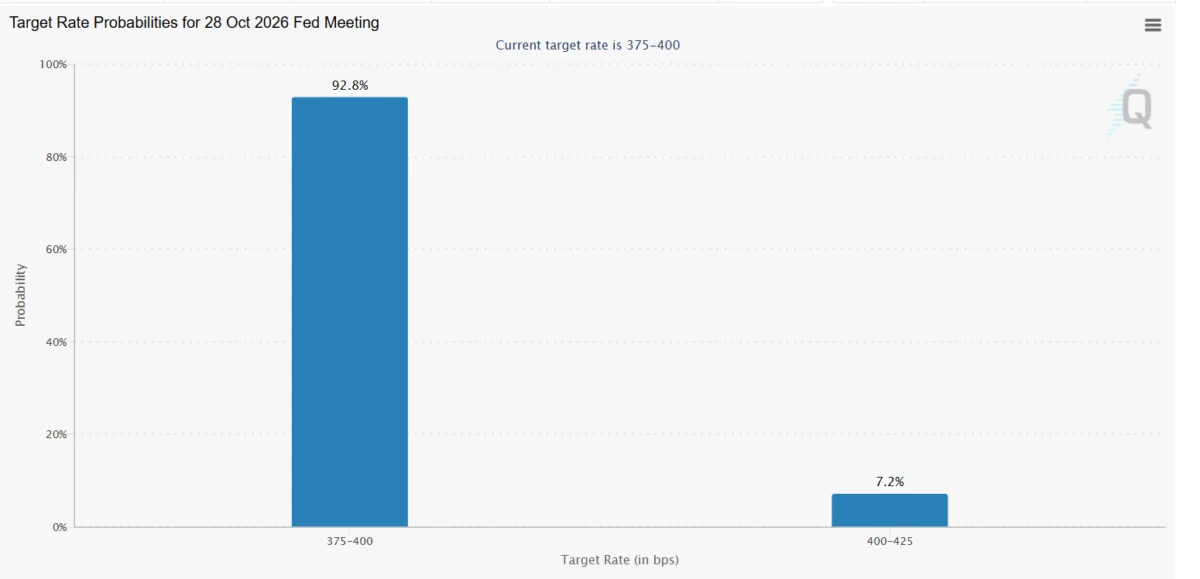
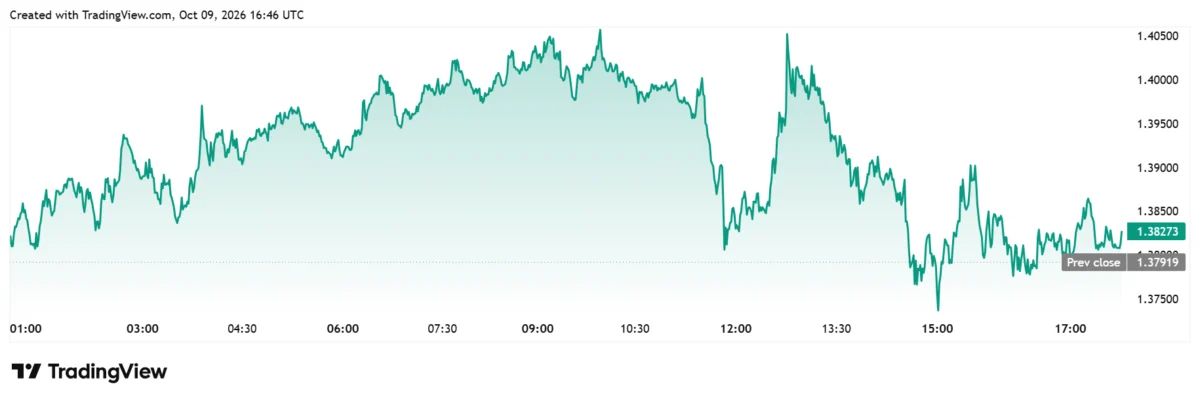
Prediction markets are currently pricing in a high level of volatility. The uncertainty surrounding whether the U.S. will continue to tighten the screws or whether a back-channel negotiation might lead to a temporary de-escalation is creating a "wait and see" environment for investors. Institutional participants are particularly sensitive to the possibility that these sanctions might be a precursor to broader, more aggressive military or economic actions.
The Humanitarian and Economic Toll
Beyond the strategic implications, there is the undeniable human cost. The suspension of regional flights prevents families from visiting, halts the movement of essential goods, and complicates the travel of students and medical patients. Economically, Iran’s already strained economy is facing further isolation, which may deepen the domestic divide, though historical precedent suggests that such sanctions often harden the resolve of the incumbent regime rather than leading to immediate political change.
Looking Ahead: A Fragile Future
The suspension of flights to Baghdad, Muscat, and Baku is a bellwether for the coming months. If the U.S. continues to pursue a strategy of operational strangulation, it is only a matter of time before the Iranian aviation sector—and the regional airspace it occupies—becomes a significant friction point in global affairs.
For those monitoring the situation, the key will be to look past the rhetoric. The real story is not in the public statements of politicians, but in the technical updates provided by civil aviation authorities and the risk assessments issued by the insurance syndicates that govern global aviation. As long as the U.S. remains committed to its current sanction trajectory, the regional skies will remain a theater of intense geopolitical maneuvering, characterized by shrinking access, rising costs, and the ever-present threat of further, more drastic, disruptions.
Disclaimer: This report is for informational purposes only and does not constitute financial or geopolitical advice. Market participants are encouraged to consult official NOTAMs and regulatory filings when assessing risks associated with the aviation sector.