
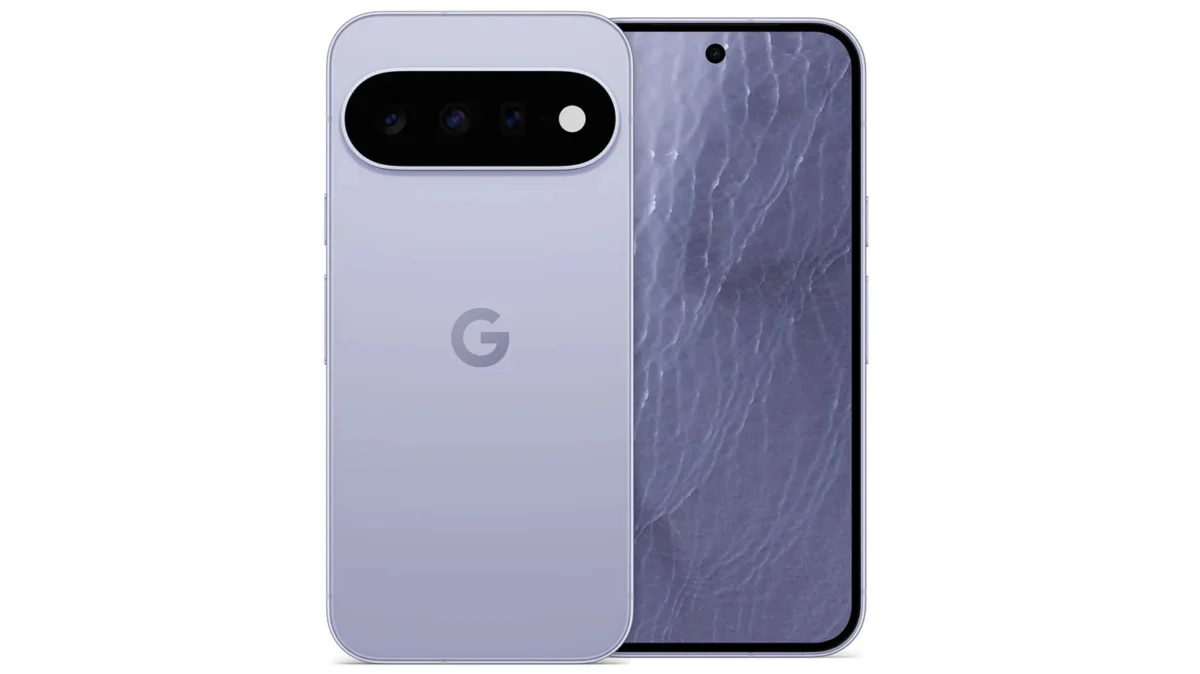
In an era where the smartphone serves as the central nervous system of our daily lives, Google continues to refine the user experience through its recurring "Pixel Drop" software updates. The September 2026 feature drop, officially unveiled this week, represents a significant leap forward in how users interact with their most important contacts, protect themselves from digital fraud, and leverage wearable technology. By introducing granular personalization for "VIP" contacts, expanding the global footprint of its Scam Detection AI, and bringing advanced gesture-based navigation to the Pixel Watch 5, Google is cementing its commitment to a cohesive, hardware-software ecosystem.
Core Updates: Redefining Digital Proximity
At the heart of the latest update is a reimagined approach to interpersonal connectivity. For users wielding a Pixel 6 or any subsequent model, the interface has become more attuned to the people who matter most.
The VIP Experience: Prioritizing What Matters
Google has introduced a suite of "VIP" interface enhancements designed to reduce the friction of reaching out to close friends, family, or professional collaborators. The update moves beyond simple speed-dialing, integrating deep-link widgets directly into the Android home screen. These widgets serve as a dedicated command center for favorite contacts, allowing users to initiate calls or send messages with a single tap.
Perhaps more importantly, the update introduces "Priority Notification Badges." These visual cues ensure that messages from pre-selected VIPs are not buried under a mountain of promotional emails or social media alerts. By distinguishing urgent communications at a glance, Google is attempting to solve the pervasive problem of "notification fatigue," where critical human connections are often sidelined by the constant barrage of digital noise.
Global Expansion of Scam Detection
Security remains a cornerstone of the Pixel brand. As phishing and SMS-based scams evolve, Google is deploying its most advanced threat-detection algorithms to combat fraudulent activity.
A Multi-Layered Defense Strategy
The latest update marks a significant expansion for Google’s Scam Detection feature, which is now operational in the United States, United Kingdom, Australia, Canada, Singapore, India, Germany, Mexico, Japan, and France. The utility of this tool has been broadened to monitor potential threats across various third-party chat applications, providing real-time alerts within the notification shade.
In the United States, this protection has been woven even deeper into the user experience via Gboard. The keyboard now actively scans for suspicious patterns in text input, alerting users to potential scam messages before they even hit "send" or respond to a questionable link. This move marks a departure from purely reactive security measures, shifting toward a proactive, "in-the-moment" prevention strategy that guards users against social engineering tactics.
Wear OS 7 and the Pixel Watch 5 Evolution
The wearable segment of the Pixel ecosystem has also received a substantial upgrade. With the rollout of Wear OS 7 to Pixel Watch 5 devices, Google is focusing on two pillars: intelligence and accessibility.
Gemini Offline and Enhanced GPS
The integration of Gemini, Google’s generative AI, has reached a new milestone. The AI is now more personalized and, crucially, functional in offline modes. This ensures that users can access assistance, set reminders, or manage their schedule without being tethered to a high-speed data connection—a vital improvement for hikers, travelers, and those in areas with poor cellular coverage. Additionally, GPS route tracking has undergone a calibration overhaul, promising higher precision for athletes and urban commuters alike.
The Rise of Gesture Control
Perhaps the most notable change for daily usability is the expansion of one-handed gesture controls. By leveraging the watch’s internal sensors, Google has enabled a more intuitive "pinch-to-interact" paradigm.
- Navigation: A double pinch now triggers the notification center from the watch face.
- Multitasking: The same gesture allows for seamless scrolling through Gemini responses and digital wallet cards.
- Mapping: Users can now toggle between detailed Google Maps reviews using simple hand movements, reducing the need to obscure the screen with a finger.
This update reflects a broader industry trend toward "frictionless computing," where the device disappears into the background of the user’s physical activity.
A Touch of Magic: The Harry Potter Collaboration
While the update is heavily focused on productivity and security, Google has also carved out space for personalization. Recognizing the emotional attachment users have to their devices, the company has partnered with the Wizarding World to offer Harry Potter Audiobook Packs for Pixel 6 and newer devices.
This customization suite—which includes curated wallpapers, unique system icons, and specialized audio alerts—is part of a broader marketing push that includes two free months of Audible for eligible users in ten major markets. It serves as a reminder that despite the heavy focus on AI and cybersecurity, the modern smartphone is also a vehicle for personal expression and entertainment.
Chronology of the Pixel Drop
The Pixel Drop series has become a hallmark of Google’s hardware strategy. Unlike traditional manufacturers who tether major feature updates to biennial hardware releases, Google’s "Drop" model creates a rolling cycle of improvement:
- Early 2026: Initial rollout of the foundational AI architecture for the Pixel 11 series.
- Mid-2026: Focus on health tracking and fitness integration for the Pixel Watch lineup.
- September 2026: The current "Connectivity & Security" focus, emphasizing the VIP contact system and global scam prevention.
This cadence allows Google to refine software based on real-world telemetry, ensuring that features are tested and optimized before reaching the mass market.
Supporting Data: Why This Matters
According to recent cybersecurity reports, mobile-based phishing attempts have increased by 40% year-over-year. By integrating scam detection directly into Gboard and notification streams, Google is positioning its hardware as a "safe harbor" in a dangerous digital landscape. Furthermore, data on user interaction shows that the average smartphone owner spends over 30% of their device time managing communication with fewer than five core contacts. The VIP widget update is a direct response to this behavioral data, aiming to streamline the most common user workflows.
Official Responses and Industry Implications
"We believe that technology should work for you, not the other way around," a Google spokesperson stated during the announcement. "By focusing on the ‘human’ side of the device—our relationships, our security, and our ease of movement—we are making the Pixel not just a phone, but a companion."
Industry analysts have noted that these updates place pressure on competitors like Samsung and Apple to increase the frequency of their own feature drops. While Apple’s iOS updates are generally massive, singular events, Google’s iterative approach provides a "freshness" factor that keeps users engaged with their devices long after the initial purchase date.
Implications for the Future of Mobile
The implications of the September 2026 update are profound. As AI becomes more deeply integrated into the operating system level, the distinction between a "smart" phone and a "proactive" device is blurring.
- Security as a Standard: By making Scam Detection a standard, global feature, Google is effectively raising the bar for what users should expect from their mobile carriers and manufacturers.
- Wearables as Control Interfaces: The expansion of gesture controls suggests a future where physical touch screens may become secondary to gesture-based interaction, particularly for wearable devices where screen real estate is limited.
- The Ecosystem Moat: By tying these features to the Pixel 6 and newer, Google is incentivizing users to remain within their hardware ecosystem, thereby increasing brand loyalty through superior software experiences.
Ultimately, the September Pixel Drop is a testament to the fact that the most impactful technological advancements are not always the loudest. By focusing on the nuances of communication, the quiet hum of security, and the fluid nature of human-computer interaction, Google is successfully evolving the smartphone from a tool into an intuitive partner in our digital lives. As we move into the final quarter of the year, these updates will undoubtedly serve as the benchmark against which other Android OEMs will be measured.