BERLIN, Germany – August 21, 2026 – German security services last year uncovered a clandestine weapons depot near the nation’s capital, Berlin, containing two pistols, with compelling indicators suggesting the arms may have been placed under the direct instruction of Russian intelligence services. The discovery, brought to light today by German media outlets, has ignited a fresh wave of concern over the escalating nature of foreign espionage and potential "kinetic operations" on German soil, a term widely understood to denote direct actions such as assassinations or sabotage.
The revelations, reported jointly by broadcasters NDR and WDR, and corroborated by the reputable daily "Süddeutsche Zeitung," underscore a chilling new dimension in the ongoing geopolitical tensions between Germany and Russia. The Federal Prosecutor’s Office has reportedly launched a full-scale investigation into the matter, acknowledging the gravity of the findings. The unearthing of a hidden cache of weapons, potentially intended for use in covert, violent acts, signals a significant escalation in what many observers describe as Russia’s hybrid warfare tactics within European borders.
Main Facts: A Chilling Discovery
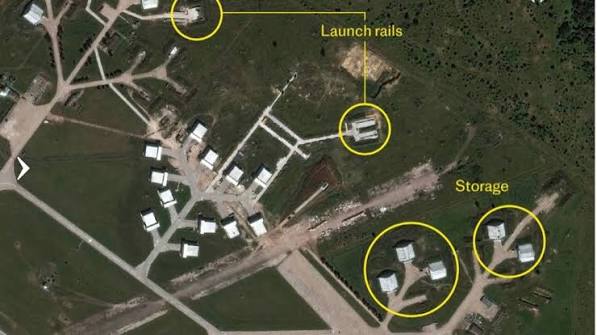
The core of the unfolding narrative centers on the discovery of a secret weapons cache, specifically two pistols, in a secluded location on the periphery of Berlin. This covert facility, described as a "depot," was reportedly found by German security services at some point in 2025. While the precise type and caliber of the firearms have not been publicly disclosed, their mere presence, coupled with the suspected Russian intelligence nexus, immediately triggered alarm bells within Germany’s counter-intelligence apparatus.
What elevates this discovery from a mere illegal weapons find to a matter of national security is the strong suspicion linking it to Moscow. German media reports indicate that intelligence assessments point towards the arms being positioned at the behest of Russian intelligence agencies. This implication transforms the incident from a criminal matter into a grave act of state-sponsored clandestine activity, potentially aimed at undermining German security and sovereignty.
The term "kinetic operations," used by the reporting outlets, is a critical piece of jargon within intelligence and military circles. It refers to direct physical actions involving the use of force, in contrast to non-kinetic operations such as cyberattacks or propaganda. In the context of espionage and foreign interference, kinetic operations can encompass a range of hostile acts, including targeted killings, sabotage of critical infrastructure, or other forms of direct physical disruption. The discovery of weapons strongly suggests preparations for such high-impact, violent interventions, rather than more conventional intelligence gathering or influence operations.
Further complicating the investigation, a suspect believed to be connected to the operation was reportedly arrested in Romania last year. This transnational element indicates a sophisticated, multi-country logistical network possibly employed by Russian intelligence to execute such covert actions, highlighting the broad reach and intricate planning involved. The Federal Prosecutor’s Office, the highest prosecuting authority in Germany responsible for cases of treason, terrorism, and other grave crimes against the state, is spearheading the inquiry, reflecting the seriousness with which German authorities are treating the matter.
Chronology of Events: Unraveling the Plot
The sequence of events leading to the public disclosure of this critical incident began in 2025, according to the German media reports.
2025 – Discovery and Initial Action: German security services, likely the Federal Office for the Protection of the Constitution (BfV) – Germany’s domestic intelligence agency – or other specialized units, located the secret depot outside Berlin. Inside, they found two pistols. Rather than immediately seizing the weapons, a strategic decision was made by the authorities. Officers initially deactivated the firearms to render them unusable but then deliberately left them in place. This unconventional approach was a calculated move, designed to turn the discovery into an intelligence-gathering opportunity.
2025 – Surveillance Operation: Following the deactivation of the weapons, the area surrounding the depot was placed under intense surveillance. The objective was clear: to identify individuals who might return to retrieve the arms. This tactic, common in counter-intelligence operations, aims to expose the handlers, couriers, or intended users of the cache, thereby unraveling the broader network behind the plot. However, despite the covert monitoring, no one reportedly returned to the site.
2025 – Suspect Arrest in Romania: Separately, or perhaps concurrently, a suspect believed to be involved in establishing the weapons depot was apprehended in Romania. This arrest suggests international cooperation between German and Romanian law enforcement or intelligence agencies. The individual’s role is believed to have been instrumental in setting up the clandestine storage facility on the outskirts of the German capital. The details surrounding this arrest, including the suspect’s identity and the specific charges, remain under wraps, but it represents a crucial breakthrough in understanding the logistical aspects of the operation.
2025 – Abandonment and Suspected Awareness: The failure of anyone to return to the surveilled depot led authorities to a troubling conclusion: the individuals responsible for the cache likely became aware that their secret had been compromised. This could have been due to a leak, a successful counter-surveillance operation by the adversaries, or simply a pre-arranged protocol for abandonment if a certain period elapsed without contact. This awareness would have prompted them to avoid the site, rendering the surveillance operation unsuccessful in identifying additional operatives.
August 21, 2026 – Media Reports and Public Disclosure: The details of this sophisticated counter-intelligence operation and the concerning implications of the discovery were brought to light by German media outlets NDR, WDR, and "Süddeutsche Zeitung." This public disclosure, nearly a year after the initial discovery, signals a point where authorities may deem it necessary or strategic to inform the public, or perhaps the information has been independently uncovered by journalists.
Supporting Data and Context: A Broader Geopolitical Game
The discovery of a Russian-linked weapons cache in Germany cannot be viewed in isolation. It emerges against a backdrop of deeply strained relations between Moscow and Western European nations, characterized by escalating hybrid warfare tactics, pervasive espionage, and a series of high-profile incidents that have eroded trust and heightened security concerns.
Hybrid Warfare and Escalation: The concept of "hybrid warfare" encompasses a range of military and non-military tactics used to destabilize an adversary without resorting to overt, conventional conflict. This includes cyberattacks, disinformation campaigns, political interference, and increasingly, covert physical operations. The alleged Russian attempt to establish a weapons depot for "kinetic operations" represents a dangerous escalation of these tactics. It suggests a willingness to move beyond digital and informational warfare to the potential use of lethal force on sovereign German territory. This mirrors warnings from various Western intelligence chiefs about the increasing readiness of hostile state actors to conduct sabotage or even assassinations.
Past Incidents and Patterns: Germany, like other European nations, has been a frequent target of alleged Russian state-sponsored activities.
- Cyberattacks: The 2015 Bundestag hack, attributed to Russia’s GRU military intelligence, caused significant disruption and revealed sensitive data. More recently, in 2023, Germany’s Social Democratic Party (SPD) was targeted in a similar cyberattack.
- Assassinations on German Soil: The 2019 assassination of Zelimkhan Khangoshvili, a former Chechen rebel commander, in Berlin’s Tiergarten park, was directly attributed by German courts to Russian state involvement. The court ruled that the murder was carried out on behalf of Russian state agencies, further solidifying concerns about Moscow’s willingness to conduct extrajudicial killings abroad.
- Sabotage and Espionage: Germany has also expelled numerous Russian diplomats suspected of espionage, and several cases of suspected Russian spies being apprehended on German territory have come to light. The Nord Stream pipeline sabotage in 2022, while its perpetrators remain officially unconfirmed, has fueled widespread speculation about state-sponsored sabotage targeting critical European infrastructure, further raising the specter of "kinetic operations."
Strategic Significance of Berlin: As Germany’s capital, Berlin holds immense symbolic and strategic importance. It is the seat of government, a major economic and cultural hub, and a significant diplomatic center. Any successful "kinetic operation" in Berlin would have profound political, psychological, and economic repercussions, demonstrating a direct challenge to German sovereignty and stability. The choice of location for the weapons cache, on the outskirts of the capital, suggests a readiness to strike at the heart of German power.
The Role of Romania: The arrest of a suspect in Romania highlights the international dimension of these clandestine operations. It suggests that Russian intelligence may be leveraging networks and operatives across multiple European countries to facilitate their activities, making detection and disruption more complex. The involvement of Romania underscores the necessity of robust international intelligence cooperation to counter such threats effectively. It also points to the potential use of "cut-outs" or third-country nationals to obscure the direct link to Russian state actors, a common tactic in covert operations.
Official Responses: Silence and Confirmation
The official response from German authorities has been cautious, reflecting the sensitive nature of an ongoing national security investigation.
Federal Prosecutor’s Office: German media reports confirm that the Federal Prosecutor’s Office (Generalbundesanwalt – GBA) is actively investigating the case. This confirmation is significant, as the GBA handles cases of particular importance, including those related to state security, terrorism, and espionage. Their involvement underscores the assessment that this is not a routine criminal matter but a potential act of foreign state aggression. The GBA typically maintains strict confidentiality on ongoing investigations to protect their integrity and avoid compromising evidence or alerting suspects.
Federal Office for the Protection of the Constitution (BfV): The German domestic intelligence agency, the BfV, has notably declined to comment on the ongoing investigation. This stance is standard procedure for intelligence agencies, which rarely confirm or deny details of their operations publicly. Their silence, however, implicitly acknowledges the sensitivity and importance of the case. The BfV’s primary mandate is to protect Germany’s constitutional order from threats, including foreign espionage and extremism. Their likely involvement in the initial discovery and subsequent surveillance operation is central to understanding the counter-intelligence efforts undertaken.
The limited official statements mean that much of the information regarding the specifics of the investigation, the identity of the Romanian suspect, the exact nature of the intelligence linking the weapons to Russia, and the potential targets of the "kinetic operations" remains undisclosed. This information vacuum often leads to heightened speculation and public concern, which intelligence agencies weigh against the need to maintain operational secrecy.
Implications: A New Era of Covert Threat
The discovery of a Russian-linked weapons depot near Berlin carries profound implications for Germany’s internal security, its foreign policy, and the broader European security landscape.
Heightened Internal Security Threat: The most immediate implication is a significant increase in the perceived threat to Germany’s internal security. The prospect of foreign intelligence services actively caching weapons for "kinetic operations" means that the risk of state-sponsored assassinations, bombings, or sabotage within German borders is no longer a theoretical concern but a tangible possibility. This will likely necessitate a review and enhancement of counter-intelligence measures, increased surveillance of suspected foreign agents, and greater vigilance across critical infrastructure and high-profile individuals.
Escalation of Geopolitical Tensions: This incident will undoubtedly further exacerbate already strained relations between Germany and Russia. While Berlin has consistently condemned Russia’s aggression in Ukraine and its broader destabilizing actions, evidence of direct preparations for violent covert operations on German soil represents a severe provocation. It could lead to stronger diplomatic protests, further sanctions, or even reciprocal expulsions of diplomats, further isolating Moscow. The incident reinforces the narrative that Russia poses a direct and multi-faceted threat to European security.
Challenge to Sovereignty and Rule of Law: An operation of this nature constitutes a blatant violation of German sovereignty and international law. It demonstrates a disregard for the principles of non-interference and peaceful international relations. For Germany, a nation deeply committed to the rule of law, such an act of clandestine aggression on its territory is particularly egregious and will likely strengthen resolve to counter hostile state activities more robustly.
Impact on Intelligence Cooperation: The transnational nature of the plot, evidenced by the arrest in Romania, highlights the critical importance of international intelligence and law enforcement cooperation. This incident will likely spur even greater collaboration between European security agencies to track, disrupt, and neutralize foreign intelligence networks operating across the continent. Sharing intelligence and coordinating responses will be paramount in confronting sophisticated, cross-border threats.
Public Trust and Awareness: The public disclosure of such a sensitive plot, even if delayed, will inevitably raise public awareness and concern about the invisible war being waged on German soil. It may lead to increased public pressure on the government to take stronger action against foreign interference and to ensure the safety of its citizens. The concept of "kinetic operations" can be particularly unsettling, as it moves beyond abstract cyber threats to the very real possibility of physical violence.
Long-Term Strategy Adjustments: In the long term, this discovery could influence Germany’s national security strategy, potentially leading to a re-evaluation of its approach to counter-intelligence, defense spending, and foreign policy vis-à-vis Russia. It underscores the need for a comprehensive strategy to counter hybrid threats that integrate diplomatic, economic, intelligence, and defensive measures.
The ongoing investigation by the Federal Prosecutor’s Office will be crucial in fully uncovering the extent of this alleged Russian operation, identifying all involved parties, and determining the precise intentions behind the hidden weapons cache. Until then, the incident serves as a stark reminder of the complex and often covert challenges facing European security in an increasingly volatile geopolitical landscape.