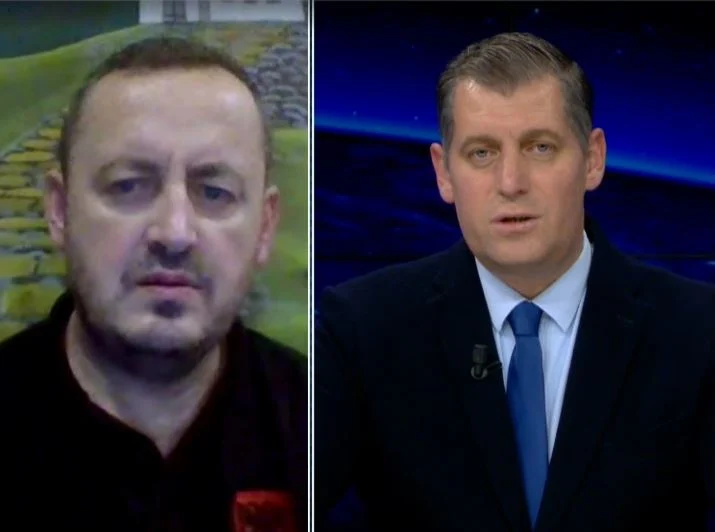
KORÇË, Albania – In a dramatic operation that captivated the nation, Albania’s elite special forces, RENEA, successfully apprehended Kristjan Sterjo, the prime suspect in the brutal murder of 20-year-old Joan Zuka in Korçë. The arrest, executed with precision near Sterjo’s residence, brought a tense, day-long manhunt to a decisive close, offering a glimmer of justice for the victim’s family and sending a strong message regarding law enforcement’s resolve. The tragic incident, coupled with Sterjo’s troubling past and defiant public persona, has reignited urgent discussions about youth crime, public safety, and the efficacy of the justice system in Albania’s southeastern region.
The capture of Sterjo follows an intensive search that mobilized significant police resources and highlighted the increasing alarm among citizens over violent incidents involving young individuals. Sources close to the investigation revealed that law enforcement acted on crucial intelligence suggesting Sterjo would attempt to return to his home to secure funds, a critical miscalculation that ultimately led to his downfall. This development marks a pivotal moment in a case that has deeply shaken the otherwise tranquil city of Korçë.
Main Facts: A City Gripped by Tragedy and Swift Justice
The tranquility of Korçë was shattered by the senseless killing of Joan Zuka, a 20-year-old whose life was abruptly cut short under circumstances that are still being fully uncovered. The immediate aftermath saw local police, supported by specialized units, launch a comprehensive search for the perpetrator. The focus quickly narrowed to Kristjan Sterjo, a young man with a documented history of problematic behavior and brushes with the law.
The arrest itself was a testament to the strategic planning and operational prowess of the RENEA forces. Operating under the cloak of impending dusk, the special forces moved in on Sterjo’s known whereabouts, securing him without major incident. This swift apprehension prevented a prolonged fugitive situation, which could have further destabilized public confidence.
Kristjan Sterjo is not an unknown figure to Korçë authorities. His profile paints a picture of a youth entangled in a cycle of defiance and violence, characteristics that were reportedly amplified through his brazen social media activity. His past includes a prior arrest for a knife wounding incident, a detail that now casts a shadow of profound concern over the justice system’s ability to prevent repeat offenses. The community’s reaction has been one of deep sorrow for Zuka’s family and an urgent demand for accountability, underscoring the broader implications of such violent acts on the social fabric of the region.
Chronology of a Tragedy and Elite Capture
The sequence of events leading to Sterjo’s arrest paints a vivid picture of a crime that shocked a community and a manhunt that showcased the capabilities of Albanian law enforcement.
The Fatal Incident:
The crime occurred in Korçë, a city renowned for its cultural heritage and generally peaceful atmosphere. While specific details surrounding the initial confrontation remain under tight wraps as the investigation progresses, it is understood that 20-year-old Joan Zuka sustained fatal injuries, leading to his tragic demise. The exact time and location of the murder have not been fully disclosed, but initial reports suggest it was a sudden and violent act that left the community reeling. Law enforcement was alerted to the incident, prompting an immediate and robust response. The discovery of Zuka’s body quickly escalated the case to a top priority, mobilizing all available police units within the Korçë district.
The Manhunt Begins:
Upon identifying Kristjan Sterjo as the primary suspect, an extensive manhunt was launched. Local police forces, familiar with Sterjo’s background and likely haunts, initiated immediate search protocols. Roadblocks were established at key exit points from the city, and patrols were intensified across neighborhoods where Sterjo was known to frequent. However, Sterjo, likely aware of the gravity of his alleged actions, managed to evade initial capture, disappearing into the city’s labyrinthine streets or perhaps seeking refuge in a pre-arranged hideout.
Recognizing the seriousness of the crime and the potential danger posed by a fugitive suspect with a history of violence, regional authorities escalated the situation, requesting the intervention of the Republic’s Special Intervention Force, RENEA. RENEA, known for its expertise in high-risk operations, counter-terrorism, and apprehending dangerous criminals, quickly deployed to Korçë. Their involvement signified the high stakes of the operation and the national importance placed on apprehending the suspect.
The afternoon following the murder was marked by intense activity. RENEA units, working in close coordination with Korçë police, meticulously combed potential locations, utilizing advanced surveillance techniques and intelligence gathering. The focus of the search was not merely to locate Sterjo, but to anticipate his movements and strategize a capture that would minimize risk to both law enforcement and the public.
The Critical Intelligence:
A pivotal moment in the manhunt arrived when intelligence operatives received actionable information regarding Sterjo’s intentions. It was learned that the suspect, despite his efforts to remain hidden, was running out of resources. Crucially, he was expected to return to the vicinity of his own home to collect money, presumably to facilitate his continued escape or to sustain himself in hiding. This piece of intelligence proved to be the turning point, allowing RENEA to establish a perimeter and prepare for a decisive interception.
The Dramatic Arrest:
As dusk settled over Korçë, RENEA forces strategically positioned themselves around the suspected area near Sterjo’s residence. The operation was characterized by stealth and precision, designed to catch the suspect off guard. When Kristjan Sterjo finally appeared, likely believing he was safe or at least unobserved, RENEA operatives moved swiftly and decisively. The arrest was executed with textbook efficiency, giving Sterjo no opportunity for resistance or further escape. He was secured without injury and immediately transported to the Korçë Police Directorate for initial questioning and formal processing. The successful apprehension brought a collective sigh of relief to the city and validated the tireless efforts of the combined law enforcement agencies. The focus now shifts from capture to prosecution, as investigators work to build a comprehensive case against Sterjo.
Supporting Data: The Troubled Profile of Kristjan Sterjo and the Victim’s Story
The alleged perpetrator, Kristjan Sterjo, is far from an unknown entity within the judicial and social circles of Korçë. His profile paints a grim picture of a young man consistently at odds with societal norms and the law, culminating in the grave accusations he now faces.
A History of Defiance and Violence:
Kristjan Sterjo has long been identified as one of Korçë’s most "problematic youths." This designation, often used by local authorities and community members, refers to individuals who consistently engage in anti-social behavior, petty crime, and show a blatant disregard for authority. Such individuals often struggle with integration into mainstream society, exhibiting a pattern of recklessness and a propensity for confrontation. Sterjo’s "shkujdesur" (reckless or carefree) lifestyle, as described in initial reports, points to a lack of concern for consequences, a trait often observed in individuals who repeatedly commit offenses.
His past criminal record includes a significant prior arrest for "plagosje me thikë" (knife wounding). While the specifics of that incident — its date, the victim, and the legal outcome (e.g., conviction, sentencing, time served, or early release) — are not detailed in the initial report, its mention is crucial. It establishes a pattern of violent behavior, specifically involving a weapon, and raises serious questions about the effectiveness of previous interventions by the justice system. Had the prior incident led to a more stringent sentence or effective rehabilitation, the current tragedy might have been averted. This history underscores a potential failure in deterring recidivism and managing high-risk individuals within the community.
The Digital Persona of a Troubled Youth:
Perhaps one of the most disturbing aspects of Sterjo’s public profile is his prolific use of social media. He reportedly utilized platforms to post photos and videos that not only showcased his "reckless life" but also openly "boasted" about it, "challenging the police and the law." This behavior is emblematic of a disturbing trend where individuals, particularly young offenders, use social media not just for personal expression but as a stage for defiance, seeking notoriety, and even glorifying criminal or anti-social activities.
Such content might include:
- Flaunting symbols of illicit wealth or status: Money, expensive items, or gatherings that suggest a lifestyle beyond legitimate means.
- Displays of aggression or weaponry: Photos or videos hinting at violence, or even directly showcasing weapons, intended to intimidate or assert dominance.
- Direct challenges to authority: Explicit messages or imagery mocking law enforcement, the judiciary, or the rule of law.
This digital bravado not only provides a disturbing insight into Sterjo’s mindset — a blend of arrogance, fearlessness, and a possible lack of empathy — but also serves as potential evidence for investigators. It reveals a personality seemingly devoid of remorse or fear of legal repercussions, traits often associated with persistent offenders. Furthermore, his online activity could have influenced or intimidated others, contributing to a broader culture of defiance among certain segments of youth.
Joan Zuka: The Victim:
In stark contrast to Sterjo’s troubled past, Joan Zuka, the victim, was a 20-year-old whose life was tragically cut short. While initial reports do not delve into Zuka’s personal background, the focus on Sterjo’s problematic nature implicitly positions Zuka as a victim caught in a senseless act of violence. It is common in such cases for the victim to be a young individual with aspirations, a family, and a future suddenly extinguished. As the investigation progresses, more details about Zuka’s life are expected to emerge, helping to humanize the tragedy and provide context to the loss felt by his loved ones and the wider community. The disparity between the alleged perpetrator’s troubled life and the victim’s potential innocence amplifies the community’s outrage and demand for justice.
Korçë’s Socio-Economic Context:
Korçë, located in southeastern Albania, is known for its strong cultural identity, historical significance, and a relatively stable community. However, like many cities, it grapples with underlying socio-economic challenges that can contribute to youth disaffection and crime. Issues such as limited economic opportunities for young people, emigration, and the influence of organized crime, while not directly tied to this specific incident without further evidence, form a broader societal backdrop against which such events unfold. The shockwaves from Zuka’s murder highlight how even seemingly peaceful communities can be vulnerable to pockets of entrenched criminal behavior, particularly among youth.
Official Responses and Investigative Pathways
The arrest of Kristjan Sterjo has elicited a series of official responses from various arms of the Albanian state, each underscoring a commitment to justice, public safety, and a thorough investigation. The ongoing legal process is now focused on meticulously gathering evidence and building a robust case.
Statements from Law Enforcement:
The Korçë Police Directorate, in conjunction with the Ministry of Interior, was quick to commend the successful operation. A spokesperson for the local police emphasized the dedication and tireless efforts of all officers involved, from local patrols to specialized intelligence units, in ensuring Sterjo’s swift capture. "This operation demonstrates our unwavering commitment to maintaining public order and bringing perpetrators of violent crime to justice," stated a police representative, assuring citizens that such acts would not be tolerated. The spokesperson also highlighted the critical role of inter-agency cooperation, specifically praising the decisive intervention of the RENEA forces.
RENEA’s command, while typically more reticent on operational specifics, acknowledged the successful execution of a high-risk apprehension. Their involvement underscores the gravity of the threat posed by Sterjo and the necessity of elite tactical units in such situations. A subtle message was conveyed that no individual, regardless of their cunning or attempts to evade capture, is beyond the reach of the state’s most formidable law enforcement capabilities.
The Prosecutor’s Office and Legal Proceedings:
With Sterjo now in custody, the Prosecutor’s Office in Korçë has taken charge of the legal proceedings. Prosecutors have confirmed that Sterjo will face charges related to the murder of Joan Zuka. Depending on the evidence gathered, additional charges, such as illegal possession of weapons (if the murder weapon is recovered and linked to him), resisting arrest, or other related offenses, could be added. The immediate steps involve:
- Formal interrogation: Sterjo will be questioned in the presence of legal counsel.
- Forensic analysis: Evidence collected from the crime scene, Sterjo’s person, and potentially his residence will undergo rigorous forensic examination. This includes DNA analysis, fingerprinting, ballistics (if a firearm was involved), and digital forensics from his electronic devices.
- Witness testimonies: Investigators will continue to interview witnesses, collect statements, and corroborate existing information.
- Motive establishment: A primary focus will be to definitively establish the motive behind Zuka’s murder, whether it was a personal dispute, a gang-related incident, or another underlying cause.
- Pre-trial detention: Given the severity of the charges and Sterjo’s past record, it is highly probable that the court will order pre-trial detention to prevent flight risk and potential obstruction of justice.
Governmental and Local Authority Reactions:
The Ministry of Interior has issued a broader statement, reaffirming the government’s priority on public safety and its commitment to combatting crime, particularly among youth. The statement likely included assurances of continued investment in law enforcement training, resources, and community policing initiatives. Such responses aim to reassure the public and demonstrate a proactive stance against criminality.
The Mayor of Korçë also released a statement, expressing profound condolences to Joan Zuka’s family and acknowledging the deep concern within the community. The Mayor’s message likely emphasized the need for unity, calm, and trust in the institutions of justice. Furthermore, it might have touched upon local initiatives to address youth engagement and prevent delinquency, indicating a broader strategy beyond mere law enforcement.
Challenges and Next Steps:
The investigative process will face several challenges, including piecing together the precise timeline of events, confirming the murder weapon, and establishing a clear motive. Given Sterjo’s history, investigators will also likely explore whether the murder was an isolated act or connected to broader criminal activities. The transparency and thoroughness of this investigation will be crucial in restoring public trust and ensuring that justice is not only served but also perceived to be served. The legal journey from arrest to potential conviction will be closely watched by the public and media, acting as a critical barometer for the effectiveness and fairness of Albania’s justice system.
Broader Implications and Public Discourse
The tragic murder of Joan Zuka and the subsequent arrest of Kristjan Sterjo have reverberated far beyond the immediate confines of Korçë, igniting a fervent public discourse on a range of pressing societal issues. The incident has laid bare anxieties about public safety, the challenges of youth crime, and the critical role of the justice system in a rapidly evolving society.
Heightened Public Safety Concerns:
As noted in the original report, the event has "raised an alarm among citizens of the southeast regarding public safety." This alarm is multifaceted. Firstly, it stems from the sheer brutality of the alleged crime and the tender age of the victim. Such acts of violence create a palpable sense of insecurity, making residents question their safety in public spaces and even within their own communities. The fear is not just of the immediate danger but of a creeping erosion of societal order.
Secondly, Sterjo’s prior arrest for knife wounding and his subsequent alleged involvement in a murder raises profound questions about the effectiveness of rehabilitation and the deterrent power of the justice system. Citizens are naturally concerned when individuals with a history of violence are perceived to be re-offending, leading to calls for stricter penalties, more rigorous monitoring, and better preventative measures. The perception that the justice system might be failing to contain repeat offenders can severely undermine public trust and confidence in the rule of law.
The Pervasive Issue of Youth Crime and Delinquency:
Kristjan Sterjo’s characterization as a "problematic youth" brings into sharp focus the broader challenge of youth crime and delinquency in Albania. This incident, while specific, fuels concerns that it might be indicative of a larger, systemic problem. Discussions are likely to emerge regarding:
- Root Causes: What factors contribute to young people turning to crime? These often include socio-economic disparities, lack of educational and employment opportunities, family dysfunction, exposure to violence, substance abuse, and the negative influence of peer groups.
- Preventative Programs: There will be renewed calls for more robust and effective preventative programs aimed at at-risk youth. This includes investing in educational initiatives, vocational training, mental health support, and community engagement projects that offer positive alternatives to a life of crime.
- Early Intervention: The importance of identifying and intervening with problematic youth at an early age will be emphasized. This requires collaboration between schools, social services, and law enforcement.
Effectiveness and Trust in the Justice System:
The case inevitably places Albania’s justice system under intense scrutiny. The fact that Sterjo, despite a previous arrest for a violent offense, was seemingly free to commit another, more egregious crime, highlights potential weaknesses. Key questions that arise include:
- Sentencing and Bail Practices: Were the penalties for his previous offenses sufficient? Were bail conditions, if any, adequately stringent, and were they properly monitored?
- Rehabilitation Programs: Are there effective rehabilitation and reintegration programs for young offenders, or are they simply cycling through the system without meaningful change?
- Judicial Reform: Albania has undergone significant judicial reform efforts. This incident will undoubtedly be used as a case study to assess the practical impact and remaining gaps in these reforms, particularly concerning the handling of repeat offenders and violent crimes.
- Public Perception of Justice: For the public, justice is not just about apprehending the perpetrator but also about ensuring that similar tragedies are prevented. A lack of perceived effectiveness can lead to disillusionment and a sense of impunity among criminals.
The Double-Edged Sword of Social Media:
Sterjo’s use of social media to "challenge the police and law" and "boast about his life" adds another layer of complexity to the discussion. This phenomenon, increasingly common globally, raises several issues:
- Glorification of Crime: Social media platforms can inadvertently become avenues for the glorification of criminal lifestyles, influencing impressionable youth.
- Challenges for Law Enforcement: While social media can provide valuable intelligence, it also presents challenges in monitoring, intervention, and distinguishing between bravado and genuine threats.
- Ethical Considerations: The use of such posts as evidence in court also raises ethical questions about privacy and freedom of expression, though these are typically outweighed by public safety concerns in serious criminal cases.
A Call for Collective Action:
Ultimately, the tragedy of Joan Zuka’s murder and Kristjan Sterjo’s arrest serve as a stark reminder that addressing complex issues like youth violence and public safety requires a multi-faceted approach. It necessitates not only robust law enforcement and an effective justice system but also proactive community engagement, comprehensive social programs, and a collective societal commitment to nurturing a safer, more just environment for all its citizens, particularly its youth. The people of Korçë, and indeed Albania, now look to their leaders and institutions for concrete actions that can transform this moment of grief and alarm into a catalyst for lasting positive change.