The retail landscape is undergoing a tectonic shift, moving away from desktop-centric e-commerce toward highly personalized, mobile-first ecosystems. At the forefront of this evolution is Edible Brands, the iconic retailer famous for its fruit arrangements and gifting solutions. Since the late-April relaunch of its mobile application and loyalty program, the company has reported significant gains in user engagement, conversion rates, and cross-channel traffic, marking a successful pivot toward a more integrated, marketplace-forward strategy.
As Edible Brands continues to climb the ranks of North America’s largest online retailers—currently holding the No. 182 position in the Digital Commerce 360 Top 1000 Database—its recent digital overhaul serves as a case study for legacy brands looking to modernize their customer experience (CX).
The Core Transformation: Redesigning the Digital Experience
The decision to overhaul the mobile app was not merely a cosmetic update; it was a strategic response to evolving consumer expectations. Erica Randerson, Chief Digital Officer at Edible Brands, emphasized that the goal was to streamline the "gifting journey," making it more intuitive from the initial product discovery phase all the way to the final checkout.
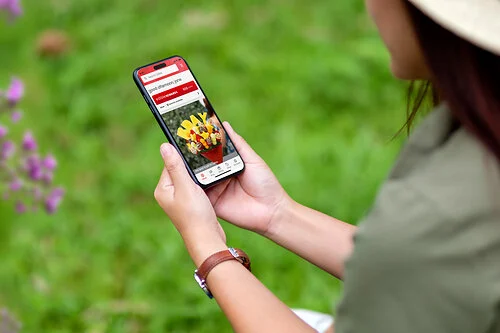
The updated app, available on both iOS and Android platforms, features a revamped user interface designed to remove friction from the often-complex gifting process. Beyond the UI, the company introduced a sophisticated, four-tier loyalty program. To ensure seamless adoption, the brand executed a complex data migration that allowed existing members to retain their points and rewards, effectively bridging the gap between the legacy experience and the new, enhanced ecosystem.
A Marketplace-Forward Philosophy
One of the most significant shifts in the new app is the expanded product catalog. Randerson noted that the app is now "marketplace-forward," offering a wider breadth of products than what is traditionally visible on the brand’s desktop or mobile-optimized websites. By integrating both franchise-fulfilled products and curated partner offerings, Edible Brands has transformed its app from a static catalog into a comprehensive gifting destination.
Chronology of Innovation: From Concept to Conversion
The trajectory of this transformation began long before the April 2026 launch, rooted in an internal recognition that the brand needed to capture more customer data and foster long-term loyalty.
- Early 2025: Edible Brands initiates its "gift recipient" campaign, a strategic move designed to turn one-time recipients into lifelong customers. By utilizing QR-coded hang tags on delivered gifts, the company began the process of building a direct-to-consumer (DTC) database of gift recipients.
- Q1 2026: Final testing phases for the mobile app and loyalty program occur, focusing on the integration of artificial intelligence for personalized recommendations and user-friendly gift list curation.
- Late April 2026: The official launch of the redesigned mobile app and the four-tier loyalty program.
- May–August 2026: The post-launch period shows immediate, explosive growth. Traffic to the app spikes by 200%, and the company records over 160,000 new downloads within the first four months.
- Current Status: Edible continues to optimize its mobile ecosystem, focusing on the conversion of mobile web users to app users to unlock higher lifetime value.
Supporting Data: The Quantitative Impact of the Relaunch
The success of the app is not merely anecdotal; it is evidenced by a robust set of performance metrics that underscore the efficacy of the brand’s strategy.
Engagement and Conversion
Since the relaunch, the app has seen a 200% increase in traffic. Perhaps most importantly, the conversion rate on the app has stabilized at over 3%, a healthy metric in the competitive specialty food and gifting space. Furthermore, the brand has successfully acquired 25,000 new account holders, while simultaneously migrating a significant portion of its existing, web-only customer base into the app ecosystem.
Data shows that 34% of customers who transacted digitally since January 2024 have already made the jump to the new mobile app. This migration is vital, as it allows Edible to move away from anonymous web traffic toward logged-in, loyalty-tracked interactions.
Channel Revenue Distribution
The revenue breakdown for 2026 highlights a complex, multi-channel reality:
- Mobile Website: While mobile web visitors account for 66% of the company’s total website traffic, this channel contributes 59% of overall revenue.
- Desktop Website: Desktop users, while representing a smaller share of traffic (34%), still contribute 36% of revenue, indicating a higher propensity for larger or more complex gift orders.
- Mobile App: The app currently accounts for 5% of total revenue. While this figure may appear modest, it is expected to grow as the brand pushes for more app-exclusive features and personalized incentives.
Average Order Value (AOV)
The AOV remains highest on the desktop, a common trend in e-commerce where users typically prefer a larger screen for complex transactions. However, the gap is narrowing, suggesting that the mobile app’s new UI is successfully handling more sophisticated, higher-ticket orders.
The Gift Recipient Campaign: Turning Recipients into Repeat Customers
One of the most innovative components of Edible’s recent growth strategy is the "gift recipient" campaign. Historically, retailers in the gifting space suffer from a "blind spot": they know who sent the gift, but they have little to no contact with the person who actually receives the gift.
Edible addressed this by placing a QR-coded hang tag on every gift. The tag invites recipients to a landing page where they can claim a free Dipper Fruit Cone at a local store in exchange for their contact information.
The results have been substantial:
- 175,000+ new contacts: The company has captured a massive pool of potential customers.
- 10% redemption rate: Nearly one in ten recipients visited a physical store, effectively introducing them to the brand’s brick-and-mortar footprint.
- Incremental Revenue: These "recipients-turned-customers" are generating revenue with an AOV of approximately $62. While this is slightly lower than the average customer, the acquisition cost of these leads is incredibly low, providing a high return on investment (ROI).
Implications for the Retail Industry
The success of Edible Brands highlights three key trends currently shaping the future of digital retail:
1. The Death of the "One-Size-Fits-All" Website
Edible Brands’ decision to offer exclusive products on their app that are not available on their desktop site proves that the future of retail is segmented. Brands are increasingly treating the mobile app as a "walled garden" that provides a more curated and rewarding experience than the open web.
2. The Importance of Data Capture in Gifting
The gift recipient campaign demonstrates that even legacy retailers can bridge the "offline-to-online" gap. By using the physical delivery of a gift as a touchpoint for digital acquisition, Edible has found a creative way to solve the attribution problem that has plagued the gifting industry for years.
3. AI and Personalization as a Competitive Moat
Ranked No. 581 in Digital Commerce 360’s new AI Rankings, Edible is clearly signaling that artificial intelligence will play a major role in its future. The curation of gift lists and the use of birthday reminders are just the beginning. As the brand continues to refine its app, we can expect to see deeper integration of predictive analytics, helping the company anticipate customer needs before the customer even begins their search.
Conclusion: A Blueprint for Growth
Edible Brands has effectively proven that a legacy retailer can successfully pivot toward a mobile-first, data-driven model without losing the essence of its brand identity. By focusing on the friction points in the customer journey and leveraging its physical footprint to build its digital database, the company has created a sustainable growth engine.
For competitors and industry observers, the lesson is clear: in an era of hyper-competition, the winner is not necessarily the brand with the most traffic, but the brand that can most effectively convert that traffic into a personalized, loyalty-focused relationship. As Edible continues to refine its mobile experience and expand its marketplace, the company remains a primary example of how to successfully navigate the complexities of modern digital commerce.