In a significant move to streamline the global e-commerce landscape, BigCommerce, the leading open SaaS e-commerce platform, has officially announced the expansion of its integrated payment solution, "BigCommerce Payments by PayPal," into the United Kingdom. This rollout marks the first international milestone for the solution, which originally debuted in the United States in May 2026. By embedding sophisticated payment processing directly into the BigCommerce control panel, the company is aiming to dismantle the operational silos that have long hindered small-to-medium enterprises (SMEs) and large-scale retailers alike.
Main Facts: Simplifying the Payment Ecosystem
The introduction of BigCommerce Payments to the UK market is designed to centralize the fragmented world of online transaction management. For many e-commerce merchants, the process of handling payments currently involves juggling multiple providers, varying fee structures, and disparate reconciliation processes.
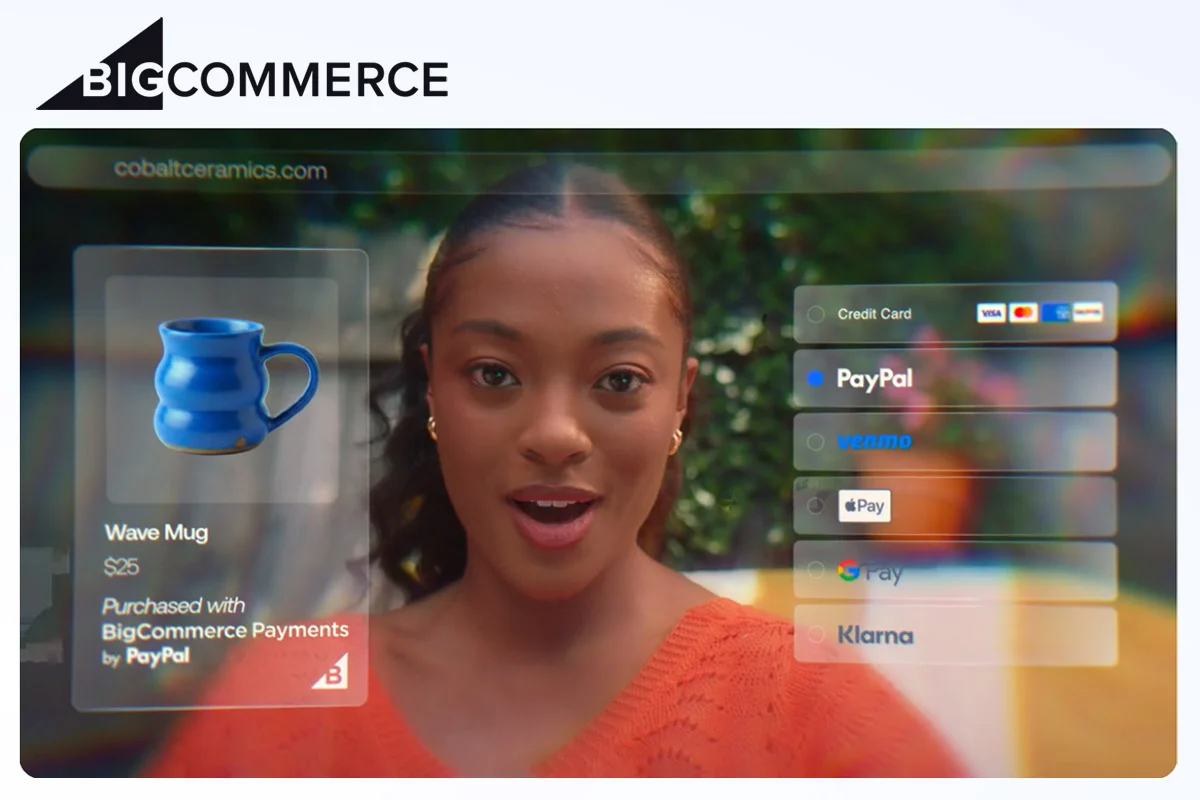
BigCommerce Payments by PayPal consolidates this complexity. By integrating card payments, digital wallets—including Apple Pay and Google Pay—and PayPal’s proprietary "Pay Later" financing options into a single, native checkout experience, BigCommerce is offering a "one-stop shop" architecture. Crucially, the solution features a dedicated "Money" dashboard within the BigCommerce Control Panel. This dashboard provides merchants with real-time visibility into their transaction history, payout statuses, and current account balances without the need to toggle between external financial portals.
Despite the deep integration, the company emphasizes that the fundamental merchant-processor relationship remains intact. While the solution is co-branded, the underlying financial relationship is held directly with PayPal, ensuring that merchants maintain the security and trust associated with a global leader in financial services while enjoying the streamlined user interface provided by BigCommerce.
Chronology: A Decade of Synergy
The launch in the UK is the culmination of over ten years of strategic partnership between BigCommerce and PayPal. This relationship has evolved from simple checkout buttons to deep-level infrastructure integration.
- 2014–2024: BigCommerce and PayPal establish a foundational partnership, focusing on standard API integrations to facilitate basic payments.
- May 2026: The official launch of BigCommerce Payments in the United States. This initial rollout served as the "proof of concept" for a fully embedded payment architecture.
- Mid-2026: Post-launch analysis of the U.S. market reveals significant improvements in checkout conversion rates and reduced administrative overhead for merchants.
- Late 2026/Early 2027: Development teams begin the localization process to adapt the platform for the regulatory and banking requirements of the UK market.
- Current Date: The official launch of the UK market, representing the first phase of an aggressive international expansion roadmap.
Supporting Data: The Cost of Operational Drag
The impetus for this expansion is rooted in the high cost of operational inefficiency. Modern merchants are often forced to manage payments across multiple systems—a process that is not only time-consuming but prone to human error and data fragmentation.
According to internal BigCommerce research, merchants using fragmented payment stacks lose an average of several hours per week on manual reconciliation. In an era where "time to revenue" is the primary metric for growth, these manual processes act as a form of "operational drag."
By centralizing transactions, merchants can:
- Reduce Reconciliation Time: Automated reporting tools within the "Money" dashboard minimize the time spent matching invoices to bank deposits.
- Improve Conversion: By offering a comprehensive suite of digital wallets (Apple Pay, Google Pay, etc.) in a single, native checkout flow, merchants significantly reduce cart abandonment—a persistent issue for mobile-first shoppers.
- Optimize Cash Flow: Real-time visibility into balances allows merchants to make faster, more informed decisions regarding inventory procurement and marketing spend.
Official Responses and Strategic Vision
The sentiment from BigCommerce leadership highlights a shift from viewing payments as a "necessary evil" to treating them as a strategic growth lever.
Michaela Weber, Senior Vice President of Payments at BigCommerce, addressed the launch by emphasizing the necessity of simplification: "Merchants are managing payments across multiple systems. It costs them time, creates friction and keeps money locked in manual processes. BigCommerce Payments gives merchants one place to manage transactions, payouts and account balances. It’s a straightforward value proposition: reduce operational drag, maintain control and focus on growing revenue."
This perspective suggests that the company is no longer merely a software provider; it is positioning itself as a financial orchestrator for its merchants. By aligning its technological roadmap with PayPal’s financial scale, BigCommerce is effectively lowering the barrier to entry for merchants who wish to operate with the sophistication of enterprise-level retailers.
Implications: The Future of E-Commerce Infrastructure
The expansion of BigCommerce Payments into the UK has far-reaching implications for the e-commerce sector, both locally and globally.
1. The Rise of "Embedded Finance"
This move is a prime example of the "Embedded Finance" trend. By embedding financial services directly into the platform where commerce occurs, BigCommerce is essentially turning its dashboard into a fintech hub. For the merchant, this means less reliance on third-party accounting software for basic payment tracking, as the platform itself becomes the source of truth for financial data.
2. Competitive Pressure on Other SaaS Platforms
The BigCommerce-PayPal alliance sets a high bar for other e-commerce platforms. Competitors who offer fragmented or clunky payment integrations will likely face increased pressure to provide similar "native" experiences. Merchants have grown accustomed to the seamless UX provided by major tech companies, and they are increasingly unwilling to tolerate the friction of disparate, poorly integrated payment gateways.
3. The UK as a Gateway to Europe
Choosing the UK as the first international market is a calculated decision. The UK maintains one of the most mature and digitally advanced e-commerce markets in the world. By successfully navigating the regulatory landscape and consumer preferences of the UK, BigCommerce is building a blueprint for further expansion into the European Union and beyond. The technical architecture developed for this rollout will serve as the foundation for future regional launches, likely incorporating regional payment methods (such as iDEAL in the Netherlands or Klarna in the Nordics) as the program scales.
4. Merchant Autonomy and Security
A critical aspect of this solution is the maintenance of merchant-PayPal relationships. By ensuring that the merchant remains the primary account holder with the processor, BigCommerce avoids becoming a "middleman" that could potentially lock merchants into proprietary, opaque financial ecosystems. This preserves merchant autonomy, ensuring that businesses can negotiate rates and terms directly with their payment processor while enjoying the convenience of the BigCommerce interface.
Conclusion: A New Standard for Digital Retail
The launch of BigCommerce Payments in the UK is more than a mere software update; it is a strategic repositioning of the e-commerce platform toward a more integrated, efficient future. As the global economy continues to prioritize speed and data-driven decision-making, the ability to manage the entirety of a business—from product listing to financial reconciliation—within a single, unified environment will become the standard.
For UK merchants, the immediate benefit is clear: a reduction in the "operational drag" that hampers growth. For the broader industry, it is a signal that the future of e-commerce lies in the convergence of software and financial services. As BigCommerce continues its phased international rollout, the company appears well-positioned to capitalize on the growing demand for platforms that provide not just the storefront, but the entire financial back-end required to succeed in the modern digital economy.
By prioritizing transparency, merchant ownership, and a seamless checkout experience, BigCommerce is proving that the most successful technology companies are those that focus on removing the friction from the mundane, enabling their users to focus on the truly important task: scaling their business.