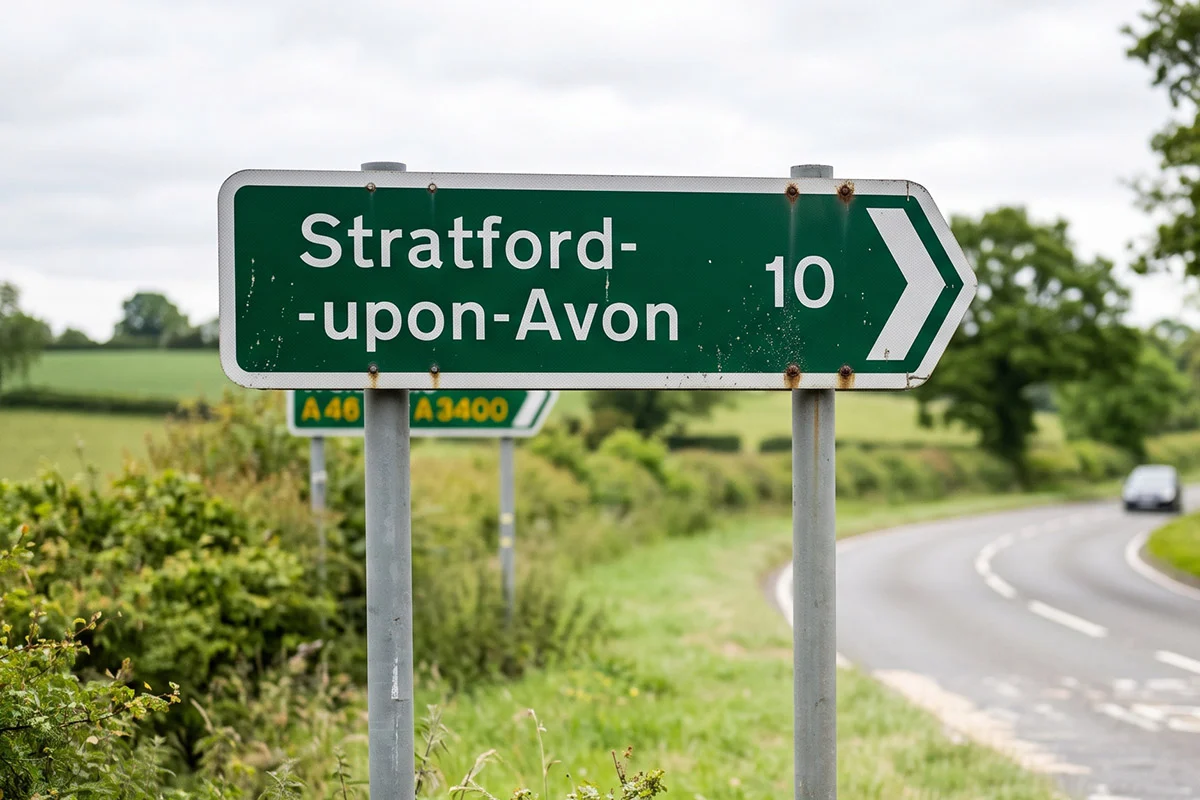
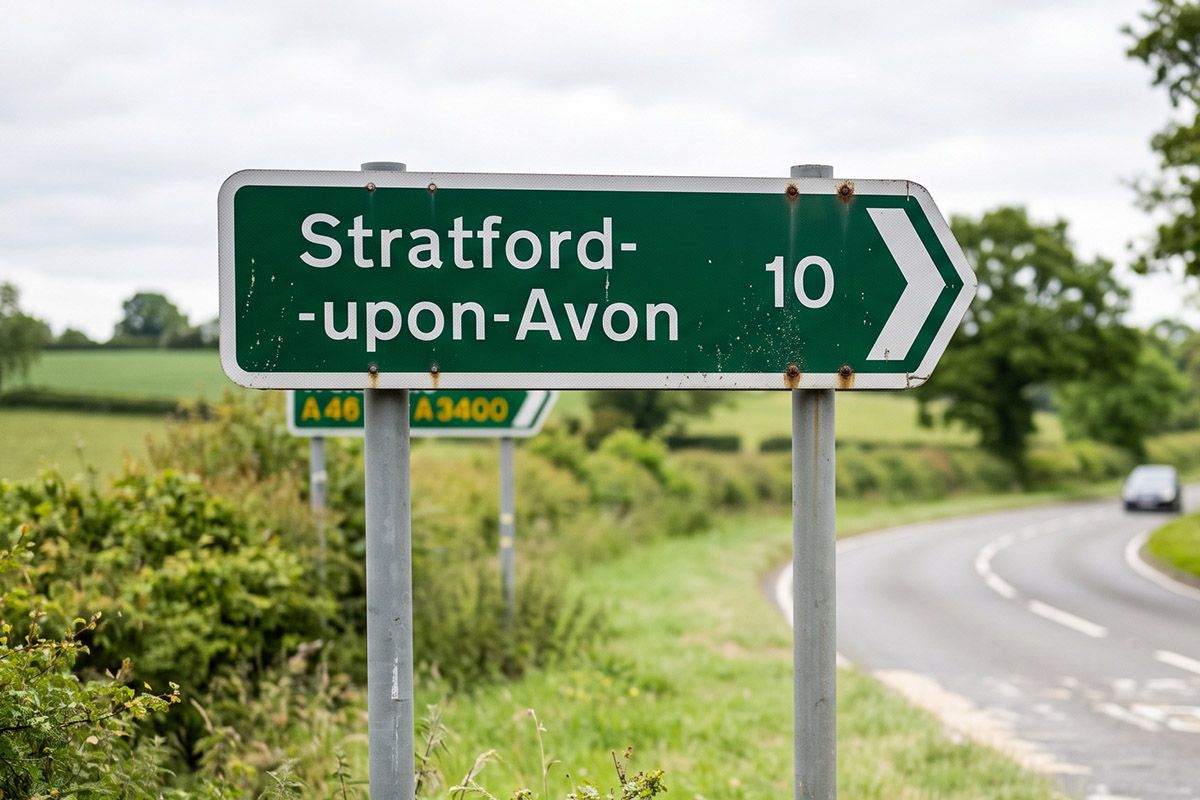
In a landscape often dominated by the commercial gravity of London and the UK’s major metropolitan hubs, a surprising new study has shifted the spotlight toward the heart of the West Midlands. According to the latest research from American Express, the local authority area of Stratford-on-Avon has been identified as the nation’s leading entrepreneurial hotspot.
The study, conducted by Development Economics on behalf of the financial services giant, offers a fresh perspective on the UK’s economic geography. By analyzing data across 317 local authority areas, the report highlights that the spirit of enterprise is not only alive but thriving in the regions, far from the skyscrapers of the City.
The Metrics of Success: How the Hotspots Were Determined
To identify these hotspots, researchers utilized a dual-metric approach. Rather than looking solely at the sheer volume of new registrations, the study assessed regions based on a synthesis of business start-up rates and business resilience.
"Business resilience" is defined here as the ability of newly formed entities to survive and grow beyond their crucial first two years of operation. This combination provides a more nuanced picture of economic health: it identifies not just where people are taking the risk to launch businesses, but where the local environment is sufficiently supportive to allow those businesses to take root and flourish.
The findings suggest that the most successful entrepreneurial ecosystems are those that balance a steady influx of new ideas with a supportive infrastructure that keeps those ventures afloat during the often-treacherous "valley of death" that occurs in the early stages of a business lifecycle.
National and Regional Leaders
While Stratford-on-Avon claimed the top spot nationally, the report reveals a diverse map of success across the four nations of the UK and England’s various regions. The rankings serve as a testament to the fact that business innovation is decentralized.
| Region / Nation | Local Authority Area | Key Locations |
|---|---|---|
| North East | Darlington | Darlington, Hurworth, Heighington |
| North West | Trafford | Altrincham, Sale, Stretford |
| Yorkshire & Humber | North Yorkshire | Harrogate, Scarborough, Ripon |
| East Midlands | Derbyshire Dales | Matlock, Bakewell, Ashbourne |
| West Midlands | Stratford-on-Avon (1st) | Stratford-upon-Avon, Alcester, Southam |
| East of England | Uttlesford (2nd) | Saffron Walden, Great Dunmow, Thaxted |
| London | City of London | Square Mile |
| South East | Waverley (3rd) | Farnham, Godalming, Haslemere |
| South West | Cotswold | Cirencester, Tetbury, Stow-on-the-Wold |
| Wales | Powys | Newtown, Welshpool, Brecon |
| Scotland | Highland | Inverness, Fort William, Wick |
| Northern Ireland | Derry and Strabane | Derry/Londonderry, Strabane |
A Deep Dive into Stratford-on-Avon’s Triumph
What makes a town synonymous with Shakespearean heritage a powerhouse for modern commerce? The district of Stratford-on-Avon has effectively leveraged its unique brand identity while fostering a business-friendly environment that encourages long-term sustainability.
For many years, the narrative around rural and semi-rural business hubs focused on the difficulties of connectivity or talent retention. Stratford-on-Avon appears to have turned these challenges into strengths. By cultivating a "genuine sense of place," as described by long-standing local businesses, the area attracts a demographic that values quality of life as much as professional opportunity.

The success of the region is characterized by a "wonderful mix" of loyal local patronage, an influx of new residents moving away from urban centers, and a robust tourism sector that provides a steady stream of new potential customers.
The Human Element: Perspectives from the Frontline
The data, while compelling, is given life by the experiences of those on the ground. Gemini Woman, an independent clothing boutique that has been trading in Stratford for over four decades, offers a poignant insight into the evolution of the town.
"Stratford has something increasingly rare: a genuine sense of place," a spokesperson for the boutique noted. "We’ve seen firsthand how the town has evolved. The real strength of Stratford is that it has evolved without losing its character, as well as a real sense of collaboration between local businesses."
This collaborative spirit is a recurring theme in the report. When small business owners feel part of a wider, supportive community, they are more likely to navigate the economic headwinds of rising costs and shifting consumer habits.
Implications for Policy and Future Growth
The findings of this study have significant implications for policymakers and economic planners across the UK. For years, economic growth strategies were often centered on "leveling up" by funneling resources into massive infrastructure projects in major cities. However, this research suggests that smaller, high-functioning local authorities can provide a more fertile ground for sustainable business growth.
Encouraging Decentralized Entrepreneurship
The data suggests that the UK’s economic future may lie in the strength of its secondary and tertiary towns. If local authorities can mimic the "resilience" factors present in Stratford-on-Avon—such as fostering local networks, ensuring high-street viability, and balancing heritage with modernization—they can attract a new generation of entrepreneurs who are looking for alternatives to the high overheads and saturated markets of London and Manchester.
The Role of Advocacy
Michelle Ovens CBE, Director of Small Business Saturday, highlighted the importance of this shift. "Starting a small business takes resilience and ambition," she stated. "These findings show there are strong foundations for entrepreneurs to thrive beyond the UK’s big cities. Entrepreneurial potential exists across the country, and creating the right environments for small businesses to succeed will strengthen local communities and economies."
The "Small Business Saturday" Context
The release of these findings coincides with the lead-up to Small Business Saturday, a campaign taking place on the 5th of December. Founded in the UK with the backing of American Express, the campaign serves as a vital reminder of the economic and cultural importance of the independent firm.

The campaign is not merely a shopping event; it is a grassroots effort to shift the national consciousness toward the value of the independent sector. By encouraging the public to "shop small," the initiative helps to cement the resilience that the American Express report identifies as a key metric for success.
Challenges and Future Outlook
While the report paints a largely optimistic picture, it is important to contextualize these findings within the broader economic climate of 2026. The challenges facing SMEs—ranging from inflationary pressures and energy costs to the complexities of digital transformation—remain significant.
The "resilience" measured by the report is a testament to the adaptability of these businesses. However, for these hotspots to maintain their status, local authorities must continue to invest in the infrastructure that supports digital commerce, logistics, and community engagement.
As we look toward the future, the success of areas like Stratford-on-Avon, Uttlesford, and Waverley suggests a decentralized future for the UK economy. It is a future where the "high street" is not dead, but rather evolving into a destination that combines local service, digital accessibility, and a distinct community character.

Conclusion
The American Express Entrepreneurial Hotspots report is a wake-up call to those who view business growth as an exclusively urban phenomenon. It highlights that the bedrock of the UK economy is built on the resilience of small, independent enterprises scattered across the country.
Stratford-on-Avon’s ascent to the top of the list is a reminder that when heritage is preserved, community collaboration is encouraged, and a supportive business environment is fostered, the results can be transformative. As the UK continues to navigate the complexities of a modern, post-digital economy, it is these regional hubs that are likely to provide the stability and innovation needed to sustain long-term prosperity.
For the entrepreneur considering their next venture, the data is clear: the next great business success story might not be in the City of London, but on a bustling high street in the heart of the West Midlands.