By Caroline Jansen
Published October 7, 2026
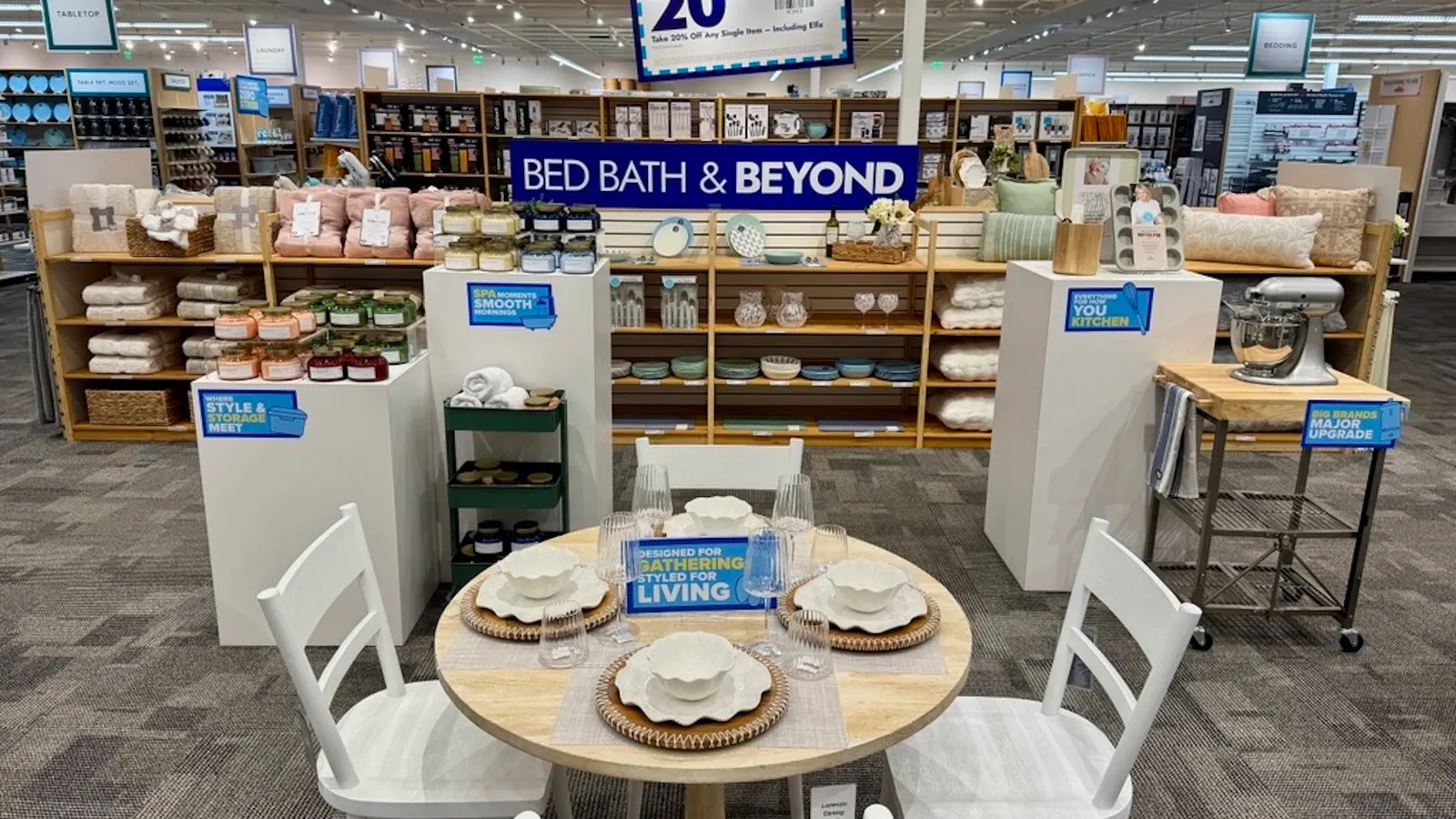
In a significant shift in corporate strategy, Neighborhood Intelligence—the retail conglomerate formerly known as Bed Bath & Beyond Inc.—has officially terminated its plans to acquire the real estate platform Fathom Holdings. This decision, announced early Monday, marks the second major deal abandonment by the company in as many months, signaling a retreat from an aggressive, rapid-fire acquisition strategy that has defined the company’s recent transformation.
The move comes just weeks after the company canceled its planned acquisition of F9 Brands, the parent company of Cabinets to Go. Together, these scrapped deals suggest that the leadership at Neighborhood Intelligence is hitting the brakes on its attempt to pivot from a traditional home goods retailer into a diversified home services and technology powerhouse. Instead, the company is pivoting toward a "back-to-basics" approach, prioritizing organic revenue growth, margin expansion, and cost-cutting measures over external expansion.
The Chronology of a Failed Consolidation
To understand the current impasse, one must look at the whirlwind of activity that has characterized Neighborhood Intelligence over the past 18 months. Following its rebranding from Bed Bath & Beyond, the company—under the stewardship of CEO Marcus Lemonis—embarked on a mission to transcend its retail roots.
- Early 2025: The company began its aggressive expansion, focusing on integrating home ownership services with traditional retail storefronts.
- Mid-2025: Neighborhood Intelligence successfully finalized the acquisition of The Brand House Collective (formerly Kirkland’s Inc.) and The Container Store, creating a robust, if complex, retail ecosystem.
- Q3 2026: The company attempted to diversify further into real estate and logistics, signing letters of intent for SFV Services, Installed Right, and F9 Brands.
- September 2026: The acquisition of F9 Brands was formally abandoned, casting doubt on the sustainability of the company’s M&A-heavy strategy.
- Late September 2026: A revised deal with Fathom Holdings was announced, focusing on a complex swap of digital assets—including tZero Group—valued at approximately $130 million.
- October 7, 2026: Neighborhood Intelligence officially terminates the Fathom Holdings merger, opting to retain control of its blockchain and digital portfolio.
The Rationale: Why Keep the Digital Assets?
The pivot point in the Fathom Holdings negotiation was the role of blockchain technology and the tZero Group. In the proposed September deal, Neighborhood Intelligence had intended to trade a significant portion of its digital asset portfolio—which included a 40% stake in tZero and various Medici-related fund assets—to Fathom in exchange for a broader integration of their real estate platforms.

However, after consulting with shareholders and assessing the current market environment, the board reversed course. The decision to retain these assets suggests a belief that the long-term potential of blockchain-enabled financial services outweighs the immediate synergy benefits of a merger with Fathom.
"After listening to shareholders and reviewing the alternatives, we believe retaining ownership and control of our blockchain assets while allowing tZero to continue executing its plan is the appropriate path," CEO Marcus Lemonis said in a statement. "We are encouraged by the potential of these assets and believe retaining them gives our shareholders the best opportunity to participate in their future value."
This move highlights a growing tension in modern retail: the struggle to balance the need for high-margin, high-growth technology investments against the volatile, low-margin reality of brick-and-mortar retail operations. By choosing to hold onto tZero, Neighborhood Intelligence is betting that its future value is tied to digital innovation as much as, if not more than, home goods inventory.
Implications for Stakeholders and the Retail Landscape
The termination of these deals is not merely a tactical retreat; it is a signal to the market that the "Neighborhood Intelligence" era is entering a phase of consolidation rather than expansion. For investors, the message is clear: the company is no longer interested in buying growth at any cost.
Financial Discipline
By walking away from these acquisitions, the company is signaling that its balance sheet will be prioritized. The retail sector, particularly the home-goods niche, has faced significant headwinds, including fluctuating consumer demand and rising supply chain costs. By reducing its M&A footprint, Neighborhood Intelligence is effectively reducing its capital expenditure requirements, which may help improve free cash flow in the upcoming fiscal quarters.

Operational Efficiency
Integrating disparate companies—ranging from furniture retailers to logistics firms and fintech startups—presents significant operational challenges. The culture clash alone, combined with the technical debt of merging multiple enterprise resource planning (ERP) systems, can often erode the value of an acquisition. By focusing on its core holdings, the company can streamline its operations, improve margin profiles, and focus on the "organic" growth that it identified as a key objective in its latest briefing.
The "Co-Branded" Future
Despite the failed mergers, the company is not closing the door entirely on partnerships. Neighborhood Intelligence and Fathom Holdings have stated they are "exploring ways to work together where collaboration can create value." This suggests a shift from an "ownership" model to an "ecosystem" model. Rather than paying to own these companies, Neighborhood Intelligence may look to leverage data sharing, technology integration, and cross-marketing agreements. This allows the company to gain some of the benefits of integration without the risks—and costs—associated with full-scale acquisition.
Analysis: The Challenges of the "Home Services" Strategy
The original vision for Neighborhood Intelligence was to become a one-stop-shop for everything home-related: buying the home (via Fathom/real estate partnerships), furnishing it (via The Container Store and Kirkland’s), and maintaining it (via logistics and cabinet services).
While ambitious, the strategy faced skepticism from analysts who questioned the synergy between a retail store and a real estate brokerage. The abrupt cancellation of the F9 Brands deal, followed by the Fathom reversal, underscores the difficulty of executing this vision in a high-interest-rate environment. Financing acquisitions in this climate is costly, and the pressure on retail margins makes the return on investment for such deals harder to justify.
Furthermore, the complexity of managing a diverse portfolio of assets requires a management team with deep experience in multiple sectors. By focusing back on core business operations, Neighborhood Intelligence is effectively admitting that the complexity of its conglomerate strategy may have been outpacing its operational capacity.

Looking Ahead: A Measured Approach
Moving forward, the company faces the challenge of proving that it can drive growth internally. The retail market remains hyper-competitive, and the "Bed Bath & Beyond" brand legacy still carries significant weight with consumers. Leveraging that brand equity while simultaneously managing a high-tech blockchain asset like tZero will be a delicate balancing act for CEO Marcus Lemonis.
Investors will be watching closely to see if the company can deliver on its promise of "organic revenue growth." If the company’s internal metrics fail to improve, the market may begin to question whether the abandonment of these deals was a strategic correction or a missed opportunity to diversify away from a stagnant retail core.
For now, the focus shifts to the upcoming quarterly earnings report. The market will be looking for concrete evidence that the savings from these canceled deals are being reinvested into core store performance and that the digital assets are, in fact, beginning to contribute to the bottom line.
Neighborhood Intelligence remains a company in transition. Having failed to buy its way to the top, it must now demonstrate that it has the operational rigor to earn its growth. The path forward is no longer defined by acquisitions, but by the harder, more incremental work of retail optimization and technological integration. Whether this pivot will satisfy the long-term demands of shareholders remains the primary question for the remainder of the fiscal year.