In the traditional era of search engine optimization, the goal was binary: secure the "blue link" at the top of page one. SEO professionals spent years obsessing over domain authority, backlink profiles, and keyword density to earn that coveted position. However, in the age of Large Language Models (LLMs) and generative search, a top ranking no longer guarantees visibility.

Your content can hold the number one spot on Google and still be completely ignored by ChatGPT, Perplexity, or Google’s AI Overviews. To understand why, you must look past the ranking algorithm and toward the "query fan-out" process—the invisible engine that powers modern AI search.
What is Query Fan-Out?
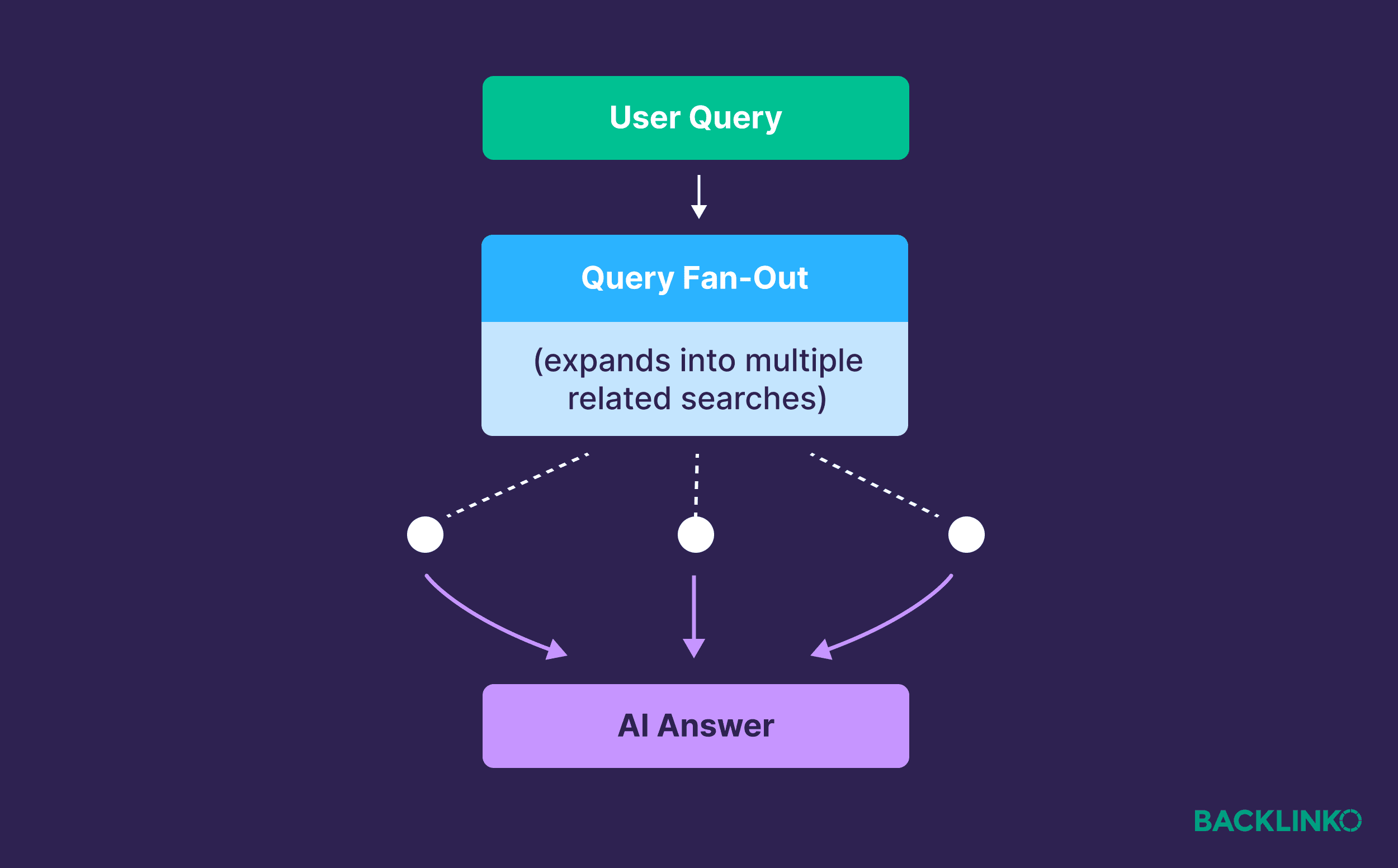
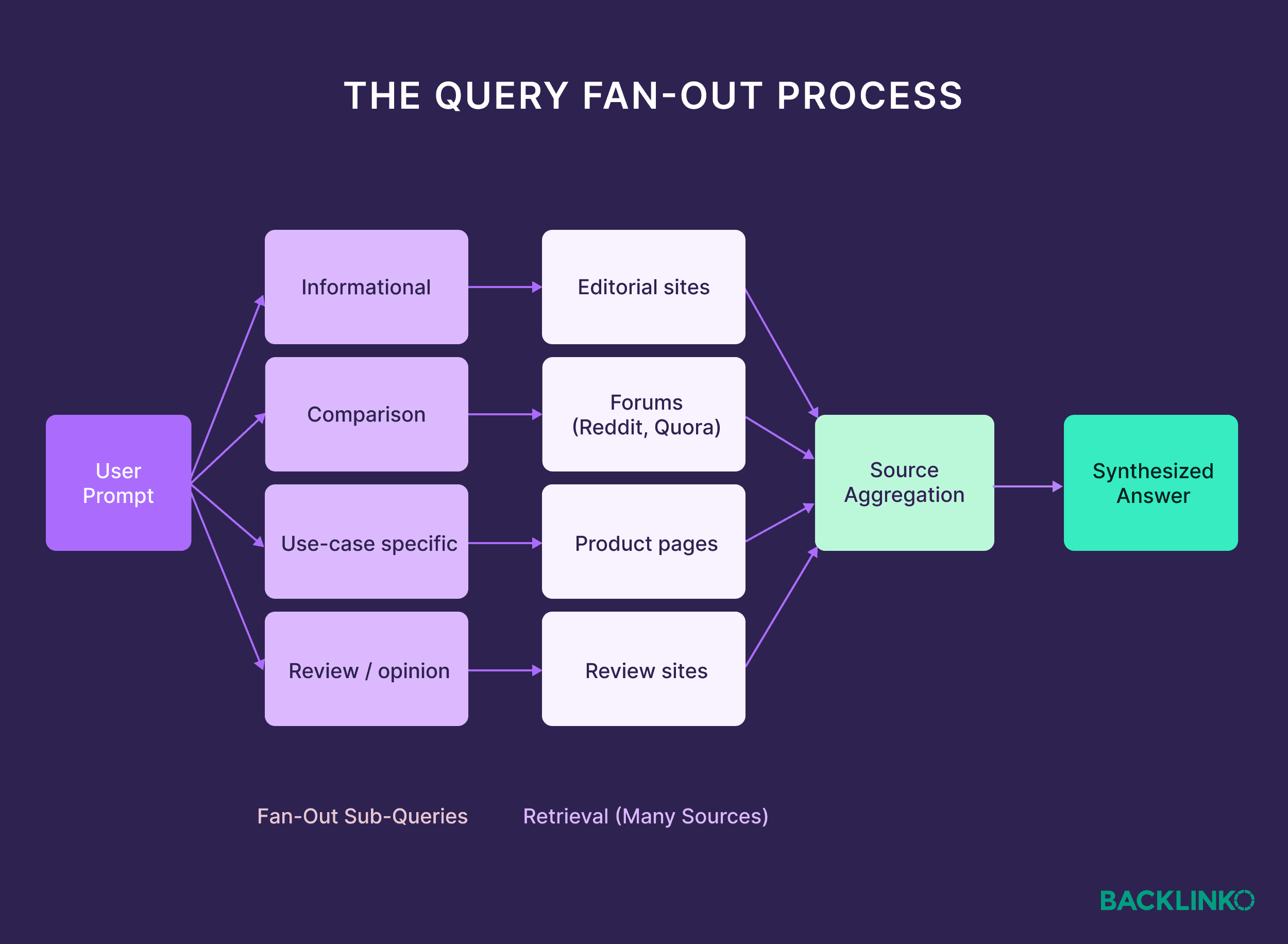
Query fan-out is a fundamental shift in how search systems interpret user intent. When a user submits a prompt, an AI system does not simply retrieve a list of documents. Instead, it "fans out" that singular, often vague query into a constellation of sub-queries.
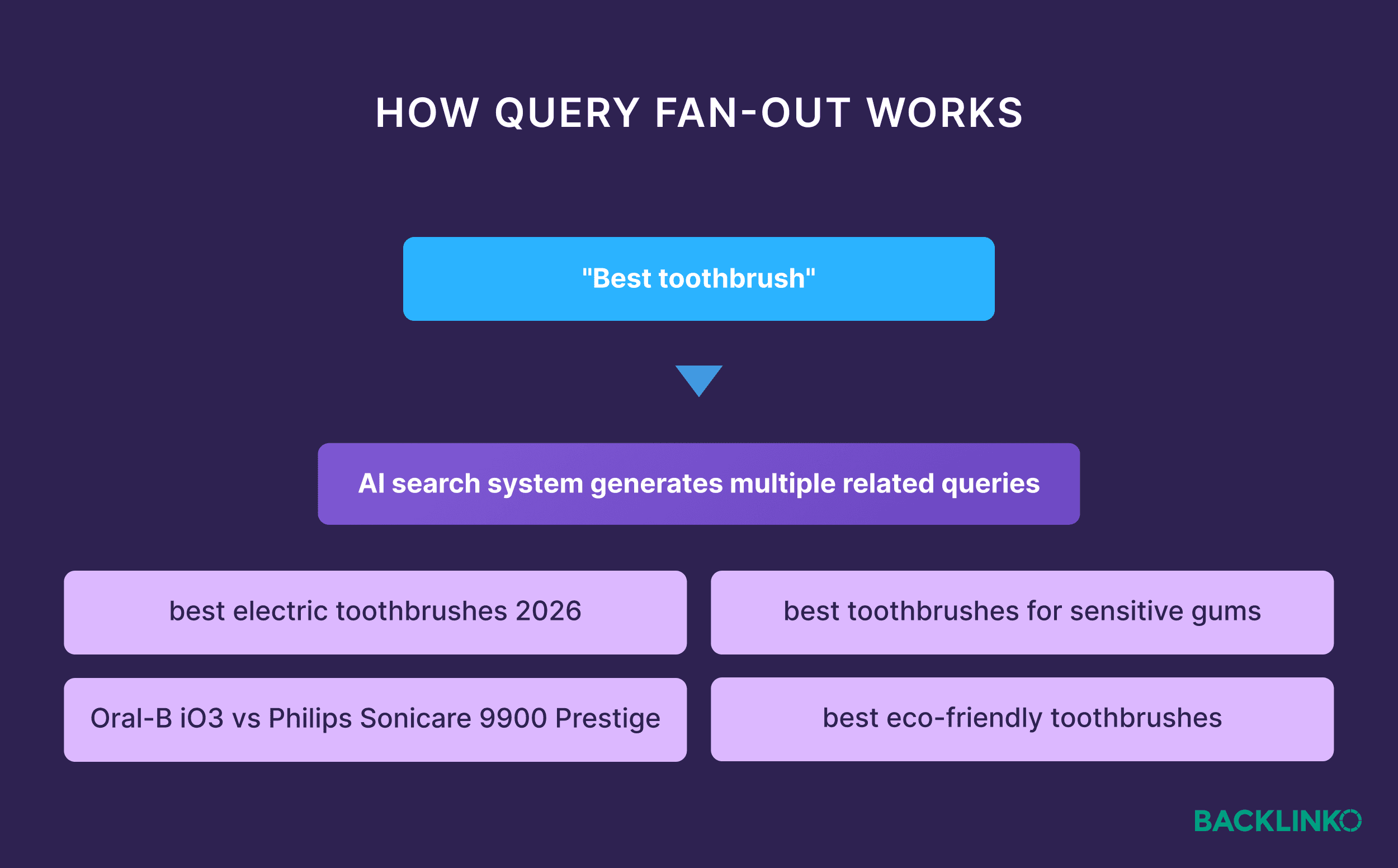
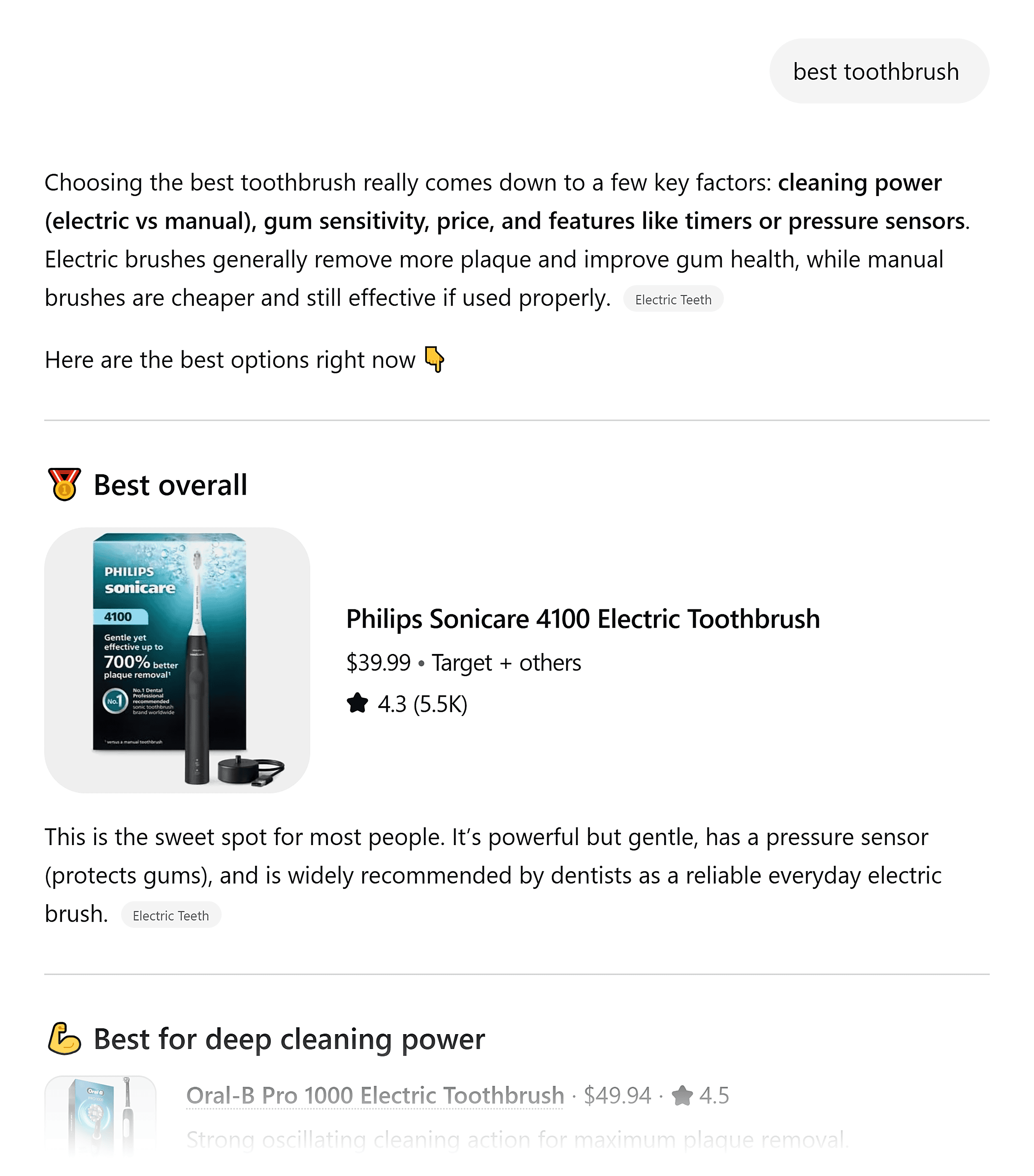
If a user asks, "What is the best CRM for small businesses?" the AI does not just search for that exact phrase. It simultaneously executes background searches for:
- "Best CRM software for startups 2026"
- "Affordable CRM features for remote teams"
- "Salesforce vs. HubSpot vs. Zoho comparison"
- "CRM pricing for small business"
By diversifying its search input, the AI builds a multi-dimensional picture of the topic. It then synthesizes this information into a comprehensive, human-like response. If your brand is not surfacing in the results for those specific sub-queries, you effectively do not exist to the AI, regardless of your traditional search rank.
The Chronology of the AI Search Shift
The evolution of search has been rapid, moving from keyword matching to entity-based understanding, and now to generative synthesis.
- Pre-2022 (The Keyword Era): Search engines relied on exact or semantic matching to present a list of links.
- 2023 (The LLM Integration): Major players like OpenAI and Google began integrating LLMs into search interfaces, shifting the focus from "links" to "answers."
- 2025–2026 (The Fan-Out Maturity): AI systems began utilizing sophisticated sub-query generation to manage hallucination risks and provide nuanced, multi-source summaries. We have now reached a point where "coverage and retrievability" are the primary metrics for success.
Supporting Data: Why Rankings Don’t Equal Citations
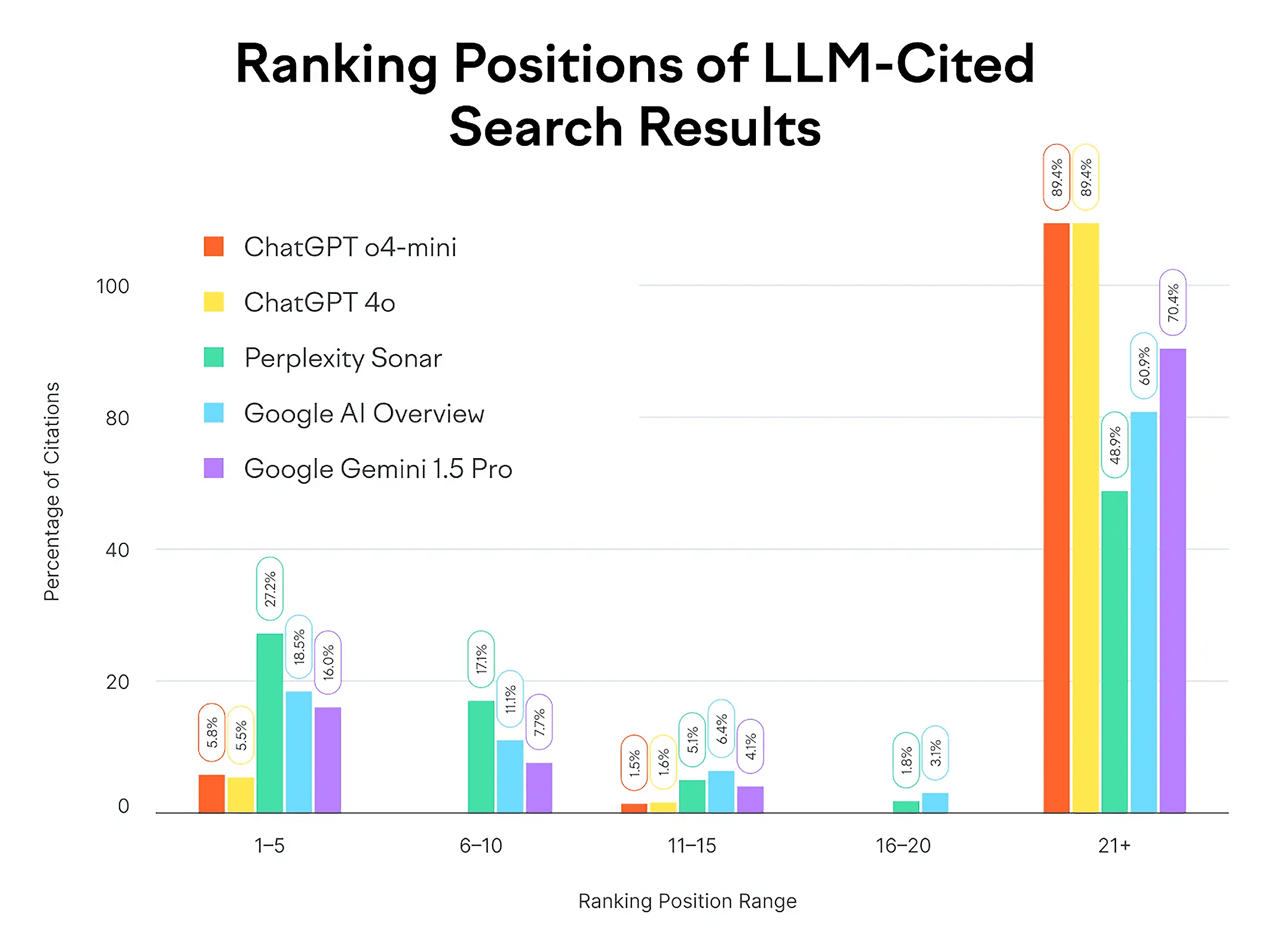
The detachment between traditional ranking and AI visibility is backed by substantial data. A recent study by Semrush revealed that ChatGPT cites pages in positions 21 and beyond nearly 90% of the time. This indicates that AI models prioritize informational density over page authority.
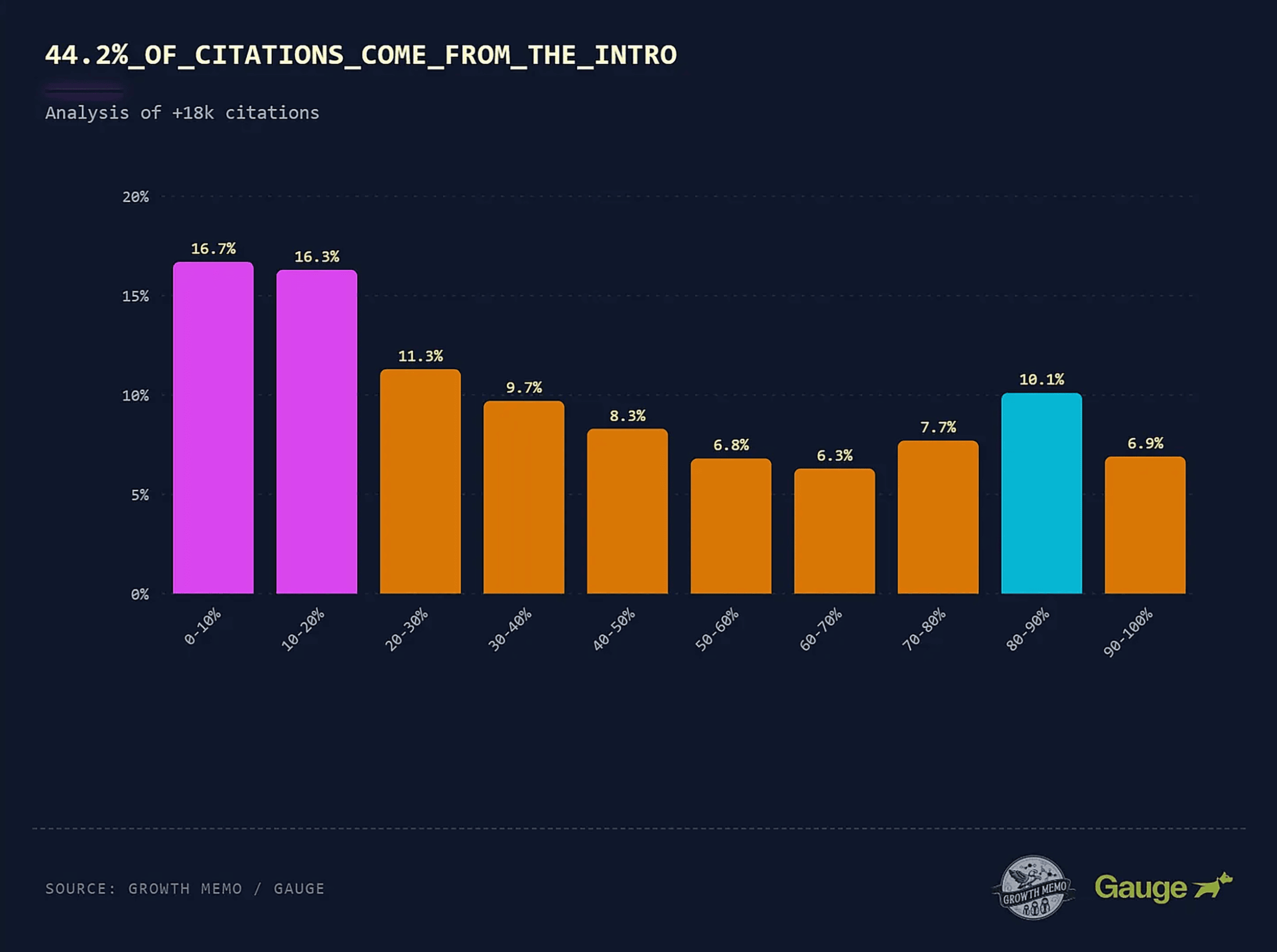
Furthermore, the "science of attention" in AI models suggests that position within a page is as important as the page’s existence. Analysis of over 1.2 million ChatGPT responses by growth advisor Kevin Indig shows that 44.2% of citations are drawn from the first 30% of a document. AI is essentially a "skimmer" that extracts the most relevant passage, not necessarily the most popular page.
The Implications for Content Strategy
The shift to query fan-out requires a complete overhaul of how we approach content marketing.
1. The Collapse of the Marketing Funnel
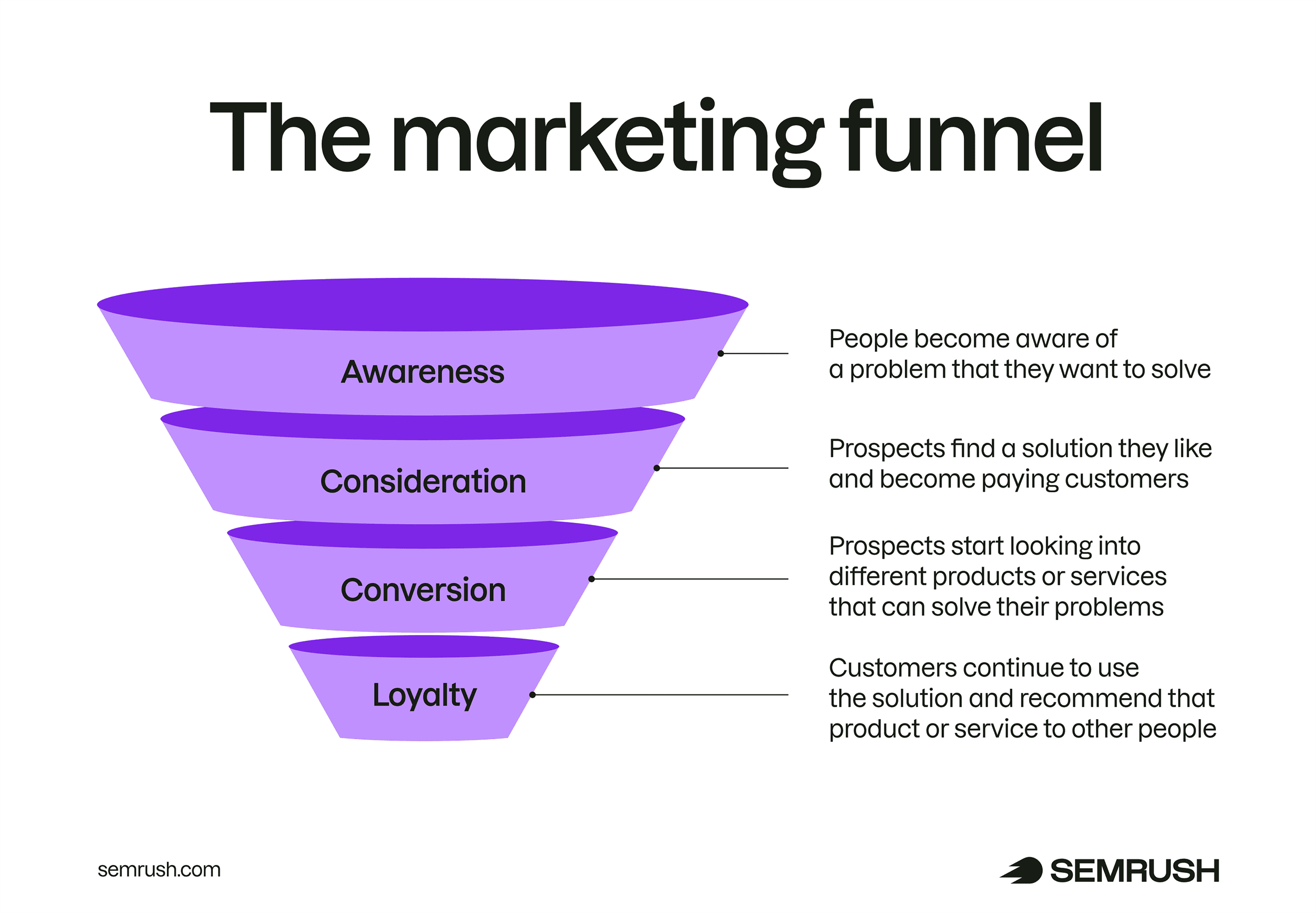
Historically, we created awareness-level blog posts, consideration-level comparison pages, and decision-level landing pages. Today, AI collapses this journey into a single interaction. A user asking a high-intent question receives a summary that covers the entire funnel in one go. Consequently, your content must be capable of answering "what," "why," and "how" simultaneously.
2. Topical Authority Over Keywords
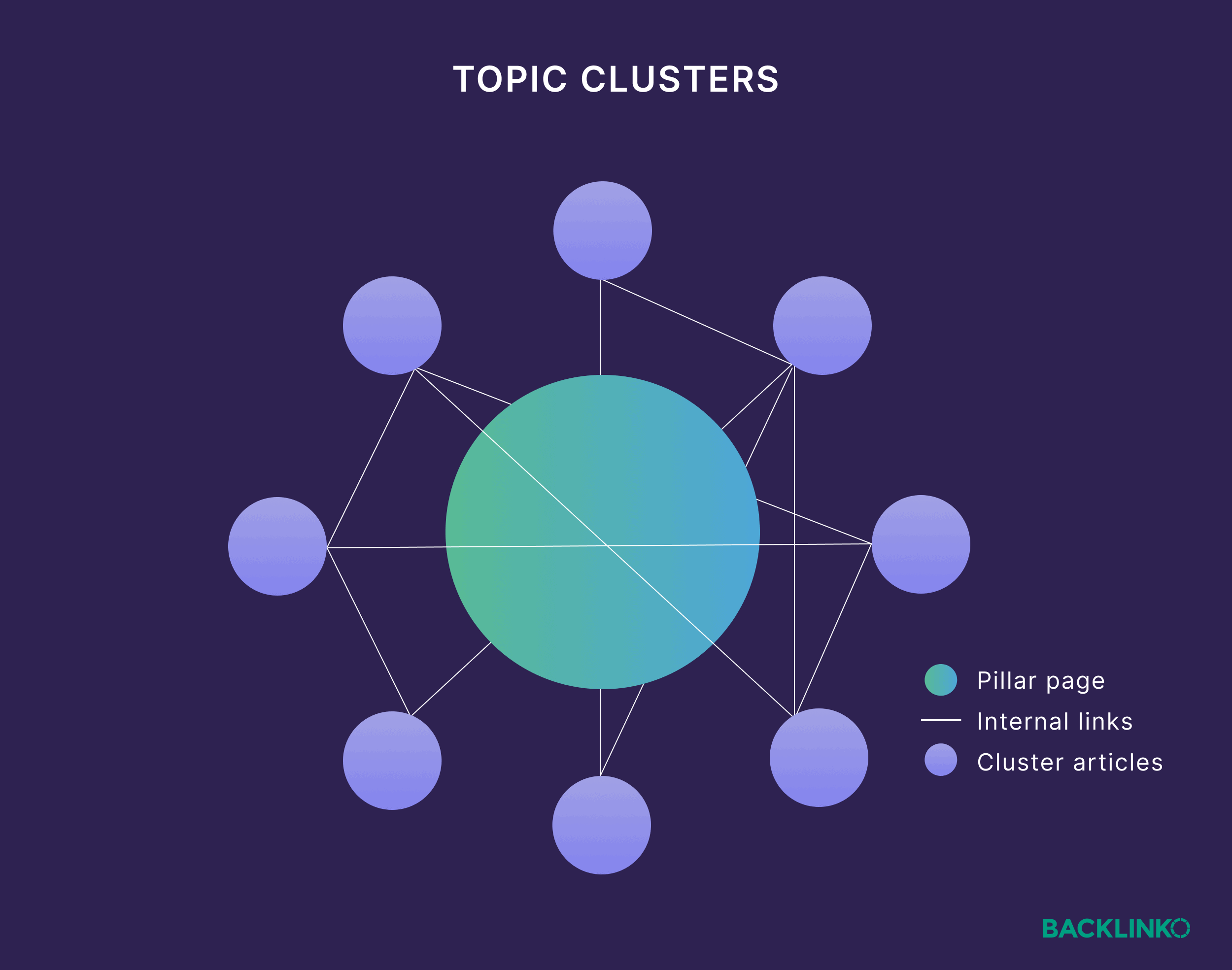
Query fan-out rewards breadth. If you only have one "money" page for a specific keyword, you are likely to be outmaneuvered by a competitor who has a cluster of content covering the sub-queries the AI generates. Topic clusters—where a central pillar page is supported by numerous, specific sub-topic articles—are now essential for AI visibility.

3. Structural Clarity is Mandatory
AI systems parse data; they do not "read" in the human sense. To be cited, your content must be structured for extraction. This means utilizing clear H2 and H3 subheadings that act as potential answers to sub-queries, incorporating structured data, and placing the most critical, direct answer in the top 30% of your document.

The 6-Step Query Fan-Out Workflow
To stay relevant, you must adopt a proactive workflow to audit and optimize your content for AI discovery.
Step 1: Identify Your "Money Prompts"
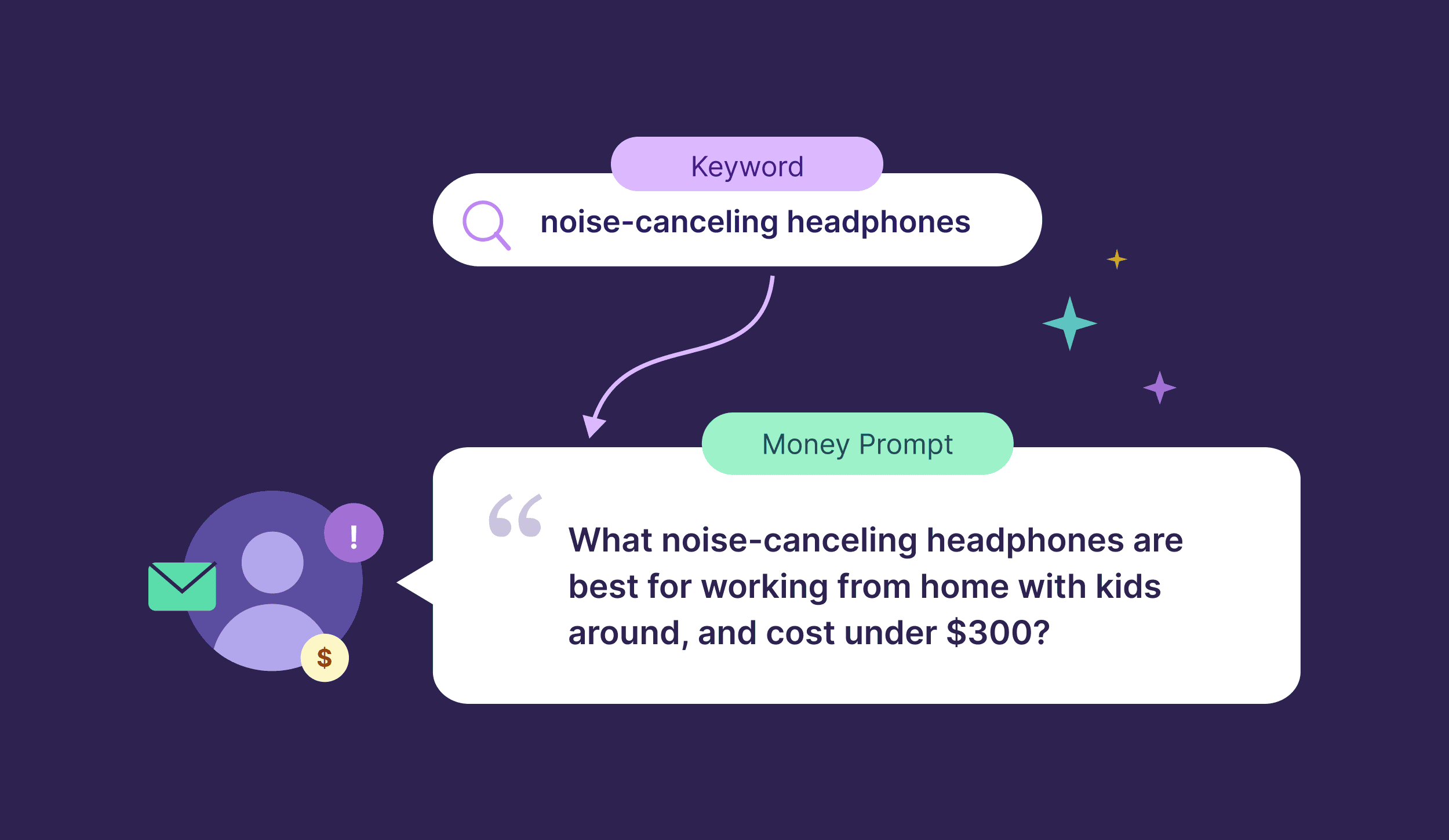
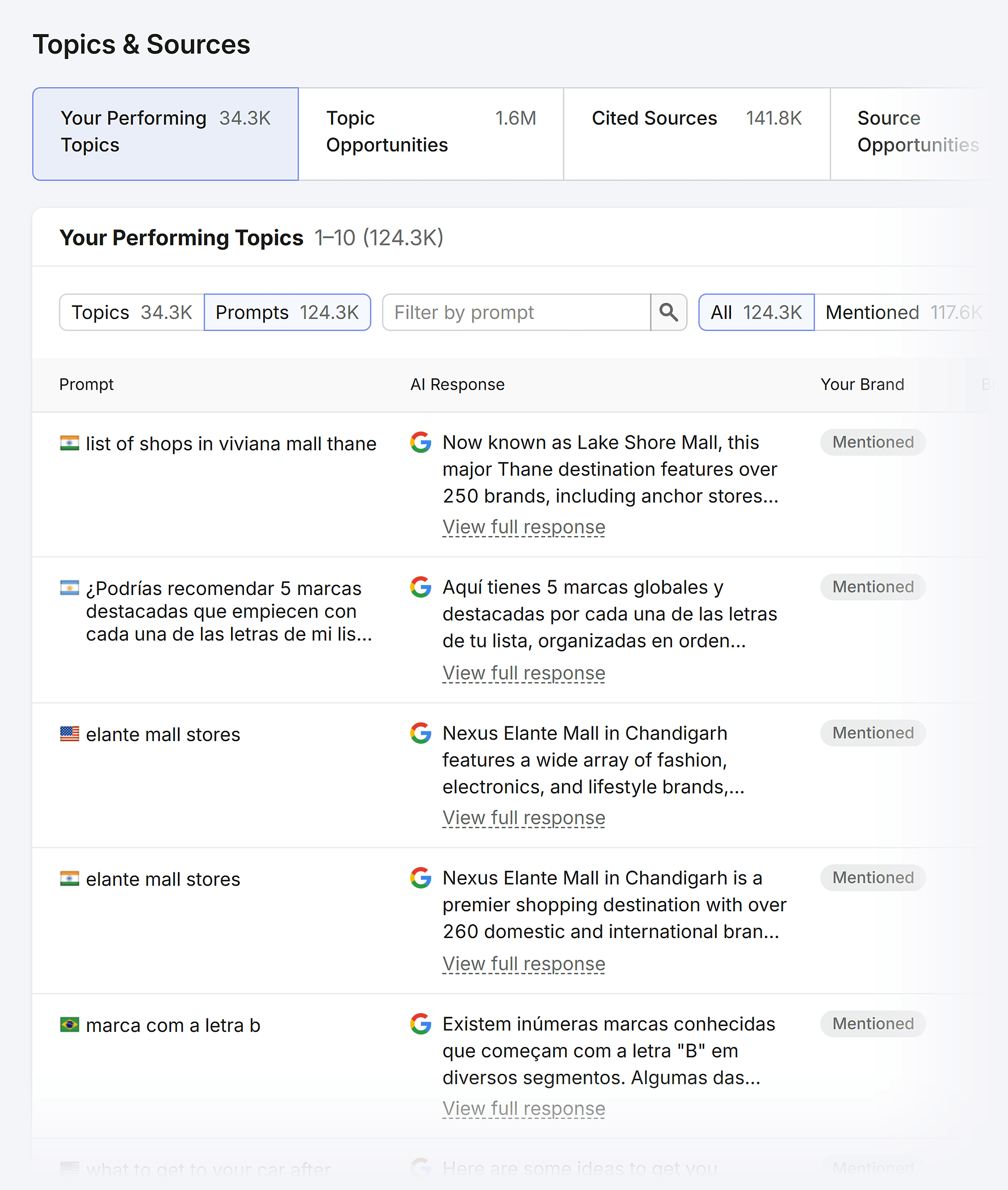
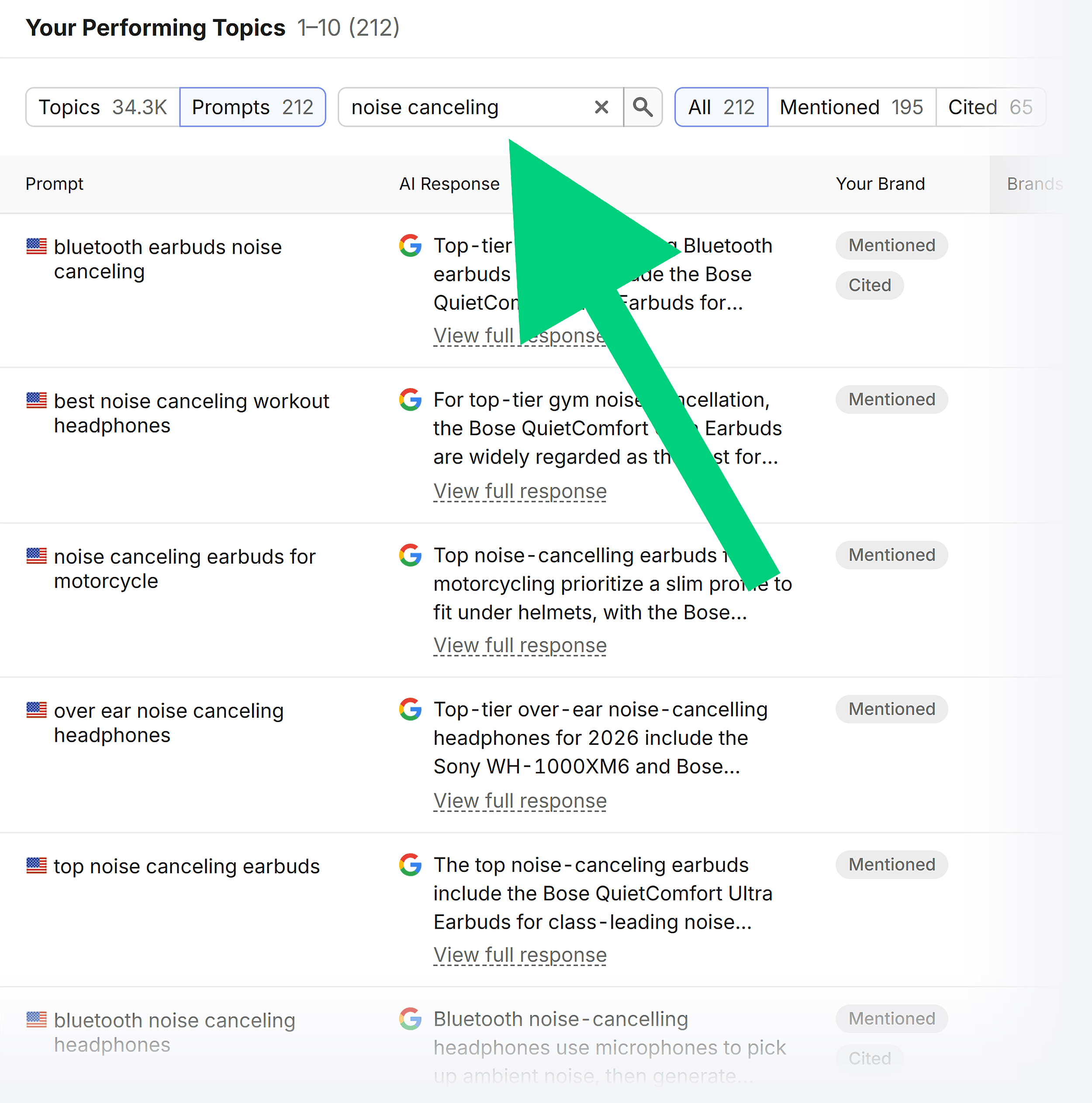
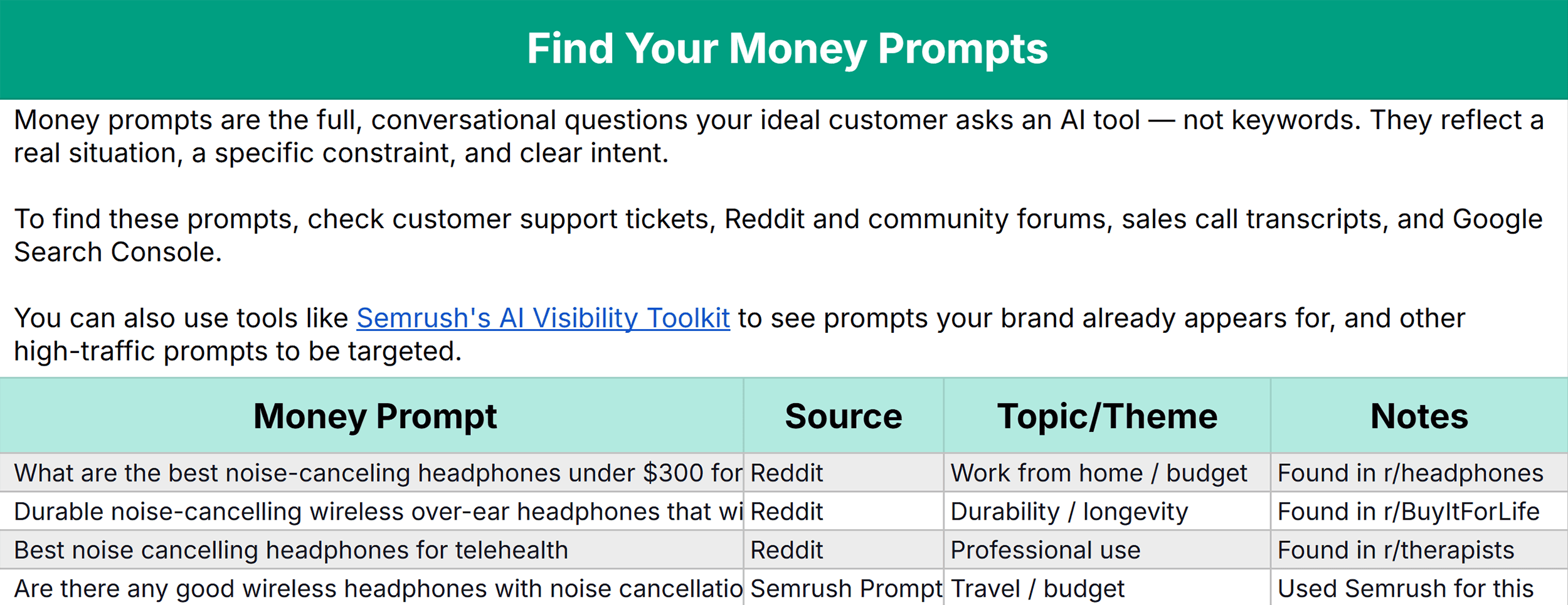
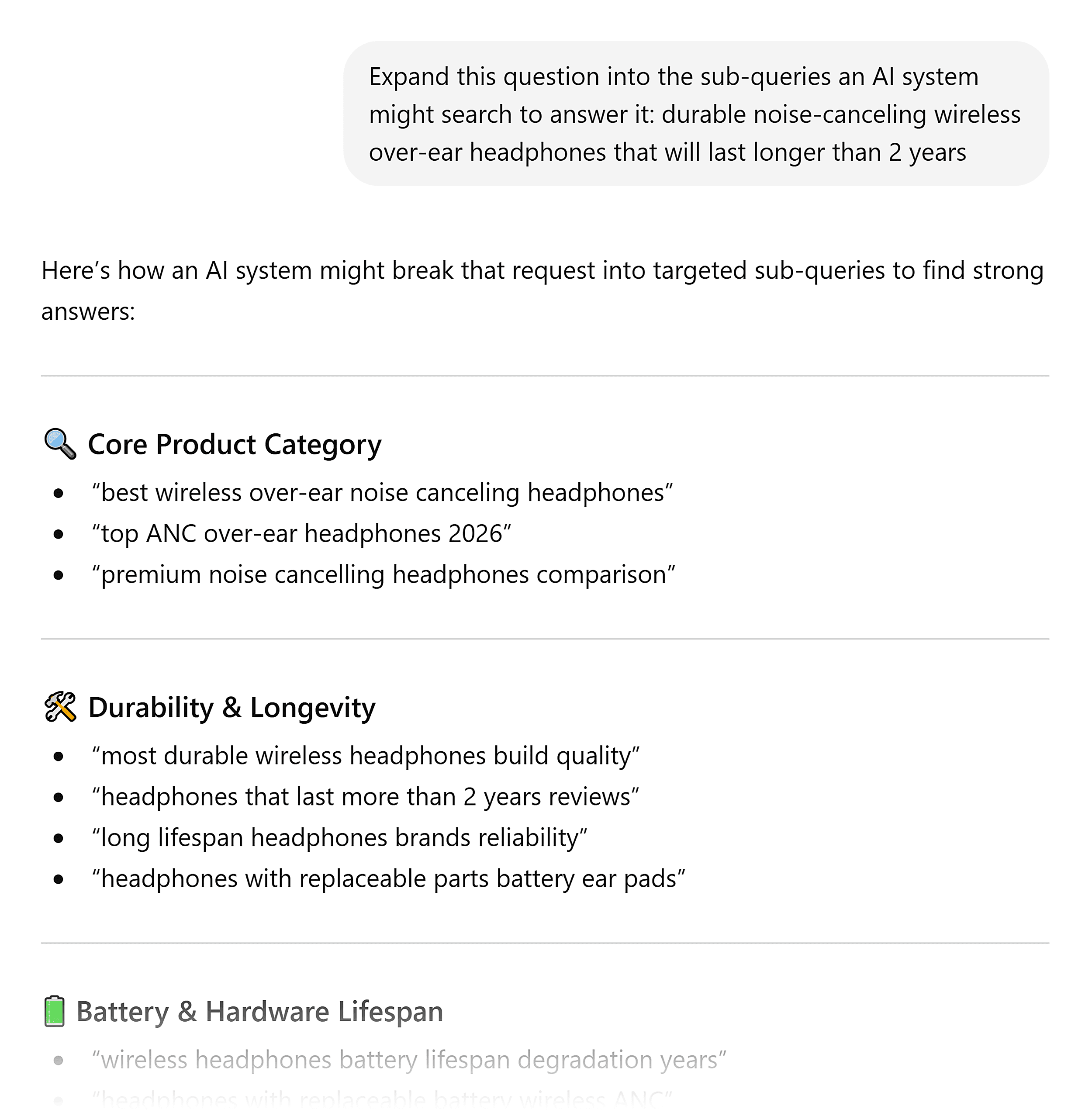
Unlike "money keywords," money prompts are conversational questions. Use tools like the Semrush AI Visibility Toolkit to identify what your target audience is asking an AI. If you are a headphone manufacturer, don’t just optimize for "noise-canceling headphones." Optimize for "Which noise-canceling headphones are best for telehealth and last over 2 years?"
Step 2: Generate Your Fan-Out Set
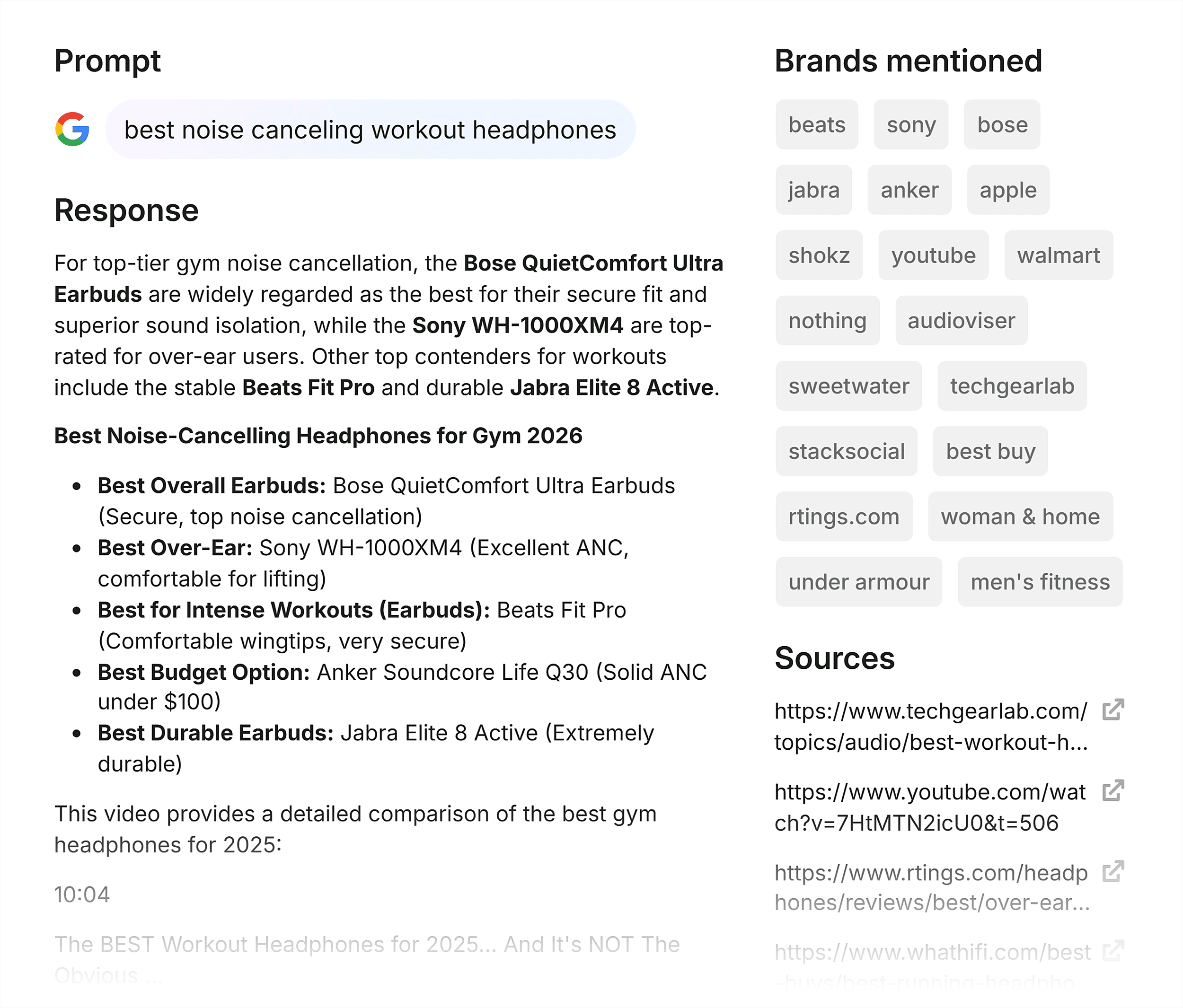
Use an AI tool (or manual prompt engineering) to feed your money prompt into a model and ask it to "Break this query into 10 sub-queries that would help build a comprehensive answer." Capture these sub-queries; they are your new content roadmap.
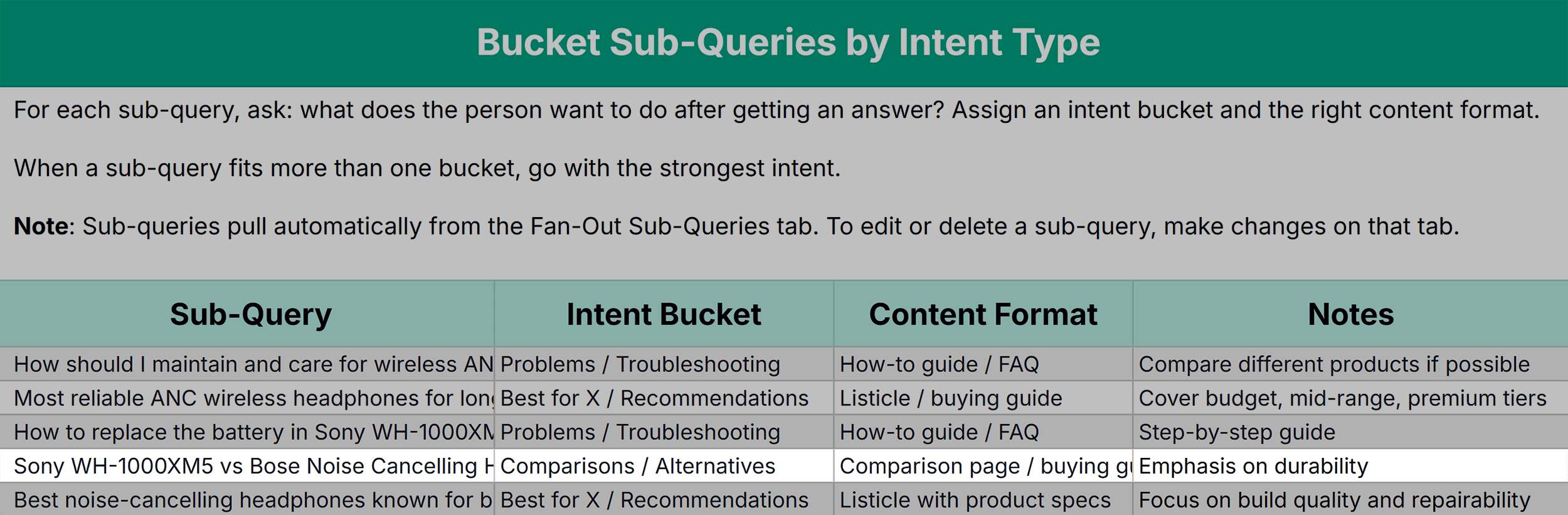
Step 3: Bucket by Intent
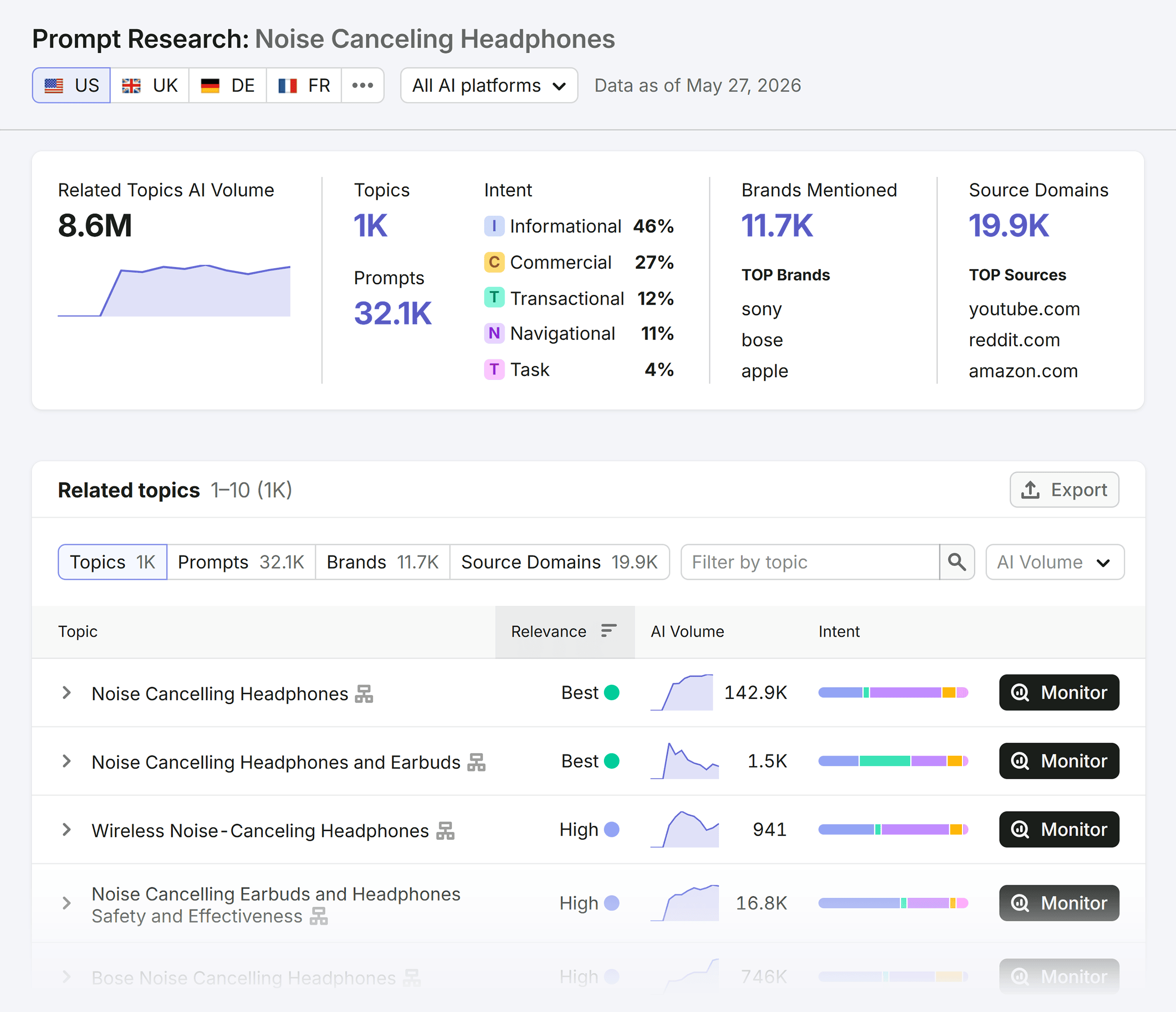
Categorize your sub-queries into buckets: Definitions, Comparisons, Problems/Troubleshooting, and Pricing. Knowing the intent tells you the format. A comparison sub-query needs a table; a troubleshooting sub-query needs a step-by-step list.
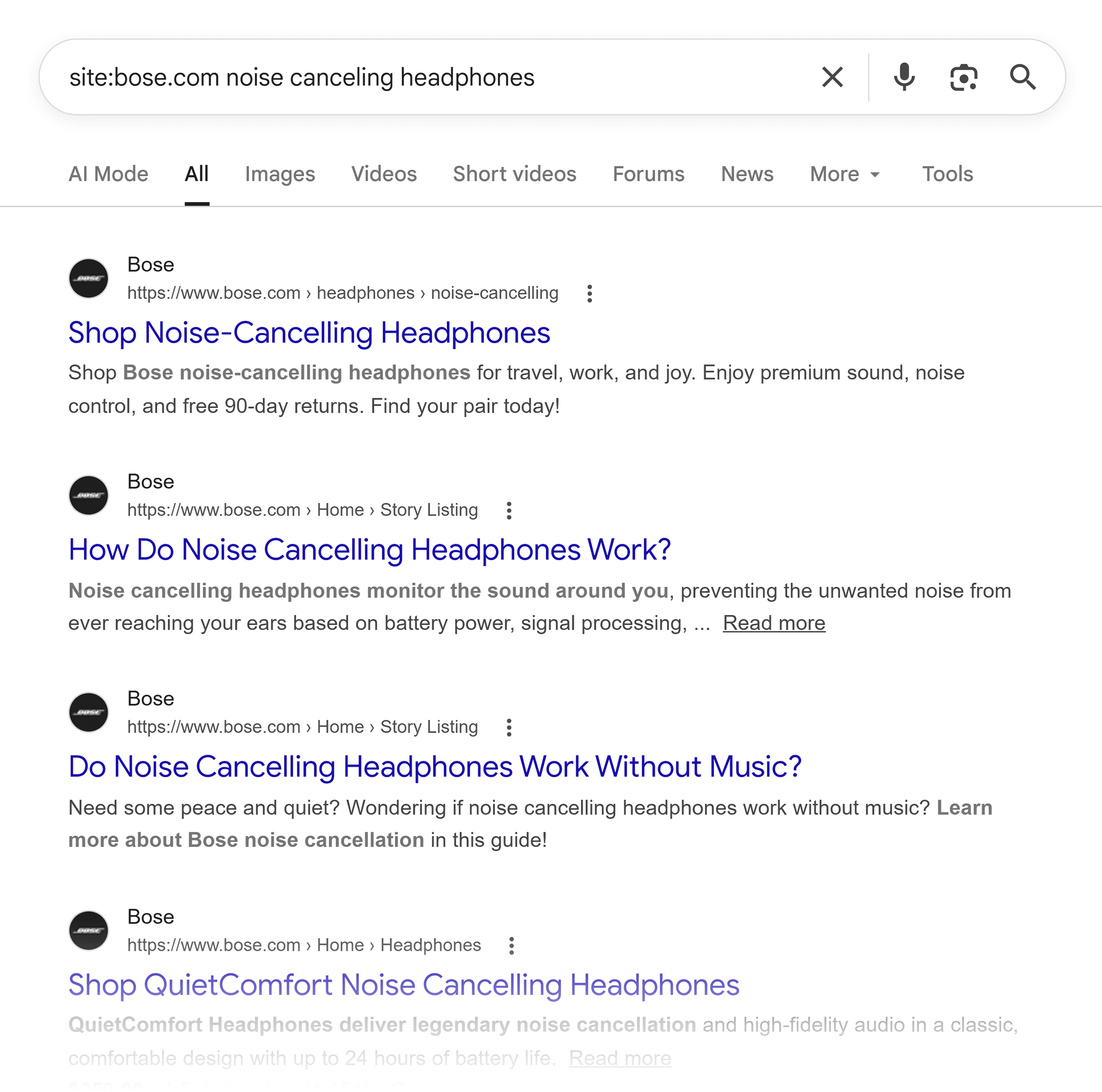
Step 4: Audit for Gaps
Use the site:yourdomain.com [sub-query] search operator to see if you have content for these sub-queries. If the result is empty, you have a content gap. If the result is a generic mention, you have an opportunity to create a more dedicated, extractable section.
Step 5: Optimize for Extraction
Structure your content to be "copy-paste ready" for an AI. Use scannable elements, bulleted lists, and clear definitions that can be pulled into an AI summary without needing context from the paragraphs surrounding them.
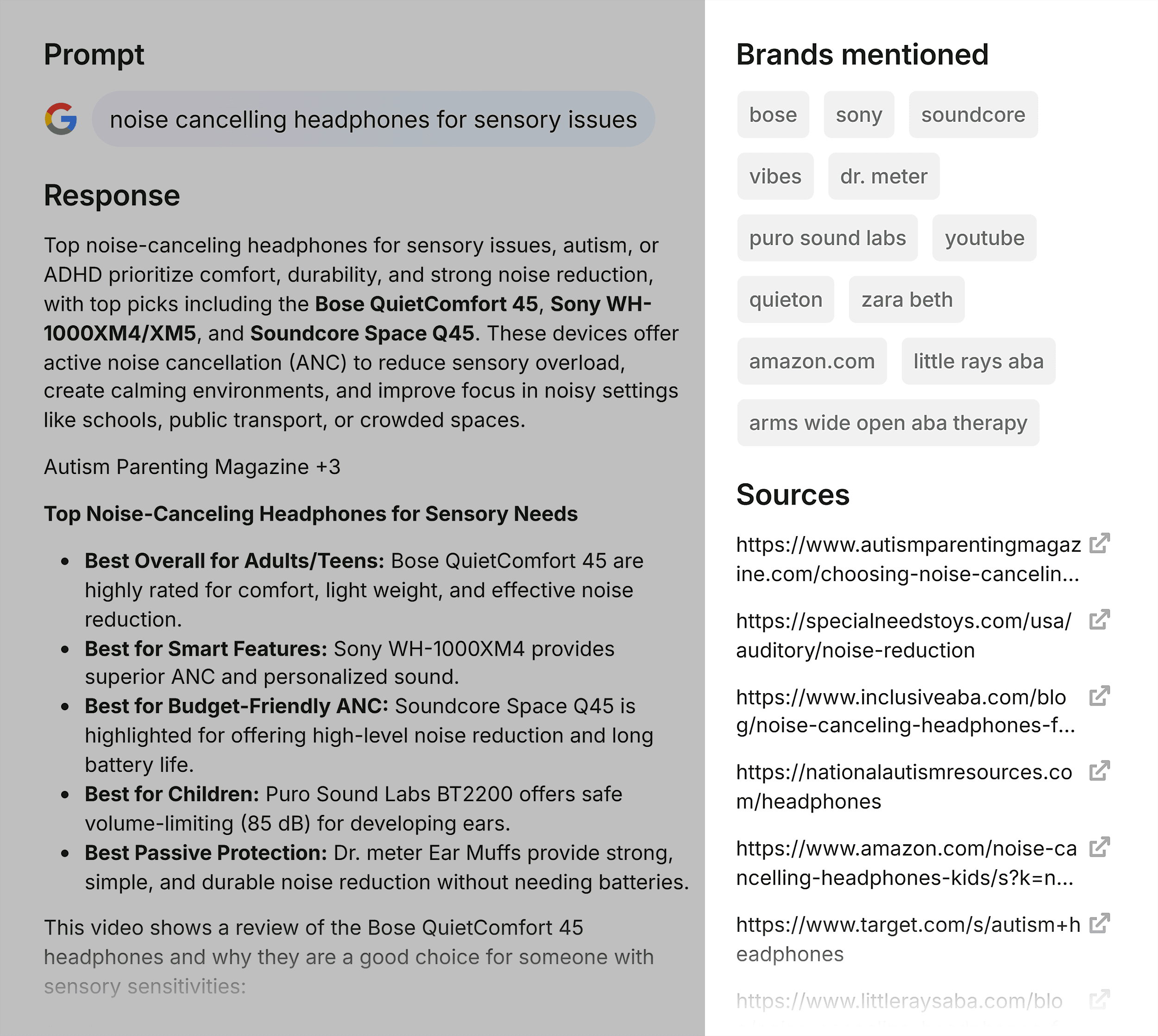
Step 6: Measure and Refine
Use AI-specific trackers to monitor your brand’s presence in AI summaries. If you aren’t appearing, rotate your content structure or deepen your coverage of the specific sub-queries you identified.
Official Perspective on AI Search Evolution
While companies like Google and OpenAI do not disclose the exact parameters of their query-fan-out algorithms, the industry consensus is clear: the transition to "answer-first" search is permanent.
"The goal of AI search is to save the user time," says a digital strategy analyst. "If a brand makes the AI’s job easier—by providing clear, concise, and structured data—that brand will become the source of truth for the AI. If the brand forces the AI to dig, the AI will simply move on to a source that is more compliant with its retrieval needs."
In conclusion, the era of relying solely on traditional search rankings is waning. By embracing query fan-out and structuring your content to be the definitive answer for the sub-queries your audience is asking, you can secure your brand’s position in the next generation of the internet.