In the high-stakes world of logistics and commercial transport, the paradigm of fleet management is undergoing a fundamental transformation. For decades, the industry focused primarily on the "asset"—the truck, the van, or the sedan. Managers tracked locations, fuel levels, and maintenance schedules. However, as business landscapes expand and operational complexities grow, the industry is recognizing a critical blind spot: the person behind the wheel.
Today, knowing where a vehicle is located is no longer sufficient. To achieve true operational excellence, fleet managers must understand the dynamic relationship between the vehicle, the driver, and the operational intent. This shift has propelled driver identification to the forefront of fleet strategy, placing advanced telematics at the very center of business intelligence.
The Core Mandate: Why Driver Identity Matters
In modern fleet operations, a vehicle is far more than a tool; it is a significant business asset that carries immense liability. When an organization cannot definitively link vehicle activity to a specific individual, it creates a void in accountability. This gap is where unauthorized use, unsafe driving behaviors, and inefficient route management thrive.
Traditionally, identifying a driver involved a cumbersome web of manual logs, paper manifests, and retrospective phone calls. This reliance on human reporting—which is prone to error and omission—is increasingly being replaced by automated, real-time data integration. By linking every trip, stop, and acceleration event to a verified driver identity, organizations gain a transparent, granular view of their daily operations. Managers are now empowered to make decisions based on empirical data rather than guesswork, turning the fleet into a predictable and optimized arm of the business.
The Technological Catalyst: Telematics as the "Digital Nervous System"
At the heart of this evolution is telematics—a sophisticated marriage of telecommunications and informatics. While early telematics focused on GPS coordinates, modern iterations have evolved into a comprehensive "digital nervous system" for the fleet.
Data Centralization and Integration
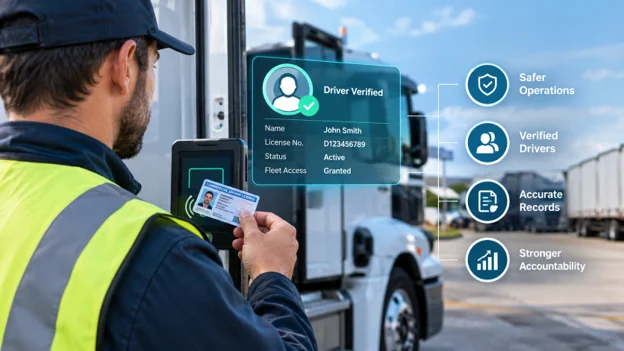
The latest telematics solutions aggregate vast streams of data, including journey duration, idle times, fuel consumption, and, most importantly, driver identity tokens. Whether through key fobs, biometric scanners, or smartphone-integrated apps, the technology ensures that the vehicle cannot "speak" to the system without identifying its operator.
This shift allows companies to transition from simple asset tracking to holistic "human-asset" monitoring. By integrating operational data (such as delivery schedules or service orders) with location and driver telemetry, managers gain a bird’s-eye view of fleet performance. This comprehensive approach allows for the analysis of correlations: Is a specific driver consistently more fuel-efficient? Do certain routes result in higher stress on the vehicle’s braking system? These are the insights that separate leading firms from their competitors.
Chronology of a Shift: From Analog to Algorithmic
The transition toward identity-linked telematics did not happen overnight. It is the result of a long-term progression in technology and management philosophy.
- The Era of Manual Tracking (Pre-2000s): Management was reactive. Accountability was handled through paper logs and verbal reports. Discrepancies were often discovered weeks after the fact, making dispute resolution nearly impossible.
- The GPS Revolution (2000s – 2010s): Businesses adopted basic telematics for asset protection. The primary goal was theft prevention and route visualization. However, the "who" remained a mystery unless the driver self-reported.
- The Era of Intelligent Telematics (2015 – Present): Driven by the rise of the Internet of Things (IoT), systems became interconnected. Driver identification became a standard feature. The focus moved from "Where is my truck?" to "How is my driver performing, and is the vehicle being used as intended?"
Improving Safety Through Behavioral Accountability
Safety is perhaps the most significant beneficiary of this technological leap. Data-driven management allows companies to move from "punitive" safety measures—which occur after an accident—to "proactive" coaching.
Analyzing Risky Behavior
Telematics systems monitor key indicators of risky driving: rapid acceleration, harsh braking, aggressive cornering, and speeding. When these events are linked to a specific driver, the manager can identify patterns rather than isolated incidents.
For instance, if one driver shows a statistically higher frequency of hard braking, it may indicate a lack of awareness or a tendency to follow too closely. Rather than issuing a blanket warning to the entire fleet, managers can provide targeted, one-on-one coaching to the individual. This fosters a culture of safety where drivers feel empowered to improve, knowing that their performance is recognized objectively rather than judged subjectively.
The Resolution of Disputes: Fact vs. Speculation
One of the most persistent headaches for fleet managers is the resolution of disputes. A customer claims a delivery was missed; a vehicle is reported in a residential area during a weekend; an accident occurs in a remote location. In the absence of definitive data, managers are forced to rely on "he-said, she-said" scenarios.
Driver-linked telematics provide an irrefutable audit trail. By reviewing historical data, managers can confirm exactly who was in control of the vehicle at any given moment. This transparency is crucial for:
- Incident Investigations: Providing evidence in the event of traffic collisions.
- Customer Service: Verifying that a vehicle arrived at the requested location at the specified time.
- Compliance: Ensuring that hours-of-service regulations are met and that vehicles are not being operated outside of approved windows.
Curbing Unauthorized Use and Operational Costs
Unauthorized use of company vehicles is a silent drain on the bottom line. Whether it is an employee using a company van for personal errands or an unauthorized driver taking the wheel, the costs accumulate in the form of fuel, excessive mileage, increased maintenance, and, most critically, insurance liability.
By implementing driver identification, the "unauthorized use" loophole is effectively closed. If a driver cannot start the vehicle without their specific ID, the system automatically flags any attempt to bypass the protocol. This visibility serves as a powerful deterrent. When employees know that their movements are recorded and linked to their professional record, the frequency of non-business-related vehicle use drops significantly.
Operational Efficiency: The Bottom Line
Beyond safety and security, the granular data provided by driver identification offers immense opportunities for efficiency.
- Route Optimization: Managers can compare the efficiency of different drivers on the same route. If Driver A completes a circuit in 40 minutes less than Driver B, the manager can study the patterns and share best practices.
- Vehicle Lifecycle Management: By knowing which driver operates which vehicle, companies can better understand why one unit may require more frequent maintenance than another. It allows for more precise scheduling of preventative maintenance, reducing downtime.
- Asset Utilization: Organizations can identify "dead time"—periods where the vehicle is running but not performing revenue-generating work—and take steps to minimize these inefficiencies.
Implementation: Balancing Technology with Trust
While the benefits are clear, the deployment of tracking technology requires a delicate balance between surveillance and organizational culture. To ensure success, companies must adopt a policy of transparency.
Best Practices for Adoption:
- Clear Communication: Employees must understand that telematics is not about "spying," but about improving safety, reducing administrative burdens, and protecting the business.
- Data Privacy Policies: Organizations must be explicit about what data is collected, how it is stored, who has access to it, and how it will be used in performance reviews.
- The "Coaching" Mindset: Technology should be used as a tool for support and growth, not just as a disciplinary instrument. When drivers see that the system helps them become better professionals, they are far more likely to embrace the technology.
Implications for the Future
The integration of driver identification into telematics is not merely a trend; it is the new baseline for professional fleet management. As artificial intelligence and machine learning continue to evolve, these systems will become even more predictive. We can anticipate a future where the vehicle "learns" the driver’s habits, automatically adjusting comfort settings or even restricting certain behaviors in real-time if safety thresholds are breached.
In conclusion, the modern fleet is a complex ecosystem that requires high-level coordination. By shifting the focus from the vehicle to the driver-vehicle relationship, companies can build a foundation of accountability that drives down costs, boosts safety, and secures the future of their operations. In an era where data is the most valuable currency, knowing exactly who is behind the wheel is the ultimate competitive advantage.