Main Facts: A Sector in Stasis
The American beef industry is currently navigating a period of profound volatility, characterized by a historic livestock shortage that has pushed retail prices to unprecedented levels. Despite recent policy interventions by the Trump administration intended to alleviate supply constraints, major industry players—most notably Tyson Foods—have tempered expectations, warning that relief will be neither immediate nor sufficient to reverse the current economic downturn in the sector.
As of August 2026, the U.S. meat market is struggling with a "perfect storm" of high operating costs, a depleted national cattle herd, and waning consumer demand. The structural shortage of cattle has forced processors to rethink their operational footprints, leading to plant closures and reduced shifts. For consumers, the consequence is clear: beef has become a luxury item, with retail prices reaching record-breaking highs that are fundamentally altering shopping habits across the nation.
Chronology: From Herd Depletion to Policy Shift
The roots of the current crisis extend back several years, exacerbated by prolonged drought conditions in key cattle-producing states and rising feed costs, which prompted many ranchers to liquidate their herds.
- 2014-2024: The industry experienced various cycles of herd growth and contraction; however, the most recent downturn proved more stubborn than previous iterations.
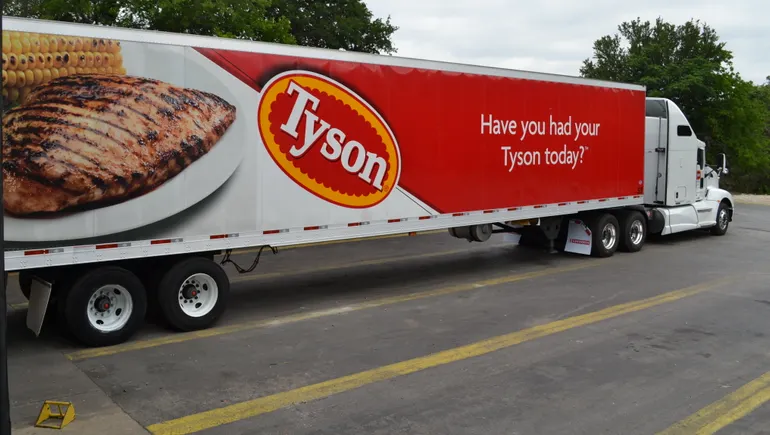
- Late 2025: Tyson Foods, responding to the tightening supply, announced the closure of a major beef processing plant in Nebraska and the reduction of operational shifts at a facility in Texas to mitigate losses.
- June 2026: The broader industry malaise became evident when JBS, the world’s largest meat processor, announced the closure of two beef plants, signaling a desperate need to curb overhead costs amidst sagging profitability.
- August 2026: In a bid to address the supply-side gap, the Trump administration officially lifted the ban on cattle imports from Mexico.
- August 7, 2026: Tyson Foods CEO Donnie King addressed investors, clarifying that while the border reopening is a positive step, it is not a "silver bullet" for the industry’s deep-seated structural issues.
Supporting Data: The Economics of Shrinking Margins
The statistical landscape of the beef market paints a grim picture for both processors and retailers. According to data provided by Circana, total meat department sales volume plummeted by 2.3% in June 2026, as inflationary pressures reached a boiling point for the average American household.
The financial metrics from industry giants reflect this decline. Tyson Foods, in its most recent earnings report, confirmed that the beef segment is expected to post an operating income loss of up to $650 million. While the company saw growth in its chicken and pork divisions, these gains were essentially offset by the drag from the beef segment. Consequently, Tyson has adjusted its full-year sales growth guidance downward to a modest 2.5% to 3.5%.
The price data is equally stark. By April 2026, the average retail price for a pound of beef hit an all-time high of $9.64. This price point has driven a noticeable shift in consumer behavior, with many families opting for more affordable protein alternatives or reducing meat consumption entirely. The lag between supply intervention and market impact is significant: the cattle currently being imported from Mexico are primarily "feeder cattle," meaning they require at least six months to reach maturity and enter the commercial food supply chain.

Official Responses: Tyson Foods’ Stance
The response from Tyson Foods has been one of pragmatic caution. During his recent briefing, CEO Donnie King was candid about the limitations of government intervention. "To be clear, the reopening of the Mexican border will not solve the entire gap of beef losses we are currently seeing," King stated.
King emphasized that the company is focusing on "variables within our control" rather than waiting for the cattle cycle to self-correct. This strategic pivot involves optimizing internal efficiencies, managing plant capacities, and diversifying product offerings. By acknowledging that "beef hasn’t performed the way we expected," the leadership team is attempting to signal to shareholders that while the near-term outlook remains bearish, the company is actively insulating itself from the worst of the market volatility.
Implications: The Long Road to Recovery
The implications of this supply-side crisis extend far beyond the balance sheets of meatpackers.

The Structural Shift in Processing
The closure of plants by JBS and Tyson suggests a long-term contraction in the industry’s processing capacity. When plants close, they rarely reopen quickly; the loss of skilled labor and the decommissioning of specialized machinery create high barriers to re-entry. This suggests that even when the cattle cycle eventually turns toward a surplus, the industry may lack the immediate capacity to process the volume required to lower prices significantly.
Consumer Behavior and Market Permanence
There is a growing concern among agricultural economists that the current price levels are causing a permanent shift in consumer diets. Once consumers integrate pork, poultry, or plant-based proteins into their daily routines due to price necessity, they are less likely to revert to higher-priced beef even if supply levels normalize. This "demand destruction" could lead to a long-term erosion of the beef market’s share in the American diet.
The Role of Global Trade
The decision to lift the ban on Mexican cattle highlights the increasing reliance of the U.S. food supply on cross-border trade. However, relying on international partners to solve domestic supply shortages introduces its own set of risks, including geopolitical volatility and changes in import regulations. The current situation underscores the vulnerability of a consolidated, just-in-time supply chain that is highly sensitive to biological and environmental shocks.
The Outlook for 2027 and Beyond
While CEO Donnie King pointed to 2027 as the earliest point for "potential" improvement, the recovery remains tethered to the biological realities of livestock growth. Cattle are not commodities that can be manufactured on a production line; they are biological assets that require years to raise. Even with an influx of feeder cattle from Mexico, the U.S. herd remains at historically low levels, and the industry will require a sustained period of favorable weather and feed costs to incentivize ranchers to rebuild their herds.
In the interim, the industry remains in a state of defensive management. Investors and consumers alike should prepare for continued volatility, as the disconnect between the desire for affordable beef and the realities of a depleted livestock sector continues to play out. The current crisis serves as a stark reminder that in the complex global food system, government policy acts as a steering wheel, but biological and market cycles remain the engine—and that engine is currently in need of a long, slow repair.