By Antone Gonsalves | Supply Chain Dive
Published July 2, 2026
In a strategic maneuver to insulate its balance sheet from the escalating volatility of the global supply chain, spice and ingredients giant McCormick & Co. is reallocating a significant influx of tariff refunds to mitigate surging operational costs. As the conflict in Iran continues to disrupt critical shipping lanes and destabilize energy markets, the company finds itself navigating a complex landscape of trade litigation, geopolitical tension, and persistent inflation.
The fiscal adjustment, announced by McCormick executives, highlights the precarious reality for multinational corporations reliant on global sourcing. With cost inflation currently tracking at approximately 6% for the fiscal year, the company is leveraging legal victories regarding past trade levies to offset the mounting expenses associated with freight capacity constraints and higher material procurement costs.
Main Facts: The Intersection of Trade Law and Global Conflict
The core of McCormick’s current fiscal strategy rests on the receipt of refunds for country-specific duties that were recently nullified by a landmark Supreme Court ruling. For years, McCormick—which sources thousands of individual ingredients from over 80 countries—has been vocal about the logistical burden of these tariffs. Because many of the raw materials required for their signature spice blends and flavorings are not commercially available within the United States, the company was disproportionately impacted by duties levied under previous executive trade mandates.
However, the relief provided by these refunds is being rapidly absorbed by the secondary effects of the ongoing Iran war. The conflict has exerted immense pressure on global logistics, particularly regarding the security of oil shipments through the Strait of Hormuz. As energy prices spike, the cost of transportation, processing, and distribution has climbed, forcing McCormick to search for ways to shield its bottom line without passing the entirety of these costs onto consumers.
Chronology: A Timeline of Trade Volatility
The journey toward these refunds and the current inflationary environment did not happen in a vacuum. The timeline of events underscores the rapid shift in global trade policies over the past several years:
- Pre-2024: McCormick & Co. initiates a multi-year effort to mitigate the impact of specific trade levies, citing the unavailability of domestic substitutes for essential ingredients.
- Early 2025: The Supreme Court issues a definitive ruling invalidating a suite of tariffs imposed under executive emergency powers, opening the door for companies like McCormick to seek reimbursement for previously paid duties.
- Mid-2025: Tensions in the Middle East escalate into active conflict. The resulting blockade and threat to shipping in the Strait of Hormuz lead to immediate spikes in fuel costs and a contraction in global freight capacity.
- Early 2026: As the Trump administration attempts to implement new trade measures under Section 122 of the Trade Act of 1974, the U.S. Court of International Trade intervenes, declaring the 10% global tariff illegal.
- July 2026: McCormick confirms it will utilize its court-ordered refunds to balance the books against the 6% inflation rate triggered by the conflict, while simultaneously bracing for continued trade litigation.
Supporting Data: The Cost of Global Interdependence
The financial reality for McCormick is reflective of a broader trend within the food and beverage sector. According to EVP and CFO Marcos Gabriel, the 6% inflation rate is not a temporary anomaly but a persistent challenge that is expected to linger for the remainder of the fiscal year.
The Breakdown of Inflationary Pressures:
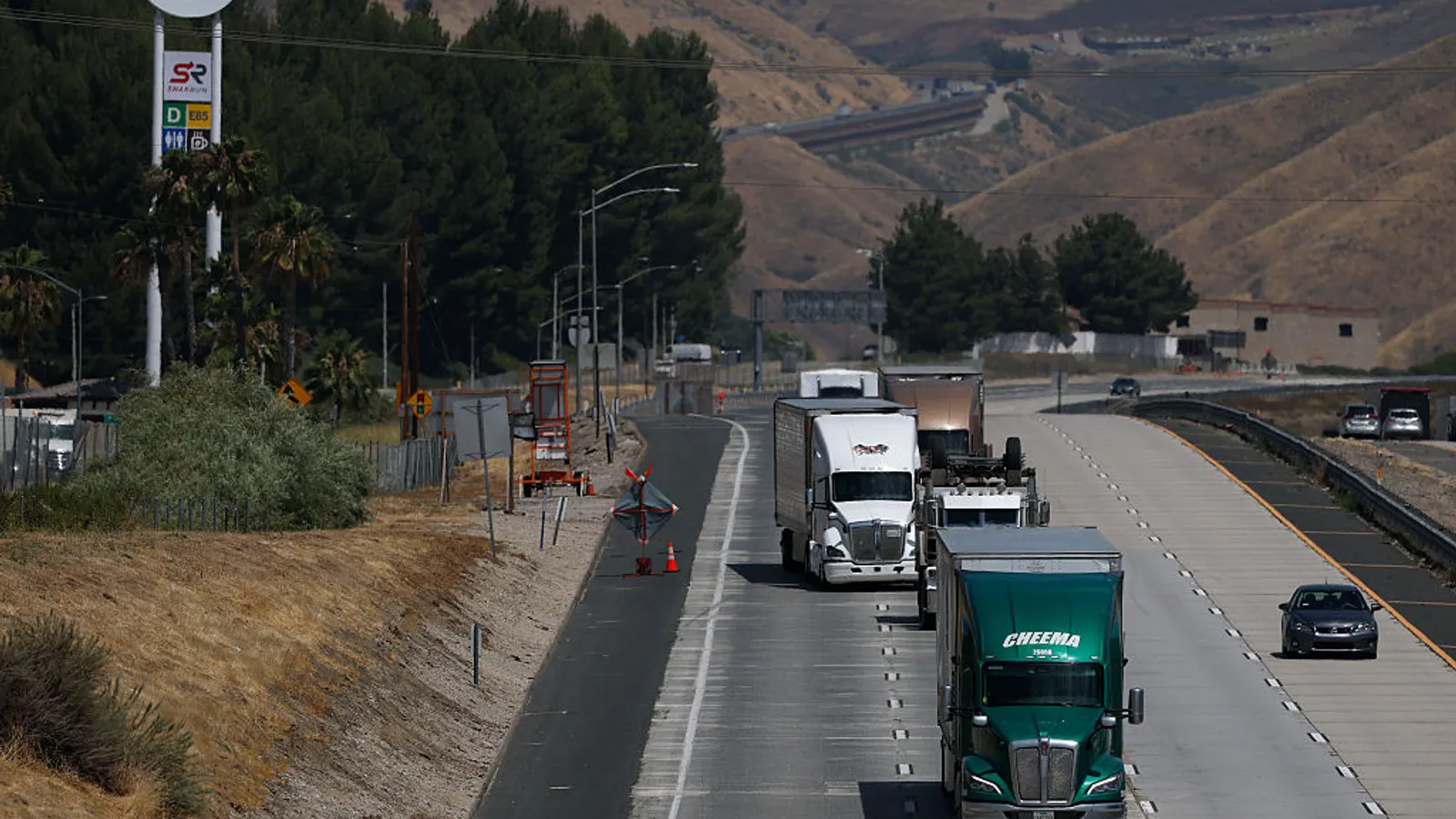
- Energy Costs: The disruption of oil transit through the Strait of Hormuz has created a cascading effect, increasing the price of diesel for road freight and bunker fuel for ocean shipping.
- Freight Capacity: As shipping lines reroute or reduce vessel frequency due to security risks, competition for remaining cargo space has driven freight rates to new highs.
- Tariff Exposure: While McCormick has recovered a portion of its past expenditures, the company still anticipates significant tariff costs for the current year. This is primarily driven by the ongoing implementation of the 10% global tariff—a policy that remains in legal limbo as the Trump administration appeals the Court of International Trade’s decision.
To put this in perspective, other industry players are seeing similar, if varied, results. Deere & Co. successfully recovered $272 million in tariff refunds, though the company noted that even with this influx, it still faced a projected $900 million in net tariff costs. Meanwhile, retailers like BJ’s Wholesale Club have opted to pass the benefits of their refunds directly to the consumer, using the capital to reduce overall retail prices by roughly 0.5%.
Official Responses and Executive Strategy
The executive team at McCormick has maintained a posture of cautious management. Marcos Gabriel emphasized that the decision to prioritize the refunds for cost mitigation is a tactical necessity rather than a windfall profit event.
"We are dealing with a dual-pressure environment," Gabriel stated during the recent quarterly briefing. "On one hand, we are recovering capital that was unfairly sequestered by past trade policies. On the other, we are facing an external shock to the global supply chain that is fundamentally altering our cost of goods sold. The refunds act as a buffer, allowing us to maintain operational continuity without necessitating aggressive, immediate price hikes that could alienate our customer base."

The company’s approach is indicative of a shift in supply chain management: from a "just-in-time" philosophy to a "just-in-case" model. By diversifying their sourcing further and leveraging legal avenues to recover costs, McCormick is attempting to insulate itself from the volatility that has become the hallmark of the mid-2020s.
Implications: The Long-Term Outlook for Global Procurement
The situation surrounding McCormick & Co. serves as a case study for the risks of modern global procurement. As companies navigate the complexities of international trade, the following implications are becoming increasingly clear:
1. The Weaponization of Trade Policy
The reliance on executive emergency powers for trade enforcement has created a cycle of "policy-litigation-refund." This cycle creates significant uncertainty for procurement departments that must forecast costs years in advance. When the legal basis for a tariff is invalidated, it provides a temporary cash injection but does nothing to solve the underlying logistical challenges caused by geopolitical conflict.
2. Supply Chain Resilience vs. Efficiency
For decades, the goal of supply chain management was efficiency—reducing costs by sourcing from the cheapest available global location. The current climate has flipped this priority. Companies are now forced to consider the "geopolitical risk premium" of their supply chains. If a source country is located near a conflict zone or is subject to volatile trade relations, the long-term cost may outweigh the initial savings.
3. Continued Legal and Regulatory Friction
The battle over the 10% global tariff is far from over. With the Trump administration appealing the Court of International Trade’s decision, firms like McCormick remain in a state of suspended animation. The prospect of these tariffs being reinstated—or new ones being introduced—means that companies must continue to hold significant reserves to cover potential tax liabilities, even as they fight to reclaim previous payments.

4. Consumer Price Sensitivity
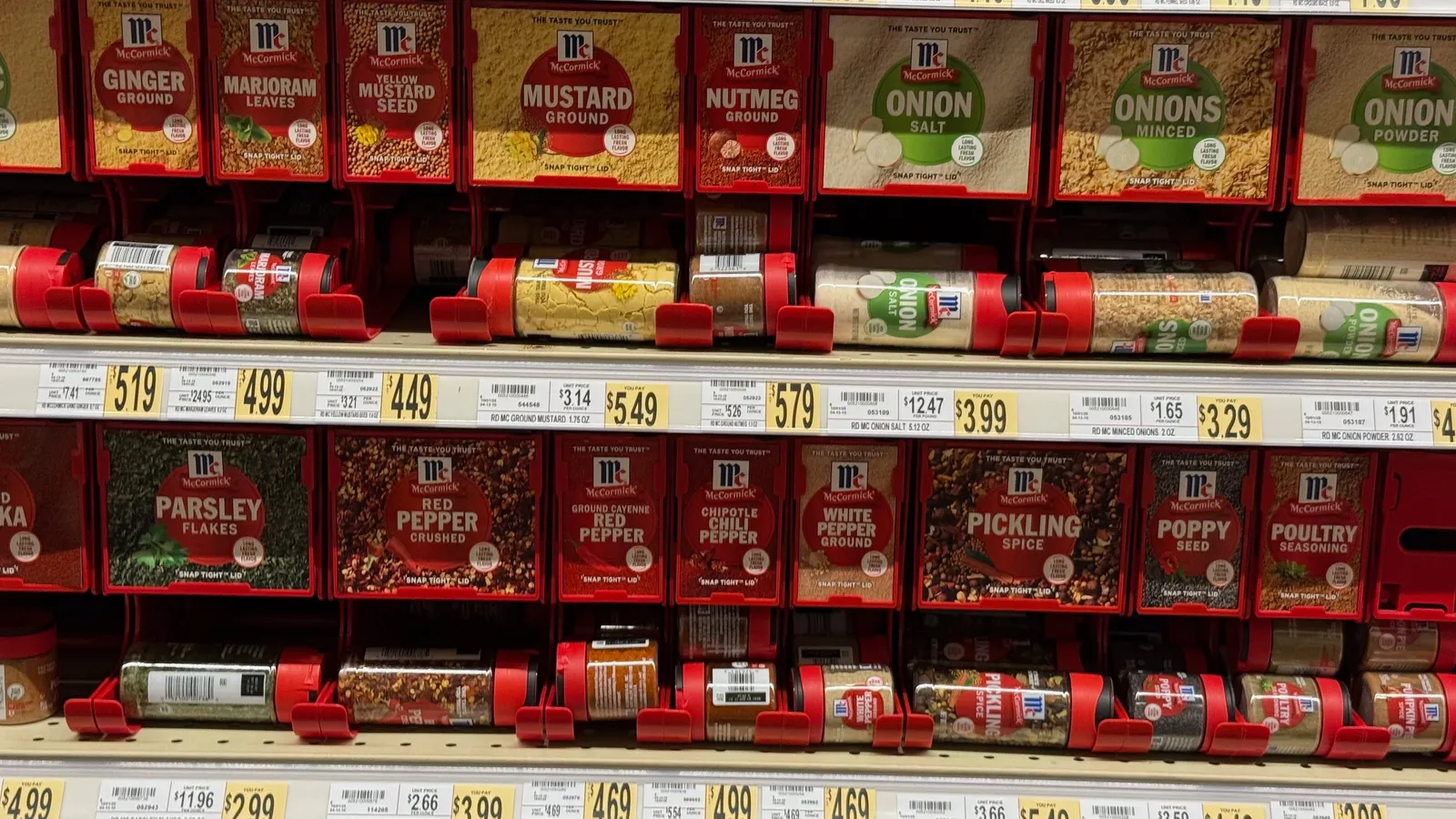
While McCormick is using refunds to absorb some costs, the 6% inflation rate suggests that total insulation is unlikely. As the conflict in the Middle East continues to impact the global energy market, consumers should anticipate that the cost of imported goods, including spices and specialized food ingredients, will remain elevated. The extent to which companies can "absorb" these costs is limited by their own profit margins, meaning that the ripple effects of the Iran war will eventually reach the grocery shelf.
Conclusion
McCormick & Co. stands at the center of a complex storm, balancing legal victories against the harsh realities of a disrupted global economy. As the company works to navigate the remainder of the fiscal year, its strategy will likely be watched closely by industry peers. Whether this "refund-to-offset" approach is sufficient to maintain stability in the face of prolonged global conflict remains to be seen, but it is clear that for McCormick, the era of predictable global trade has been replaced by an era of strategic, and often reactive, management.