Small business owners across Australia are bracing for a significant shift in their administrative and cash-flow management as the Australian Taxation Office (ATO) prepares to finalize its transition away from accepting credit card payments. Despite vocal concerns from the small business community regarding the impact on liquidity and operational convenience, Minister for Small Business Anne Aly has signaled that the federal government is unlikely to intervene or reverse the ATO’s decision.
The policy change, which culminates on November 30, marks the end of an era for businesses that have traditionally relied on credit cards to manage their tax liabilities. As the legislative landscape shifts, entrepreneurs are being urged to pivot toward alternative payment methods, with the government emphasizing that existing support mechanisms—such as tax payment plans—remain available to those struggling to bridge the gap.
The Core Issue: Why the ATO is Pulling the Plug
The decision to discontinue credit card payments is not a sudden whim but the result of a complex interplay between federal regulation and fiscal responsibility. Since October 1, a nationwide ban on surcharging has been in effect for merchants and government agencies. This legislative move was designed to protect consumers from hidden costs, but it inadvertently created a financial dilemma for the ATO.
For years, the ATO absorbed the substantial merchant fees associated with processing credit card payments. These costs, amounting to millions of dollars annually, were effectively subsidized by the broader Australian taxpayer base. With the new surcharge ban in place, the ATO faced a binary choice: either continue to absorb these mounting fees—which the agency argues is an unfair burden on public funds—or cease accepting credit cards altogether.
The ATO has maintained that its primary responsibility is to minimize administrative costs while ensuring the efficiency of tax collection. By removing the credit card option, the agency eliminates the millions of dollars in processing fees, a move the government contends is necessary to keep the tax system equitable for all citizens.
Chronology: A Transition in Policy
The path to this November 30 deadline has been marked by a series of regulatory updates and internal reviews within the ATO.
- Pre-October 2025: The ATO operated under a model where credit card payments were a standard convenience, with merchant fees largely internalized by the agency to simplify the payment process for taxpayers.
- October 1, 2025: New national regulations regarding surcharging came into force. These rules strictly limited the ability of businesses and agencies to pass on the cost of card processing to the payer.
- Late 2025: The ATO conducted a formal review of its payment processing infrastructure. The internal findings highlighted the unsustainable nature of absorbing credit card transaction fees in a non-surcharge environment.
- November 2025: The ATO formally announced the phase-out of credit card payment options for tax debts, setting the November 30 deadline.
- December 2025 – Present: The business community has engaged in a period of transition, attempting to adjust accounting practices and explore alternative payment arrangements.
Supporting Data: The Cost of Convenience
The financial logic behind the ATO’s decision is rooted in data. The agency processes billions of dollars in tax revenue every year, and a significant portion of this has historically flowed through credit card channels.
According to internal reports, the fees associated with credit card transactions—typically ranging from 1% to 3% depending on the card type—represented a multi-million dollar annual expense for the ATO. In a landscape where government agencies are under constant pressure to demonstrate fiscal restraint, the "hidden cost" of card processing became difficult to justify.
For the average small business owner, the convenience of using a credit card often served as a "buffer." It allowed businesses to pay their tax bills on time while managing their cash flow, effectively leveraging the credit card’s interest-free period. While this was beneficial for the business, it meant that the ATO was effectively financing these businesses at the expense of the public purse.
Official Responses: The Government’s Stance
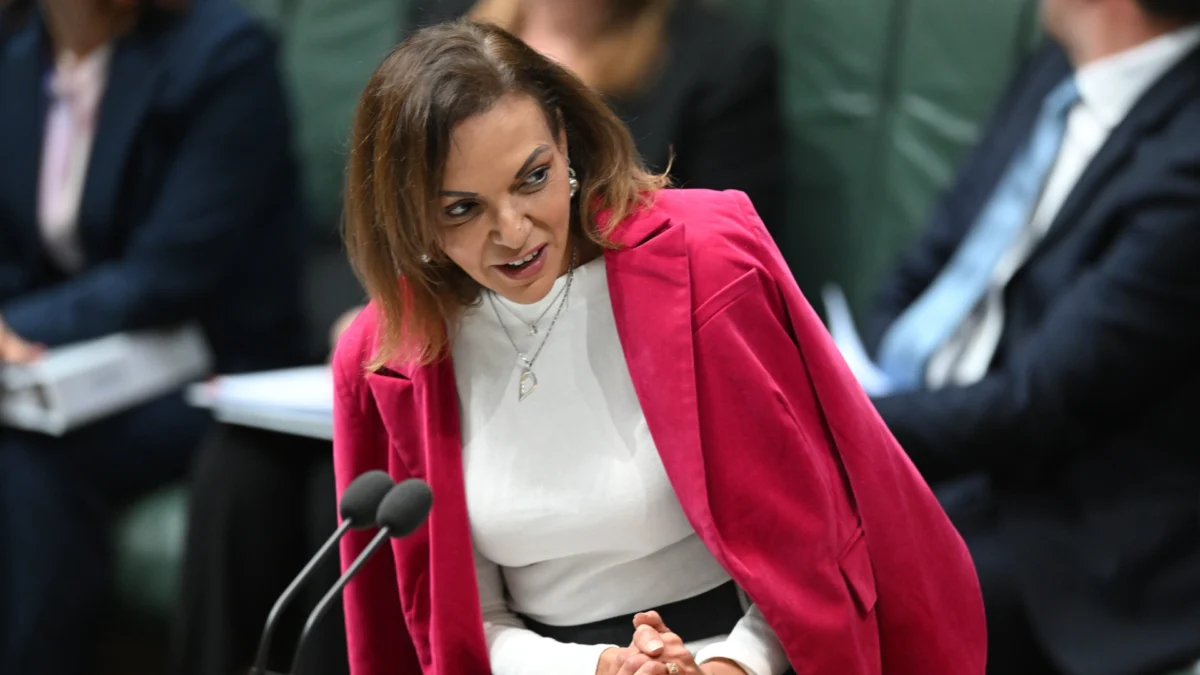
Minister for Small Business Anne Aly has found herself at the center of this controversy, tasked with balancing the needs of the small business sector against the administrative mandates of the tax office.
During recent sessions in the House of Representatives, Minister Aly acknowledged the frustrations of business owners who feel that the removal of credit card payments adds unnecessary pressure to an already strained sector. However, her remarks have consistently focused on the existence of "safety nets" rather than the possibility of a policy reversal.
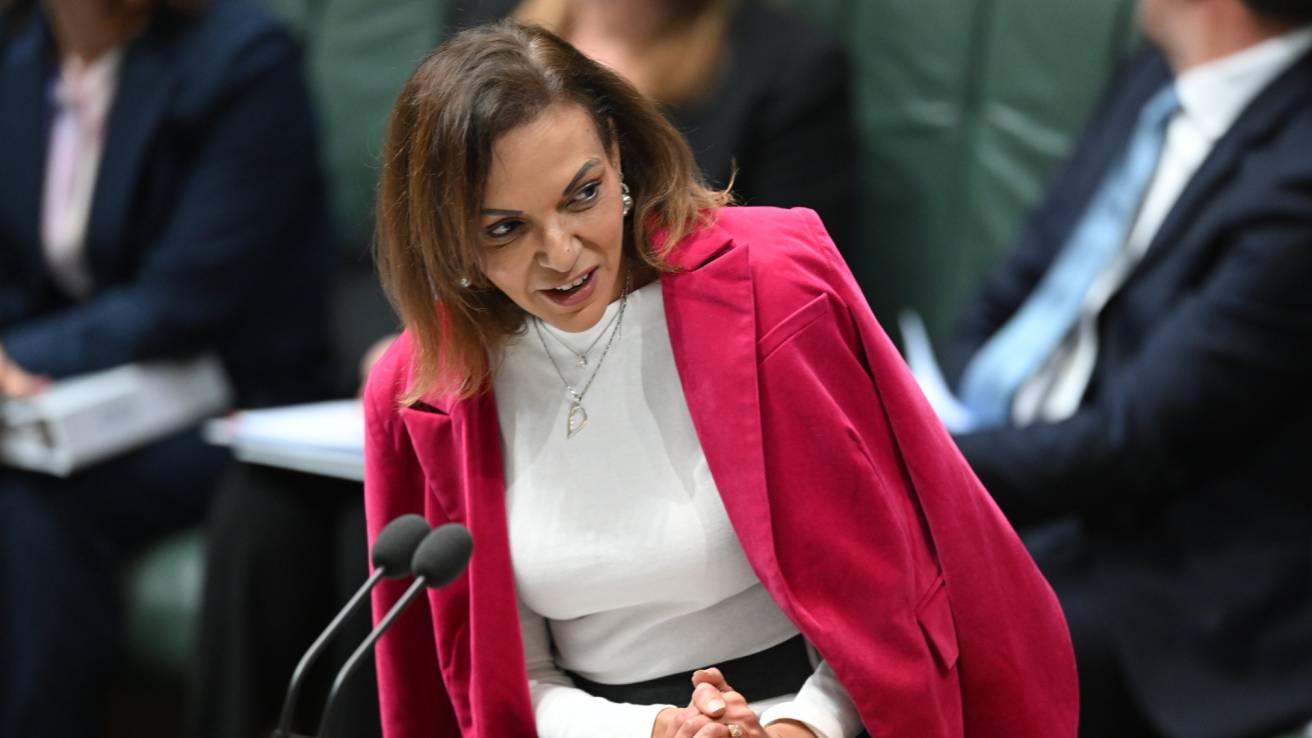
"Affected businesses will still be able to access payment plans and spread their tax debt over manageable instalments," Minister Aly stated. Her office has emphasized that the ATO’s mandate is to work with businesses that are experiencing genuine financial hardship. Rather than relying on credit cards to bridge gaps, the government suggests that taxpayers should engage proactively with the ATO to establish structured payment arrangements.
This stance suggests that the federal government is prioritizing the long-term structural integrity of the tax system over the short-term convenience of individual businesses.
Implications: How Small Businesses Must Adapt
The cessation of credit card payments will have a ripple effect across the small business landscape. Owners must now re-evaluate their financial operations to ensure they remain compliant without relying on the liquidity benefits of credit card tax payments.
1. Shift to Direct Debit and EFT
The primary alternative for most businesses will be Electronic Funds Transfer (EFT) or direct debit. While these methods do not offer the "float" period of a credit card, they are the most cost-effective way to remit tax payments. Businesses will need to ensure their cash flow forecasting is more precise to avoid late payment penalties.
2. Utilizing ATO Payment Plans
The government’s primary advice is for businesses to utilize formal payment plans. Unlike a credit card, which is an external debt instrument, an ATO payment plan is a formal agreement between the taxpayer and the regulator. These plans can be tailored to the business’s specific revenue cycle, providing a more predictable repayment structure.
3. Increased Administrative Burden
For many small businesses, the use of credit cards was an automated, "set and forget" process. Transitioning to new payment systems may require changes to internal accounting software and cash flow management strategies. Owners should consult with their bookkeepers or accountants to ensure that the new payment protocols do not lead to inadvertent late payments, which could trigger interest charges or penalties.
4. The Potential for Increased Stress
The loss of the credit card buffer may exacerbate the stress on businesses operating on thin margins. In a high-interest-rate environment, the loss of an interest-free payment window via a credit card is a genuine cost increase. Business owners will need to account for this shift in their annual budgeting.
Looking Ahead: Is There Room for Negotiation?
As the deadline passes, the focus shifts from protest to adaptation. While there is little indication that the ATO will backtrack, the business community continues to advocate for more flexible payment technologies. Some industry groups have proposed that the ATO could adopt alternative digital payment methods that carry lower transaction costs, such as real-time account-to-account payments, which would allow for speed without the high merchant fees of traditional credit cards.
For now, the message from Canberra is clear: the era of the government subsidizing business credit card payments is over. Small business owners are advised to move quickly to verify their payment details with the ATO and to reach out to the agency directly if they anticipate difficulties in meeting their upcoming obligations.
In a volatile economic climate, the transition away from credit card tax payments represents another layer of complexity for the Australian entrepreneur. Success in this new environment will require a tighter grasp on liquidity, a deeper relationship with the tax authorities, and a shift away from traditional, credit-based cash flow management.